Supported by you via insider access, and when you purchase through links on our site, we may earn an affiliate commission. See our Affiliate Disclosure.
EV Charger Emergency Shutoff Guide & Reviews
-
 Guide & Reviews By
James Ndungu
Guide & Reviews By
James Ndungu
- last updated January 19, 2026

Electric Vehicle (EV) charging is growing fast. As more homes, businesses, and apartment complexes install EV chargers, safety and code compliance become critical, especially around EV charger emergency shutoffs.
The 2026 National Electrical Code (NEC) has updated many rules to keep EV charging safer and more practical, with a strong focus on emergency disconnect requirements.
Whether you’re a licensed electrician, an EV charging installer, or a savvy DIYer looking to understand how EV charger emergency shutoffs work and what the code requires, this guide has you covered. We’ll break down the why, what, and how of EV charger emergency shutoffs, with clear explanations, installation tips, wiring insights, and answers to your most common questions.
EV Charger Emergency Shutoff Devices Reviews
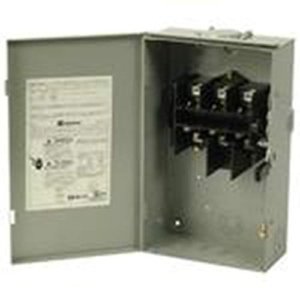
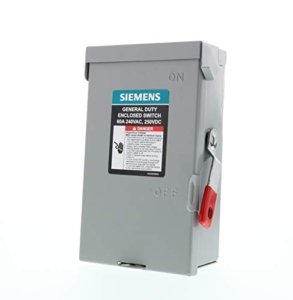
Here are our top picks for emergency shutoff devices that meet NEC 2026 safety rules. We review easy-to-install, reliable switches and breaker kits trusted by pros. Whether for commercial or multi-family charging, these options help keep your EV setup safe and code-compliant.
Why Do EV Chargers Need Emergency Shutoffs?
EV chargers are different from most household appliances. Unlike a dryer or an electric range that runs for a limited time, EV chargers:
- Run at high currents, continuous loads (often 40A to 80A or more) for hours
- Have power electronics that can stay energized even if the breakers trip
- Can feed power into the vehicle’s battery that stays live after the charger is off
- Generate significant heat at terminals and conductors, creating fire risks
- Are installed outdoors or in garages, where emergency responders may encounter hazards
Because of this, firefighters and first responders need a quick and reliable way to kill power to EV charging equipment in emergencies such as fires, floods, or accidents.
What is an EV Charger Emergency Shutoff?
An EV charger emergency shutoff is a device or system that allows immediate disconnection of power to EV charging equipment during an emergency.
This EV charger emergency shutoff is more than just an EV charger circuit breaker or panel switch. In EV charger installations, the EV charger emergency shutoff must be clearly identified and labeled, ensuring anyone can recognize it quickly. It should be easily accessible and visible from the charger itself to allow for rapid action during emergencies. Often, it takes the form of a manual reset control, requiring deliberate intervention to restore power. In some cases, it functions as a low-voltage control device that remotely trips a breaker or contactor. The primary goal is to reduce risks to people and property by cutting power quickly and visibly when needed.
NEC Requirements for Emergency Shutoffs (2026 Edition)
The 2026 NEC introduced several clarifications and updates for EV charger emergency shutoffs. Here’s what you need to know:
Who Needs Emergency Shutoffs?
All permanently installed EVSE (Electric Vehicle Supply Equipment) and WPTE (Wired Power Transfer Equipment) for buildings other than one- and two-family dwellings must have emergency disconnects.
This means most commercial, multi-family, and public EV charging installations require EV charger emergency shutoffs.
Location and Visibility (NEC 625.43(D)(1))
EV Charger Emergency shutoffs must be:
- Readily accessible (not behind locked doors, such as inside an EV charger lockbox or hard to reach)
- Visible from the EVSE (clear line of sight without obstruction)
- Located between 20 feet (6 meters) and 100 feet (30 meters) from the charging equipment
Exceptions are possible but must be approved by the local Authority Having Jurisdiction (AHJ) if the site layout prevents this.
Labeling Requirements (NEC 625.43(D)(4))
EV Charger Emergency shutoff devices must be clearly labeled:
- With “EVSE EMERGENCY SHUTOFF DISCONNECT”
- With a warning that “ELECTRIC VEHICLES WILL REMAIN ENERGIZED.”
If one emergency shutoff controls multiple chargers, labels must specify exactly which equipment is affected.
Manual Reset Requirement (NEC 625.43(D)(5))
EV charger emergency shutoffs must be manual reset type, meaning once tripped, they require someone to physically reset the device.
This prevents power from automatically restoring, which could endanger emergency personnel.
Exceptions require AHJ approval.
Disconnecting Means (NEC 625.43(C))
A disconnecting means is required for all EVSE regardless of current rating.
This is often interpreted as:
- A dedicated disconnect switch near the EV charger OR
- A dedicated EV charger circuit breaker with a lockout device (lockout/tagout kit)
The lockout option is often preferred because it eliminates the need for bulky external disconnect boxes while still meeting safety and service requirements.

For this reason, we recommend and personally use the Master Lock Grip Tight Circuit Breaker Lockout, which provides a secure, code-compliant way to isolate power during installation, maintenance, or servicing.
Common Misunderstandings and Practical Clarifications
Emergency Shutoff Switches Aren’t Always Heavy-Duty
A common misconception is that the EV charger emergency shutoff must be a heavy-duty switch designed to carry the full load current. In reality, most emergency stop (E-Stop) devices operate as low-voltage control signals rather than direct power interrupters.
Typically, the E-Stop button sends a small “signal” current to trigger a shunt-trip breaker or contactor inside the panel. This breaker then safely opens the power circuit carrying the full load. This setup uses thin control wiring, which is safer, easier to install, and avoids having a large, hot switch on the wall.
Alternatively, some electric vehicle charger branch circuits use a lever-action safety switch on the wall through which the full load current physically flows. Per NEC 625.43, this switch must be rated to handle at least 125% of the continuous load current to ensure safe operation. While this approach is simpler to understand, the switch must manage the resulting heat and electrical load, which leads to larger, bulkier hardware and a hotter control point.
Understanding these options helps you choose the safest, most practical solution for your EV charging setup.
Distance is Measured From the Charger, not the panel or Other Equipment
The 2026 NEC clarifies that the 20–100 feet distance is from the EVSE equipment itself, not general electrical rooms or panels.
Inspectors will look to see if the EV charger emergency shutoff is visible and accessible from the charger location, not elsewhere
Visibility Means Clear Line of Sight, Not Just “In Sight.”
“Visible” replaces “in sight” language to avoid confusion.
This means:
No walls, pillars, or other obstacles blocking the view
The EV charger emergency shutoff device should be easily noticeable during an emergency
This improves firefighter safety and speeds response
One Emergency Shutoff Can Control Multiple Chargers (With Proper Labeling)
If multiple chargers share an EV charger emergency shutoff, labels must clearly identify which ones are controlled. This is crucial in parking garages or fleets to avoid confusion.
Installation Best Practices for EV Charger Emergency Shutoffs
Here are the practical steps to get your EV charger emergency shutoff installation right:
Step 1: Plan Your Location Early
- Place EV charger emergency shutoffs so they meet distance and visibility rules
- Avoid hidden spots or locations behind locked gates without quick access
- Check local fire department preferences; they may want certain locations
Step 2: Use the Right Equipment
- Use manual reset emergency stop buttons rated for control voltage, not power voltage
- Use shunt trip breakers or contactors to interrupt power remotely
- Use lockout/tagout kits on breakers where disconnect switches are not installed
Step 3: Label Clearly and Permanently
- Use weatherproof labels for outdoor or garage EV charger installations
- Include both “EVSE Emergency Shutoff Disconnect” and “Warning: Electric Vehicle(s) Will Remain Energized.”
- Label which chargers the shutoff controls, especially in multi-unit setups
Step 4: Verify Wiring and Torque
- Torque all terminations to manufacturer specs with a torque screwdriver
- Use wiring methods that meet NEC Article 625 requirements
- Ensure the emergency stop wiring is clearly documented and tested
Common Installation Mistakes to Avoid
- Installing EV charger emergency shutoffs that are not visible or accessible
- Using automatic reset emergency stops
- Using cheap pull-out disconnects prone to overheating
- Failing to label emergency disconnects clearly
- Poor torque and wiring leading to loose connections
- Ignoring local AHJ requirements or fire department preferences
FAQs
Do I need an emergency shutoff on my home EV charger?
No. Emergency shutoffs are generally required for commercial, multi-family, and public EVSE, not typical single-family home installs.
Can one emergency shutoff control multiple chargers?
Yes, but it must be labeled clearly so responders know exactly what it controls.
Is a breaker lockout kit acceptable as a disconnect?
Usually yes, especially for residential and small commercial. Lockout kits are safer and more reliable than pull-out disconnects.
Does the emergency shutoff button carry full load current?
No. The emergency stop usually triggers a shunt trip or contactor that interrupts power remotely.
Can I install an emergency shutoff behind a locked door?
No. It must be readily accessible and visible from the charger. Exceptions require AHJ approval
What if the site layout makes visibility impossible?
You can apply for exceptions with the AHJ, but proper documentation and alternative safety measures are needed.
Final Thoughts
The 2026 NEC changes make emergency shutoffs clearer and safer, protecting first responders and property.
For EV charger installers and site owners, the key is:
- Plan your emergency disconnect locations carefully
- Use manual reset emergency stop controls
- Label everything clearly
- Use breaker lockouts for disconnecting means when possible
- Follow torque and wiring best practices
- Understand that “qualified installer” means knowledgeable and careful
By following these guidelines, you’ll stay code-compliant, inspection-ready, and most importantly, keep people safe.
Need Help With Your EV Charger Installation?
Whether you’re installing a new commercial EV charging station or upgrading an apartment complex’s charging infrastructure, We can help with:
- EV charger installation wiring diagrams and emergency shutoff layouts
- Equipment recommendations
Installation checklists - Troubleshooting and compliance reviews
This guide is your go-to for emergency shutoff rules in 2026 and beyond. Share with your electrician friends, bookmark it, and keep it handy for your next EV charger project.