Supported by you via insider access, and when you purchase through links on our site, we may earn an affiliate commission. See our Affiliate Disclosure.
Best CSA Certified EV Chargers
The Canadian Standards Association has tested a CSA-certified EV charger to safety standards recognized in both the U.S. and Canada, making it the mark that matters most to buyers who own or charge in both countries. It is equally valid for U.S.-only installations because CSA holds NRTL status under OSHA alongside UL and ETL. Every charger in this grid carries verified CSA certification, and many also carry dual UL/CSA listing from a single combined testing round.
What makes CSA particularly useful is the cold-climate emphasis built into the testing, since Canadian standards reflect operating environments that reach minus 40 degrees Fahrenheit, and chargers tested under CSA C22.2 No. 280 tend to carry lower operating temperature ratings than units certified only to the UL minimums. Because of that, buyers in northern U.S. states and anyone who parks outside in severe winter conditions often find that the CSA category offers more options rated for real cold-weather use.
Verification follows the same pattern as UL and ETL: find the CSA file number on the product label and search the CSA Online Certification Listings database, where a genuine certification returns the manufacturer, the product category, and the standards covered. Every product here has been verified before inclusion.
Our CSA Certified EV Chargers Reviews
Independent reviews, trusted safety standards, and expert insights to help you choose a reliable, code-compliant, and durable CSA certified EV charger for your home.
Use the “Compare” button on each product to select multiple chargers, then click the ⚖️ scale icon to see a full side-by-side comparison.
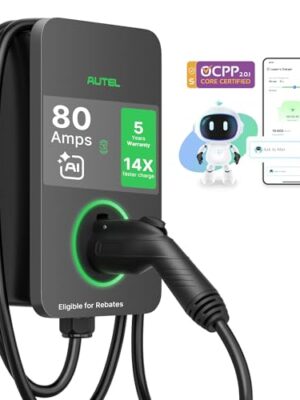
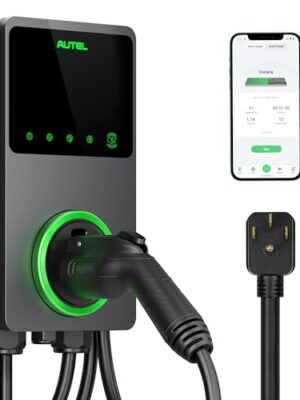
Autel MaxiCharger 80A EV charger delivers 19.2 kW smart EV charging for home, business, or commercial use with OCPP 2.0.1, Integrated Cloud with AI, and Wi-Fi/4G/Wi-SUN connectivity.
As an EV charger reviewer, I was impressed by the Autel MaxiCharger 80A’s power, smart EV charging capabilities for business, workplace and commercial installations, future-proof protocols, and rock-solid reliability. It delivers blazing-fast 19.2 kW charging, supports OCPP 2.0 and ISO 15118, and feels commercial-grade throughout.
Features
9.5
Real World Usage
9.5
Materials
9
Durability
9
Craftsmanship
9
Design
9
Monetary Value
9
Product Value
9
Brand Reputation
9
Expert Valuation
9
PROS:
80A / 19.2 kW ultra-fast Level 2 charging
OCPP 2.0 & ISO 15118 smart protocols
Rugged, pedestal/kiosk-ready design
Scalable for commercial or fleet use
Dynamic load management support
CONS:
More expensive than competing 80 Amp EV chargers like the Grizzl-E Ultimate 80 Amp EV charger.
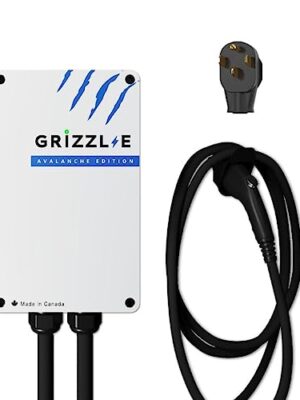
The Grizzl-E Smart Level 2 EV Charger (240V, 40A) is a budget-friendly smart EV charger with a rugged aluminum build, J1772 compatibility, UL-listed, Energy Star certified, and NEMA 14-50/6-50 plug support.
After months of testing, the Grizzl-E Smart cut my monthly charging costs through smart scheduling, saved me a $3,200 panel upgrade with load balancing, and as a solar owner, puts an extra $730 yearly back in my pocket. Add in $100 from utility Demand Response credits, and this charger pays for itself while the OCPP standard lets me switch apps anytime for better deals without replacing hardware.
Features
9
Real World Usage
9
Materials
9
Durability
9
Craftsmanship
9
Design
9
Monetary Value
9
Product Value
9
Brand Reputation
9
Expert Valuation
9
PROS:
The Grizzl-E Smart EV Charger is built to last, both indoors and outdoors.
Its minimalist design appeals to homeowners seeking a clean and modern aesthetic.
The Grizzl-E team is committed to enhancing the charger's features through regular updates and the Grizzl-E Connect app.
CONS:
Some users have reported concerns about the durability of the charging cable and connector.
The included wall mount may not be ideal for long-term use, potentially requiring additional support or accessories.
The Autel AC Lite EV Charger stands out for its fast charging speed, reliable safety features, and easy installation. Its high-quality build ensures durability, while the app integration adds convenience. While installation may require some attention to wire size, its performance makes it a solid choice for most EV owners.
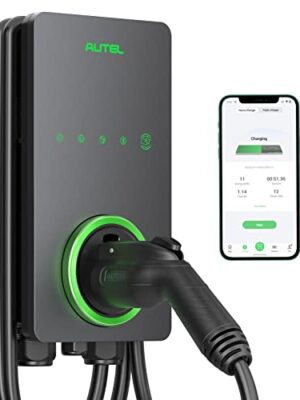
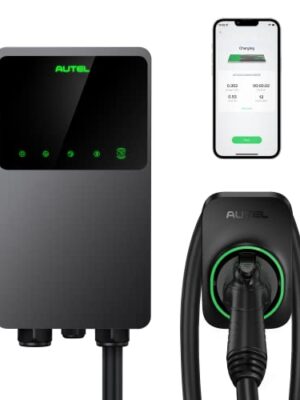
The Autel MaxiCharger Home Smart EV Charger (Autel AC Elite In-Body Holster EV Charger) offers NEMA 6-50 and 14-50 plug options for 40 amps and can be hardwired for 50 amps for faster charging. The built-in holster keeps the 25-foot cable organized, making it perfect for both indoor and outdoor use.
Charging Speed:12 kW
Max Amperage:50 Amps
Charging Level:Level 2
Connector Type:J1772
Cable Length:25 Feet
Connectivity:Bluetooth, Ethernet, Wi-Fi
Installation Type:Hardwired, NEMA 14-50, NEMA 6-50
The Autel AC Elite In-Body Holster EV Charger is an excellent choice for those seeking an easy-to-install, reliable, and feature-rich charging station. It delivers high performance, simplicity, and strong customer support, making it a great investment for EV owners.
Features
9
Real World Usage
8.5
Materials
9
Durability
9
Craftsmanship
9
Design
9
Monetary Value
9
Product Value
8.5
Brand Reputation
9
Expert Valuation
9
PROS:
Charges up to 7X faster than Level 1 chargers.
Supports both NEMA 6-50 and 14-50 plug options.
Adjustable power output up to 40 amps.
Easy installation (plug-in or hardwired).
User-friendly Autel mobile app for scheduling and optimization.
Wi-Fi, Bluetooth, and Ethernet connectivity for seamless operation.
25-foot cable for flexible reach.
NEMA 4 rating for reliable indoor and outdoor use.
Weather-resistant and durable construction.
3-year warranty with 24/7 customer support.
CONS:
App allows only one weekday and one weekend charge schedule.
No option for multiple off-peak timeframes in app.
May require a licensed electrician for installation (for hardwiring).
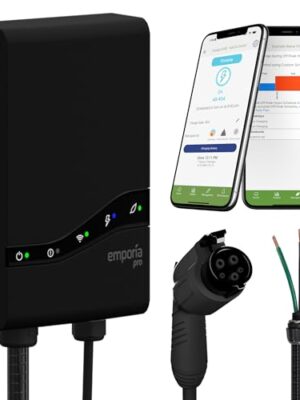
Emporia Pro EV Charger offers 48A fast Level 2 EV charging with PowerSmart Load Management. Includes NEMA 14-50 plug or hardwire installation options, 25' cable, and real-time energy optimization for efficient charging.
The Emporia Pro EV Charger is a feature-rich, futureproofed Level 2 charger that’s ideal for solar-ready homes. Its built-in PowerSmart Load Management and included Vue 3 Energy Monitor deliver exceptional energy savings and panel protection. Whether hardwired or plug-in, it’s a smart, powerful, and cost-effective EV charging solution.
Features
9
Real World Usage
8.5
Materials
9
Durability
9
Craftsmanship
8.5
Design
9
Monetary Value
9
Product Value
9
Brand Reputation
8.5
Expert Valuation
9
PROS:
Fast 48A charging (up to 11.5kW)
PowerSmart Load Management for energy optimization
Solar integration compatibility
Wi-Fi-enabled with app control
Flexible installation options (hardwired or plug-in)
Built-in safety features and certifications
CONS:
Requires dedicated electrical panel space for Vue 3 Energy Monitor installation
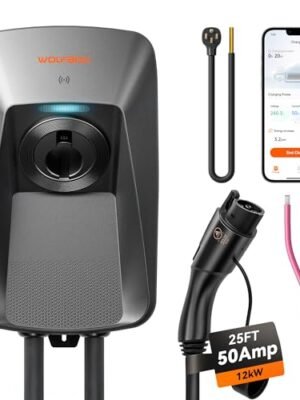
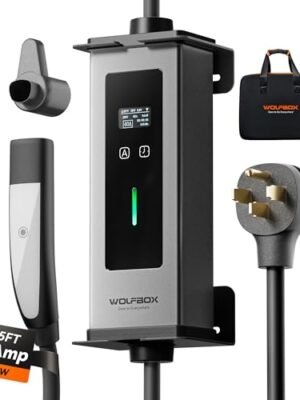
The WOLFBOX WE-50 hardwired Level 2 charger delivers 50 amps and up to 9.6 kW, providing fast charging for electric vehicles with a J1772 connector. Ideal for home or business use, it combines robust build quality with easy compatibility for most EVs.
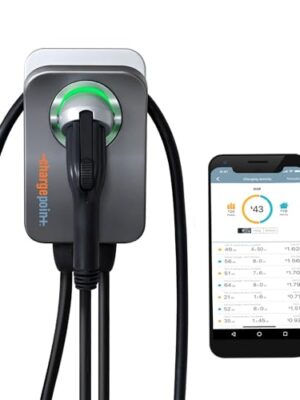
As an installer who’s worked with dozens of EV chargers, the ChargePoint Home Flex stands out for its flexibility, clean design, and smart features. The adjustable amperage makes it future-proof, and the app is unmatched in usability. A dependable choice for homeowners who value both performance and long-term reliability.
Features
9
Real World Usage
8.5
Materials
9
Durability
9
Craftsmanship
8.7
Design
8.5
Monetary Value
8.5
Product Value
9
Brand Reputation
9
Expert Valuation
9
PROS:
Easy installation with clear instructions and videos
Flexible setup: plug-in or hardwired
User-friendly mobile app for remote control and data
Swiveling dock for tidy cable storage
Safe and durable with UL certification
Access to ChargePoint’s vast network of charging stations
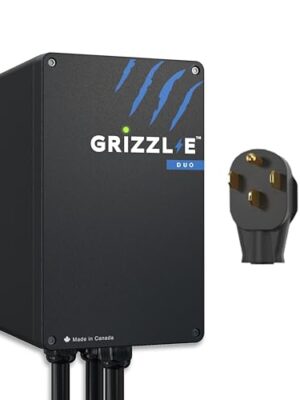
The Grizzl-E Duo Level 2 EV Charger delivers up to 40 Amps of power with two 24-foot premium cables and a NEMA 14-50 plug. Designed for dual vehicle charging, it provides fast, efficient power for two electric vehicles simultaneously. Ideal for home use, offering reliable, high-performance charging.
The Grizzl-E Duo is a reliable dual-port EV charger. It offers fast, 240V Level 2 charging with up to 40A. Durable, weather-resistant, and easy to install. It’s ideal for charging two cars simultaneously. A great space-saver and cost-efficient solution for home EV charging.
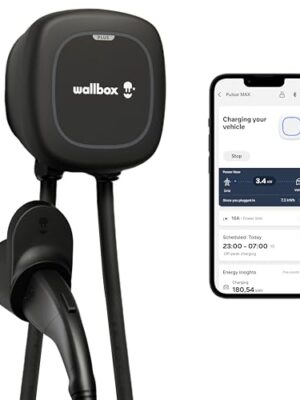
The Wallbox Pulsar Plus 40 Amp Level 2 EV Charger is an ultra-compact, smart charging solution with WiFi, Bluetooth, and voice control via Alexa/Google Home. Featuring a 25ft cable, it’s UL-certified for safety and suitable for both indoor and outdoor use. Assembled in the USA for reliable performance.
The Wallbox Pulsar Plus 40-Amp EV Charger offers fast, flexible charging with a compact design. It features smart app control, energy optimization, and solar integration. Its 25-foot cord ensures convenience, while power sharing supports multiple units. However, the plug holster’s stability and Bluetooth setup may need improvement.
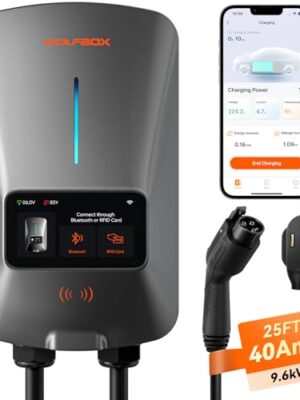
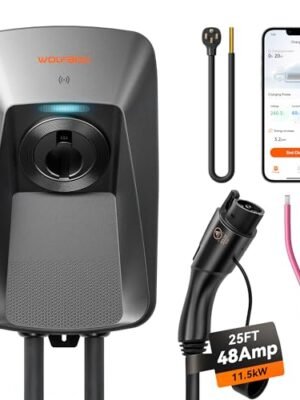
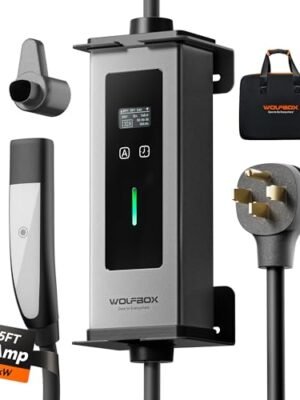
The WOLFBOX Level 2 EV Charger is a home Level 2 EV chargerthat offers fast, reliable charging with a sleek, weatherproof design. Featuring a 25ft cable, smart app integration, and compatibility with all J1772 EVs, it’s perfect for both home and public use. Choose between plug-in or hardwired models for convenient, future-proof charging at any location.
The WOLFBOX WE-40, WE-48, and WE-50 Smart Level 2 EV Chargers deliver dependable, high-power performance with durable construction, WiFi control, and excellent safety features. Each model suits different installation needs while maintaining consistent reliability and value. The WE-40 rates 8.7, the WE-48 scores 8.8, and the WE-50 leads at 8.9, averaging 8.8/10 overall.
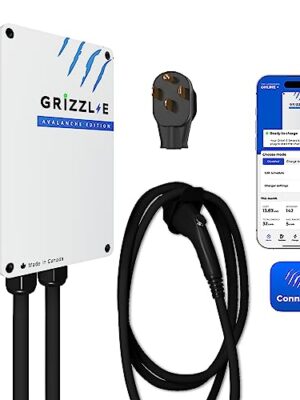
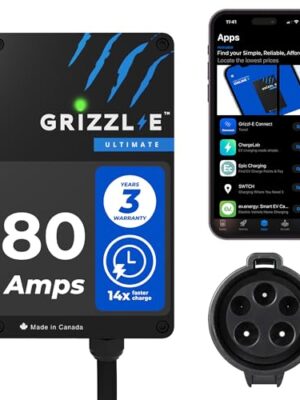
The Grizzl-E Ultimate 80A EV charger is a rugged, 80A Level 2 EV charger delivering up to 19.2 kW. Built for indoor/outdoor use with Wi-Fi, adjustable amperage, and J1772 or NACS connector.
The Grizzl-E Ultimate 80A EV charger impressed me with its rugged build and blazing 80A performance, its an 80 amp EV charger perfect for harsh outdoor installs and high-capacity EVs. But for future-proof smart charging, business applications, and solar EV charging integration, the Autel’s MaxiCharger 80A charger is the clear winner with V2G, bidirectional support, and OCPP 2.0.1 - it's built for homes and commercial applications that demand intelligence, not just speed.
Features
8.5
Real World Usage
8.5
Materials
9
Durability
9
Craftsmanship
8.5
Design
9
Monetary Value
9
Product Value
8.5
Brand Reputation
9
Expert Valuation
9
PROS:
Budget-friendly 80 Amp EV charger
True OCPP Compliant
Industry-leading 80A output for ultra-fast charging
Rugged, weatherproof aluminum enclosure (NEMA 4X)
Compatible with all EVs via J1772 or NACS
Adjustable amperage for multiple breaker sizes
Works offline and recovers after power interruptions
Made in Canada with a 3-year warranty
CONS:
No plug-in option (hardwired only)
Smart features limited to OCPP 1.6
No built-in energy optimization or load sharing
App interface and diagnostics are basic compared to modern alternatives
The WOLFBOX WE-48 is a hardwired Level 2 EV charger offering 48 amps of power with a J1772 connector. Designed for steady, fast home or workplace charging, it supports nearly all EV models and ensures a durable, efficient charge with professional hardwired installation.
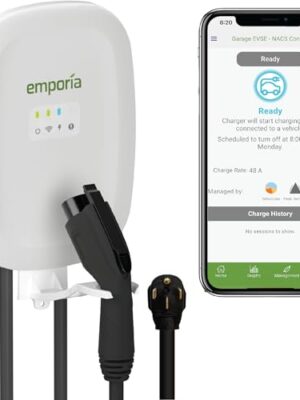
The EMPORIA Level 2 EV Charger delivers 48 amps of 240V charging with a 24ft cable and NEMA 14-50 plug. WiFi-enabled for smart features and remote monitoring, this J1772-compatible EVSE offers fast, reliable charging for electric vehicles. Ideal for home installations, it ensures efficient and convenient EV charging.
The Emporia EV Charger delivers fast, reliable Level 2 charging with flexible installation options, robust build quality, and smart app features for energy tracking and scheduling. It’s UL-listed, universally compatible, and competitively priced. While hardwiring can be challenging, its performance, value, and convenience make it an excellent choice for EV owners.
Grizzl-E Classic EV Charger Level 2 EV charger with 24-ft cable, UL, FCC, Energy Star, NEMA 14-50/6-50 plug, and NEMA 4X enclosure for indoor/outdoor use.
The Grizzl-E Classic excels as a durable, efficient, and cost-effective Level 2 charger. Its lack of smart features is seen as a benefit by many, reducing potential issues. It’s an ideal choice for users seeking a reliable, no-frills charging solution.
Features
7.5
Real World Usage
8.5
Materials
9
Durability
9
Craftsmanship
8.5
Design
8.5
Monetary Value
9
Product Value
9
Brand Reputation
9
Expert Valuation
9
PROS:
Simple installation with NEMA 14-50 plug.
Durable metal enclosure, weatherproof and UL-certified.
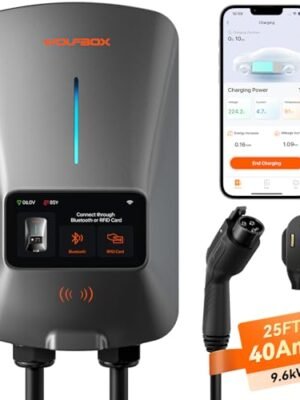
The WOLFBOX WE-40 is a powerful outdoor/indoor Level 2 EV charger with a NEMA 14-50 plug, delivering 40 amps and up to 9.6 kW charging power. Ideal for home charging with J1772 connector compatibility, it’s perfect for most electric vehicles seeking fast, reliable, and safe charging.
The WOLFBOX Level 2 40 Amp EV Charger delivers reliable, fast charging with smart features and a durable design. Its long cable and clear display add convenience, while excellent customer support ensures ongoing improvements. Minor display and heat issues appear in direct sunlight but can be managed with proper installation.
Features
8.8
Real World Usage
8.5
Materials
8.8
Durability
8.7
Craftsmanship
8.6
Design
8.7
Monetary Value
8.7
Product Value
8.8
Brand Reputation
8.8
Expert Valuation
8.7
PROS:
Fast and efficient 40 Amp charging
Durable, weather-resistant construction
Long 25-foot charging cable for easy reach
Clear, easy-to-read LCD display
Smart home compatibility and remote control via app
Built-in safety features including ground-fault protection
Responsive customer service with frequent firmware updates
Supports scheduled charging to save on energy costs
CONS:
Display can be hard to see when idle or in bright sunlight
Charger and cable can get hot if installed in direct sunlight
Some users may find the app features complex at first
Requires mounting location consideration to avoid overheating
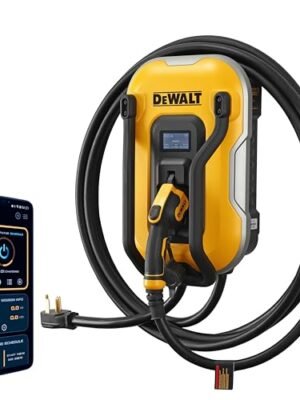
The DEWALT 40 Amp delivers reliable charging with jobsite-tough durability. Its 25-foot cable reaches easily but feels rigid in cold weather. Smart app features work well, though the ultra-short power cord limits mounting flexibility. Built for outdoor use with excellent weather resistance, it's a solid choice for homeowners prioritizing rugged construction and dependable daily EV charging.
PERSONALIZED EDITOR TAKE, 50 WORDS9:53 PMI've been using the DEWALT 40 Amp for three months, and it's been rock-solid through rain and cold. That cable's stiff, sure, but the rugged build and dead-simple app scheduling make my daily routine effortless. The short power cord was annoying during install, but overall? It just works, night after night.
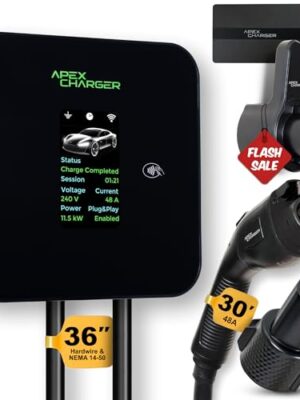
The ApexCharger MACH 1 EV Charger is a 48-amp Level 2 dual-connector charger supporting both J1772 and NACS EV charging. It features built-in Wi-Fi and Bluetooth, smart app control, and supports both NEMA 14-50 plug-in and hardwired installation.
The ApexCharger MACH 1 EV Charger is a high-performance 240V Level 2 EV charger that hits all the marks: fast charging, full EV compatibility, robust build quality, and intuitive smart features. Its dual-installation flexibility, built-in access control, and included Tesla adapter make it one of the most complete charging solutions on the market today.If you want a charger that’s built to grow with your EV ownership—whether for your first EV or your third—the MACH 1 delivers. For its price point and feature set, it’s one of the best 48 Amp EV chargers available in the market today.
Features
8.5
Real World Usage
9
Materials
8.5
Durability
8.5
Craftsmanship
8.5
Design
8.5
Monetary Value
8.5
Product Value
8.7
Brand Reputation
8.5
Expert Valuation
8.5
PROS:
Fast 48A Level 2 charging (11.52 kW)
Compatible with all EVs, including Tesla (NACS adapter included)
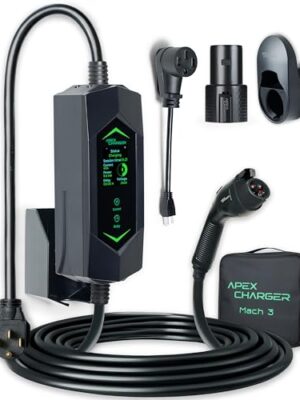
The ApexCharger MACH 3 EV Charger is a portable Level 1/2 dual-connector charger that supports both J1772 and NACS connectors. It features Wi-Fi app control, IP67 weather resistance, and pulsing LED indicators, making it a solid on-the-go and backup charging option.
Charging Speed:9.6 kW
Max Amperage:40 Amps
Charging Level:Level 1, Level 2
Connector Type:J1772, NACS
Cable Length:25 Feet
Connectivity:Bluetooth, Wi-Fi
Installation Type:NEMA 14-50, NEMA 5-15, NEMA 5-20
The ApexCharger MACH 3 EV Charger is the best option for EV drivers who want portability without sacrificing speed or smart features. With up to 40 Amps, dual-voltage input, Tesla compatibility, and a rugged, IP67-rated build, it beats most portable chargers on the market - especially in power and feature depth.While the ApexCharger MACH 2 is still the brand’s top-tier home unit, and the MACH 1 is the budget-friendly wall charger, the MACH 3 fills a different and crucial role: on-the-go charging wherever you need it, without calling an electrician.If you need a travel-ready backup or your lifestyle includes frequent road trips, the ApexCharger MACH 3 is one of the smartest, most reliable portable EV chargers available today.
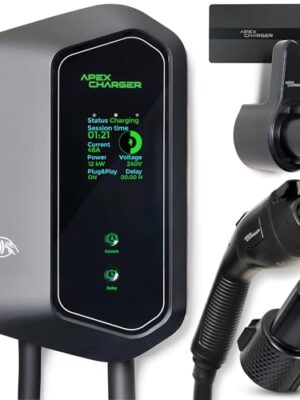
The ApexCharger MACH 2 EV Charger is a premium dual-connector 48A Level 2 charger featuring a 360° LED ring, a 5.7" smart display, Wi-Fi, app integration, and a rugged IP67-rated 30ft cable.
The ApexCharger MACH 2 blends fast 48A charging with sleek design and intuitive smart features. Its vivid display and LED ring elevate usability, though sunlight glare may affect visibility. Ideal for multi-EV households, it’s a solid pick, if you don’t need full Tesla app integration or a tight budget solution.
Features
8.7
Real World Usage
9
Materials
8.5
Durability
8.5
Craftsmanship
8.5
Design
8.5
Monetary Value
8.5
Product Value
8.7
Brand Reputation
8.5
Expert Valuation
8.5
PROS:
Fast 48A charging supports quicker EV top-ups.
Dual installation options: NEMA 14-50 plug or hardwired.
Bright 5" display and 360° LED ring enhance user feedback.
RFID access control adds security.
Compatible with both J1772 and Tesla (via adapter).
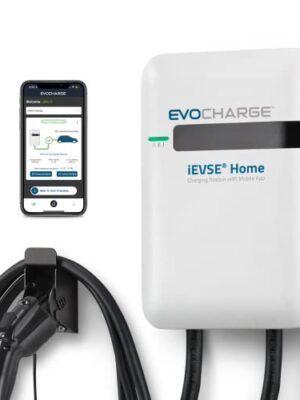
The EvoCharge iEVSE® Home 32 Smart Level 2 EV Charger offers up to 32 Amps of 240V charging, delivering up to 25 miles of range per hour. With WiFi connectivity, a 25-foot cable, and a NEMA 6-50 plug, it’s UL-listed for safety and suitable for both indoor and outdoor installations.
The EvoCharge iEVSE® Home 32 Smart Level 2 EV Charger is a reliable, easy-to-use, and energy-efficient solution for home EV charging, offering fast charging, Wi-Fi connectivity, and the potential for rebates.
Features
8
Real World Usage
8.5
Materials
8.5
Durability
9
Craftsmanship
9
Design
8
Monetary Value
8.5
Product Value
8.5
Brand Reputation
8
Expert Valuation
8.5
PROS:
Fast charging up to 8 times faster than Level 1 chargers.
Wi-Fi connectivity for easy scheduling and control via the Epic charging app.
Compatible with all North American EVs, including Tesla with J1772 adapter.
CONS:
Manufacturer support and warranty returns are no longer provided directly.
The Autel MaxiCharger Home EV Charger offers up to 50 Amps of 240V Level 2 charging with WiFi and Bluetooth connectivity for smart, remote control. Designed for both indoor and outdoor use, it features a 25-foot cable, a separate holster, and a rugged dark gray finish, ensuring durability and efficient charging.
Charging Speed:12 kW
Max Amperage:50 Amps
Charging Level:Level 2
Connector Type:J1772
Cable Length:25 Feet
Connectivity:Bluetooth, Cellular, Ethernet, Wi-Fi
Installation Type:Hardwired, NEMA 14-50, NEMA 6-50
Durable 25-foot cable with NEMA 4X protection for outdoor and indoor use.
Adjustable power output up to 50 Amps.
Reliable Wi-Fi, Bluetooth, and Ethernet connectivity for seamless updates.
Mobile app for tracking, scheduling, and optimization of charging.
Solid build quality with good customer support and a 3-year warranty.
Features
9
Real World Usage
9
Materials
8.5
Durability
8
Craftsmanship
8
Design
8.5
Monetary Value
8.5
Product Value
8
Brand Reputation
9
Expert Valuation
8
PROS:
App lacks intuitiveness, leading to confusion with scheduling features.
Charging history resets yearly with app updates.
Stiff charging cable is difficult to handle in cold weather.
No screen on the charger to display key details like power or duration.
CONS:
The Autel AC Elite EV Charger offers reliable performance with solid build quality and useful app features, though the app's confusing interface and cable stiffness in cold weather detract from its overall user experience. It’s a great choice for those seeking basic charging functionality and durability.
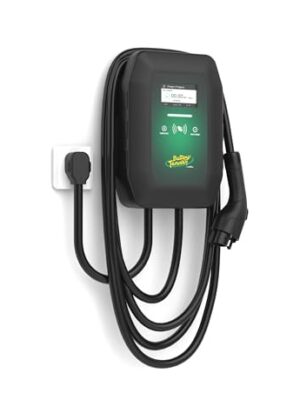
The Battery Tender eCharge 48 AMP EV Charger is a high-capacity Level 2 electric vehicle charger, optimized for 240V power to deliver rapid charging. Designed for both indoor and outdoor use, this powerful charger is ideal for high-demand EV charging scenarios, ensuring fast and reliable power for your electric vehicle.
The eCharge 48 AMP is a powerhouse with 48A output, designed for heavy-duty use, featuring durable materials, professional-grade craftsmanship, and fast charging speeds, its high price and complex installation are offset by unmatched performance, making it ideal for commercial or demanding residential EV charging needs.
Features
9.5
Real World Usage
9
Materials
8
Durability
8.5
Craftsmanship
8.5
Design
8.5
Monetary Value
6.5
Product Value
8.5
Brand Reputation
9
Expert Valuation
9
PROS:
Offers 48A output, providing the fastest charging times.
Suitable for heavy use and commercial applications.
Built to withstand tough conditions, both indoors and outdoors.
CONS:
The most expensive model in the Battery Tender EV chargers lineup.
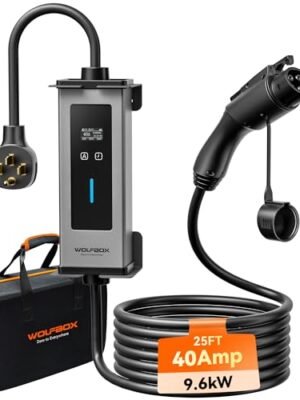
The WOLFBOX PE40 is a portable Level 2 charger delivering 40 amps and up to 9.6 kW with a J1772 connector. Its sleek design and 25-foot cable make it perfect for flexible, powerful charging at home or on the go for most electric vehicles.
The WOLFBOX PE40T provides portable, fast charging for Tesla owners with 40 amps, 9.6 kW output, and a built-in NACS connector. Compact and lightweight, it’s designed for easy use at home or on the road, ensuring Tesla compatibility without adapters.
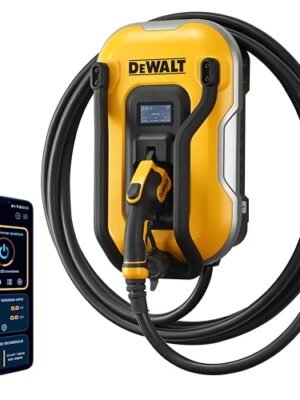
The DEWALT 48 Amp Level 2 EV Charger is a hardwired charging station delivering up to 11.5 kW of power at 240V. Designed for indoor and outdoor use, it features a rugged, weather-resistant enclosure and a 25-foot UL-certified cable for flexible vehicle access. With smart app control via Bluetooth and Wi-Fi, it offers convenient scheduling and remote monitoring, compatible with all SAE J1772 EVs for reliable, fast home charging.
The DEWALT 48 Amp Level 2 EV Charger excels in delivering fast, reliable charging with rugged durability and advanced safety features. Its smart app connectivity adds convenience for scheduling and monitoring. Best suited for EV owners seeking a hardwired, all-weather charger with robust build quality and remote control capabilities. Installation requires professional setup.
Features
8.5
Real World Usage
8
Materials
8.5
Durability
9
Craftsmanship
8
Design
8.5
Monetary Value
8.5
Product Value
8.5
Brand Reputation
9
Expert Valuation
8
PROS:
Fast charging up to 48A
Durable, weatherproof design
Bluetooth & Wi-Fi app control
Long 25-ft cable included
3-year warranty with support
CONS:
Requires professional installation
Tesla adapter sold separately
Not portable
The DEWALT EV Charger App can be complex
Higher price point compared to its rugged competitors
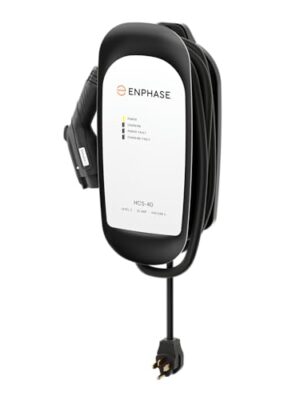
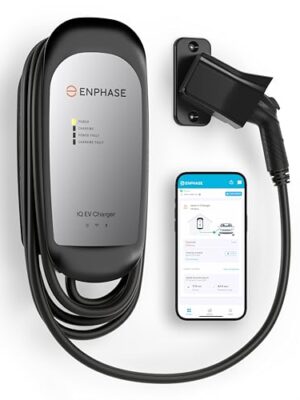
The Enphase 32 Amp Plug-in EV Charger (HCS-40) with NEMA 14-50 plug offers 7.7kW power for fast, reliable charging. Featuring a durable 25 ft cable and J1772 ruggedized connector, it ensures compatibility with all EVs. Backed by a 5-year warranty, this charger provides robust, long-term performance for home use.
Charging Speed:7.68 kW
Max Amperage:32 Amps
Charging Level:Level 2
Connector Type:J1772
Cable Length:25 Feet
Connectivity:Ethernet
Installation Type:Hardwired, NEMA 14-50, NEMA 6-50
The Enphase HCS-40 Level 2 EV Charger offers fast, safe charging with a durable design and easy installation. It works with all plug-in EVs and integrates with Enphase solar systems. While it’s pricier and has a tangling rubber cord, its reliability and performance make it a solid choice.
Features
8.5
Real World Usage
8.5
Materials
8
Durability
9
Craftsmanship
8
Design
9
Monetary Value
7.5
Product Value
8
Brand Reputation
8
Expert Valuation
9
PROS:
Fast charging up to 7.7 kW, seven times faster than Level 1 chargers.
ETL safety certified and ENERGY STAR rated for reliability.
Durable, weatherproof NEMA 4 enclosure.
Easy installation with NEMA 14-50R outlet and 40 Amp circuit.
Compatible with all plug-in EVs, ideal for models up to 7.7 kW.
Integrates with Enphase solar systems for eco-friendly charging.
Includes 5-year warranty and 24/7 support.
25-foot cable with storage options for convenience.
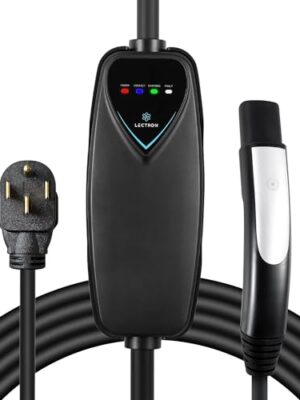
The Lectron Level 2 Tesla Portable Charger is a solid, affordable option for Tesla owners looking for a reliable, portable charging solution. While it lacks smart features and advanced functionality compared to Tesla's Wall Connector, it excels in delivering fast, safe, and convenient charging, making it an excellent choice for those seeking an efficient and cost-effective charger for their Tesla Models X/Y/3/S and the Tesla Cybertruck.
The Lectron Level 2 Tesla Portable Charger provides fast, reliable charging with a 16-foot cable and NEMA 14-50 outlet compatibility. It delivers up to 36 miles of range per hour, offering great performance for home or on-the-go use. The charger is safe, durable, and affordable, making it an excellent value.
Features
8.5
Real World Usage
7.5
Materials
8.5
Durability
7.8
Craftsmanship
9.2
Design
8.5
Monetary Value
8.5
Product Value
7.8
Brand Reputation
9.2
Expert Valuation
8.1
PROS:
Fast charging with up to 36 miles of range per hour.
Compatible with all Tesla models and NACS EVs.
Portable and lightweight design.
16-foot cable for flexibility.
Safe with overvoltage, overcurrent, and short circuit protection.
Affordable compared to Tesla-branded chargers.
Durable with IP65-rated control box and IP55-rated handle.
CONS:
Basic compared to Tesla’s more advanced Wall Connector and the Tesla Wall Connector
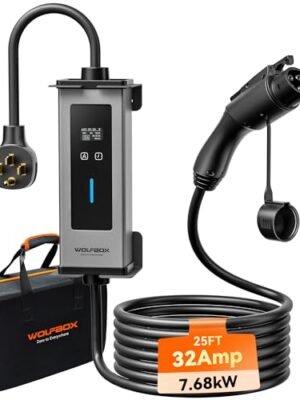
The WOLFBOX PE32 is a slim, portable Level 2 charger with a 32 amp output and a J1772 connector. Featuring a 25-foot cable and 7.68 kW power, it offers flexible, on-the-go charging for most electric vehicles and home use with easy portability.
The WOLFBOX PE32T offers portable Level 2 charging with 32 amps and a built-in NACS connector, made specifically for Tesla vehicles. With a 25-foot cable and 7.68 kW output, it’s ideal for Tesla owners seeking a compact, versatile charger for home or travel.
The Enphase IQ 50 40 Amp Smart EV Charger delivers 9.6kW of power at 240V with a hardwired installation and a 25ft cable. Featuring Wi-Fi connectivity, a ruggedized J1772 connector, and safety certifications, it ensures reliable, efficient charging. Backed by a 5-year warranty, it's ideal for home use and future-proofing.
Charging Speed:9.6 kW
Max Amperage:40 Amps
Charging Level:Level 2
Connector Type:J1772, NACS
Cable Length:25 Feet
Connectivity:Bluetooth, Wi-Fi
Installation Type:Hardwired, NEMA 14-50, NEMA 6-50
The Enphase IQ 50 EV charger is our favourite premium home EV charger with an overall score of 8.3. With its impressive combination of power, smart features, and a DIY-friendly plug-in option, the Enphase IQ 50 earns its place as a top contender for the best home EV charger. If you're looking for a powerful, user-friendly charger with advanced smart capabilities and a simple installation process, the Enphase IQ 50 is perfect for your EV charging needs.
Features
9
Real World Usage
8.5
Materials
8.5
Durability
8.3
Craftsmanship
8.5
Design
8
Monetary Value
7.5
Product Value
9
Brand Reputation
8
Expert Valuation
8
PROS:
Its compact size saves space in your garage and complements your home aesthetics.
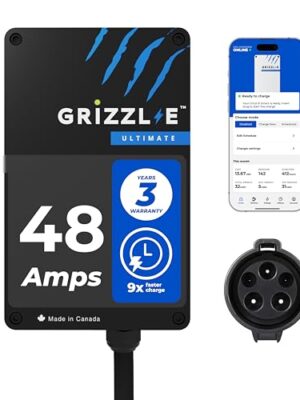
The Grizzl-E 48A Ultimate Level 2 EV Charger offers fast, efficient charging with a UL-tested, certified metal case. Designed for indoor and outdoor use, this hardwired station features a J1772 connector and a sleek black finish. With a maximum output of 48 amps, it provides reliable charging for all-electric vehicles, supporting 16A to 48A charging needs.
The Grizzl-E 48A Ultimate Level 2 EV Charger is a reliable and well-built product, offering efficient charging with a solid UL-tested metal case. The design is sleek, and it performs well across various amps (16A-48A). With strong brand reputation and excellent value, it provides good durability and craftsmanship for long-term use.
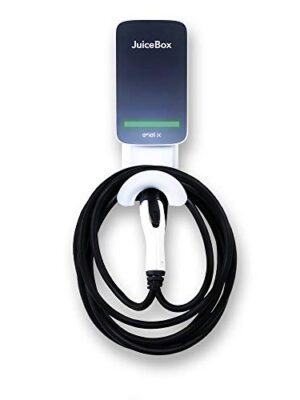
The JuiceBox 40 Smart EV Charging Station delivers 40 amps of Level 2 charging with a 25-foot cable and NEMA 14-50 plug. UL and Energy Star certified, it provides efficient, safe charging for both indoor and outdoor use. WiFi connectivity enables smart features for optimized performance and energy management.
The JuiceBox 40 used to be one of the best smart EV chargers you could buy. The hardware is still excellent, tough, powerful, and reliable. However, without company support and with the smart features failing, several scores have dropped. Features, real-world usage, product and monetary value, brand reputation, and expert valuation have all been negatively affected. Current owners can continue using their chargers without worry, but new buyers should consider other options that will receive support and updates for years to come.
Features
7.5
Real World Usage
8
Materials
9
Durability
8.5
Craftsmanship
8
Design
9
Monetary Value
8
Product Value
8
Brand Reputation
8
Expert Valuation
8
PROS:
Rugged build with excellent IP66 and NEMA 4X ratings for outdoor use
25-foot cable (longer than standard 18-20 feet)
40 amps and 9.6 kW output add about 30 miles of range per hour
Easy plug-in installation with NEMA 14-50 outlet
CONS:
The app has become buggy or non-functional since the company's exit
No customer support or warranty coverage available
Stiff, thick cable that's hard to coil in cold weather
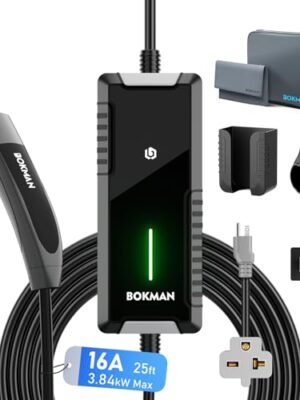
The Bokman Level 2 Mobile Charger delivers fast, efficient charging for Tesla vehicles, including Model 3/Y/X/S/Cybertruck. With a 16Amp power output and a 25ft cable, it features a NEMA 6-20 plug for Level 2 charging and NEMA 5-15 compatibility for Level 1, ensuring versatile, reliable performance at home or on the go.
Important Key Specs Table Legend:Level 1 = Level 1 only (120V). Level 1/Level 2 = dual-voltage portable (120V or 240V).
CSA Certified EV Chargers
CSA Certified EV chargers are units that have been independently tested and verified by the CSA Group (formerly the Canadian Standards Association) to meet rigorous North American safety and performance standards.
While the name sounds Canadian, CSA is a Nationally Recognized Testing Laboratory (NRTL) in the U.S., making its certification equivalent to UL listing for meeting OSHA safety requirements.
What CSA Certification Tests and How They Compare to UL
CSA certifies EV chargers to CSA C22.2 No. 280, which is harmonized with UL 2594 through the bi-national standards program between the U.S. and Canada. Hence, the testing covers the same safety domains: fault protection, thermal performance, connector safety, and environmental durability. Because the two standards are aligned, a product tested to one typically meets the other, which is why the dual UL/CSA mark appears on so many high-quality chargers.
The Cold Climate Testing Difference
Canadian climate requirements push CSA testing to colder temperature extremes than UL’s minimum requirements, since the standard has to cover installations from Vancouver Island to the Yukon. As a result, a charger tested specifically to CSA standards often has an operating range down to minus 40 degrees Fahrenheit, rather than the minus 22 that some UL-only units specify. For buyers in Minnesota, Wisconsin, Montana, and northern New England, that extra cold headroom translates to a charger that keeps functioning on the mornings when a lesser-rated unit might not.
Canadian Electrical Code Compliance
CSA certification verifies compliance with the Canadian Electrical Code (CEC C22.1) and the U.S. NEC, meaning a CSA-certified charger can be legally installed on either side of the border without requalifying the equipment. For homeowners with properties in both countries, this dual-code verification is the specific reason CSA certification matters rather than UL alone.
The Dual UL/CSA Pattern
Many premium EV chargers carry both UL and CSA marks because manufacturers selling in North American markets pay for a combined certification under the harmonized standards program, in which a single test session earns both marks. This dual listing is an administrative efficiency rather than additional safety testing, and a charger with both marks is not inherently safer than one with only UL or only CSA, since all three indicate that UL 2594 and CSA C22.2 testing were completed.
CSA Certified EV Charger Buyer's Guide
Because CSA and UL are equivalent safety marks, the buying decisions in this grid come down to cold-weather performance, Canadian code compliance, and feature set rather than safety differentiation, and the certification is really the baseline that every product here has already cleared.
Best for Cross-Border Homeowners
If you own property in both the U.S. and Canada, a CSA-certified charger eliminates any code-compliance questions at either location, as the certification covers both NEC and CEC requirements. The cleaner approach is to buy one charger with dual UL/CSA or single CSA certification and move it between properties rather than buying separate units for each location. A 240V dual-voltage portable charger, paired with the right adapter, makes that scenario practical.
U.S. Buyers in Northern States
For buyers in states that regularly see temperatures below- 20 degrees Fahrenheit, the CSA category offers more cold-rated options than the UL-only category because of the colder testing standards built into CSA. Look for chargers specifically rated to minus 40 degrees Fahrenheit, and cross-reference with our cold-weather EV charging guides for installation tips on maintaining performance in extreme cold.
Grizzl-E and Canadian Manufacturer Advantages
Grizzl-Eis one of the most prominent examples of a CSA-first manufacturer that earned a strong U.S. reputation through Canadian certification, having built its original product line to exceed CSA’s cold-climate requirements and then added UL certification for U.S. distribution. Because brands with CSA roots often engineer to tougher cold-weather standards as a starting point rather than as an add-on, the CSA category tends to over-index on cold-climate durability relative to the broader charger market.
How to Identify CSA Certified EV Chargers
Look for the CSA logo with a small “C” and “US” next to it, showing the charger meets safety standards for both Canada and the U.S. This mark is usually found on the product’s technical nameplate, often a silver or white sticker on the side or bottom. To confirm a charger’s certification, you can check the manufacturer’s listing on the official CSA Group database.
CSA Certified EV Charger Frequently Asked Questions
You’ve Got CSA Certified EV Charger Questions, We’ve Got Answers.
Is CSA Certified the Same as UL Certified?
From a legal standpoint, under U.S. code, yes, because CSA holds NRTL status under OSHA alongside UL and ETL, which gives the CSA mark identical legal standing under NEC 110.3(B). The testing standard CSA C22.2 No. 280 is harmonized with UL 2594, so the certification depth is equivalent even though the testing body is different.
Will U.S. Electricians Accept CSA Certification?
In nearly all U.S. jurisdictions,s yes, because licensed electricians are trained to recognize any OSHA-recognized NRTL mark as satisfying the code requirement, and CSA is one of those recognized marks. The rare exception is a jurisdiction that specifically names UL in its local code adoption, which is why checking with your AHJ before purchasing is always the cautious move.
Can I Use a CSA Certified Charger in Canada?
Yes, that is the primary purpose of the certification, since CSA C22.2 No. 280 verifies compliance with the Canadian Electrical Code. Confirm the specific listing covers CEC if a Canadian install is the use case, since some listings are U.S.-only and may not explicitly cover CEC compliance even when the standard is harmonized.
Why Do Some Chargers Show Both UL and CSA?
Because manufacturers selling in both the U.S. and Canadian markets pay for a combined certification round, where one test session earns both marks under the harmonized standards program. The dual listing is an administrative efficiency rather than additional safety testing, and the charger is equally safe with either or both.
Are CSA Certified Chargers Better in Cold Weather?
Often yes, because CSA testing applies colder temperature extremes than UL minimums, reflecting Canadian climate requirements, and chargers specifically tested and rated under CSA standards tend to carry operating temperature ratings down to minus 40 degrees Fahrenheit. For northern U.S. installations and Canadian properties, the CSA category provides more verified cold-climate options.
How Do I Verify a CSA Certification?
Find the CSA file number on the product label and search the CSA Online Certification Listings database at csagroup.org. A genuine certification returns the manufacturer, the product, and the standards covered. The database is free and public, and this two-minute check is the only way to confirm the mark is not counterfeit.
Does CSA Certification Qualify for U.S. Utility Rebates?
CSA alone does not qualify for most U.S. utility rebates, since those programs typically require ENERGY STAR certification rather than a safety certification. Some CSA Certified chargers also carry ENERGY STAR certification, and those are the ones that combine code compliance with rebate eligibility.
Is a CSA-Only Charger Acceptable for U.S. Home Installation?
Yes, because CSA is an OSHA-recognized NRTL mark that meets NEC 110.3(B) requirements as well as UL or ETL. A charger with only CSA certification is fully legally installable in U.S. residential settings, and any inspector who questions it can be shown documentation of CSA's NRTL status.
Can I Move a CSA Certified Charger Between the U.S. and Canada?
Suppose the charger is plug-in rather than hardwired, yes, as long as the voltage and NEMA plug match the outlet at each location. A dual-voltage portable with the right adapter kit is the most practical solution for buyers who charge in both countries, and the CSA certification means the equipment is code-compliant at both destinations.
We’ve arranged EV charger certifications around the five key safety marks commonly recognized in North America (CSA, ENERGY STAR, ETL, FCC, and UL) to make choosing easier. This helps you understand what each certification represents and how widely it’s accepted, so you can skip detailed research and buy with confidence. Our Home EV Charger Certifications guide covers all five marks side by side with verification steps for each.
We offer independent EV charger reviews and guides. CSA® is a registered certification mark of CSA Group. We are not affiliated with or endorsed by CSA Group.