We tested the best home solar EV chargers to identify the top options for charging your EV efficiently with solar energy at home.
Our guide compare solar compatibility, CT clamp and inverter integration, dynamic load balancing, smart charging features, installation flexibility, long term reliability, and overall value to help you choose the right solar EV charger for your home energy system.
If your home solar EV charger doesn’t include smart EV charging features that support off-grid EV charging or grid-tied EV charging with seamless solar integration, it may be time to consider an upgrade.
The market is full of home EV chargers with advanced features, performance claims, and technical details, which can feel overwhelming for EV owners who want to use their home solar systems for home solar EV charging.
If you want to charge your EV with the clean energy your solar panels produce, choosing the right charger can make a big difference. We created this guide to help U.S. homeowners find the best solar compatible EV chargers, understand how they work with home energy systems like Tesla Powerwall, Enphase, and Emporia Vue, and learn how features like dynamic load balancing and solar surplus charging can lower electricity costs. Whether your goal is to maximize self consumption, reduce grid dependence, or get more value from your rooftop solar system under today’s net metering policies, this guide will help you make an informed decision.
When choosing a home solar EV charger, consider your home solar system size, compatibility, charging speed, and integration with solar management systems. Level 1 chargers suit smaller setups (4–7 kW), while Level 2 chargers support larger systems (8–20 kW) with faster charging and smart features like load balancing and energy optimization.
After installing, testing, and gathering feedback on over 20 of the most popular home solar EV charging stations, we’ve selected the best ones for your off-grid, grid-tied, and small home solar EV charging systems.
Looking for specialized off-grid charging stations for off-grid solar EV home systems (microgrids), with smart features, strong security, and integration accessories for reliable off-grid use.
Summary of The Best Home Solar EV Chargers
Here is a list of the best home solar EV chargers that we will highlight in this review based on charging level, which depends on the solar system capacity:
Best Level 1 Solar EV Chargers List
(Small Scale and Portable Options)
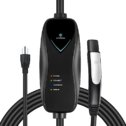
Lectron Level 1 Tesla Charger Review
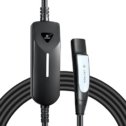
Lectron Level 1/2 Tesla/NACS Charger Review Best Overall
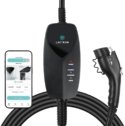
Lectron 12 Amp EV Charger (Wi-Fi/App) Review
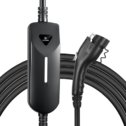
Lectron Level 1 / Level 2 EV Charger Review
Best Level 2 Solar EV Chargers List
(High Performance Integrated Options)
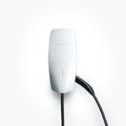
Tesla Universal Wall Connector Review Best Overall
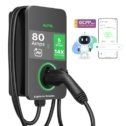
Autel MaxiCharger 80A EV Charger Review Best Smart Features

Tesla Gen 3 Wall Connector Review
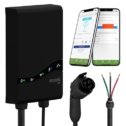
Emporia Pro EV Charger Review
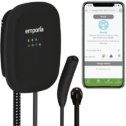
Emporia Level 2 Charger with NACS Review
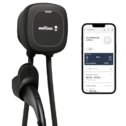
Wallbox Pulsar Plus 40-Amp EV Charger Review

Wallbox Pulsar Plus 48-Amp EV Charger Review
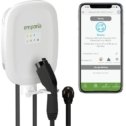
EMPORIA Level 2 EV Charger Review
Enphase IQ 50 EV Charger Review
Best Home Solar EV Chargers
In this guide, we’ll showcase the best home solar EV chargers we evaluated and tested during the design and installation of our own solar-powered EV charging system.
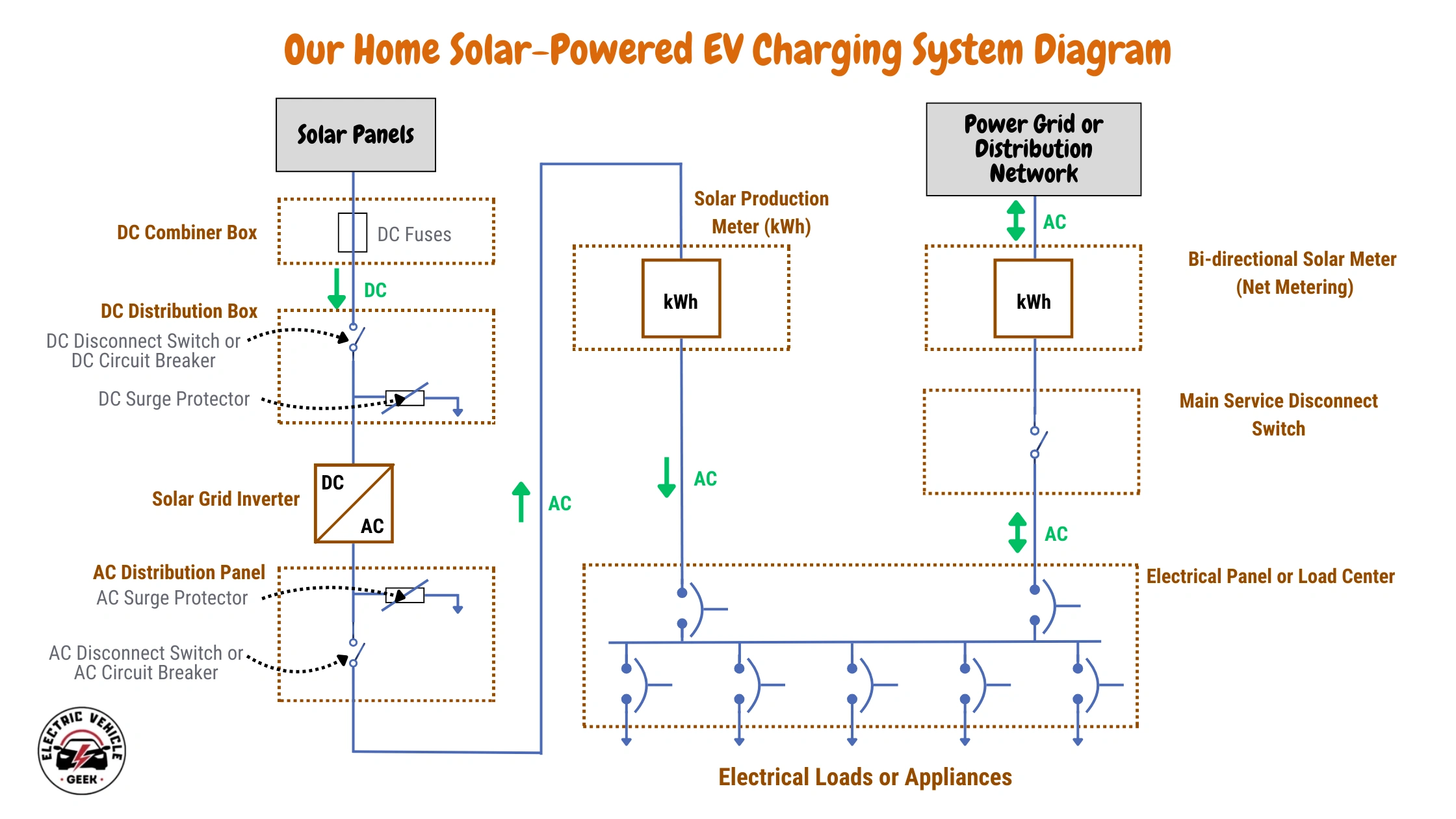
We’ll delve into the key features of each home solar powered charging station, highlighting what makes them ideal for solar-powered charging systems and their competitive advantages. This includes compatibility with solar EV charging accessories, unique installation requirements, benefits, and potential drawbacks. Our insights will help you make an informed decision tailored to your home solar system configuration.
It’s important to note that while our test results offer a reliable comparison of the best solar compatible EV chargers performance based on our specific home solar system configurations, your experience may vary depending on the unique specifications and setup of your home solar system.
We’ve organized the chargers by electric vehicle charging levels, starting with Level 1 home solar EV chargers (Learn more about Level 1 chargers) and followed by Level 2 home solar EV chargers (Learn more about Level 2 chargers).
Within each level, we further classify the chargers based on their EV charging plug and connector types to ensure compatibility with your vehicle, helping you navigate our comprehensive guide to the best home solar EV chargers with expert insights.
Selecting the Right Charging Level
The best home solar EV charger charging level depends on the size of your solar array and your home’s electrical infrastructure.
Level 1 Home Solar EV Chargers (120V)
Best suited for:
- Solar systems under 4 kW
- Homes without dedicated energy management systems
Typical characteristics:
- Charging power: 1.2 to 1.9 kW
- Adds approximately 4 to 5 miles of driving range per hour
- Does not support real time solar diversion
Level 2 Home Solar EV Chargers (240V)
Best suited for:
- Solar systems between 5 kW and 15+ kW
- Homeowners looking to maximize self consumption
Typical characteristics:
- Charging power up to 11.5 kW
- Supports dynamic amperage adjustment
- Continuously matches charging speed to changing solar production and household electricity demand
Best Level 1 Home Solar EV Charger
We recommend Level 1 home solar EV chargers if you need a portable solar charger, have a smaller home solar system (typically under 4 kW), or only have access to a standard 120 volt solar powered outlet. These chargers draw less power (typically 1.2–1.4 kW at 10–12 amps), making it easier to charge your EV using available solar energy without overwhelming a small solar array. While they charge more slowly, adding about 4–5 miles of driving range per hour, they are a practical and affordable option for light daily driving and smaller solar installations.
While Level 1 home solar EV chargers (also called dumb EV chargers) often lack advanced smart EV charging features, they are a cost-effective solution, with a lower price compared to Level 2 chargers. They are particularly suitable for homeowners who can manage their home solar circuit and solar EV charging through a separate solar energy management system, such as smart meters, ensuring efficient use of solar power without overloading the circuit.
Best Level 1 Solar Charger for Tesla (NACS)
Designed for smaller solar systems (4 kW–7 kW), this Level 1 Tesla NACS solar charger delivers 1.2–1.4 kW (10–12 amps) and provides 4–5 miles of range per hour, making it an excellent choice for Tesla owners seeking slow, efficient charging.
#1 Lectron Level 1 Tesla Charger
The Lectron Level 1 Tesla Charger is our top recommendation for Tesla solar EV charging, thanks to its low power draw, native Tesla compatibility (NACS), and built-in safety features. It delivers up to 1.65 kW (15 Amps at 120V) – a perfect match for overnight or extended solar EV charging on compact solar systems, especially those in the 4–7 kW range.
Lectron Level 1 Tesla Charger Review
This charger is compatible with all Tesla Model 3/Y/S/X and any vehicle using the North American Charging Standard (NACS). With a standard NEMA 5-15 plug and a 16-ft cable, it offers plug-and-play charging at any standard household outlet.
Designed for solar-powered homes, off-grid setups, or homes with limited panel capacity, the Lectron Level 1 Tesla Charger avoids overloading your system while providing 40–50 miles of range overnight, without requiring a costly 240V upgrade.
Safety is fully covered with FCC and ETL (UL2594) certifications and built-in protection against overvoltage, overcurrent, and short circuits – especially important when used with solar inverters or unregulated off-grid power sources.
For homeowners with low-powered solar systems or limited electrical capacity, the Lectron Level 1/2 Tesla/NACS Charger offers the perfect balance: low-amperage Level 1 charging for daily solar use, plus fast Level 2 charging via 240V NEMA 14-50 outlets or public charging stations when needed.
Lectron Level 1/2 Tesla/NACS Charger Review Best Overall
Best Level 1 Home Solar EV Charger (J1772)
Ideal for compact solar systems (4–7 kW), this Level 1 J1772 solar EV charger operates at 1.2–1.44 kW (10–12 amps at 120 volts) and delivers 4–5 miles of range per hour, making it a reliable, affordable choice for non-Tesla EV owners.
#1 Lectron Level 1 EV Charger (J1772)
If you need a low-amperage Level 1 EV charger with smart features for solar EV charging load management, the Lectron 12 Amp Level 1 EV charger is a top choice. It delivers 1.44 kW using just 12 amps on a standard 15-amp circuit – ideal for solar systems, off-grid setups, and homes with limited electrical capacity.
Lectron 12 Amp EV Charger (Wi-Fi/App) Review
The Lectron 12 Amp Level 1 EV charger is a next-generation upgrade designed with energy efficiency in mind. Compared to the previous Lectron 16 Amp EV charger model, its lower power draw makes it especially suitable as a plug-in hybrid solar charger for residential solar systems, where energy production can vary throughout the day. By drawing just 12 amps continuously on a standard 15-amp circuit, it minimizes the risk of overloading smaller solar setups or low-capacity electrical panels, making it ideal for solar-powered and energy-constrained environments.
In our tests, the Lectron 12 Amp Level 1 EV charger performed flawlessly across multiple scenarios – including a standard 120V NEMA 5-15 wall outlet, a portable solar generator, and a dedicated solar EV charging system. It showed no signs of overheating, voltage drop, or charging issues, even during extended sessions. With a consistent 12-amp draw, it’s ideal for homes with high electrical loads, low-capacity panels, or limited 15-amp circuits.
The Lectron 12 Amp Level 1 EV Charger stands out among competing Level 1 chargers as one of the few with built-in smart functionality. This makes it especially valuable for solar EV charging setups and budget-conscious EV owners. Through the Lectron App, users can monitor electricity consumption, schedule charging sessions, and optimize energy usage for greater efficiency and cost savings.
When connected to the grid, scheduling lets you take advantage of off-peak electricity rates to lower charging costs. For solar setups, the scheduling feature allows you to charge only when your system is generating excess energy, maximizing renewable energy usage and minimizing reliance on the grid.
Certified to meet FCC and ETL (UL2594) standards, the Lectron 12 Amp charger includes essential safety protections, such as overvoltage, overcurrent, and short-circuit safeguards. These are especially critical when charging from basic or unmanaged energy sources like solar setups or portable power stations.
For solar EV charging at home and faster charging on the go, the Lectron Level 1 / Level 2 EV Charger is a versatile option.
Lectron Level 1 / Level 2 EV Charger Review
It’s ideal for users who need a low-amperage Level 1 EV charger for solar or limited-capacity home setups, but also want the flexibility of a powerful Level 2 charger when a 240V outlet or public NEMA 14-50 connection is available.
This model includes all the smart features found in the Lectron 12 Amp Level 1 charger, plus dual-voltage support (120V / 240V) with 12A and 40A charging options. It comes with a 16-foot cable, swappable NEMA 5-15 and 14-50 plugs, and universal J1772 compatibility, making it a smart choice for EV owners who charge from multiple sources, including solar.
Best Level 2 Home Solar EV Charger
We highly recommend Level 2 home solar EV chargers if you have a larger home solar system or need faster charging speeds. These chargers typically require more power (7.2–19.2 kW, 30–80 amps at 240 volts) and offer faster charging rates (typically 25–70 miles of range per hour), making them ideal for larger home solar systems.
Level 2 Home Solar EV chargers are equipped with advanced smart EV charging features such as load balancing, scheduled charging, and performance monitoring. These capabilities optimize solar energy usage and enhance charging efficiency.
For homeowners with an existing solar management system, Level 2 chargers can be seamlessly integrated, offering dedicated solar EV charging management that maximizes energy optimization and provides superior control over your solar-powered EV charging.
For homeowners without a solar management system, a Level 2 EV charger can still manage your solar EV charging branch circuit effectively using its smart EV charging features, ensuring efficient use of solar energy while providing robust control over your charging process.
Best Level 2 Solar Charger for Tesla (NACS)
Perfect for larger solar systems (8 kW–20 kW), this Level 2 Tesla NACS solar charger supports 7.2–19.2 kW (30–80 amps at 240 volts) and provides 25–70 miles of range per hour, delivering fast, efficient charging for Tesla owners with higher energy demands.
#1 Tesla Universal Wall Connector (Best for Powerwall Ecosystems)
The Tesla Universal Wall Connector is our top recommended Level 2 solar home charger for Tesla vehicles. However, to enable smart EV charging management – especially for solar EV charging integration management, you’ll need to pair it with the Tesla app and connect it to a Tesla Powerwall with an integrated solar EV charger inverter or a compatible third-party energy management system, such as Neurio.
Tesla Universal Wall Connector Review Best Overall
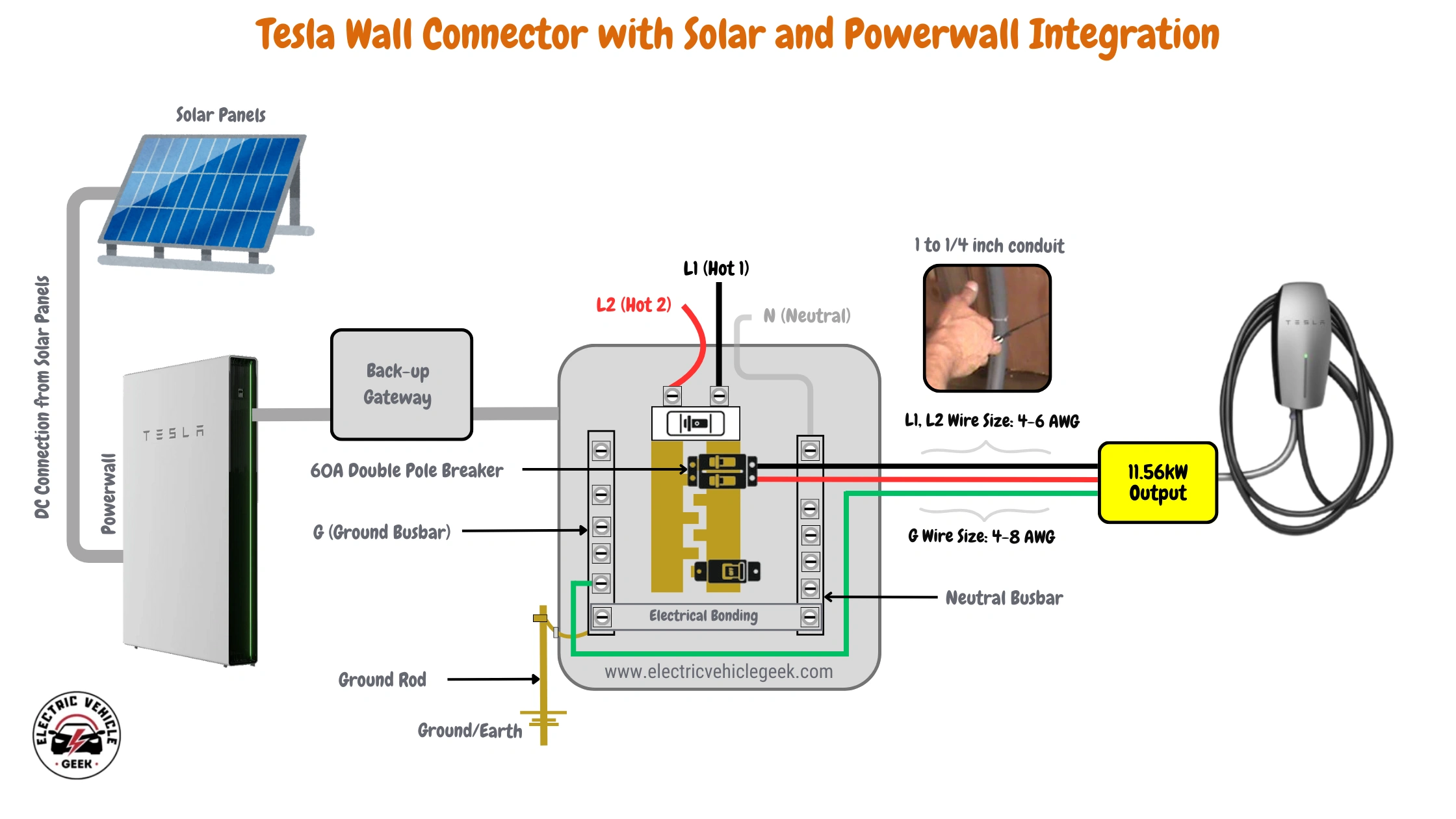
The diagram below shows our electrical wiring for Tesla Universal Wall Connector integration with solar panels and Powerwall.
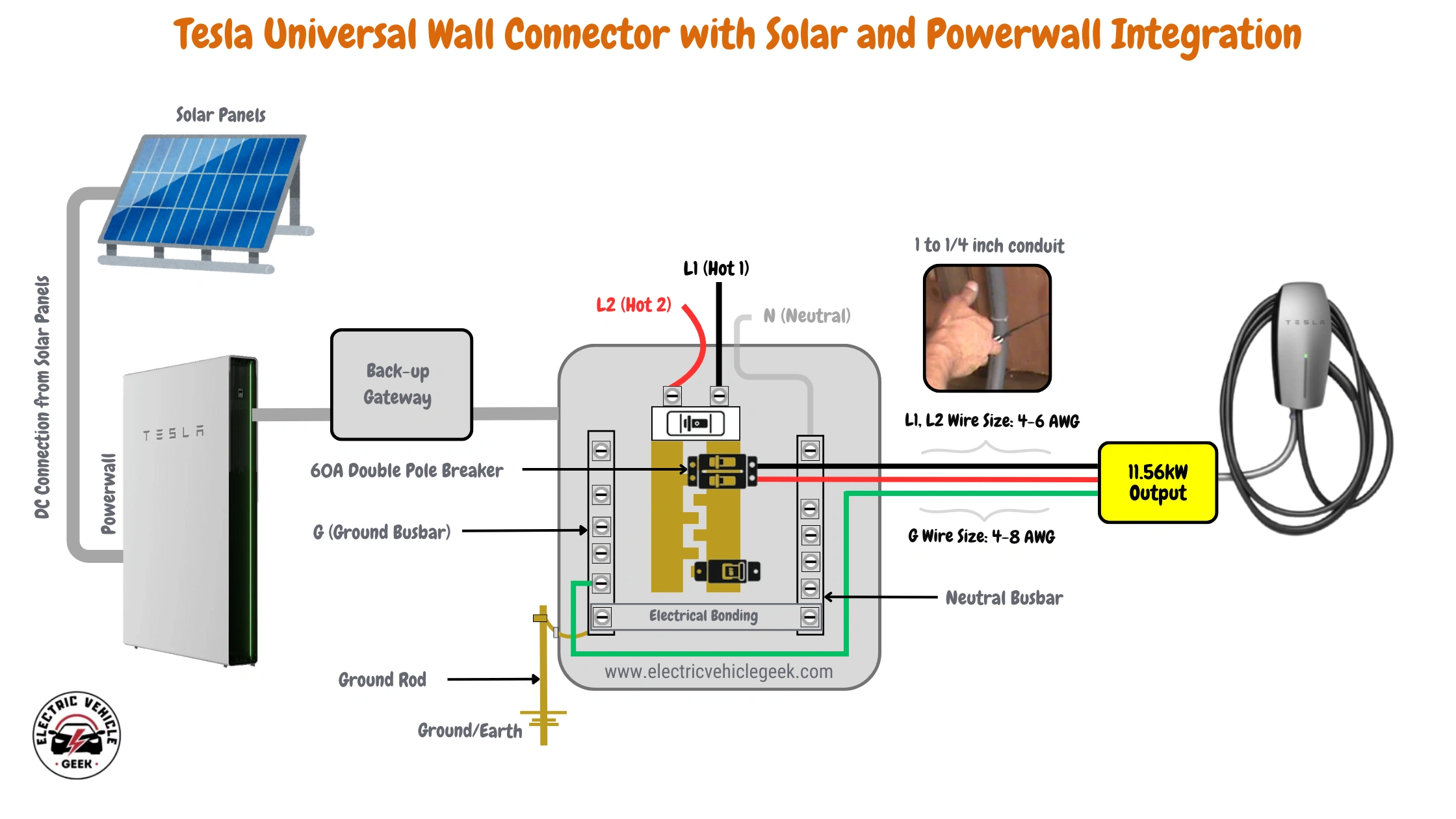
As shown in the wiring diagram above, the Tesla Universal Wall Connector is designed to support a maximum output of 48 amps when installed on a 60-amp circuit breaker, delivering up to 11.5 kW of charging power.
The high energy demands of the Tesla Wall Connector make it ideal for large home solar systems capable of providing high power up to 48 amp circuits to the Wall Connector. For medium and small solar systems, the Wall Connector offers adjustable amperage settings ranging from 12 to 48 amps, enabling seamless integration with your system’s power capacity and optimizing energy usage efficiently.
The Tesla Universal Wall Connector also supports bidirectional EV charging with vehicle-to-grid (V2G) technology, allowing electric vehicles such as the Tesla Cybertruck to send power back to the grid. V2G enables EVs to function as energy sources, not just consumers. When paired with renewable energy sources like solar and wind for EV charging, bidirectional charging enhances grid stability, supports peak demand, and maximizes the use of clean energy.
Heading into 2026, the Tesla Universal Wall Connector continues to justify its top position largely due to sustained firmware refinement rather than headline hardware changes. Across firmware releases from 25.10.0 through 25.42.2, Tesla has clearly prioritized real-world solar charging behavior.
2025 updates focused on stabilizing the load management logic, while later releases (particularly 25.42.1 and the 25.42.2 hotfix) addressed edge-case issues in power sharing and scheduling that directly affected solar-first charging strategies. These fixes significantly reduced instances where chargers would draw grid power prematurely instead of waiting for surplus solar availability.
What sets the Tesla Universal Wall Connector apart is how well it integrates with Tesla’s energy system. Paired with Tesla Powerwall 2 or Tesla Powerwall 3, extra solar power is managed smoothly, with seamless transitions between EV charging, battery storage, and grid use. Powerwall 3’s built-in inverter responds faster, while the Tesla Gateway handles islanding, load control, and app-based “Charge on Solar” with minimal interruptions.
For homes with limited solar battery capacity and multiple EVs, especially off-grid EV charging setups, multiple Tesla Universal Wall Connector units can be daisy-chained on a single circuit, a setup feature unique to the Tesla Universal Wall Connector, as shown in the diagram below.
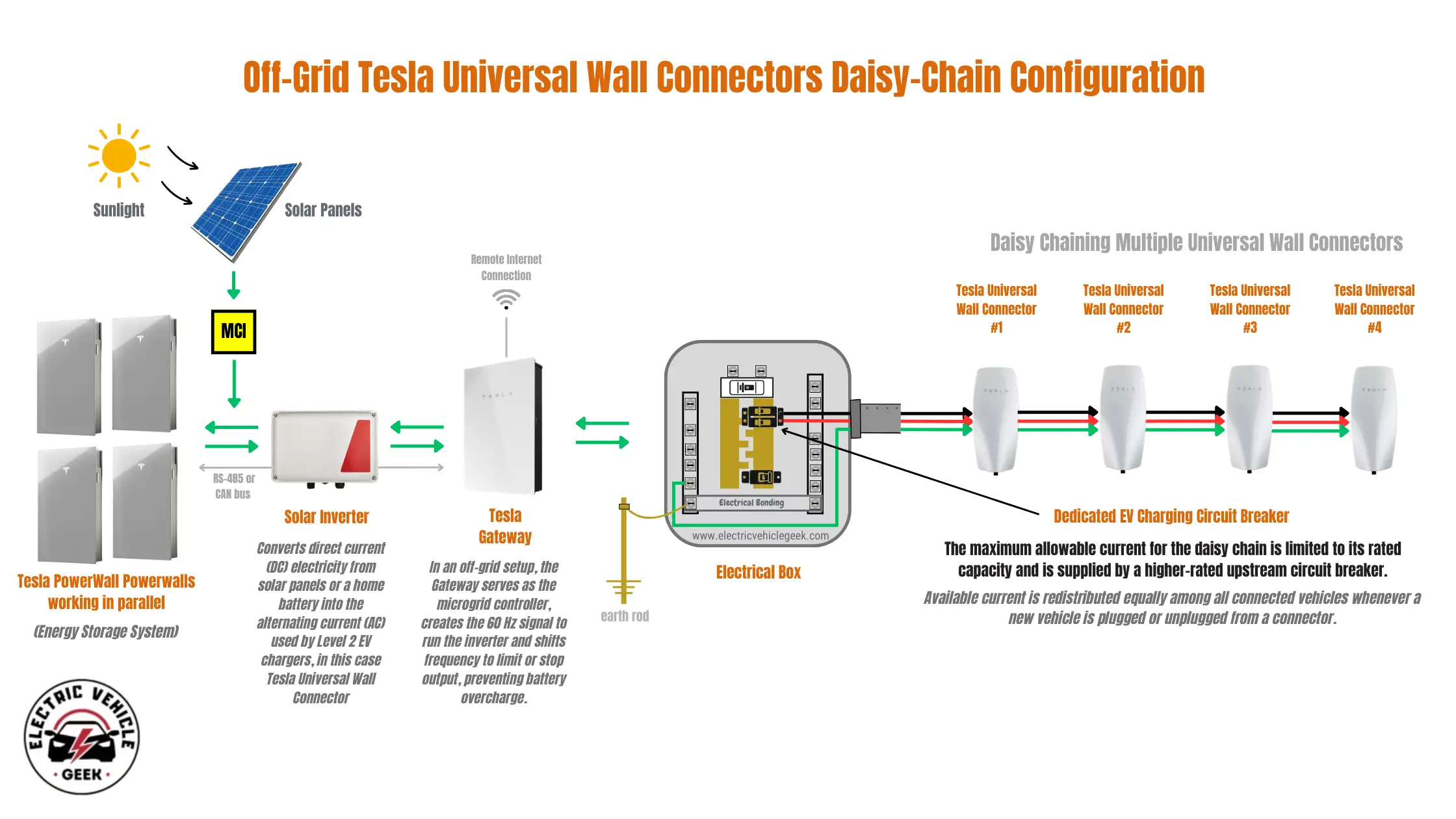
This built-in capability allows the Tesla Universal Wall Connector to communicate and share available power evenly, preventing battery overload while supporting several vehicles efficiently, while also reducing installation costs compared to other EV charging setups that require a dedicated circuit for each charger.
Resources
#2 Tesla Gen 3 Wall Connector
The Tesla Gen 3 Wall Connector is our second runner-up Level 2 solar charger for Tesla vehicles, just behind the Tesla Universal Wall Connector. To enable solar EV charging management with the Gen 3, you’ll need to install and pair it with the Tesla app, along with a Tesla Powerwall or compatible third-party controller.
Tesla Gen 3 Wall Connector Review
Similar to the Tesla Universal Wall Connector, we installed the Tesla Wall Connector on a dedicated 60-amp circuit breaker, as shown below, to support its maximum output of 48 amps. This configuration delivers a charging power of up to 11.5 kW, ensuring fast and efficient EV charging.
The Tesla Gen 3 Wall Connector holds its 2026 position not by matching the Universal model’s ecosystem depth, but by demonstrating meaningful firmware maturity that improves solar charging reliability in mixed setups.
2025 Tesla Wall Connector Firmware updates spanning 25.10.1 through 25.18.0, followed by the latest 25.42. The X series addresses long-standing timing and connectivity issues that previously limited its effectiveness in solar-assisted environments. Earlier builds occasionally struggled with delayed schedule recognition or inconsistent Wi-Fi recovery after grid fluctuations, both critical for solar-dependent charging. Those behaviors have steadily improved.
More importantly, Tesla’s firmware direction suggests a deliberate effort to harmonize Gen 3 behavior with Powerwall-managed homes, even when the charger itself lacks native solar metering. When used alongside the Tesla app and Gateway, Gen 3 now responds more cleanly to surplus solar windows, avoiding unnecessary ramp-ups during low-production periods. The improvements are subtle but noticeable over time: fewer aborted sessions, more stable current throttling, and better adherence to user-defined charging rules.
While it doesn’t offer the same universal vehicle compatibility or future-proofing as the Universal Wall Connector, the Gen 3’s continued firmware support ensures it remains a viable solar-aware charger in 2026. For existing Tesla owners with solar already in place, these updates extend the charger’s relevance well beyond its original design intent.
#3 Emporia Level 2 Charger with NACS
Our third best Level 2 solar charger for Tesla is the Emporia Level 2 charger with NACS, the Non-Tesla brand Level 2 charger is on top of the best Level 2 solar charger for Tesla list due to its compatibility with the Emporia Vue home energy management system, which allows you to schedule charging, track energy use, automate charge reduction for peak demand and time-of-use and solar only charging in the Emporia app.
Emporia Level 2 Charger with NACS Review
The diagram below illustrates the installation of the Emporia Level 2 Charger with NACS and the Emporia Vue Home Energy Management System in our home solar setup, designed to monitor and manage solar EV charging.
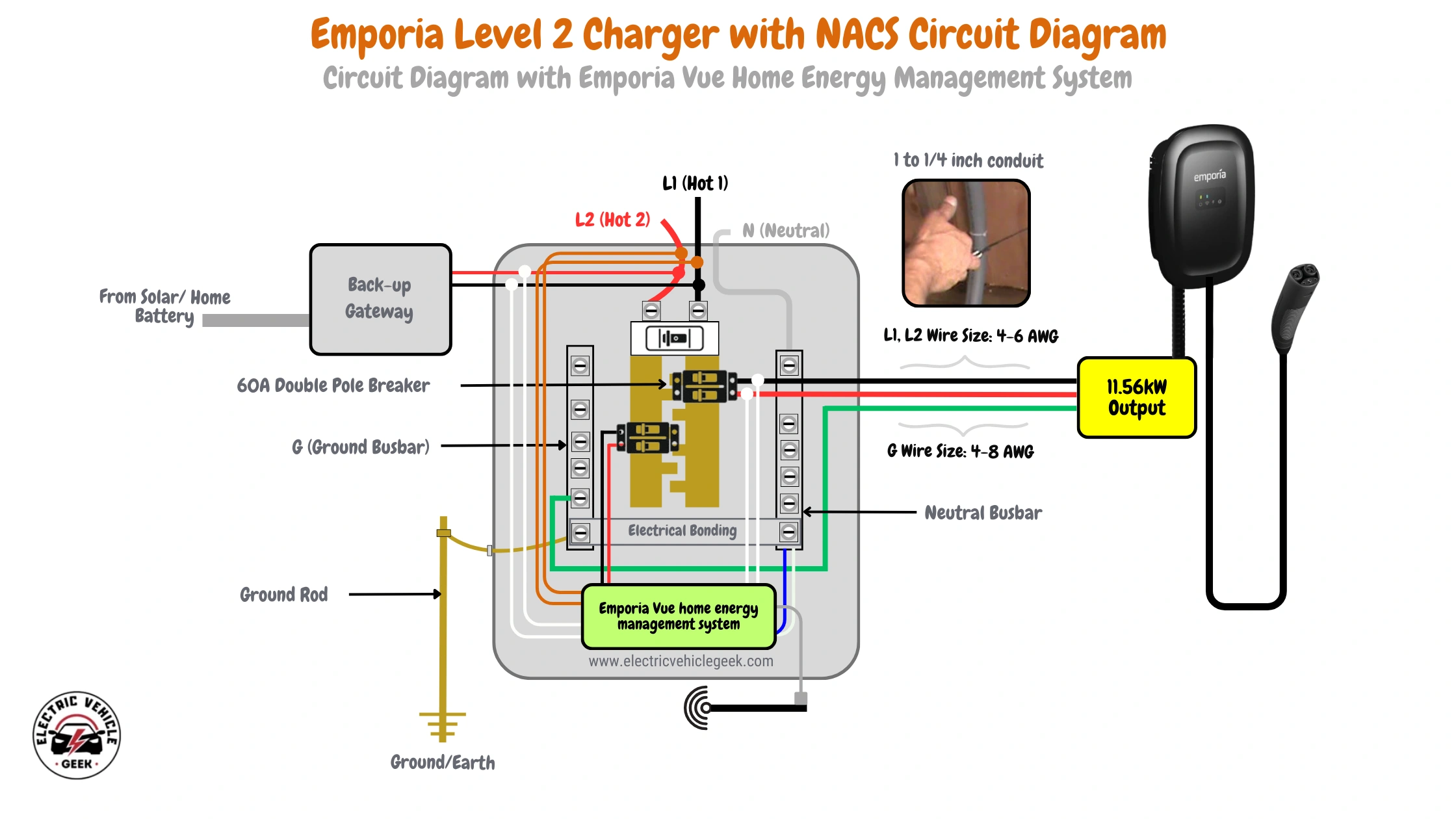
The circuit diagram shows the electrical connections for the Emporia Level 2 Charger, integrated with the Emporia Vue system. Additionally, the diagram highlights the wiring for the Emporia Vue Home Energy Management System, and the EV charger, wire gauges, grounding system, and conduit are also shown. The dedicated circuit breaker is rated for 60 amps, ensuring proper energy distribution while maintaining safety and optimal performance for the system.
As shown in the circuit diagram above, the Emporia Level 2 Charger with NACS is suitable for both small, medium, and large home solar systems. It supports adjustable amperage settings ranging from 6 amps to 48 amps, allowing it to seamlessly match the power requirements of your EV charger with the capacity of your solar system, whether for a smaller or larger setup.
Best Level 2 Home Solar EV Charger (J1772)
Compatible with larger solar systems (8 kW–20 kW), this Level 2 J1772 solar EV charger operates at 7.2–19.2 kW (30–80 amps at 240 volts) and delivers 25–70 miles of range per hour, making it an ideal choice for non-Tesla EV owners seeking quick and efficient solar-powered charging.
#1 Autel MaxiCharger 80A EV Charger (Best for Standalone Dynamic Load Balancing)
The Autel MaxiCharger 80A is a powerful, solar-ready Level 2 EV charger designed for homeowners who want smart energy control and future-ready technology, integrating solar and storage for a seamless energy solution. Delivering up to 80 amps (19.2 kW), it’s one of the most advanced home AC EV chargers for off-grid EV charging and grid-tied EV charging.
Autel MaxiCharger 80A EV Charger Review Best Smart Features
This charger supports Open Charge Point Protocol (OCPP) 2.0.1 and ISO 15118. Whether you’re charging with excess solar energy or preparing for energy export, it integrates seamlessly with solar EV charging components and smart home systems.
With built-in Wi-Fi and Ethernet, the Autel MaxiCharger 80A connects to the Autel Cloud or third-party platforms, giving homeowners full control through the Autel Charge app. You can remotely start or stop charging, set smart schedules, receive real-time energy monitoring and usage alerts, and optimize charging using solar energy through its green electricity mode. It also supports adaptive load management to ensure safe operation with your home’s electrical panel and integrates easily with smart home automation systems.
Why It Stands Out for Solar Users
The Autel MaxiCharger uses AI-driven algorithms to make your EV charging smarter and cheaper. It constantly monitors your home’s solar panels and electrical usage, then automatically adjusts charging speed to maximize free solar energy. The system learns when electricity rates are lowest and can schedule charging during off-peak hours to save you money.
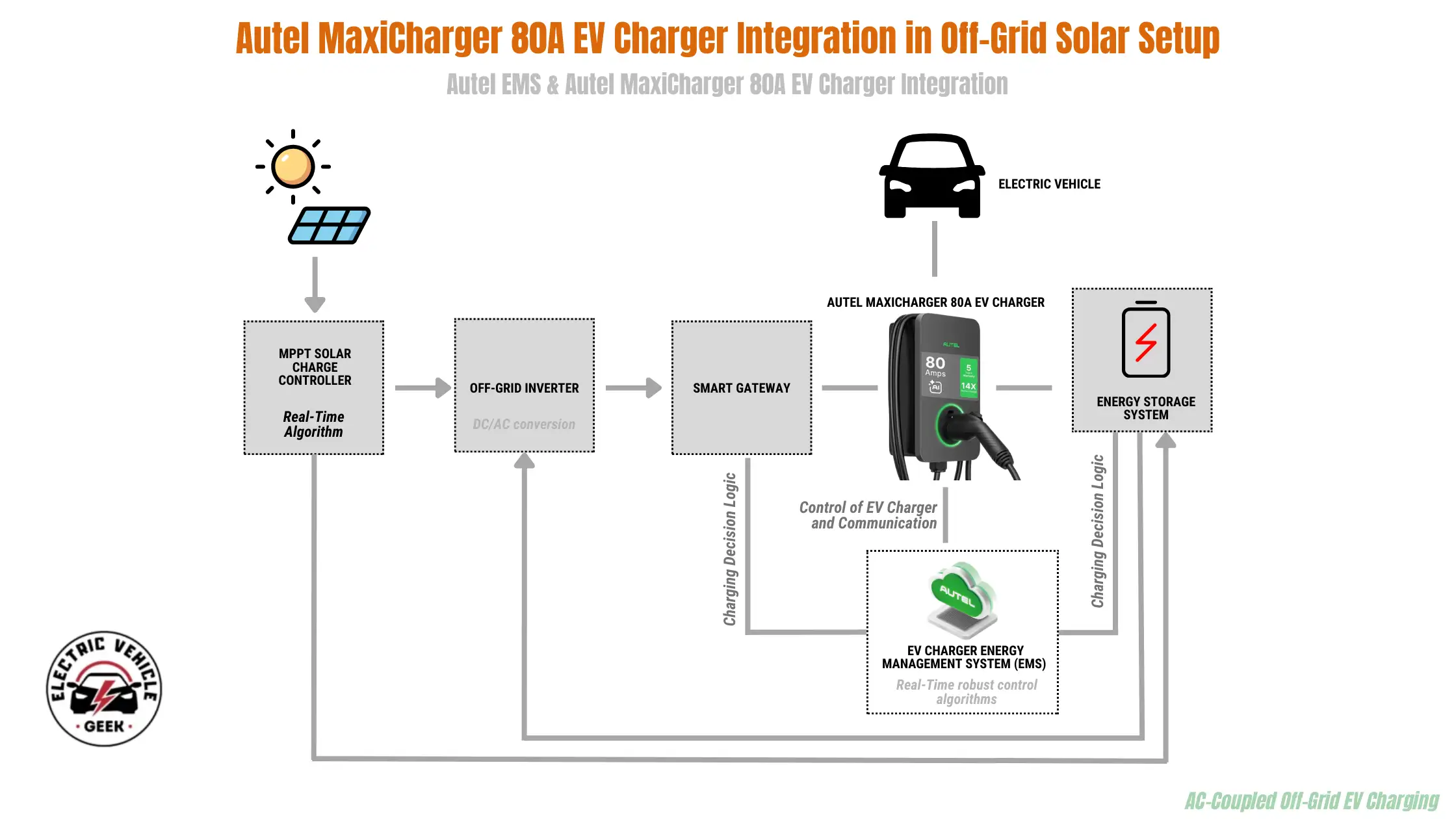
Autel’s Energy Management System (EMS) acts as the brain behind your charging setup. It uses smart switching algorithms to balance power between your EV, solar panels, and home appliances. The EMS ensures you’re using the greenest, cheapest energy source available at any moment while keeping your electrical panel safe from overloads.
Smart safety features protect both your car and your home. The AI predicts problems like overheating before they happen, keeping your equipment safe and reducing repair costs. Dynamic load balancing intelligently shares power between your EV charger and other appliances, so nothing gets overloaded even when multiple devices run at once.
The technology also watches your EV battery’s health in real time. Cloud monitoring tracks your battery’s condition and sends early warnings if it detects potential issues. This helps your battery last longer and prevents unexpected problems.
You control everything through the Autel Charge mobile app. Schedule charging sessions, check how much energy you’re using, and monitor your car from anywhere. Some models even include voice control, so you can start or stop charging just by speaking. Advanced models support Plug & Charge technology, just plug in your car, and it automatically starts charging without any extra steps.
#2 Emporia Pro EV Charger (Best Whole Home Value Integration)
The Emporia Pro EV Charger stands out as an excellent choice for homeowners looking for a high-performance, solar-integrated charging solution. With its ability to deliver up to 48A (11.5kW) of power, the Emporia Pro is ideal for efficiently charging electric vehicles, especially when paired with solar systems.
Emporia Pro EV Charger Review
The integration of PowerSmart Load Management via the Vue 3 Home Energy Monitor allows homeowners to track and optimize energy consumption, making it an excellent fit for solar EV charging. This system adjusts the charging speed based on your home’s energy load, ensuring that your electrical panel isn’t overloaded while maximizing charging efficiency.
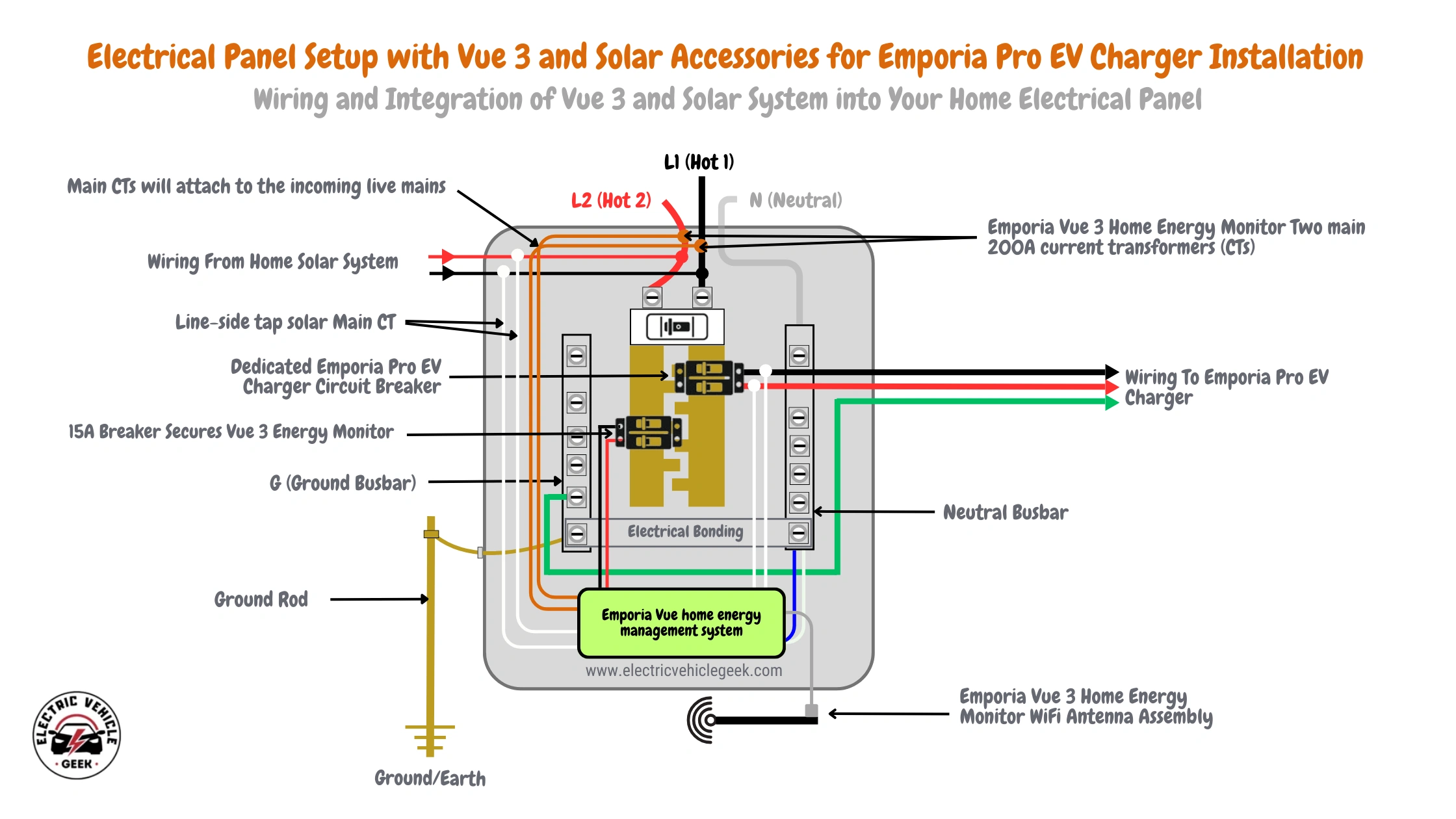
When compared to the Tesla Universal Wall Connector, the Emporia Pro offers similar performance in terms of charging speed but comes with additional solar and load management benefits integrated with the EV charger.
Tesla’s Universal Wall Connector is a high-quality, bi-directional charging option, offering savings through using your vehicle’s battery for home energy storage. However, it requires the additional cost of a Tesla Powerwall for full dynamic load management, making it more expensive. In contrast, the Emporia Pro includes integrated load management, providing an efficient solution without the need for extra equipment.
In comparison with the Emporia Level 2 EV Charger, the Pro version takes charging to the next level with enhanced features like PowerSmart Load Management and the ability to charge at a higher power rating of 48A. The Level 2 charger is a great entry-level option, delivering 40A at a more affordable price point, but lacks the advanced load management features of the Pro model.
For homeowners aiming to futureproof their charging setup with solar integration and smarter energy use, the Emporia Pro offers more comprehensive benefits and saving costs of more than $1000 for a load management device.
#3 Wallbox Pulsar Plus 40-Amp EV Charger (Best for Precise Solar Redirection)
The Wallbox Pulsar Plus 40-Amp Level 2 EV Charger delivers up to 9.6kW of power, providing fast and efficient electric vehicle charging. When paired with a Wallbox energy meter, the charger unlocks advanced solar EV charging management features. These include Eco-Smart for solar-based charging in Full-Green or Eco modes, as well as Power Boost for dynamic adjustments that prevent electrical overload, ensuring optimal efficiency and safety.
Wallbox Pulsar Plus 40-Amp EV Charger Review
When paired with the optional Wallbox Power Meter, the Pulsar Plus 40-Amp charger unlocks the full potential of Eco-Smart solar functionality.
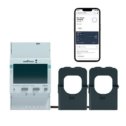
Wallbox Power Meter Review
This feature allows the charger to prioritize energy from your solar panels, reducing reliance on grid power and helping you maximize the benefits of your home’s solar system. It automatically adjusts to ensure that your EV is charged with solar energy whenever possible, making it an eco-friendly and energy-efficient solution for green-minded users.
With built-in WiFi and Bluetooth connectivity, the Pulsar Plus 40-Amp charger offers full control via the myWallbox app. This allows you to monitor charging sessions, set schedules, and customize the charger’s behavior to suit your needs. Additionally, it integrates seamlessly with smart home systems, allowing voice control through Alexa and Google Home.
Unlike the hardwired version, the Pulsar Plus 40-Amp can be easily plugged into a NEMA 14-50 outlet, making it a portable option for those who want flexibility in their charging setup. This design allows you to take the charger with you, ideal for those who may want to use it at different locations or when traveling. With adjustable amperage settings ranging from 16A to 40A, this portable charger is adaptable to various home electrical configurations, working seamlessly with both small and large solar systems.
#4 Wallbox Pulsar Plus 48-Amp EV Charger (Best for Precise Solar Redirection)
The Wallbox Pulsar Plus 48-Amp Level 2 EV Charger is our runner-up for the Best Level 2 Home Solar EV Charger. This hardwired charger delivers 11.5kW charging and offers solar management features, easily activated via the “My Wallbox App” with the professional installation of a power meter kit.
Wallbox Pulsar Plus 48-Amp EV Charger Review
What we liked about the Wallbox Pulsar Plus is the app, ‘My Wallbox’ (or just ‘Wallbox’), which gets regular updates. We use it all the time to manage both our EV charging and home solar system. The app lets us charge smartly, schedule charging to take advantage of off-peak rates, and monitor everything from one platform. It makes managing energy much easier.
We paired the Wallbox Power Meter with the Pulsar Plus to unlock full Eco-Smart solar functionality. This feature prioritizes solar energy for EV charging and balances solar and grid power for the best efficiency. Whether charging in the daylight or at night, it ensures energy use is always sustainable.
Wallbox Power Meter Review
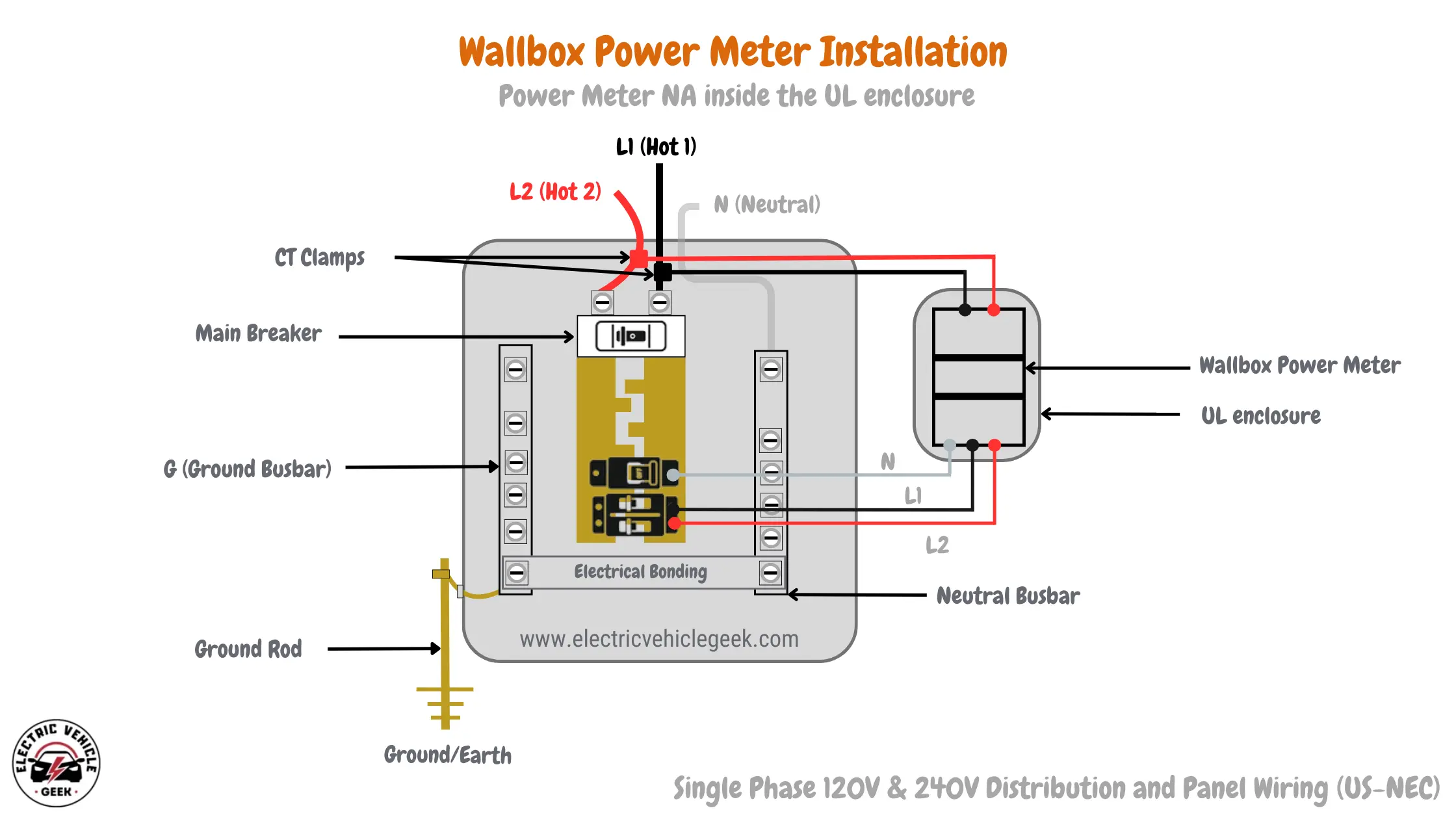
The Wallbox Power Meter is a smart energy management solution (EV charging load management system) designed for use with Pulsar Plus chargers. It supports seamless integration, allowing the charger to prioritize solar energy and balance power from both the grid and your solar system. Installation is straightforward, and the power meter comes with two CT clamps for easy setup on electrical panels up to 250 amps, ensuring compatibility with a wide range of home systems.
As shown in the diagram below, the installation of the Wallbox Power Meter is straightforward and is designed for seamless integration with your Pulsar Plus charger.
Wallbox Pulsar Plus 48-Amp Level 2 EV Charger is designed to handle the high charging demands of modern EVs, offering fast and reliable charging for today’s advanced vehicles and compatibility with future EVs. With advanced dynamic load management, it adjusts its output based on your home’s real-time energy usage, protecting your electrical system from overload and maximizing the benefits of solar energy.
The Pulsar Plus features adjustable capacity settings from 16A to 48A, making it suitable for both small and large solar systems. It also integrates with Alexa and Google Home for convenient voice control. Hardwired for durability, it is an ideal solution for solar-powered EV charging.
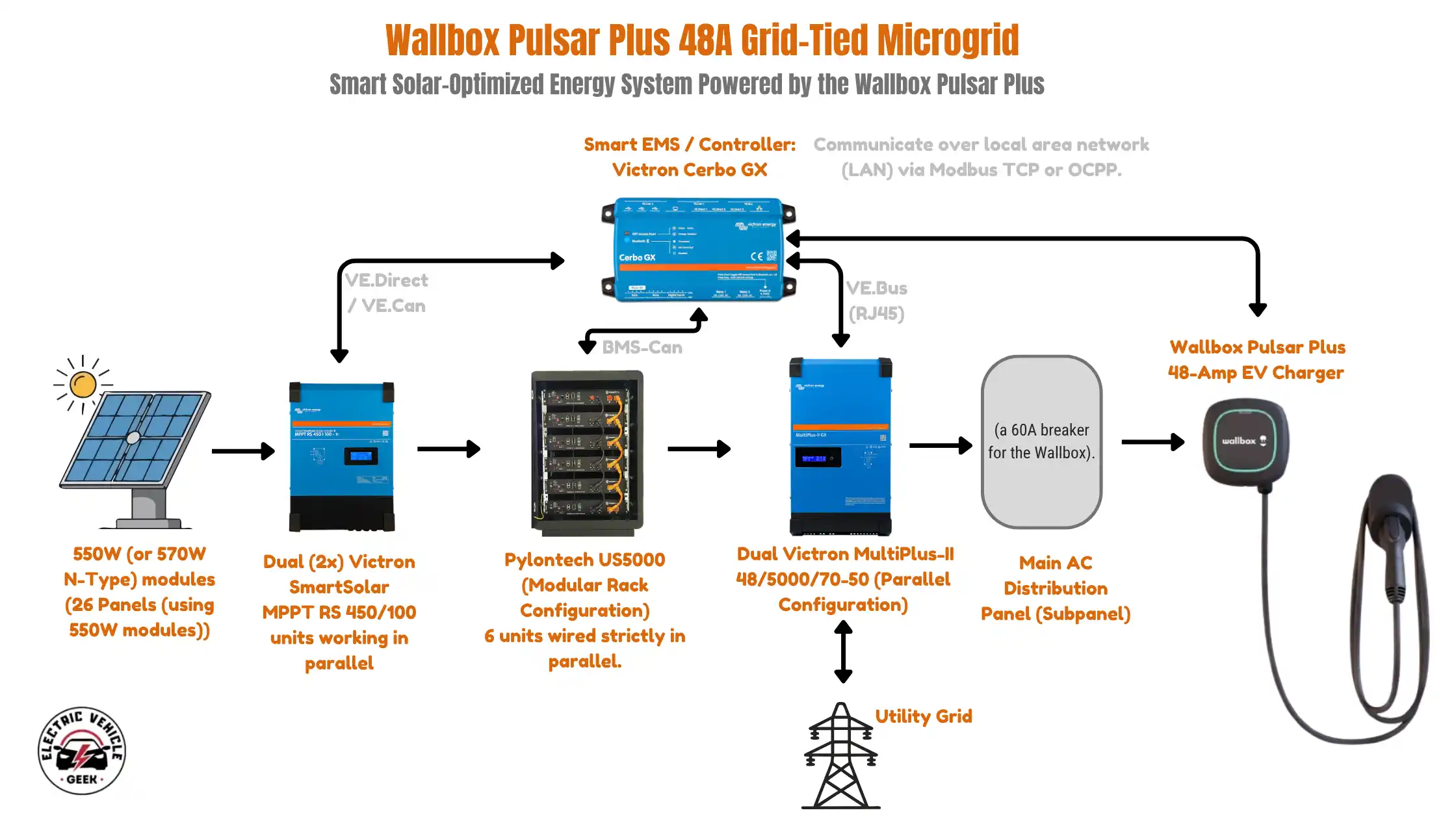
We also recommended the Wallbox Pulsar Plus 48-Amp EV Charger for grid-tied solar EV charging system because it supports open communication standards, integrates easily with a third-party Energy Management System (EMS), and works with a wide range of solar and battery components.
The custom installation diagram below demonstrates how we connected the hardwired Wallbox Pulsar Plus 48-Amp EV Charger with a Victron-based solar energy system, making it a flexible, future-proof solution for homeowners.
#5 Emporia EV Charger (Best Whole Home Value Integration)
The Emporia Level 2 Charger is a smart EV charger compatible with all electric vehicles supporting J1772 connectors. When paired with the Emporia Vue Home Energy Management System, it offers advanced solar EV charging features, including scheduling, energy usage tracking, automated charge adjustments for peak demand and time-of-use rates, and solar-only charging—all managed conveniently through the Emporia app.
EMPORIA Level 2 EV Charger Review
The diagram below illustrates the detailed installation and wiring of the Emporia Level 2 Charger with J1772 and the Emporia Vue Home Energy Management System, seamlessly integrated into our main electrical panel and home solar setup.
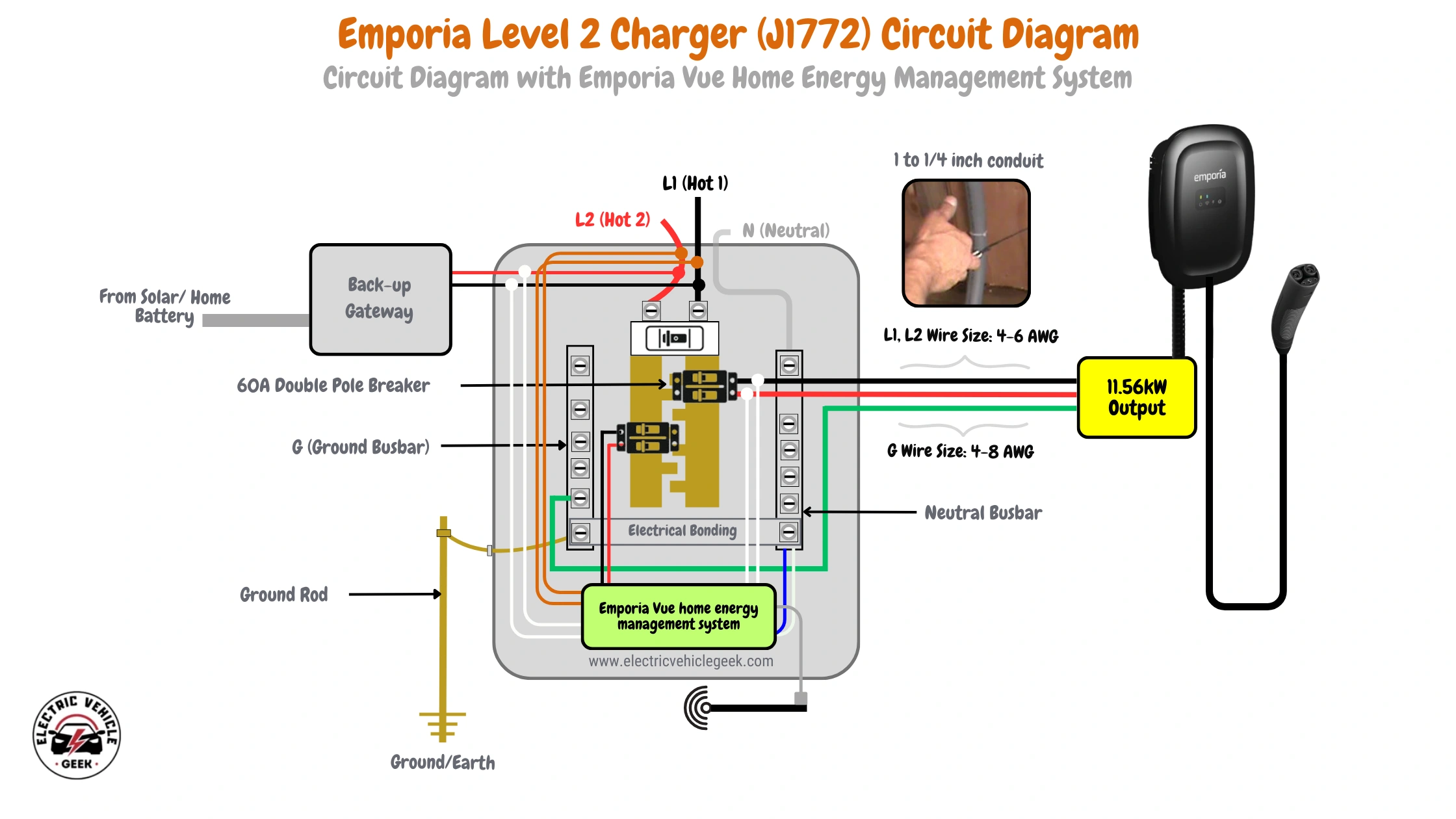
The circuit diagram above provides an in-depth look at the EV charging circuit, highlighting the integration of the Emporia Level 2 Charger, which uses the J1772 standard connector, a widely recognized and reliable charging protocol for electric vehicles. It also emphasizes the electrical connections of the Emporia Vue system, a crucial component in monitoring energy consumption and ensuring the home’s energy use is optimized. Key elements such as wire gauges, grounding systems, conduit types, and their specific applications are illustrated to offer a complete understanding of the system’s infrastructure.
This configuration is engineered to optimize energy flow between the solar power system, the charger, and the home grid, ensuring maximum efficiency in managing both solar energy production and EV charging needs.
A dedicated 60-amp circuit breaker ensures that the charging system operates safely, with appropriate power distribution for the charger and the home solar setup. This circuit breaker acts as a safeguard, preventing overcurrent conditions that could potentially damage the system or pose safety risks. The system’s design not only prioritizes safety but also enhances the overall performance and longevity of the electric vehicle charging process.
As shown in the diagram, the Emporia Level 2 Charger with J1772 is versatile and can be customized to suit home solar installations of various sizes, from compact residential systems to larger, more complex setups. With adjustable amperage settings ranging from 6 amps to 48 amps, it provides fine-tuned control over charging speed, allowing users to match the charger’s power output to their solar system’s energy production capacity.
#6 Enphase IQ 50 EV Charger (Best for Microinverter Ecosystems)
If you read my review of the Enphase IQ 50 EV Charger, you’ll see why it’s one of my favorite EV chargers, both as an EV owner and installer. I’ve had the opportunity to test and experiment with many features of the charger, even going as far as integrating solar power with the Enphase IQ 50 EV Charger.
The Enphase IQ 50 charger integrates seamlessly with your home solar system, ensuring that EV charging prioritizes solar energy when available, reducing grid dependence and lowering energy costs.
Enphase IQ 50 EV Charger Review
We recommend pairing the Enphase IQ 50 EV charger with the Enphase Energy System, which integrates solar, batteries, and EV charging for seamless compatibility with your home solar setup. This system lets you generate, store, use, and even sell energy, while managing your entire home solar system—including EV charging, through the Enphase desktop and mobile apps.
The diagram below illustrates a seamless integration of solar power with the Enphase IQ 50 EV Charger.
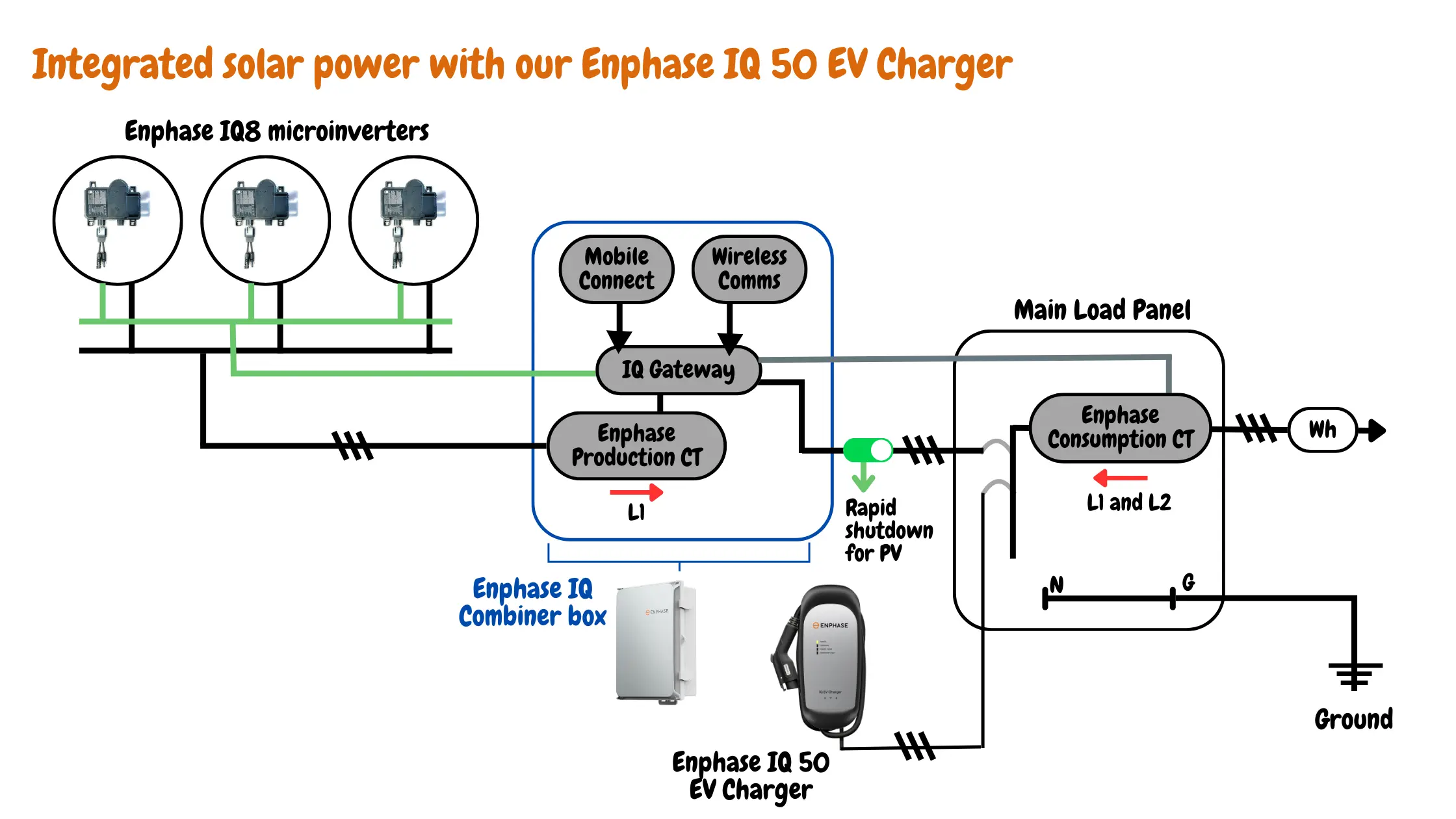
The above setup highlights how Enphase’s technology manages solar production, system connectivity, and efficient EV charging in a home environment, all while integrating with the home’s main electrical panel.
The system begins with Enphase IQ8 microinverters converting sunlight into usable energy. This energy flows into the IQ Gateway, a central hub that manages the system’s communications and measures solar production through the Enphase Production CT.
The IQ Gateway ensures seamless communication with mobile devices and the broader system and then directs the power to either the Enphase IQ Combiner box before it goes to the main load panel, or it flows directly to the IQ 50 EV Charger. The main load panel tracks consumption via the Enphase Consumption CT, ensuring a balanced energy flow.
Enphase IQ Bidirectional EV Charger (What We’re Watching in 2026)
Not yet available in the U.S. at the time of writing, the Enphase IQ Bidirectional EV Charger is one of the most anticipated solar-focused EV charging launches expected in 2026.
We’re currently waiting to get hands-on with a production unit so we can properly set it up, integrate it with our Enphase Energy System, and evaluate how well its AI-powered bidirectional charging performs.
On paper, this charger represents a major upgrade to the Enphase IQ 50 charger, which is already on our best solar EV chargers list: enabling vehicle-to-home (V2H) backup power and, where regulations allow, vehicle-to-grid (V2G) functionality using the EV battery as a flexible energy source.
What makes the Enphase IQ Bidirectional EV Charger especially compelling is that it serves as a strong alternative to the Tesla Universal Wall Connector for EV owners who prefer not to buy into the Tesla ecosystem. It delivers a similarly integrated solar-aware charging experience, but within Enphase’s well-established energy platform.
With native support for Enphase microinverters, IQ Batteries, and the Enphase Energy Management system, the Enphase IQ Bidirectional EV Charger functions as part of a coordinated home energy network rather than a standalone EVSE. This allows for intelligent load balancing, outage-aware charging behavior, and surplus solar utilization, all managed through a different, but equally mature, energy brand.
For homeowners planning a solar or battery upgrade for EV charging in 2026, this charger could influence system design decisions from day one. Once available, we’ll be testing real-world backup behavior, switching latency, efficiency losses, and how intelligently it prioritizes solar versus stored vehicle energy.
Factors to Consider When Choosing a Home Solar EV Charger
Choosing the right home solar EV charger is about more than charging speed. The best charger should work with your home’s solar system, electrical panel, and energy goals while helping you maximize self consumption and reduce electricity costs.
Solar System Compatibility
How Your System Reads Solar Output
A smart EV charger must be compatible with the way your solar system monitors and shares energy data. Most solar aware chargers use one of two communication methods.
Current Transformer (CT) Clamp Monitoring
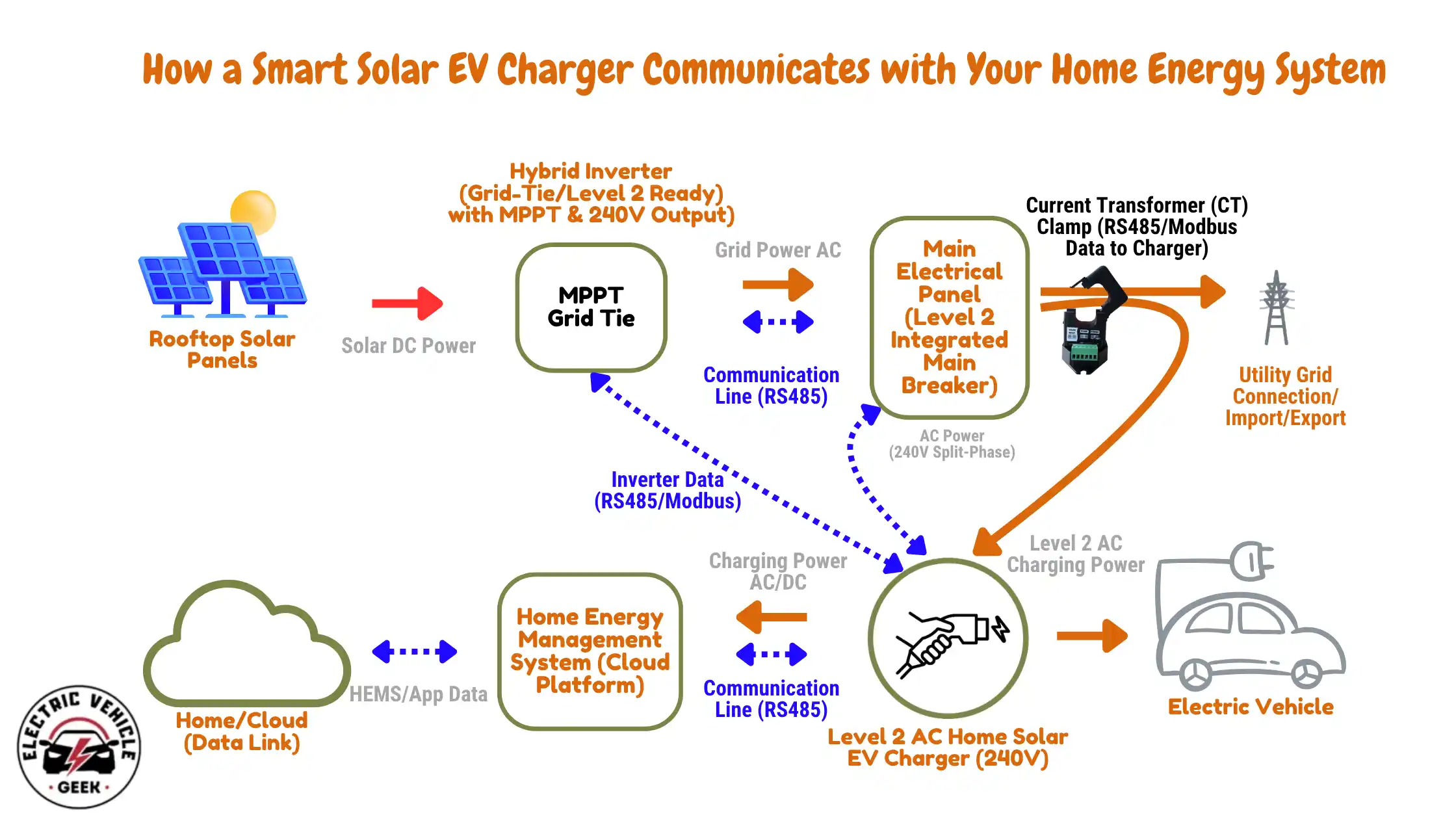
The CT clamp continuously measures electricity flowing between the home and the utility grid, allowing the EV charger to adjust charging power based on available surplus solar energy. Depending on the system, communication may occur over RS485/Modbus, Ethernet, or Wi-Fi. The hybrid inverter optimizes solar production through MPPT, while dynamic load balancing helps prevent electrical overloads. Optional Home Energy Management Systems (HEMS) provide app-based monitoring, charging schedules, and Time of Use (TOU) optimization.
The Wallbox Power Meter installation diagram below shows how the CT clamps are mounted around the incoming service conductors and connected to the EV charger, enabling dynamic load balancing and solar surplus charging.
Direct Inverter Integration
Some smart chargers communicate directly with a compatible hybrid inverter (Inverter API Communications) or home energy management system through Wi-Fi, Ethernet, or Modbus. Systems such as Tesla Powerwall and Enphase IQ can share live solar production data, allowing the charger to match EV charging with available solar energy.
We recommend choosing an EV charger that supports OCPP (Open Charge Point Protocol) whenever possible. As an open industry standard, OCPP allows the charger to communicate with a wide range of home energy management systems, solar monitoring platforms, and third party software instead of locking you into a single manufacturer’s ecosystem. This flexibility makes it easier to integrate with existing or future solar installations, optimize surplus solar charging, support dynamic load balancing, and expand your home energy system over time.
Match Your Solar System
Choose a charger that works with your solar setup, including:
- Solar system size, typically 4 kW to 20+ kW
- Inverter type
- Battery storage system, if installed
- Home energy management accessories
- Solar monitoring platform
A compatible charger helps maximize solar self consumption while reducing grid imports.
EV Compatibility
Make sure the charger supports your EV’s charging inlet and charging capabilities. Most EVs in North America use either the J1772 or NACS (Tesla) connector for AC charging. If you own multiple EVs or plan to switch vehicles in the future, consider a charger that supports both EV charger connector standards or works with approved EV charger adapters.
Charging Speed and Power Output
Choose a charging level that matches your driving habits and your home’s electrical capacity.
Level 1 Charging
Level 1 chargers operate on a standard 120 volt outlet. They typically deliver between 1.2 and 1.9 kW, adding about 3 to 5 miles of driving range per hour. They are best for drivers with short daily commutes or smaller solar systems.
Level 2 Charging
Level 2 chargers use a dedicated 240 volt circuit. Most common in the U.S for solar EV charging provide 7.2 to 19.2 kW, depending on the EV charger and your electric vehicle onboard charger capacity. They charge much faster and are the preferred choice for homeowners looking to maximize excess PVsurplus redirection.
Dedicated Circuit and Electrical Capacity
Before installing a charger, verify that your home’s electrical panel can support the additional load. Most Level 2 chargers require a dedicated circuit rated between 30 amps and 80 amps. If your electrical service is limited, choose an EV charger with adjustable amperage or dynamic load management.
Solar Energy Utilization
Not every smart EV charger can charge directly from excess solar energy.
Look for features such as:
- Solar priority charging
- Excess solar diversion
- Green charging mode
- Zero grid import charging
These features automatically redirect surplus solar electricity into your EV instead of exporting it back to the utility.
Dynamic Load Management
Dynamic load management continuously monitors your home’s electricity demand. If large appliances such as air conditioners, ovens, or dryers turn on, the charger automatically reduces charging power to keep your home’s electrical system within safe limits. Once demand drops, charging returns to full speed. This feature helps prevent overloaded circuits and may eliminate the need for an expensive electrical service upgrade.
Battery Storage Integration
If your home includes battery storage, choose a charger that works with your energy storage platform. Popular systems include Tesla Powerwall, Enphase IQ Battery, FranklinWH, and other home battery solutions. Proper integration allows the charger to prioritize solar power, battery energy, or grid electricity based on your settings.
Smart Features and Connectivity
Modern smart home EV chargers offer much more than basic charging.
Useful smart EV charger features useful in home solar EV charging include:
- Wi-Fi connectivity
- Mobile app control
- Charging schedules

- Energy monitoring
- Remote firmware updates
- Utility rate scheduling (self consumption rate optimization)
- Solar production monitoring
- Zero grid import green charging mode
These features help improve solar EV charging convenience and maximize energy savings.
Bidirectional Charging Support
Some newer EVs and chargers support bidirectional charging.
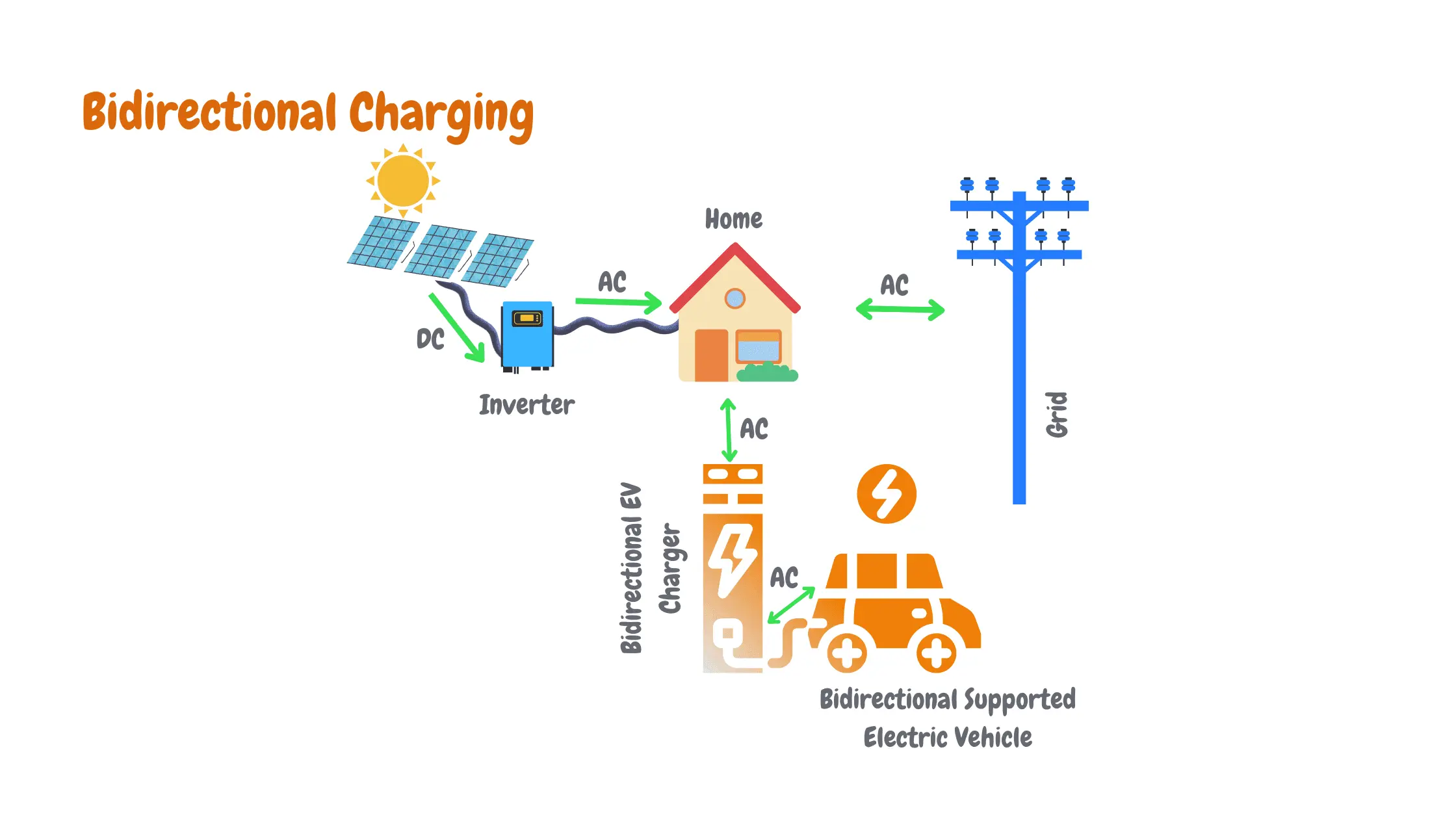
This allows electricity to flow from the vehicle back to your home or the utility grid. Depending on your vehicle and charger, you may be able to use:
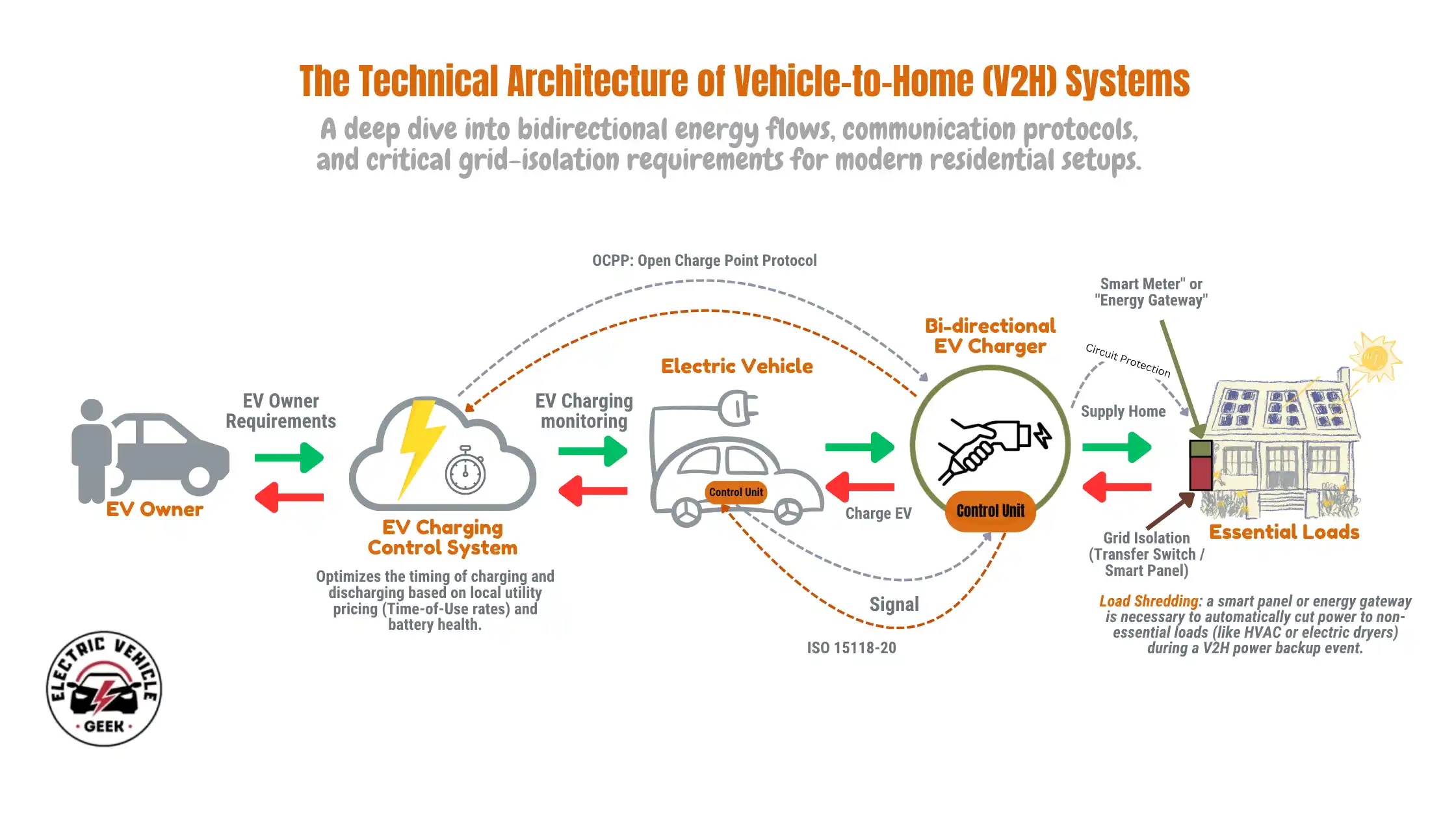

- Vehicle to Load (V2L)
While this technology is still expanding, choosing compatible equipment can help future proof your installation.
Installation Type
Choose the installation method that best fits your home.
Plug In Chargers
Plug in EV chargers typically use a NEMA outlet. They are easier to install and can be removed if you move.
Hardwired Chargers
Hardwired EV chargers connect directly to your home’s electrical system. They often support higher charging speeds, provide a cleaner installation, and may be required for chargers delivering more than 48 amps.
Weather Resistance
If the charger will be installed outdoors, choose one designed for year round weather exposure. Look for weather resistant ratings such as NEMA 4X or IP65 or higher to protect against rain, snow, dust, and extreme temperatures.
Certifications and Safety
Choose an AC home EV charger that meets recognized North American safety standards.
Look for certifications such as:
Certified chargers have been independently tested for electrical safety and performance.
Cost and Return on Investment
The least expensive charger is not always the best value. Consider installation costs, long term electricity savings, available EV charger federal and utility rebates and incentives, warranty coverage, and smart energy features. A higher quality charger can often pay for itself through improved solar self consumption and lower utility bills.
Warranty and Customer Support
A good warranty provides peace of mind. Look for at least a 3 to 5 year warranty, responsive customer support, regular firmware updates, and readily available replacement parts.
Brand
For a budget friendly solar EV charging system, we recommend choosing a home EV charger that supports inverter agnostic solar integration whenever possible. These chargers work with a wide range of solar panels, hybrid inverters, battery storage systems, and home energy management platforms, allowing you to choose the best components for your budget instead of being locked into a single manufacturer’s ecosystem. Many also support CT clamp based energy monitoring, enabling solar surplus charging and dynamic load balancing without requiring an expensive proprietary energy management system.
An inverter agnostic EV charger also makes future upgrades easier. As your energy needs grow, you can expand your solar array, add battery storage, or replace your inverter without having to replace the EV charger.
If you already own an integrated ecosystem, such as Tesla Powerwall or Enphase IQ, choosing a charger designed for that platform can unlock additional smart charging features and provide a more seamless user experience.
Finally, choose a manufacturer with a proven track record for reliability, responsive software support, and long term firmware updates. A well supported charger is more likely to remain compatible with future EVs, energy management systems, and evolving smart charging features.
Future Scalability
Your energy needs may change over time.
Choose a home solar EV charger that can grow with your home by supporting:
- Larger solar arrays
- Battery storage expansion
- Higher charging power
- Smart home energy management systems
- Future EV models
A scalable charger helps protect your investment and keeps your charging setup ready for future upgrades.
Grid Tied vs. Off Grid Solar EV Charging
Before choosing a solar compatible EV charger, it’s important to understand how your solar system delivers power.
Grid Tied Solar EV Charging
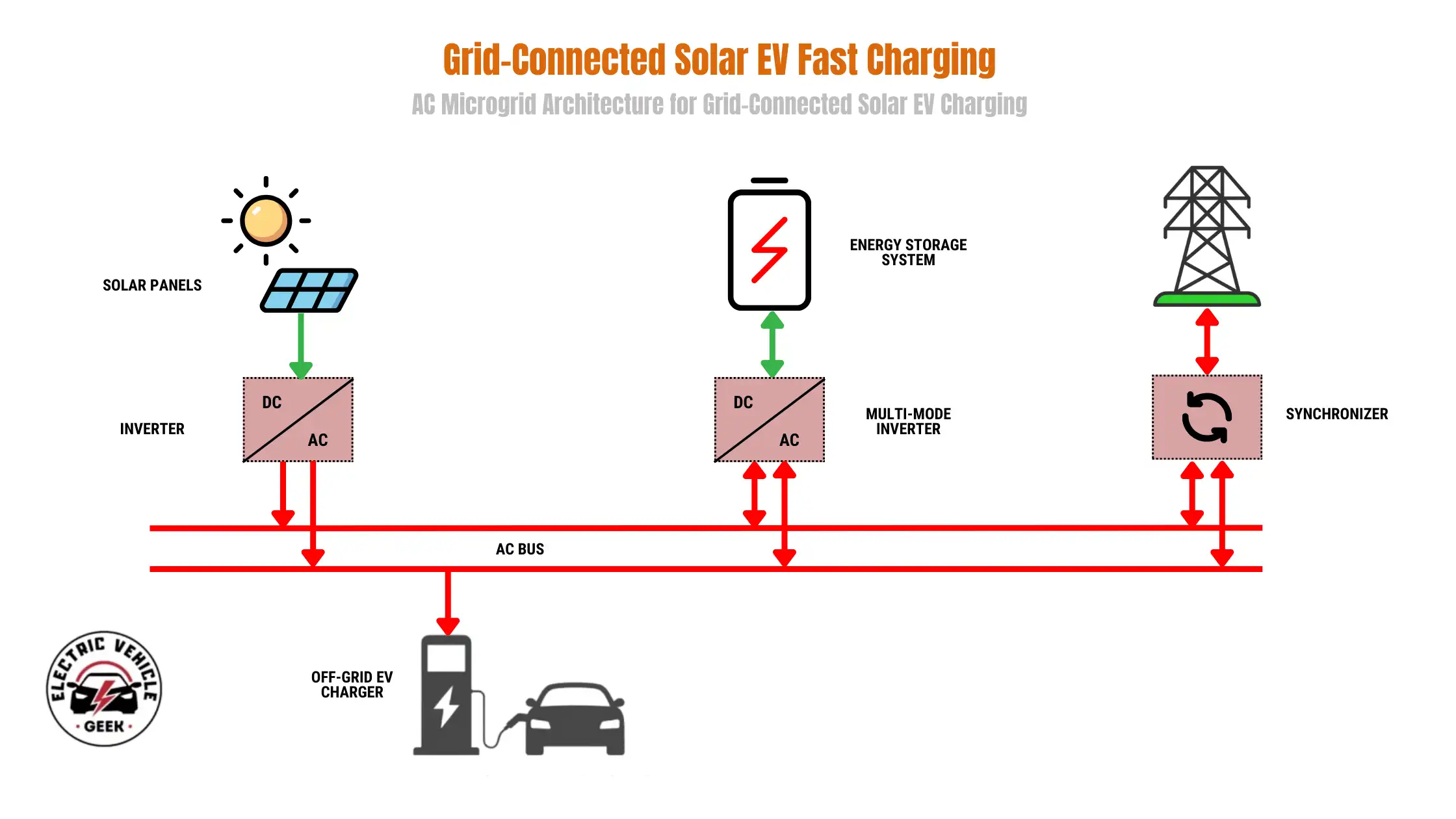
Most U.S. homeowners use a grid tied solar system, where solar panels power the charger during the day and the utility grid automatically supplies electricity whenever solar production is insufficient. Any excess solar energy can often be exported back to the grid through net metering, depending on your utility provider as shown in our AC coupled battery microgrid architecture diagram below:
Off Grid Solar EV Charging
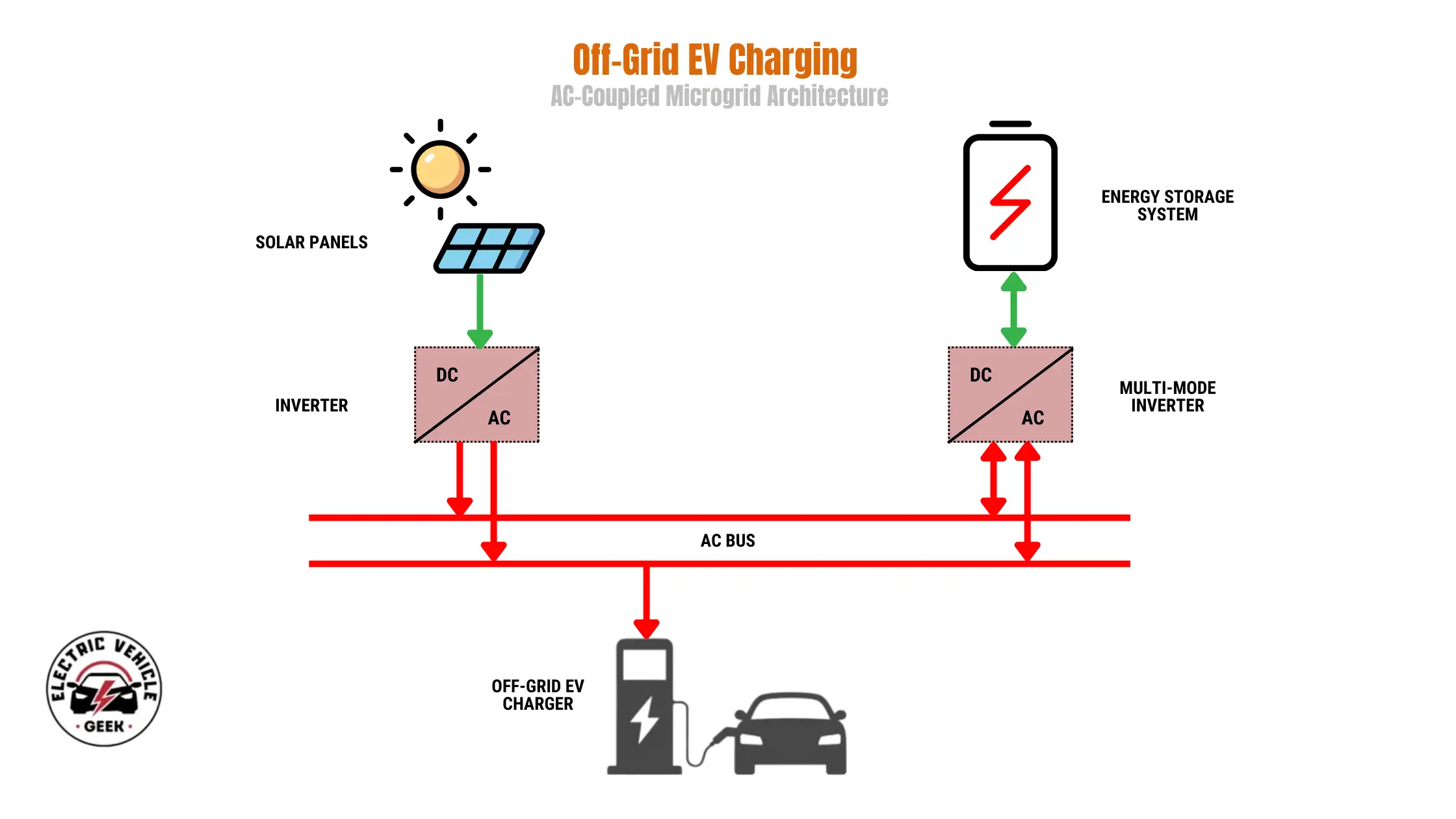
An off grid solar system operates independently of the utility grid. Solar panels charge a dedicated battery bank, and the EV charger draws power from the batteries or directly from the solar array during daylight hours. While this setup provides complete energy independence, it requires significantly larger battery storage and higher installation costs to reliably charge an EV.

James Ndungu is a certified EV charger installer with over five years of experience in EVSE selection, permitting, and installation. He holds advanced credentials, including certification from the Electric Vehicle Infrastructure Training Program (EVITP) and specialized training in EV charging equipment and installation, as well as diplomas in EV Technology and Engineering Fundamentals of EVs. Since 2021, James has tested dozens of EV chargers and accessories, sharing expert insights into the latest EV charging technologies.