Supported by you via insider access, and when you purchase through links on our site, we may earn an affiliate commission. See our Affiliate Disclosure.
A 24-amp EV charger is the middle ground of Level 2 home charging. Most units in this tier are actually 32-amp or 48-amp chargers dialed down to fit a 30-amp circuit. The amperage setting is in the unit’s app or hardware switch.
This is the right amperage if your home has an existing 30-amp dryer circuit (NEMA 10-30 or 14-30) and you want to share or repurpose it for EV charging. The 24-amp setting meets the NEC 80 percent rule for a 30-amp breaker.
Every 24-amp charger we tested was checked at the 24-amp setpoint to confirm the unit actually limits current correctly. Some cheaper units drift above 24 amps during voltage swings, which violates code on a 30-amp circuit.
How We Tested This Amp Tier
24 amp chargers are tested on a dedicated 240V/30A circuit with 10 AWG copper wiring. We measure the 24 amp setpoint for accuracy under voltage sag (220V to 250V supply range). The internal current limiter is verified to remain below 24 amps during 8-hour load cycles. We thermally image both the NEMA 14-30 or 10-30 plug body and the wall outlet to catch heat at the rated load.
24 Amp EV Chargers We Recommend
Explore our top-rated 24-amp EV chargers, including both native 24-amp models and higher-capacity chargers configurable to a 24-amp output. Most units in this category feature adjustable current settings for flexible installation across different circuit capacities. All models support J1772 and Tesla (NACS) compatibility and deliver consistent 240V Level 2 charging performance.
Use the “Compare” button on each product to select multiple chargers, then click the ⚖️ scale icon to see a full side-by-side comparison.
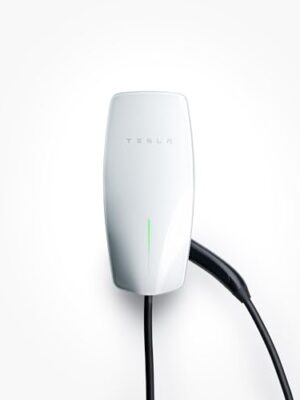
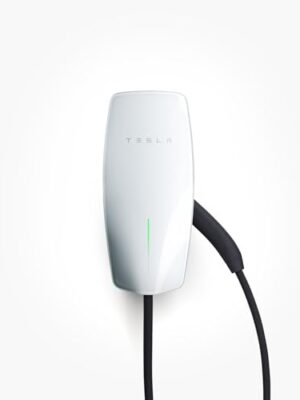
Tesla Universal Wall Connector delivers 11.5 kW smart EV charging for both residential and commercial use. Unique features include bidirectional charging, Group Power Management (GPM), Magic Dock, and a wide range of add-on EV charging accessories.
The Tesla Universal Wall Connector is a robust, forward-thinking EV charger designed for mixed EV households. It offers advanced smart charging features, including bidirectional charging when paired with compatible vehicles like the Ford F-150 Lightning and the Tesla Cybertruck. When integrated with renewable energy systems, it becomes an even more powerful solution, enabling efficient energy management. However, due to its high electrical load and complex features, professional installation and careful handling are essential to ensure optimal performance and safety, making it a top-tier choice for future-proofed EV charging setups.
Features
9.7
Real World Usage
9.5
Materials
9.5
Durability
9
Craftsmanship
9
Design
9
Monetary Value
9
Product Value
9.5
Brand Reputation
9.5
Expert Valuation
9.5
PROS:
Versatile Charging (Supports Tesla and J1772-compatible electric vehicles)
Advanced smart features
Renewable energy integration
Features a modern and minimalist design that complements most homes
Integrates into the Tesla mobile app for remote monitoring.
Allows bi-directional EV charging
CONS:
Requires professional installation
The non-replaceable J1772 adapter may limit flexibility for some users
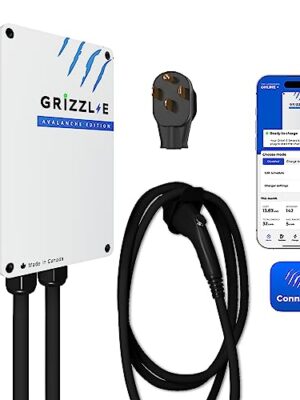
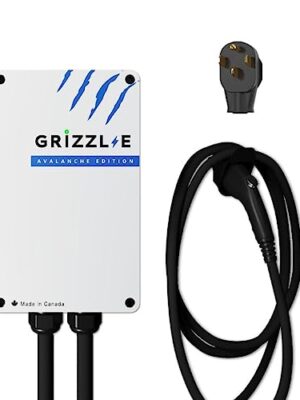
The Grizzl-E Smart Level 2 EV Charger (240V, 40A) is a budget-friendly smart EV charger with a rugged aluminum build, J1772 compatibility, UL-listed, Energy Star certified, and NEMA 14-50/6-50 plug support.
After months of testing, the Grizzl-E Smart cut my monthly charging costs through smart scheduling, saved me a $3,200 panel upgrade with load balancing, and as a solar owner, puts an extra $730 yearly back in my pocket. Add in $100 from utility Demand Response credits, and this charger pays for itself while the OCPP standard lets me switch apps anytime for better deals without replacing hardware.
Features
9
Real World Usage
9
Materials
9
Durability
9
Craftsmanship
9
Design
9
Monetary Value
9
Product Value
9
Brand Reputation
9
Expert Valuation
9
PROS:
The Grizzl-E Smart EV Charger is built to last, both indoors and outdoors.
Its minimalist design appeals to homeowners seeking a clean and modern aesthetic.
The Grizzl-E team is committed to enhancing the charger's features through regular updates and the Grizzl-E Connect app.
CONS:
Some users have reported concerns about the durability of the charging cable and connector.
The included wall mount may not be ideal for long-term use, potentially requiring additional support or accessories.
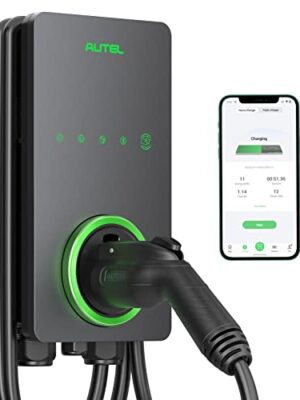
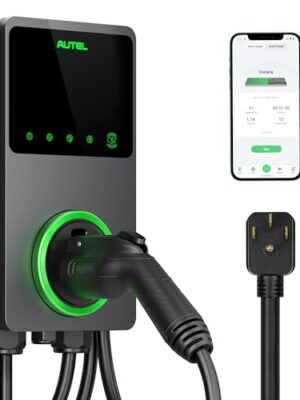
The Autel AC Lite EV Charger stands out for its fast charging speed, reliable safety features, and easy installation. Its high-quality build ensures durability, while the app integration adds convenience. While installation may require some attention to wire size, its performance makes it a solid choice for most EV owners.
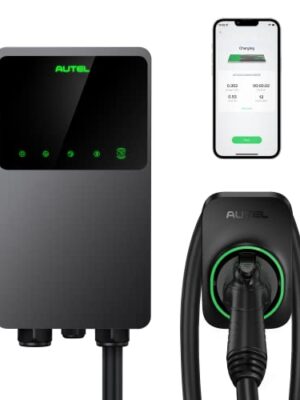
The Autel MaxiCharger Home Smart EV Charger (Autel AC Elite In-Body Holster EV Charger) offers NEMA 6-50 and 14-50 plug options for 40 amps and can be hardwired for 50 amps for faster charging. The built-in holster keeps the 25-foot cable organized, making it perfect for both indoor and outdoor use.
Charging Speed:12 kW
Max Amperage:50 Amps
Charging Level:Level 2
Connector Type:J1772
Cable Length:25 Feet
Connectivity:Bluetooth, Ethernet, Wi-Fi
Installation Type:Hardwired, NEMA 14-50, NEMA 6-50
The Autel AC Elite In-Body Holster EV Charger is an excellent choice for those seeking an easy-to-install, reliable, and feature-rich charging station. It delivers high performance, simplicity, and strong customer support, making it a great investment for EV owners.
Features
9
Real World Usage
8.5
Materials
9
Durability
9
Craftsmanship
9
Design
9
Monetary Value
9
Product Value
8.5
Brand Reputation
9
Expert Valuation
9
PROS:
Charges up to 7X faster than Level 1 chargers.
Supports both NEMA 6-50 and 14-50 plug options.
Adjustable power output up to 40 amps.
Easy installation (plug-in or hardwired).
User-friendly Autel mobile app for scheduling and optimization.
Wi-Fi, Bluetooth, and Ethernet connectivity for seamless operation.
25-foot cable for flexible reach.
NEMA 4 rating for reliable indoor and outdoor use.
Weather-resistant and durable construction.
3-year warranty with 24/7 customer support.
CONS:
App allows only one weekday and one weekend charge schedule.
No option for multiple off-peak timeframes in app.
May require a licensed electrician for installation (for hardwiring).
The latest Tesla Wall Connector adds smart features and now supports non-Tesla EVs. It offers fast, reliable charging, up to 44 miles of range per hour, with a 24-ft cable, app control, over-the-air updates, indoor/outdoor use, and a 4-year residential warranty. But is it worth it?
The Tesla Wall Connector offers fast, reliable charging with adjustable amperage and a 24-foot cord. It’s easy to install but requires professional installations. Pros include Wi-Fi connectivity and compatibility with Tesla electric vehicles compared to third party EV chargers. However, it lacks bi-directional charging for Cybertruck compatibility.
Features
9
Real World Usage
9
Materials
9
Durability
9.5
Craftsmanship
8.5
Design
9
Monetary Value
8.5
Product Value
8
Brand Reputation
9.5
Expert Valuation
8.5
PROS:
Fast, reliable charging (up to 44 miles per hour)
Adjustable amperage for flexible installation
24-foot cord for installation flexibility
Wi-Fi connectivity for over-the-air updates
Power-sharing for multiple chargers
CONS:
Requires professional installation
No bi-directional charging for Tesla Cybertruck powersharing compatibility
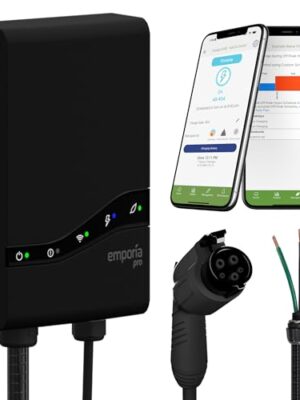
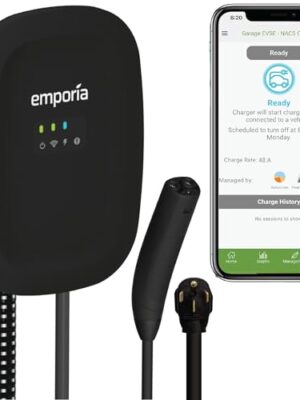
Emporia Pro EV Charger offers 48A fast Level 2 EV charging with PowerSmart Load Management. Includes NEMA 14-50 plug or hardwire installation options, 25' cable, and real-time energy optimization for efficient charging.
The Emporia Pro EV Charger is a feature-rich, futureproofed Level 2 charger that’s ideal for solar-ready homes. Its built-in PowerSmart Load Management and included Vue 3 Energy Monitor deliver exceptional energy savings and panel protection. Whether hardwired or plug-in, it’s a smart, powerful, and cost-effective EV charging solution.
Features
9
Real World Usage
8.5
Materials
9
Durability
9
Craftsmanship
8.5
Design
9
Monetary Value
9
Product Value
9
Brand Reputation
8.5
Expert Valuation
9
PROS:
Fast 48A charging (up to 11.5kW)
PowerSmart Load Management for energy optimization
Solar integration compatibility
Wi-Fi-enabled with app control
Flexible installation options (hardwired or plug-in)
Built-in safety features and certifications
CONS:
Requires dedicated electrical panel space for Vue 3 Energy Monitor installation
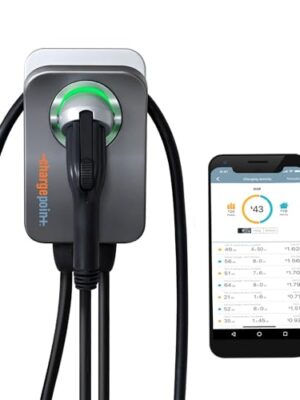
As an installer who’s worked with dozens of EV chargers, the ChargePoint Home Flex stands out for its flexibility, clean design, and smart features. The adjustable amperage makes it future-proof, and the app is unmatched in usability. A dependable choice for homeowners who value both performance and long-term reliability.
Features
9
Real World Usage
8.5
Materials
9
Durability
9
Craftsmanship
8.7
Design
8.5
Monetary Value
8.5
Product Value
9
Brand Reputation
9
Expert Valuation
9
PROS:
Easy installation with clear instructions and videos
Flexible setup: plug-in or hardwired
User-friendly mobile app for remote control and data
Swiveling dock for tidy cable storage
Safe and durable with UL certification
Access to ChargePoint’s vast network of charging stations
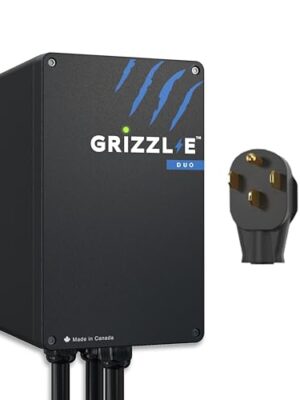
The Grizzl-E Duo Level 2 EV Charger delivers up to 40 Amps of power with two 24-foot premium cables and a NEMA 14-50 plug. Designed for dual vehicle charging, it provides fast, efficient power for two electric vehicles simultaneously. Ideal for home use, offering reliable, high-performance charging.
The Grizzl-E Duo is a reliable dual-port EV charger. It offers fast, 240V Level 2 charging with up to 40A. Durable, weather-resistant, and easy to install. It’s ideal for charging two cars simultaneously. A great space-saver and cost-efficient solution for home EV charging.
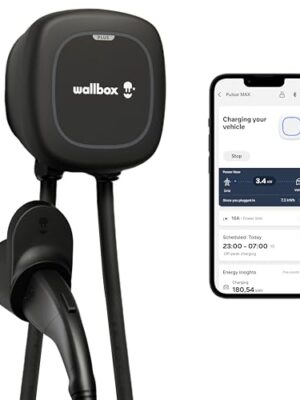
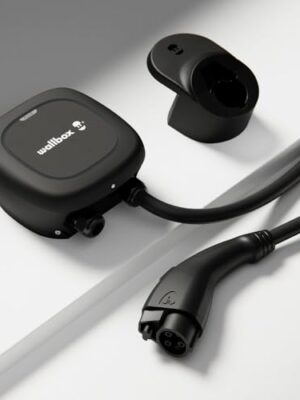
The Wallbox Pulsar Plus 40 Amp Level 2 EV Charger is an ultra-compact, smart charging solution with WiFi, Bluetooth, and voice control via Alexa/Google Home. Featuring a 25ft cable, it’s UL-certified for safety and suitable for both indoor and outdoor use. Assembled in the USA for reliable performance.
The Wallbox Pulsar Plus 40-Amp EV Charger offers fast, flexible charging with a compact design. It features smart app control, energy optimization, and solar integration. Its 25-foot cord ensures convenience, while power sharing supports multiple units. However, the plug holster’s stability and Bluetooth setup may need improvement.
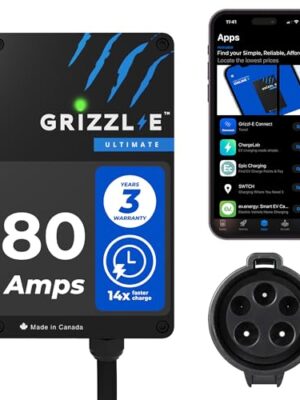
The Grizzl-E Ultimate 80A EV charger is a rugged, 80A Level 2 EV charger delivering up to 19.2 kW. Built for indoor/outdoor use with Wi-Fi, adjustable amperage, and J1772 or NACS connector.
The Grizzl-E Ultimate 80A EV charger impressed me with its rugged build and blazing 80A performance, its an 80 amp EV charger perfect for harsh outdoor installs and high-capacity EVs. But for future-proof smart charging, business applications, and solar EV charging integration, the Autel’s MaxiCharger 80A charger is the clear winner with V2G, bidirectional support, and OCPP 2.0.1 - it's built for homes and commercial applications that demand intelligence, not just speed.
Features
8.5
Real World Usage
8.5
Materials
9
Durability
9
Craftsmanship
8.5
Design
9
Monetary Value
9
Product Value
8.5
Brand Reputation
9
Expert Valuation
9
PROS:
Budget-friendly 80 Amp EV charger
True OCPP Compliant
Industry-leading 80A output for ultra-fast charging
Rugged, weatherproof aluminum enclosure (NEMA 4X)
Compatible with all EVs via J1772 or NACS
Adjustable amperage for multiple breaker sizes
Works offline and recovers after power interruptions
Made in Canada with a 3-year warranty
CONS:
No plug-in option (hardwired only)
Smart features limited to OCPP 1.6
No built-in energy optimization or load sharing
App interface and diagnostics are basic compared to modern alternatives
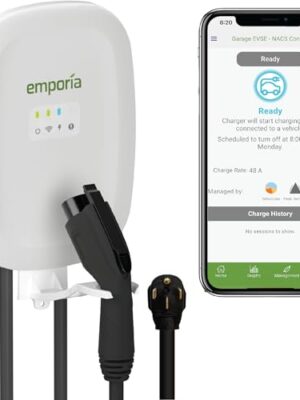
The EMPORIA Level 2 EV Charger delivers 48 amps of 240V charging with a 24ft cable and NEMA 14-50 plug. WiFi-enabled for smart features and remote monitoring, this J1772-compatible EVSE offers fast, reliable charging for electric vehicles. Ideal for home installations, it ensures efficient and convenient EV charging.
The Emporia EV Charger delivers fast, reliable Level 2 charging with flexible installation options, robust build quality, and smart app features for energy tracking and scheduling. It’s UL-listed, universally compatible, and competitively priced. While hardwiring can be challenging, its performance, value, and convenience make it an excellent choice for EV owners.
Grizzl-E Classic EV Charger Level 2 EV charger with 24-ft cable, UL, FCC, Energy Star, NEMA 14-50/6-50 plug, and NEMA 4X enclosure for indoor/outdoor use.
The Grizzl-E Classic excels as a durable, efficient, and cost-effective Level 2 charger. Its lack of smart features is seen as a benefit by many, reducing potential issues. It’s an ideal choice for users seeking a reliable, no-frills charging solution.
Features
7.5
Real World Usage
8.5
Materials
9
Durability
9
Craftsmanship
8.5
Design
8.5
Monetary Value
9
Product Value
9
Brand Reputation
9
Expert Valuation
9
PROS:
Simple installation with NEMA 14-50 plug.
Durable metal enclosure, weatherproof and UL-certified.
The Emporia Level 2 EV Charger with NACS delivers fast, reliable charging for Tesla and NACS vehicles. It offers up to 46 miles of range per hour, features easy installation, and is UL-listed for safety. Smart charging capabilities and durable construction make it a great value at a competitive price.
The Emporia Level 2 EV Charger with NACS offers excellent performance with up to 46 miles of range per hour. Features and real-world usage score high, and the materials and durability are top-notch. With solid craftsmanship and design, it provides strong value for money, earning high expert and brand reputation ratings.
Features
9
Real World Usage
8.5
Materials
9
Durability
9
Craftsmanship
8.5
Design
9
Monetary Value
8
Product Value
8.5
Brand Reputation
8.5
Expert Valuation
9
PROS:
No adapter needed for Tesla or NACS-compatible vehicles.
Charges up to 46 miles per hour, providing fast performance.
Durable, easy-to-use 24-foot cable.
Smart charging features with mobile app control.
CONS:
Installation may require electrical upgrades for some users.
The Wallbox Pulsar Plus 48 Amp Level 2 EV Charger is an ultra-compact, smart charging solution with WiFi, Bluetooth, and voice control via Alexa/Google Home. Featuring a 25ft cable, it's Energy Star and UL certified for efficient, reliable charging. Suitable for indoor or outdoor use, and assembled in the USA.
The Wallbox Pulsar Plus 48-Amp EV Charger offers fast Level 2 charging, smart connectivity via the myWallbox app, and voice control through Alexa or Google Home. It’s versatile, with adjustable power settings and the ability to charge multiple EVs simultaneously. Compact, easy to install, and compatible with most EV models.
Features
8.5
Real World Usage
9
Materials
8.7
Durability
8.5
Craftsmanship
8.7
Design
9
Monetary Value
8.5
Product Value
8.5
Brand Reputation
8.5
Expert Valuation
8
PROS:
Compact and portable design, perfect for home or outdoor use.
Smart connectivity with Alexa, Google Home, and the myWallbox app for remote control and scheduling.
Adjustable power settings from 16A to 48A for flexible installation.
NEMA-4 rating ensures durability in extreme weather conditions.
Smart power-sharing allows charging of multiple EVs on one circuit.
CONS:
Relies heavily on the myWallbox app, with minimal physical unit controls.
Some users report Wi-Fi and Bluetooth connectivity issues, affecting remote access.
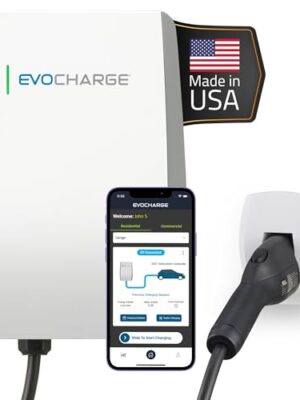
The EvoCharge Home 50 EV Charger is a 50 Amp, 240V Level 2 EV charger available in J1772 or NACS (Tesla) versions. Hardwired for safety, it delivers up to 45 miles of range per hour with smart scheduling, remote control, and energy tracking. Ideal for indoor or outdoor home installation.
The EvoCharge Home 50 is a premium-grade, hardwired Level 2 EV charger that delivers exactly what experienced EV owners need: fast, safe, and reliable home charging with smart control and high build quality.While it lacks the flashy design of the Wallbox Pulsar Plus or the in-depth analytics of Emporia, it wins on reliability, simplicity, and charging performance. It’s particularly well-suited for households with large-battery EVs or homeowners installing permanent 50A circuits with future expansion in mind.If you’re looking for a rugged, made-in-America charger with UL safety, Energy Star efficiency, and weatherproof reliability, the EvoCharge Home 50 is one of the best choices you can make today.
Features
8
Real World Usage
8.5
Materials
8.5
Durability
9
Craftsmanship
8.5
Design
9
Monetary Value
9
Product Value
9
Brand Reputation
8
Expert Valuation
8.5
PROS:
Hardwired 50A (12kW) charging delivers faster EV charging.
Robust NEMA 4 weatherproof rating for indoor/outdoor use.
Flexible installation with multiple conduit entry points.
Mobile app supports scheduling, energy monitoring, and user sharing.
Made in the USA with UL and ENERGY STAR certifications.
CONS:
Direct manufacturer support and returns are no longer available.
No J1772 to NACS (Tesla) adapter included; must purchase separately.
Wall mount bracket sliding design complicates installation in lock boxes.
Challenges with OCPP protocol access and internal web portal login
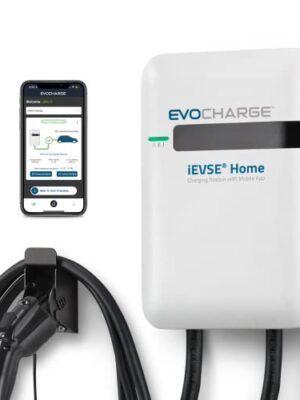
The EvoCharge iEVSE® Home 32 Smart Level 2 EV Charger offers up to 32 Amps of 240V charging, delivering up to 25 miles of range per hour. With WiFi connectivity, a 25-foot cable, and a NEMA 6-50 plug, it’s UL-listed for safety and suitable for both indoor and outdoor installations.
The EvoCharge iEVSE® Home 32 Smart Level 2 EV Charger is a reliable, easy-to-use, and energy-efficient solution for home EV charging, offering fast charging, Wi-Fi connectivity, and the potential for rebates.
Features
8
Real World Usage
8.5
Materials
8.5
Durability
9
Craftsmanship
9
Design
8
Monetary Value
8.5
Product Value
8.5
Brand Reputation
8
Expert Valuation
8.5
PROS:
Fast charging up to 8 times faster than Level 1 chargers.
Wi-Fi connectivity for easy scheduling and control via the Epic charging app.
Compatible with all North American EVs, including Tesla with J1772 adapter.
CONS:
Manufacturer support and warranty returns are no longer provided directly.
The Autel MaxiCharger Home EV Charger offers up to 50 Amps of 240V Level 2 charging with WiFi and Bluetooth connectivity for smart, remote control. Designed for both indoor and outdoor use, it features a 25-foot cable, a separate holster, and a rugged dark gray finish, ensuring durability and efficient charging.
Charging Speed:12 kW
Max Amperage:50 Amps
Charging Level:Level 2
Connector Type:J1772
Cable Length:25 Feet
Connectivity:Bluetooth, Cellular, Ethernet, Wi-Fi
Installation Type:Hardwired, NEMA 14-50, NEMA 6-50
Durable 25-foot cable with NEMA 4X protection for outdoor and indoor use.
Adjustable power output up to 50 Amps.
Reliable Wi-Fi, Bluetooth, and Ethernet connectivity for seamless updates.
Mobile app for tracking, scheduling, and optimization of charging.
Solid build quality with good customer support and a 3-year warranty.
Features
9
Real World Usage
9
Materials
8.5
Durability
8
Craftsmanship
8
Design
8.5
Monetary Value
8.5
Product Value
8
Brand Reputation
9
Expert Valuation
8
PROS:
App lacks intuitiveness, leading to confusion with scheduling features.
Charging history resets yearly with app updates.
Stiff charging cable is difficult to handle in cold weather.
No screen on the charger to display key details like power or duration.
CONS:
The Autel AC Elite EV Charger offers reliable performance with solid build quality and useful app features, though the app's confusing interface and cable stiffness in cold weather detract from its overall user experience. It’s a great choice for those seeking basic charging functionality and durability.
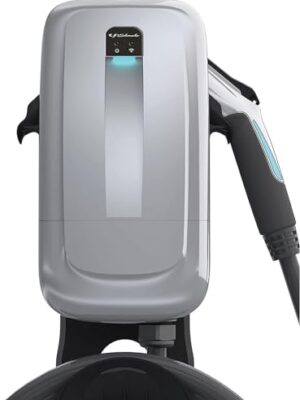
The Schumacher SEV1600P650 Level 2 EV Charger delivers 50 Amps of 240V charging, offering up to 9X faster charging than standard models. Compatible with NEMA 6-50 plug or hardwiring, it features Bluetooth/WiFi connectivity for remote monitoring and control. Ideal for indoor or outdoor installation, it ensures efficient, reliable performance.
The Schumacher 50 Amp EV Charger delivers fast, reliable EV charging with adjustable current up to 40A and a weather-resistant design for outdoor use. Its 25-foot cable adds flexibility, and the SchuPower app enables remote monitoring. However, it lacks smart home integration and requires a separate adapter for Tesla vehicles.
Features
8
Real World Usage
7.5
Materials
8.5
Durability
9
Craftsmanship
8.5
Design
8.5
Monetary Value
8
Product Value
8.5
Brand Reputation
9
Expert Valuation
8.5
PROS:
Fast charging with adjustable current (16A to 40A) for faster performance
Weather-resistant raintight enclosure for reliable outdoor use
25-foot cable offers flexibility for garages and driveways
Compact space-saving design with pulsing LED indicators
SchuPower app allows remote tracking of charging progress
Clear instructions make installation simple
CONS:
Lacks integration with Google Home, Apple Home, or Alexa
SchuPower app is functional but lacks advanced features
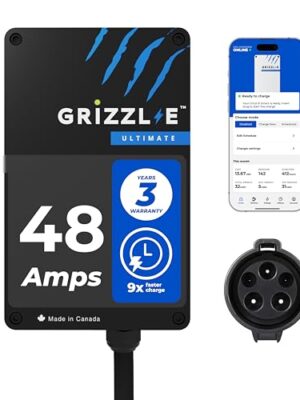
The Grizzl-E 48A Ultimate Level 2 EV Charger offers fast, efficient charging with a UL-tested, certified metal case. Designed for indoor and outdoor use, this hardwired station features a J1772 connector and a sleek black finish. With a maximum output of 48 amps, it provides reliable charging for all-electric vehicles, supporting 16A to 48A charging needs.
The Grizzl-E 48A Ultimate Level 2 EV Charger is a reliable and well-built product, offering efficient charging with a solid UL-tested metal case. The design is sleek, and it performs well across various amps (16A-48A). With strong brand reputation and excellent value, it provides good durability and craftsmanship for long-term use.
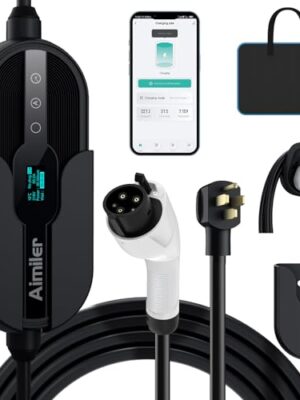
The Aimiler 32 Amp Level 2 EV Charger delivers 220V-240V power with a NEMA 14-50 plug and a 25ft cable, offering versatile indoor/outdoor charging. ETL listed and WiFi-enabled, it features a delay timer for customized charging schedules. Compatible with SAE J1772 EVs, it ensures fast, efficient, and reliable performance.
The Aimiler 32 Amp Level 2 EV Charger delivers fast, reliable charging with essential safety features and app-based control. Its durable design and compatibility with most EVs make it a great home portable EV charging solution. While the app offers basic scheduling, it lacks advanced smart features.
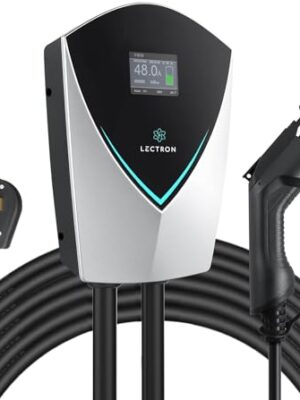
The Lectron V-Box 48 Amp Level 2 EV Charging Station offers 240V power with a NEMA 14-50 plug or hardwired option. Certified Energy Star and ETL, it ensures efficient, reliable charging for J1772-compatible electric vehicles. This robust charger delivers fast, safe performance, making it an ideal solution for home use.
The Lectron V-Box 48 is a powerful and reliable Level 2 charger, ideal for home EV charging. With a durable 20-foot cable, an IP55 rating, and Energy Star certification, it delivers solid performance. However, the lack of smart features and a shorter warranty compared to competitors are notable drawbacks.
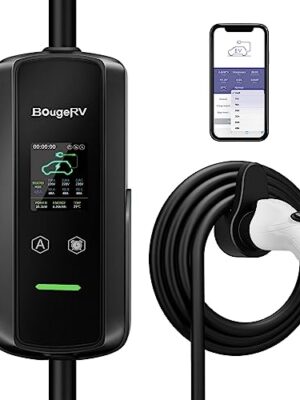
The BougeRV 48 Amp Level 2 EV Charger offers a maximum of 11.52kW output with an adjustable current and a customizable charging schedule. Featuring a NEMA 14-50P plug and a 25ft cable, it provides fast, flexible charging for electric vehicles in both indoor and outdoor settings, ensuring efficient, reliable power delivery.
The BougeRV 48 Amp EV Charger delivers fast Level 2 charging with adjustable currents and scheduling features. Its 25-foot cable and IP67 waterproof rating make it ideal for indoor or outdoor use. Safety protections, a 3-year warranty, and 24/7 support ensure reliability, all at an affordable $349.99 price point.
Features
8
Real World Usage
7.5
Materials
7.5
Durability
7.5
Craftsmanship
9
Design
8
Monetary Value
7.5
Product Value
8
Brand Reputation
9
Expert Valuation
8.5
PROS:
Durable construction with high-quality materials
Flexible voltage compatibility supports various setups for seamless operation.
Adjustable amp output with six current settings (10A-48A) provides customized charging for different needs.
Scheduled charging feature optimizes efficiency and reduces energy costs during off-peak hours.
CONS:
Heat issues can arise when exposed to direct sunlight in extremely hot conditions, requiring shaded placement.
Limited Wi-Fi app functionality lacks advanced features for remote monitoring and control.
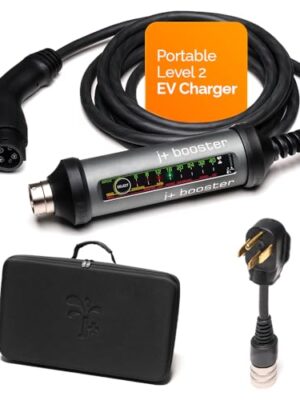
The J+ Booster 2 Portable EV Charger offers fast Level 2 charging (9.6 kW, 240V) for all-electric vehicles. With a 21ft cable, NEMA 14-50 plug, and ETL certification, it provides reliable power both indoors and outdoors. The included carrying case ensures easy storage and portability for convenient home charging.
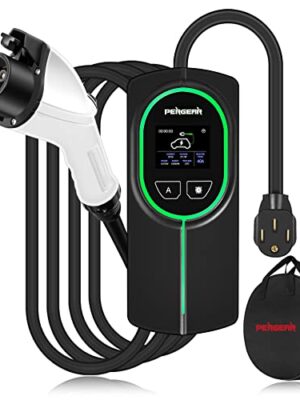
The Pergear P2 Level 2 EV Charger offers adjustable charging (40/32/24/16/10 Amp) with a 25 ft cable and 9.6 kW power for Tesla and other EVs. Features include scheduled charging, WiFi connectivity, a cable organizer, and versatility for both portable and wall-mounted use, making it an efficient and convenient charging solution.
We can't recommend the Pergear P2. It lacks UL, CSA, and ETL certifications, only the wire is certified, not the control box. Independent testing revealed failed waterproofing and cold-weather problems. When dealing with 240 volts at home, proper safety certification isn't optional. Choose certified alternatives instead.
Features
7.5
Real World Usage
7.5
Materials
7.5
Durability
7.5
Craftsmanship
7.5
Design
8
Monetary Value
7.5
Product Value
7.5
Brand Reputation
7.5
Expert Valuation
7.5
PROS:
Affordable price point
Color touchscreen display with real-time data
WiFi monitoring and scheduled charging
25-foot cable length
Adjustable power (10-40 amps)
FCC certified
CONS:
No UL, CSA, or ETL certification (only wire certified)
Failed waterproofing test despite IP67 claim
Cable stiffens in freezing temperatures
Control box lacks safety lab testing
Not suitable for outdoor or cold-climate use
Show next
Important Key Specs Table Legend:Level 1 = Level 1 only (120V). Level 1/Level 2 = dual-voltage portable (120V or 240V).
What is a Level 24 AMP EV Charger?
A 24 Amp EV charger is a Level 2 (240V) electric vehicle supply equipment (EVSE) capable of delivering up to 5.76 kW of charging power. On average, it adds 22 miles of range per hour, making it an ideal choice for overnight charging and daily commuting. This output provides a balanced solution – faster than 16A units while avoiding the panel upgrades often required for 32A or 40A EV chargers.
Over an 8-hour overnight window, a 24-amp charger adds 144-176 miles of range. That covers most BEVs sold in the U.S. except the largest battery work trucks.
A 75 kWh Tesla Model Y takes about 14.5 hours to recharge at 24 amps. A 40-mile daily commute (12 kWh) takes 2.3 hours to refill. Most daily drivers will not notice the difference between 24 amps and 32 amps in real use.
To comply with NEC’s 80% rule for continuous loads, 24A chargers must be installed on a dedicated 30A circuit with proper wire sizing and breaker protection. Many are plug-in units that support popular outlet types, while others are hardwired for permanent installation.
24 Amp vs 16 Amp and 32 Amp EV Chargers
Compared to 16A EV chargers, a 24A unit charges up to 50% faster, making it better suited for full EVs or daily use. While 32A EV chargers offer more speed (7.7 kW), they require a 40A circuit, which may not be available in older homes without service panel upgrades. A 24A charger strikes the right balance – fast enough for most EVs, yet easier to install and more affordable overall.
24 Amp Level 2 EV Charger Circuit Requirements
24 amp installation typically reuses an existing 30 amp dryer circuit. If the circuit already exists, the work is just swapping the outlet and configuring the charger. If you need a new circuit, the cost is similar to other Level 2 installs.
The required circuit is a dedicated 30 amp two pole branch circuit with 10 AWG copper conductors, a 30 amp double pole breaker (NEC 210.20(A)), and either a NEMA 14-30, NEMA 10-30, or hardwired termination. GFCI protection is required per NEC 625.41 for plug-in installs. New circuit installation in 2026 typically runs $400 to $800 per panel, depending on available capacity.
Want charging speed math instead of circuit specs? See our 5.76 kW EV charger range for range per hour and the time it takes your specific EV to charge.
The 80 Percent Rule Explained: Why 24 Amps Matters
The NEC 80 percent rule sets the maximum continuous current for any breaker. For a 30-amp breaker, that maximum is 24 amps. Any higher and the breaker overheats and trips.
24-amp circuits are specifically designed to fit on a 30-amp circuit. The next standard breaker size up is 40 amps, which would allow 32 amps continuous. 24 amps is the sweet spot for using an existing 330-amp dryer circuit without rewiring.
This is why dryer circuits are a popular EV charging upgrade path. Many U.S. homes built since 1970 have a 30-amp 240V circuit feeding the laundry room or garage dryer outlet. Swap the outlet, dial the charger to 24 amps, and you have Level 2 charging without pulling a new wire.
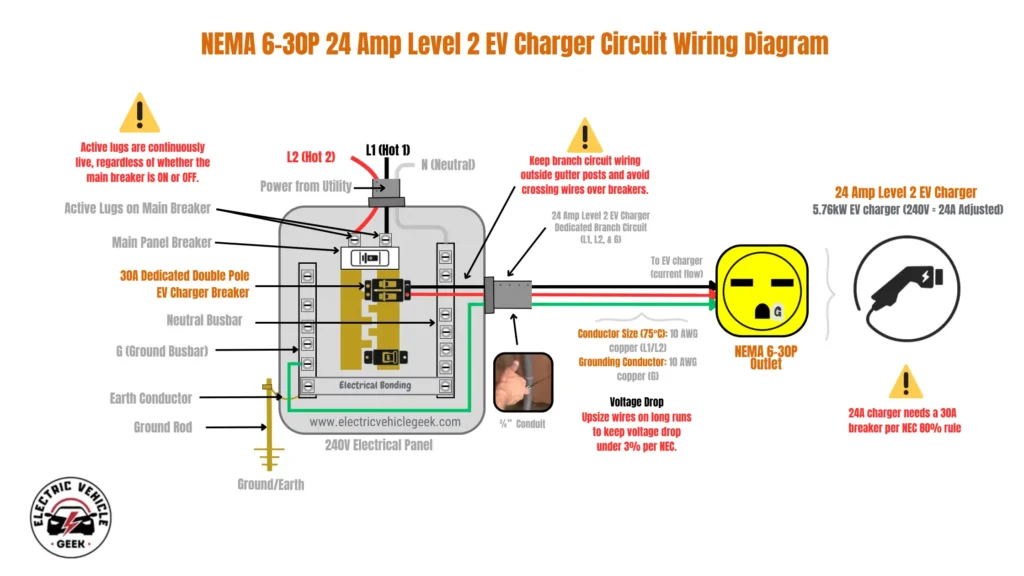
NEMA 6-30P 24 Amp Level 2 EV Charger Circuit Wiring Diagram
The diagram below shows a 240V wiring setup for a 24A Level 2 EV charger (5.76 kW) using a NEMA 6-30P plug. A 30A double-pole breaker feeds two 10 AWG copper hot wires (black and red), and one 10 AWG green ground wire through a conduit to the NEMA 6-30R outlet. A plug-in EV charger connects to the receptacle.
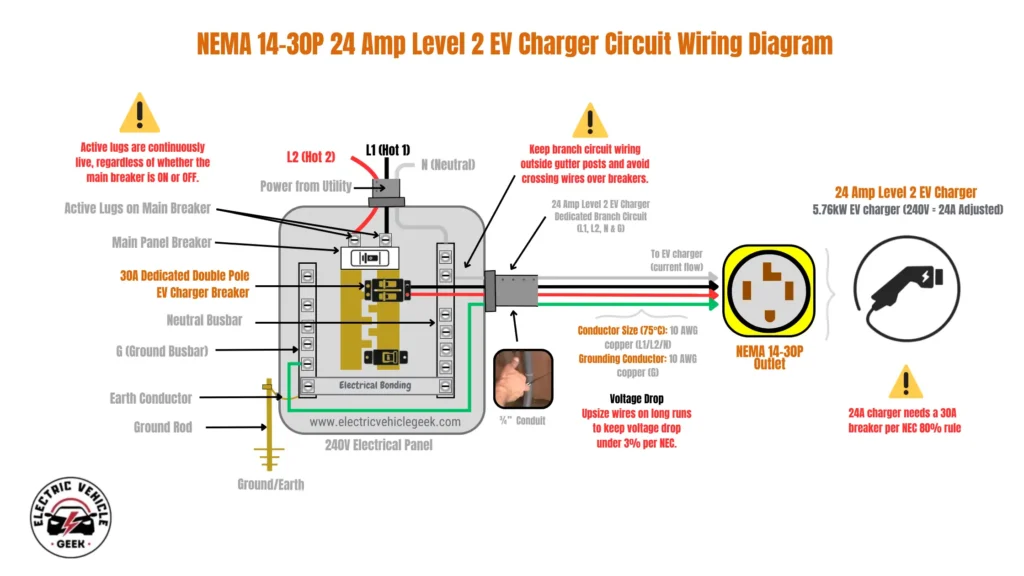
NEMA 14-30P 24 Amp Level 2 EV Charger Circuit Wiring Diagram
The diagram below shows a 240V setup for a 24A Level 2 EV charger (5.76 kW) using a NEMA 14-30P plug. A 30A double-pole breaker feeds four 10 AWG copper wires – black and red (Hot), white (Neutral), and green (Ground) – through a conduit to the NEMA 14-30P outlet, where the charger plugs in.
Hardwired 4-Wire 240V Wiring Diagram for 24 Amp Level 2 EV Charger
The diagram below shows a 4-wire hardwired installation for a 24A Level 2 EV charger (5.76 kW). A 30A double-pole breaker feeds four 10 AWG solid copper conductors – black (L1) and red (L2) from the breaker, white (Neutral) from the neutral busbar, and green (Ground) from the ground busbar – through conduit to a junction box where the charger is directly connected.
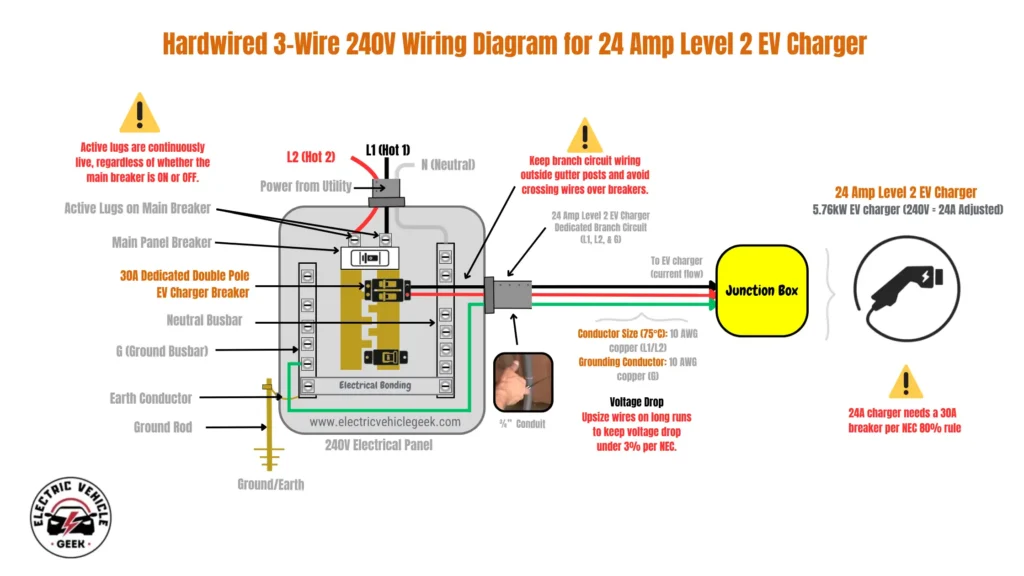
Hardwired 3-Wire 240V Wiring Diagram for 24 Amp Level 2 EV Charger
This diagram shows a 3-wire hardwired setup for a 24A Level 2 EV charger. A 30A double-pole breaker feeds three 10 AWG solid copper wires—black (L1) and red (L2) from the breaker, and green (Ground) from the ground busbar – through a conduit to a junction box for direct wiring to the charger. No neutral is used in this configuration.
24 Amp EV Charger Buyer's Guide
The 24 amp tier is unusual because almost every charger here is actually a higher amperage unit set to a lower value. The buying decision is which higher-tier unit (32A or 48A) you want to derate to 24 amps for your circuit.
Why Buy an Adjustable Charger Instead of a Fixed 24 Amp Unit
Adjustable chargers cost about the same as fixed 24-amp units but offer future flexibility. If you ever upgrade your circuit to 40 or 60 amps, the same charger jumps to 32 or 48 amps with a simple setting change – no new hardware needed.
Sharing or Replacing a Dryer Circuit
If you keep your dryer, install a manual transfer switch or a smart splitter that allows only one device on the circuit at a time. Never use a generic Y splitter on a 240V circuit, as both devices can draw current simultaneously and trip the breaker. The cleanest solution is to replace an electric dryer with a gas dryer and dedicate the circuit to EV charging.
NEMA 14-30 vs NEMA 10-30 Outlets
Modern dryer outlets are NEMA 14-30 (4-prong, with a ground wire). Older homes may have NEMA 10-30 (3-prong, no separate ground). Most 24-amp chargers ship with either a plug option or an adapter kit. The NEMA 14-30 is safer because of the dedicated ground.
When to Go Higher Than 24 Amps
If you drive an EV with a 100+ kWh battery and arrive home depleted, 24 amps may not finish charging overnight. Step up to 32 amps (40-amp breaker, NEMA 14-50) or 48 amps (60-amp breaker, hardwired) for faster recovery.
EVs That Match a 24 Amp Charger
24 amps works well for most EVs because most modern EVs have onboard chargers rated 32 amps or higher and will accept whatever amperage the wall unit provides.
Best matches at 24 amps include the Tesla Model 3 Standard Range, Chevy Bolt EV and EUV, Nissan Leaf, Hyundai Kona Electric, Mazda MX-30, and Volkswagen ID.4 standard battery. All charge fully overnight. Heavier daily mileage drivers and owners of the Ford F-150 Lightning, Rivian R1T, or Tesla Model Y Long Range may want higher amperage for faster recovery.
Looking to Charge Faster or Ease Your Electrical Load? See Other Amperage Options
At about 22 miles of range per hour, 24A EV chargers work well for most daily driving needs. Want something lighter on your electrical system? Try 12A or 16A chargers. Need quicker charging? See 32A to 80A EV charger options below.
Need a charger with a different amperage? Our EV Charger Amperage hub covers every tier from 12 amps to 80 amps and links to each dedicated review archive.
24 Amp EV Charger Frequently Asked Questions
You’ve Got 24 Amp EV Charger Questions, We’ve Got Answers.
What Is the Difference Between a Fixed 24 Amp Charger and an Adjustable One?
Functionally, nothing at the 24 amp setting. Adjustable units are 32-amp or 48-amp chargers with a dial or app setting that limits them to lower currents. The advantage of an adjustable charger is future flexibility: if you upgrade your circuit later, the same charger will work with it. Fixed 24 amp units are slightly cheaper, but cap you at 5.76 kW forever.
Will a 24 Amp Charger Trip My 30 Amp Dryer Breaker?
It should not, as long as the breaker is in good condition and not heat-fatigued from years of use. 24 amps is exactly at the NEC 80% limit for a 30-amp breaker. Suppose your breaker trips with a 24-amp charger; the breaker itself is the problem. Replace it with a quality unit from Square D, Eaton, or Siemens.
Can I Use a NEMA 14-50 Plug Charger With a NEMA 14-30 Outlet?
Only with a properly rated adapter that limits the charger to 24 amps. A NEMA 14-50 plug requires a 50-amp circuit. Plugging it into a 30-amp circuit without amperage limiting will trip the breaker quickly. Some chargers ship with NEMA 14-30 adapter cords specifically for this scenario; verify your charger supports the lower amperage setting before adapting.
Is a 24 Amp Charger Enough for a Tesla Model Y?
For daily driving, yes. A Tesla Model Y Long Range with a 75 kWh battery charges from empty in about 14.5 hours at 24 amps. Most owners do not arrive home empty, so daily charging completes in 2 to 4 hours. If you regularly arrive with under 20 percent battery, consider 32 or 48 amps for faster recovery.
How Do I Set My Adjustable Charger to 24 Amps?
Method depends on the brand. Wallbox, Emporia, and ChargePoint units use a smartphone app. Grizzl-E and ClipperCreek use a physical DIP switch inside the unit (set during install). Tesla Wall Connector and Tesla Mobile Connector use a software setting in the Tesla app. Always set the amperage limit before plugging in for the first time.
Does 24 Amps Damage My EV Battery Over Time?
No. AC charging at any rate from 12 amps up to 80 amps does not measurably affect battery life. Battery degradation accelerates only at DC fast charging speeds above 100 kW. The car's onboard charger handles AC-to-DC conversion at a rate that does not stress the battery cells.
Can I Run Two EVs From One 24 Amp Charger?
Not at the same time. A single 24-amp charger has a single connector and can charge only one car at a time. Some smart chargers can switch between two cars on a schedule (charge car A from 11 PM to 2 AM, car B from 2 AM to 6 AM). For true simultaneous charging of two EVs, install two chargers with load-balancing software or use a dual-port unit.
Why Is My 24 Amp Charger Slower Than the Manufacturer Says?
Two common reasons. Voltage sag means your supply is below 240V (a 220V supply at 24 amps delivers 5.28 kW instead of 5.76 kW). Or your car has a lower onboard charger amperage rating that caps the draw (a 16-amp onboard cap means you only pull 16 amps regardless of the wall unit setting). Check both your outlet voltage and your car's onboard charger spec.