The recommended wire size for a 48 Amp EV charger is 4 AWG solid copper or 3 AWG aluminum. This is necessary because a 60 Amp dedicated circuit breaker is required for the installation, and the National Electrical Code (NEC) mandates that electrical circuits be rated for at least 25% more amperage than the output.
The correct wire size for a 48A EV charger on a 60A circuit breaker is 4 AWG copper or 3 AWG aluminum per the NEC. However, factors like distance from the panel, voltage drop, insulation type, temperature, and conductor type may affect the final wire size.
What Is the Right Size Wire for a 48-Amp EV Charger?
To size wiring correctly for a 48-amp EV charger, you must follow NEC Article 625, which classifies EV charging as a continuous load. This requires sizing the circuit and wiring at 125% of the charger’s rating per NEC 625.41 and 625.42.
For a 48-amp charger, that means a 60-amp dedicated breaker and wire rated to handle 60 amps continuously.
Wire Size Recommendations by Type
The minimum wire size depends on the insulation type and wiring method, as shown in NEC Table 310.16:
- THHN / THWN-2 in conduit: Use 6 AWG copper, rated 65A at 75°C. This is the most common professional choice.
- NM-B (Romex) cable: Requires 4 AWG copper, since NM-B wiring must be rated at 60°C per NEC 334.80. At 60°C, 6 AWG is only rated for 55A, which is insufficient for a 60A circuit.
- MC cable: Typically rated for 75°C, so 6 AWG copper is usually sufficient.
Additional Factors to Consider
- Voltage Drop: For runs longer than 100–150 feet, upsize to 4 AWG copper to keep voltage drop under 3%, improving efficiency and reducing heat.
- Terminal Size Limits: Some chargers accept a maximum of 6 AWG on their terminals. If you use 4 AWG for long runs, you may need a junction box near the charger to transition down to 6 AWG.
- Aluminum Wiring: Aluminum wire must be upsized (e.g., 4 AWG or larger) and often requires copper pigtails because many EV chargers do not accept direct aluminum connections. Verify charger ratings carefully.
Critical NEC Code Points
- NEC 625.41 & 625.42: EV charging is a continuous load requiring 125% circuit sizing.
- NEC 110.14(D): Use a calibrated torque tool to tighten all terminals to manufacturer specs to avoid overheating and failures.
- Hardwired Required: Per NEC 625.44, a 48-amp charger cannot be plugged into a standard NEMA 14-50 outlet. It must be hardwired for safety and compliance.
48 Amp EV Charger Wiring – NEC – US
Depending on your EV charger wiring requirements, you might need a 4-4 with ground wiring, or 4-3 with ground wiring.
We recommend hardwiring a 48-Amp EV charger instead of using a NEMA plug-in installation.
4-4 With Ground Wiring for a 48-Amp EV Charger – NEC – US
4-4 with ground wiring for a 48-Amp EV charger installation requires four conductors of 4 AWG wires (typically two hots, one neutral, and one additional wire, often for a specific need such as a second neutral or hot) connecting the 48-Amp EV charger and its 60 amps three poles dedicated circuit breaker in a three-phase 240V electrical panel, and a ground wire connecting the charger to the ground busbar of your 240V three phase electrical panel as shown in the 4-4 with ground Wiring for a 48-Amp EV Charger wiring diagram below:
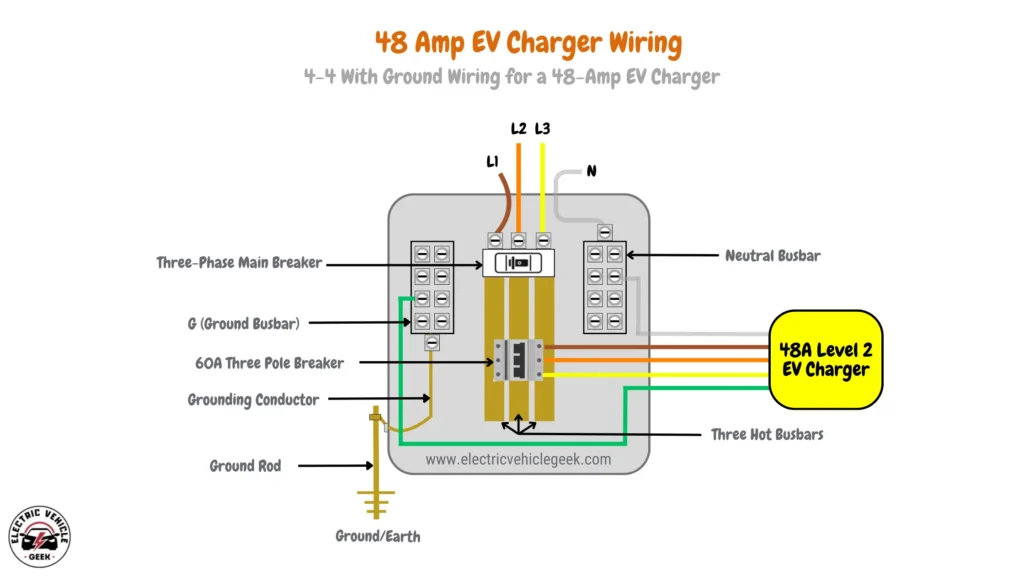
In our 4-4 With Ground Wiring installation for a 48-Amp EV Charger, we used the Siemens Q360 60-Amp Three-Pole Type QP Circuit Breaker.
No products found.
4-3 With Ground Wiring for a 48-Amp EV Charger – NEC – US
4-3 with ground wiring for a 48-Amp EV charger installation requires three conductors (two hots and one neutral) connecting the 48-Amp EV charger with its 60amps double pole dedicated circuit breaker in a three-phase 240V electrical panel, and a ground wire connecting the charger to the 240V three phase electrical panel ground busbar as shown in the 4-3 with ground wiring for a 48-Amp EV charger wiring diagram below:
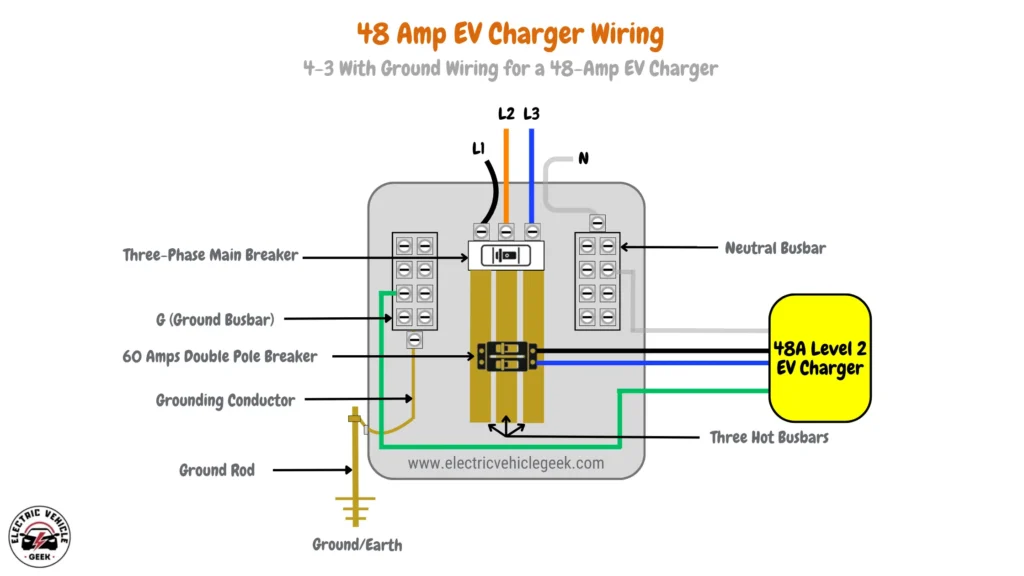
In our 4-3 With Ground Wiring installation for a 48-Amp EV Charger, we used the Siemens Q260 60-Amp Double Pole Type QP Circuit Breaker.
No products found.
48 Amp EV Charger Circuit Breaker Size – NEC – US
The dedicated EV charger circuit breaker size for a 48-amp EV charger is typically 60 amps. This is according to the NEC 125% rule, which states that the rating of an overcurrent device (breaker or fuse) should be at least 125% of the continuous load circuit (loads operating for more than 3 hours, which a 48 amp EV charger falls into)
The breaker size for a 48-amp EV charger is calculated as follows, according to the NEC 125% rule:
48Amps * 125% = 60Amps
Now, based on the NEC Table 310.15(B)(16) (formerly Table 310.16), a 4 AWG copper or #3 AWG aluminum is suitable for the installation of a 48-amp EV charger that requires a 60-amp dedicated circuit breaker.
We recommend connecting only the 48 amp EV charger to a dedicated 60 amp circuit breaker using 4 AWG copper or #3 AWG aluminum as per the NEC 125% rule, allowing the charger to draw a maximum of 48 amps, installing any other appliance to the circuit will lead to the circuit overheating which can cause injury or fire hazard when charging your electric vehicle with the 48 amp EV charger, this is because the devices will draw more than 48 amps.
Tip
For safe and efficient 48-amp EV charger installation, consult a licensed electrician or certified EV charger installer to verify the appropriate wire size and ensure compliance with NEC standards. They will also account for factors such as voltage drop, conductor type, insulation, and installation conditions to guarantee optimal performance and safety.
Best 48-Amp EV Charger
We recently installed and tested 48-amp level 2 chargers, also known as 11.5 kW EV chargers, on a three-phase EV charger installation. This type of installation is common in both residential and commercial EV charger installations and requires a 208V electrical power supply or 240V electrical power supply to the electrical panel.
48-Amp EV charger we recommend includes:
Tesla Universal Wall Connector Review Best Overall
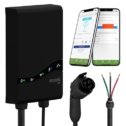
Emporia Pro EV Charger Review
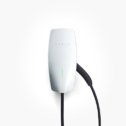
Tesla Gen 3 Wall Connector Review
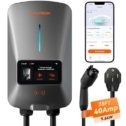
WOLFBOX Level 2 EV Charger Review
A 48-amp EV charger must be installed in accordance with NEC Article 625, which governs electric vehicle power transfer systems and sets the baseline for circuit sizing, wiring methods, and safety.
Because EV chargers operate for extended periods, a 48-amp unit is classified as a continuous load under NEC 625.42. This requires the circuit and overcurrent protection to be sized at 125% of the load per NEC 625.41, resulting in a dedicated 60-amp double-pole breaker.
A 48-amp charger must be hardwired. NEMA 14-50 receptacles are rated for 50 amps maximum and only 40 amps continuous, which does not meet the requirements for a 48-amp EVSE.
Conductor sizing depends on the wiring method. 6 AWG copper THHN/THWN-2 in conduit is acceptable under NEC Table 310.16 (75°C column). When using NM-B cable, 4 AWG copper is required per NEC 334.80, since NM-B must use the 60°C ampacity rating.
Wire length matters. The NEC recommends limiting voltage drop to 3% for branch circuits (Informational Note to 210.19(A)). Longer runs may require upsizing to 4 AWG to reduce heat and efficiency loss.
All terminations must be torqued to manufacturer specifications in accordance with NEC 110.14(D). Improper torque under a 48-amp continuous load is a common cause of overheating and failure.
When installed to these standards, a 48-amp EV charger operates safely, efficiently, and in full compliance with NEC requirements.

James Ndungu is a certified EV charger installer with over five years of experience in EVSE selection, permitting, and installation. He holds advanced credentials, including certification from the Electric Vehicle Infrastructure Training Program (EVITP) and specialized training in EV charging equipment and installation, as well as diplomas in EV Technology and Engineering Fundamentals of EVs. Since 2021, James has tested dozens of EV chargers and accessories, sharing expert insights into the latest EV charging technologies.
Last update on 2026-09-13 / Affiliate links / Images from Amazon Product Advertising API