EV charger certification in the US and North America ensures safety, performance, and compatibility with regional standards for reliable EV charging.
Shopping for a home EV charger can feel overwhelming. Beyond comparing EV charger specifications such as charging speeds and features, you need to make sure your charger meets safety standards.
The certifications stamped on EV charger aren’t just fancy logos. They’re proof that your charger has been tested and won’t turn your garage into a fire hazard.
Table of Contents
- Why Certifications Actually Matter
- Home EV Charger Certifications
- International Certifications You Might See
- What to Actually Look For
- The Bottom Line
Why Certifications Actually Matter
Think of certifications as a charger’s report card. Independent labs put these devices through rigorous testing to make sure they won’t electrocute you, start fires, or fry your car’s battery.
Without proper certifications, you’re gambling with your home’s electrical system. Your insurance company might also refuse to cover damage from uncertified equipment. Most cities require certified chargers to pass electrical inspections.
The good news? Most reputable EV charger brands, and EV chargers we have reviewed, carry the certifications you need. You just have to know what to look for. Certification information typically appears as a recognized UL, ETL, or CSA logo/symbols, or is clearly stated in text like “UL Listed” or “ETL Listed.”
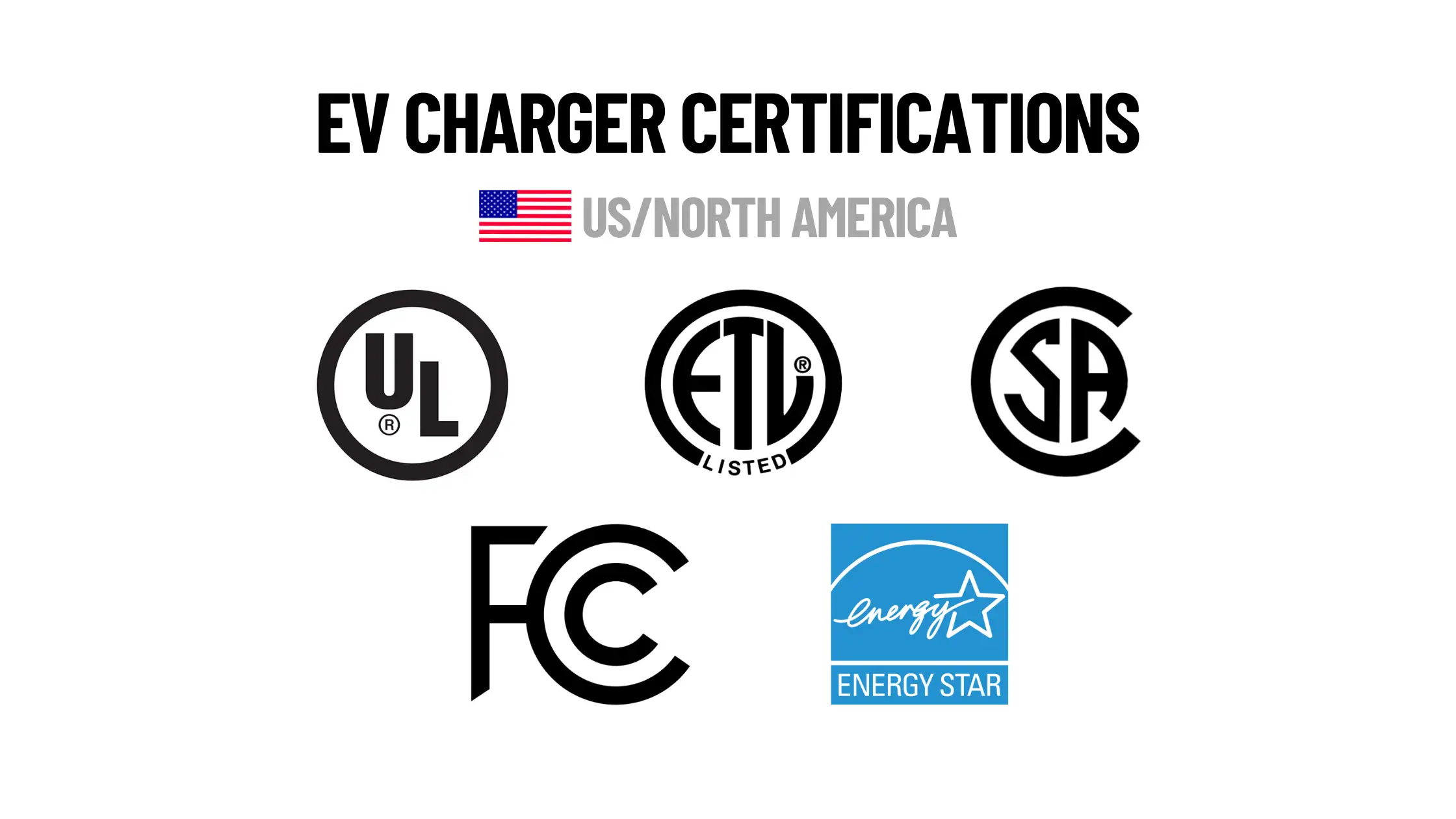
You can typically find these on:
- The product specification sheet
- The manufacturer’s website product page
- The product packaging
- The physical charger enclosure label (usually near the electrical rating plate)
- The installation manual
- The electrical rating nameplate is attached to the unit
If you don’t see a certification mark or listing number anywhere, especially on the physical label, that’s a red flag.
Home EV Charger Certifications
Let’s go over the certifications, what they really mean, and why they matter for both your safety and your wallet.
UL Listed: The Gold Standard
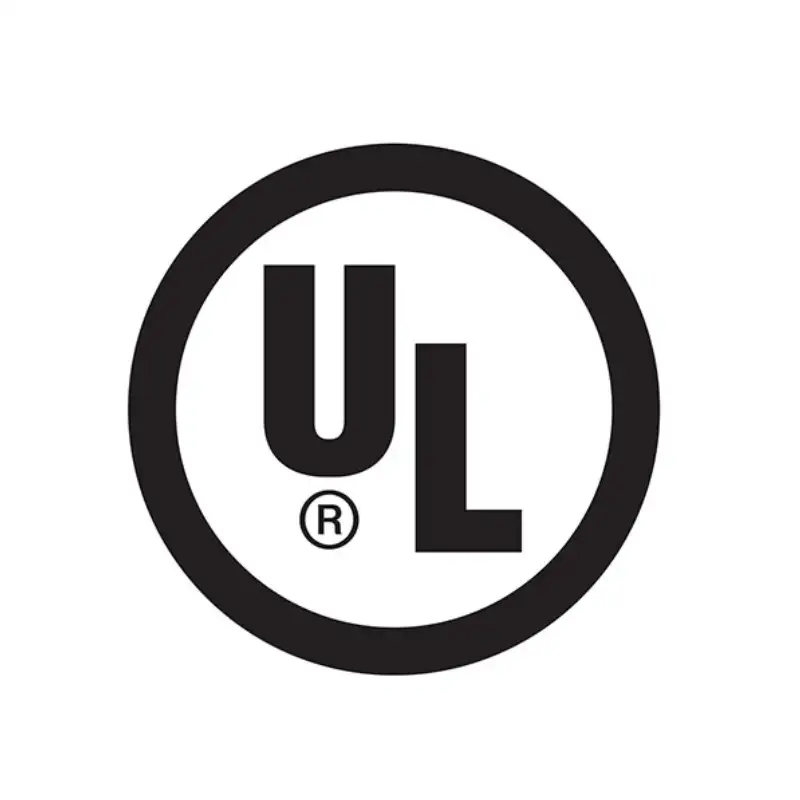
UL stands for Underwriters Laboratories, and their certification is the most recognized safety mark in North America. When you see “UL Listed” on a charger, it means the entire product has been tested and meets strict safety requirements.
UL tests for fire hazards, electrical shock risks, and mechanical dangers. They check how the charger handles power surges, extreme temperatures, and daily wear and tear. The testing process is tough, which is why this certification carries so much weight.
Many local building codes require UL-listed equipment. Your electrician will likely ask for this certification before installing your charger. Learn more about the importance of UL certification in EV chargers.
UL Certified EV Chargers ReviewsWhen selecting a home EV charger, verify compliance with UL 2594, UL 2231-1, UL 2231-2, and UL 1998. These standards confirm the charger has passed rigorous testing for electrical safety, ground-fault protection, thermal management, and software reliability. Meeting these certifications ensures the equipment is safe for residential use when properly installed by a licensed electrician.
UL 2594: Overall Electrical Safety
This certification gets specific about EV charging equipment. UL 2594 focuses on the unique challenges of charging electric vehicles, including cable durability, connector safety, and communication between charger and vehicle.
Chargers with this certification have passed tests for weather resistance, impact damage, and long-term reliability. The standard also covers protection against overheating during extended charging sessions.
This is the certification that separates general electrical equipment from purpose-built EV chargers.
UL 2231-1 and UL 2231-2: Your Personal Protection System
UL 2231-1 and UL 2231-2 certification covers the personnel protection systems in your charger, covering general requirements and specific protection devices used in charging systems.
Generally, they focus on EV supply unit ground fault protection, overcurrent protection, and emergency shutoff systems, all of which fall under this standard. The certification ensures these safety features actually work when you need them.
Think of UL 2231-1 and UL 2231-2 as your charger’s airbag system. You hope you never need it, but you’ll be glad it’s there.
UL 1998: Safety of Software in Programmable Components
UL 1998 covers the safety of software in programmable components, which is critical for the charger’s smart functions and electronic controls.
Check UL Certification Before and After Buying
Always check for the UL mark to make sure your device meets safety standards.
Before buying, look at the product specs on the manufacturer’s website or online listing for “UL Listed” or “UL Certified.” In our EV charger reviews, certifications are also listed in the key specifications tab of each charger page.
After buying, check the physical product. Look on the main label, power brick, back, or bottom of the device, inside the battery compartment, along the cable, near charging ports, or on the rating plate. You can also check the retail box and the “Safety Information” section in the manual.
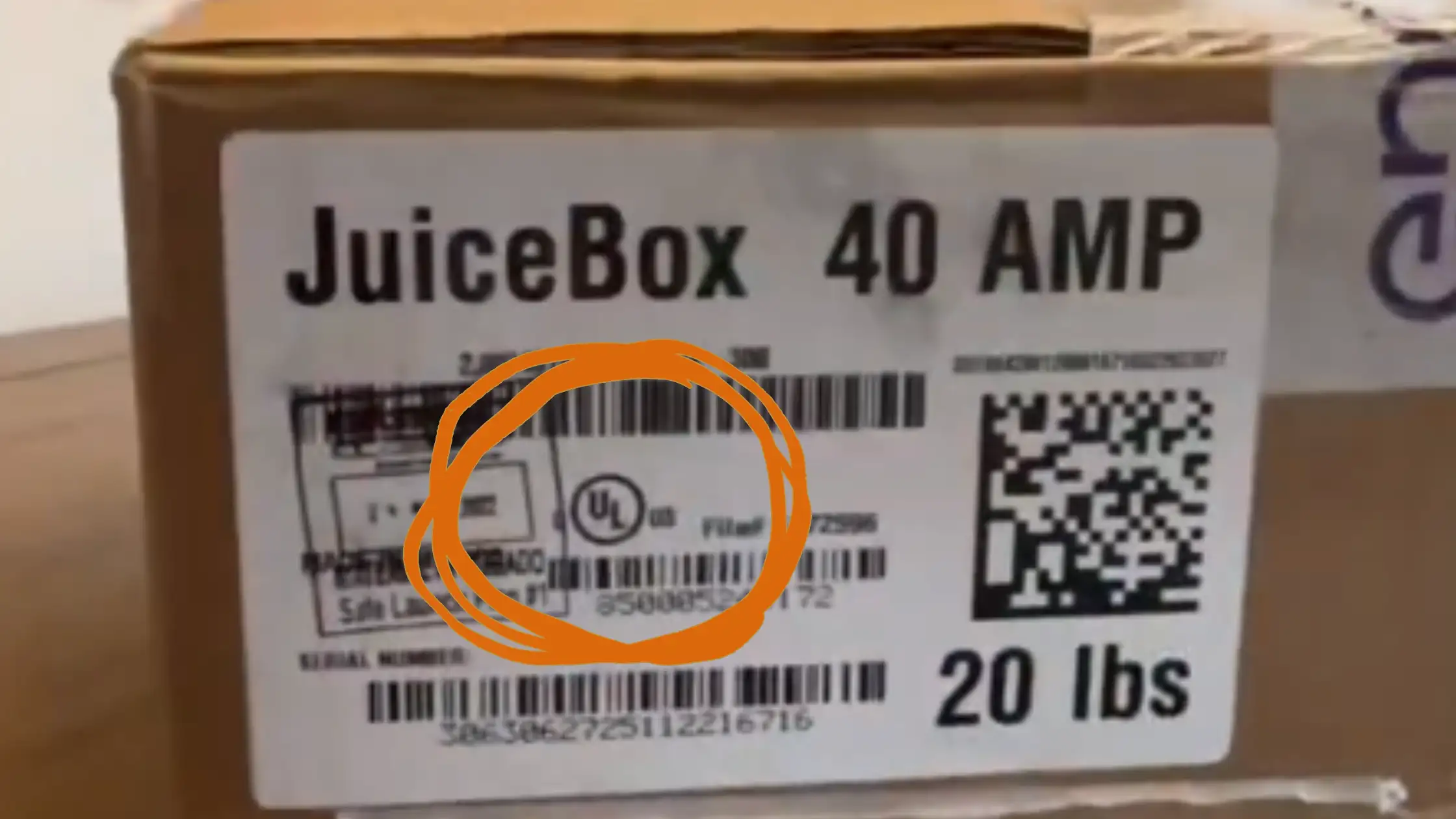
You can also verify certification online using UL’s Product iQ database. Enter the UL File Number from the label, which usually starts with “E,” to confirm the listing.
ETL Listed: The Alternative Choice
ETL certification (Electrical Testing Laboratories) comes from Intertek, another respected testing laboratory. It confirms products meet minimum requirements set by ANSI, UL, and others.
You’ll often see both ETL and UL certifications on EV chargers, and many buyers wonder if one is better than the other. The answer is no, they’re equally valid.
Both ETL and UL are Nationally Recognized Testing Laboratories (NRTLs), meaning they’re approved by OSHA to certify product safety. They test EV chargers against the exact same standards, including UL 2202, UL 2231-2, and UL 2594. The only difference is which lab conducted the testing.
Some manufacturers choose ETL over UL for cost or timing reasons, but the safety protection is identical. Whether you see an ETL or UL mark on your charger, you can be confident it has passed rigorous independent safety testing and meets all required North American standards.
If you see ETL listed instead of UL, don’t worry. Your charger is just as safe.
ETL Certified EV Chargers ReviewsCSA Listed: Canada’s Seal of Approval

The Canadian Standards Association mark, by the CSA Group, is important if you live in Canada or near the border. CSA tests products against Canadian electrical codes/ safety standards, which differ slightly from American standards.
Many chargers carry both UL and CSA certifications, making them legal for installation across North America. This dual certification gives you flexibility if you move or want to resell your charger later.
Not all EV chargers explicitly display CSA certification in their specifications. This doesn’t necessarily mean they’re unsafe or non-compliant for Canadian use.
Both UL and ETL laboratories test EV chargers against CSA C22.2 No. 280, the harmonized North American safety standard for electric vehicle supply equipment. This standard, which aligns with UL 2594, establishes rigorous requirements for Level 1 and Level 2 AC chargers to prevent fire and electric shock in both residential and commercial installations.
Because UL, ETL, and CSA all evaluate products to these identical criteria, a UL or ETL listing provides the same safety assurance as CSA certification for Canadian use. However, it’s always wise to verify with your local authority having jurisdiction (AHJ) or electrical inspector before installation, as requirements can vary by province or municipality.
Key Takeaway: While CSA certification is ideal, UL and ETL certifications generally provide equivalent assurance for Canadian installations. When in doubt, consult your installer or local electrical authority.
FCC Certification for Smart Chargers
FCC certification is required for EV chargers in the U.S. that emit radio frequencies. It means the charger meets Federal Communications Commission (FCC) rules to prevent interference with other electronic devices.
If your charger connects to WiFi, Cellular, or Bluetooth, it’s a smart EV charger that needs FCC certification. The Federal Communications Commission makes sure these wireless signals don’t interfere with other devices or communications systems.
Smart chargers without FCC certification can cause radio interference, affect your home WiFi, or violate federal law. The fines for using uncertified wireless devices can reach thousands of dollars.
EV chargers are tested by FCC-accredited labs such as Intertek and approved by a Telecommunication Certification Body (TCB), with results stored in the public FCC database.
For home chargers, look for FCC Part 15 Class B or IC certification for EMC (Electromagnetic Compatibility), which ensures the charger won’t interfere with Wi-Fi, TV, radio, or other electronics. This is especially important to verify if you’re choosing a smart charger with app connectivity or remote monitoring features.
FCC Listed EV Chargers ReviewsEnergy Star: Saving Money While Charging
To earn the ENERGY STAR, an EV charger must meet strict energy efficiency standards set by the U.S. Environmental Protection Agency (EPA) or the U.S. Department of Energy (DOE).
Energy Star certification isn’t about safety. It’s about efficiency. Certified chargers waste less electricity during the charging process and when sitting idle.
Over the years of ownership, an Energy Star charger can save you real money on electric bills. The certification also means the charger has smart features like scheduled charging during off-peak hours.
Many utility companies offer rebates for Energy Star-certified chargers, which can offset your purchase price.
ENERGY STAR Certified EV Chargers ReviewsInternational Certifications You Might See
Some chargers display CE marks, TÜV certification, or RoHS compliance. These are European standards that don’t replace North American certifications but show the manufacturer takes safety seriously worldwide.
The CE mark indicates European safety compliance. TÜV is a German testing organization similar to UL. RoHS means the charger doesn’t contain hazardous materials like lead or mercury.
These marks are nice bonuses, but shouldn’t be your main decision factors in the United States.
What to Actually Look For
When shopping, start with the basics. Make sure your charger has either UL or ETL listing at a minimum. Check for UL 2594 and UL 2231 if you want the complete safety package.
If you’re buying a smart charger with app control or remote monitoring, check for FCC Part 15 Class B certification. This ensures the charger won’t interfere with your home’s Wi-Fi or other electronics.
Energy Star certification is worth considering if you want to save on electricity costs. It’s especially helpful if you’re using home solar EV chargers or off-grid EV chargers where efficiency really matters. Keep in mind that Energy Star shows a charger is energy-efficient, but it’s not a safety requirement.
Read the product specifications carefully. Some sellers display certification logos they don’t actually have. When in doubt, check the manufacturer’s website or contact them directly.
The Bottom Line
Certifications protect your investment, your home, and your family. They’re not optional extras or marketing fluff. These marks represent thousands of hours of testing and engineering.
Buying a certified charger might cost slightly more upfront, but uncertified equipment can lead to insurance nightmares, failed inspections, and actual safety hazards. The few extra dollars are worth the peace of mind.
Stick with recognized certifications from UL, ETL, or CSA, and you’ll be charging safely for years to come.

James Ndungu is a certified EV charger installer with over five years of experience in EVSE selection, permitting, and installation. He holds advanced credentials, including certification from the Electric Vehicle Infrastructure Training Program (EVITP) and specialized training in EV charging equipment and installation, as well as diplomas in EV Technology and Engineering Fundamentals of EVs. Since 2021, James has tested dozens of EV chargers and accessories, sharing expert insights into the latest EV charging technologies.