Smart EV Charging means charging electric cars using advanced technology that lets you control and manage the charging process better.
This includes features like using an app to start or stop charging, scheduling charging times to save money during off-peak hours, tracking how much energy you use, and balancing the electrical load to avoid overloads. It can also connect with solar power or home energy systems. Some smart chargers even let energy flow back to your home or to the grid, a process called bidirectional charging.
Smart EV charging makes charging easier, more efficient, and cheaper, while also helping keep the power grid stable compared to regular chargers.
Table of Contents
What Is a Smart EV Charger?
A smart EV charger is an electric vehicle charging station that connects to the internet or your smartphone, allowing you to remotely control charging, schedule sessions, track energy use, and integrate with home energy systems for a smarter, more efficient charging experience.
Check Smart EV Charger ReviewsOur smart EV charger reviews dive deep into each model’s connectivity and integration features. We evaluate remote monitoring, programmable scheduling, energy usage tracking, and compatibility with home energy management systems or IoT platforms to help you find the charger that best fits your needs.
Smart EV Charging Features
Smart EV charging features optimize charging efficiency, cost, and safety through intelligent, connected technology. Key capabilities include scheduling during off-peak hours, dynamic load balancing to prevent circuit overload, remote app control, solar integration, bidirectional charging (V2H/V2G), and real-time usage monitoring. These features help reduce electricity bills and support grid stability.
How Does Smart EV Charging Work in Practice?
Let’s walk through the process of Smart EV Charging by referring to the Smart EV Charging features as shown in the infographic image below:
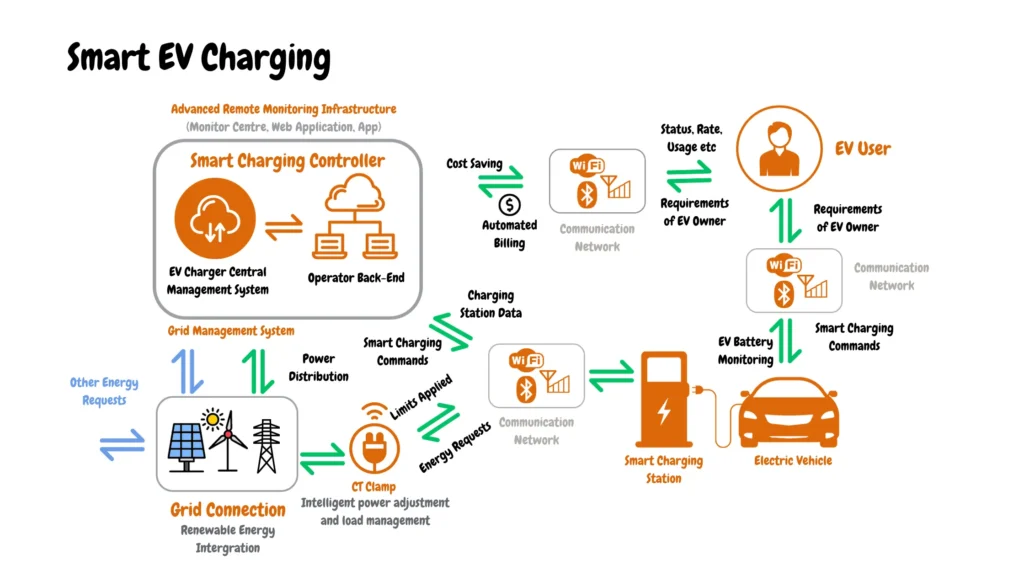
The first step in Smart EV charging involves connecting the smart EV charger to the grid, as shown in the Smart EV charging infographics image above; the grid can be connected to your existing electrical grid using a rectifier and a DC converter or renewable energy electricity grid such as those of Electrify America’s which is the leading electric vehicle charger that uses 100% of its electricity from renewable energy.
A typical electric vehicle grid integration will connect several smart EV charging stations through a grid management system that links the EV owner to the electric grid, as well as to technologies, policies, and strategies to meet its EV smart charging goals.
The grid management system integrates with bidirectional charging stations, managed charging, Vehicle-to-grid (V2G), or Smart grid integration. The most common connection for home EV charging connections with the grid EV charging management system is the use of a CT Clamp, as shown in the Smart EV Charging diagram above, which allows dynamic load balancing using intelligent power adjustment and load management to help in energy distribution among charging stations.
The CT Clamp allows the smart EV charging environment to adapt to variable Time of Usage (ToU) electricity tariffs that might arise during your EV charging processes, saving on the electricity costs of charging your EV.
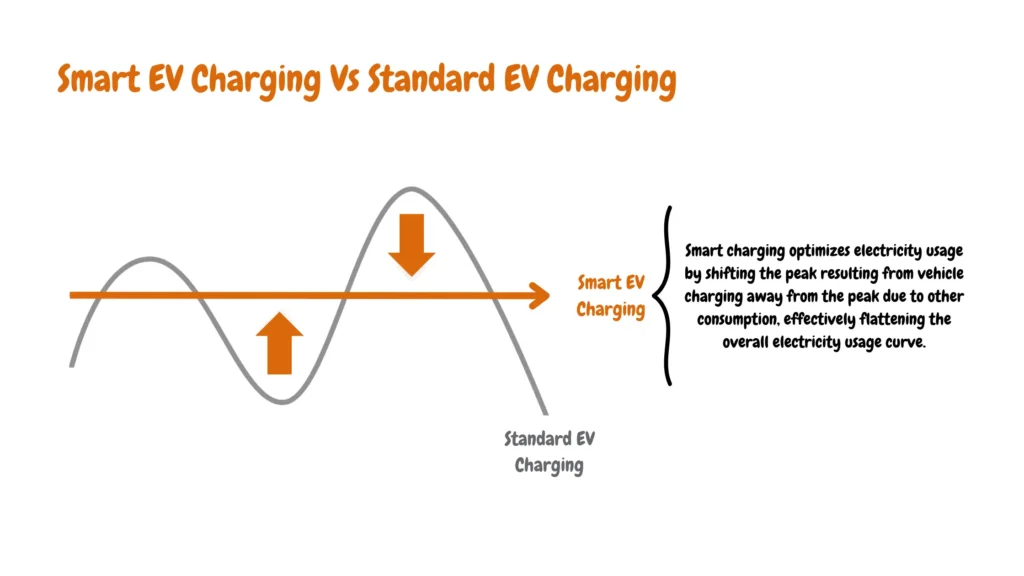
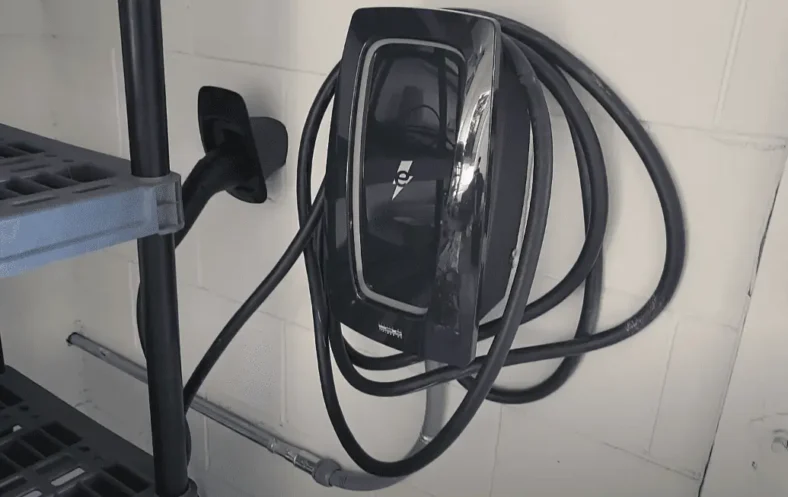
At the heart of a Smart EV charging system is the Smart EV Charging station that charges the electric car and also connects to the grid management system, smart charging controller, and advanced remote monitoring infrastructure.
As shown in our EV charging scheduling chart below, we manage and schedule our EV charging through the Enphase App.
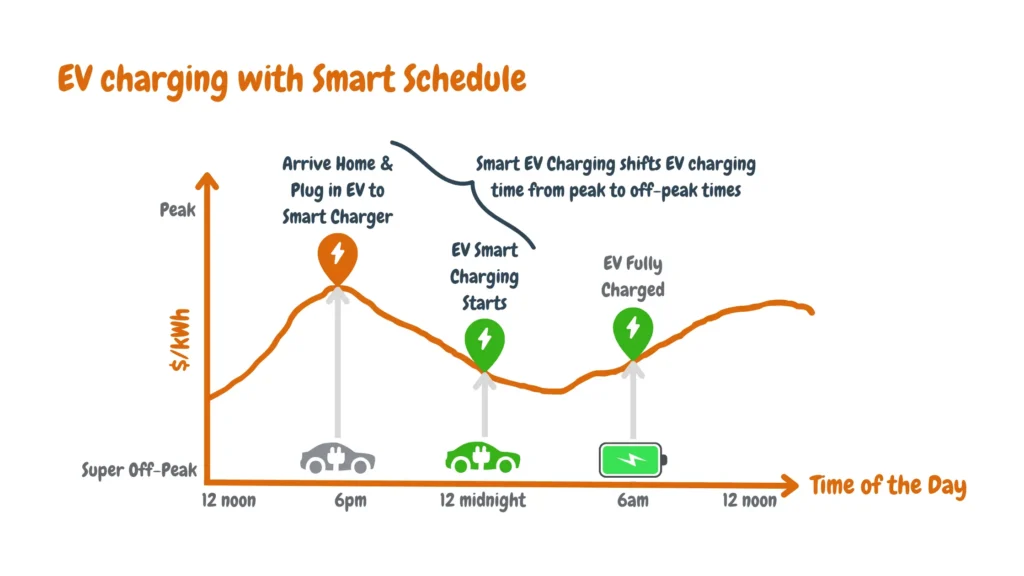
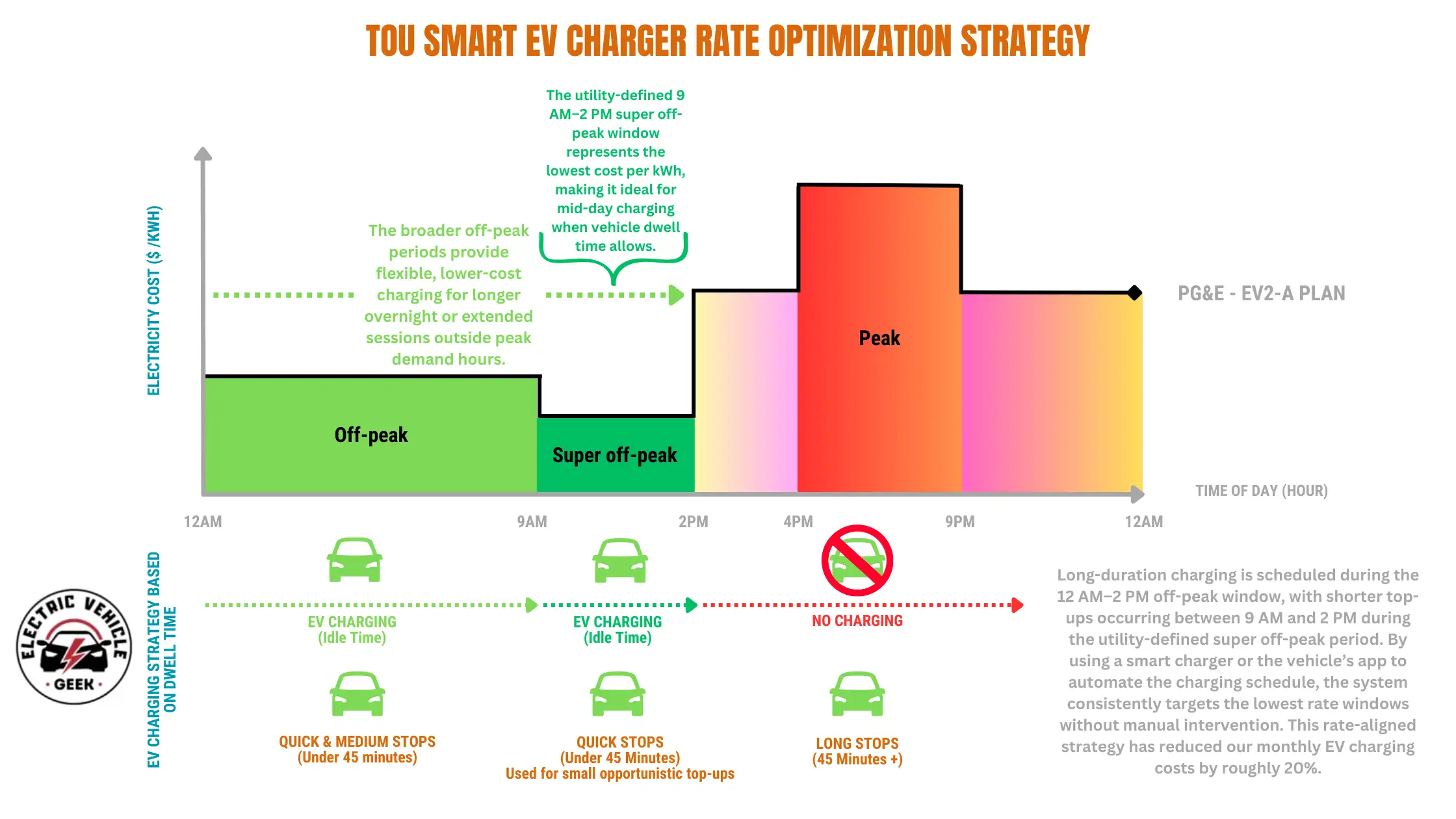
Our Enphase IQ EV Charger follows a time-of-use (TOU) EV charging strategy, automatically starting charging at the beginning of super off-peak hours around midnight. When we arrive home at 6 PM and plug in the vehicle, the smart charger remains idle and does not begin charging until off-peak hours start at midnight. By the time we wake up at 6 AM, the EV battery is fully charged while benefiting from the lowest electricity rates available.
Smart EV charging stations incorporate cutting-edge communication modules (Wifi, Bluetooth, or GSM) and sensors that are essential to the smart EV charging framework to enable communication and data transfer between the grid management system, smart charging controller, and advanced remote monitoring infrastructure through the monitor center, web application, or an application.
A connected network of smart EV charging infrastructures must be established on an optimized smart EV charging system using the Standardised Communication Protocols for EV charging infrastructures ( IEC 63110 and ISO 15118), which have led to the growth of smart EV charging communication protocols such as open charge point protocol (OCPP) that enables communication in an EV charging environment, such as the grid capacity, dynamic load management, energy prices, supply of energy and user preferences to the grid management system.
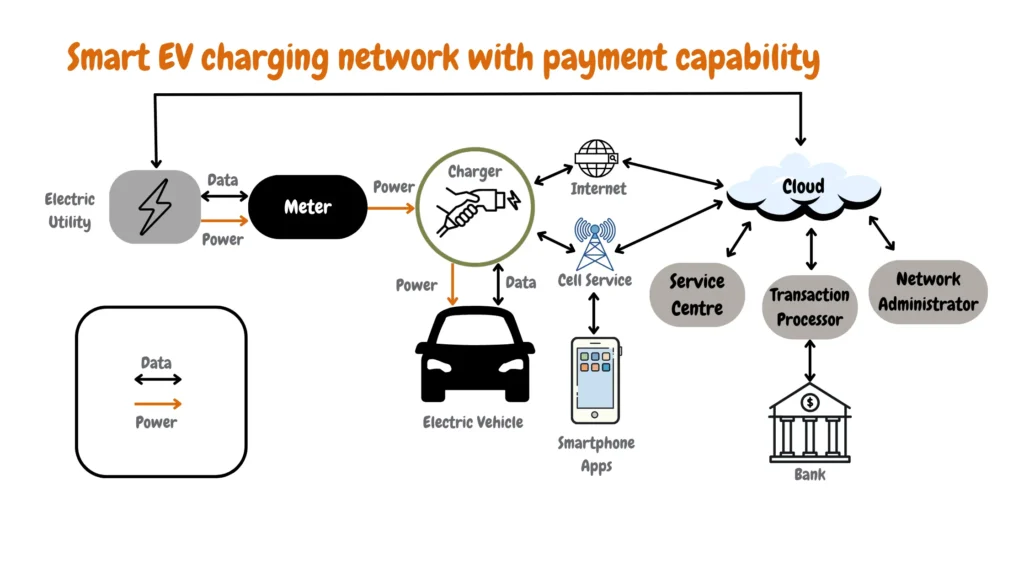
Modern EV chargers allow Smart EV Charging Network Connectivity using Wifi, Cellular connectivity, and Bluetooth to connect smart EV charging hardware and software, such as the charging station, smart charging controller, central management system, etc, allowing seamless data exchange.
Smart EV Charging Network Connectivity in a smart EV charging system provides real-time data exchange between smart EV charging hardware and also provides actionable insights, such as automated billing, advanced remote monitoring, and other digital services, such as status, rate, and usage reports for EV drivers.
Is a Smart EV Charger Worth It?
For businesses using smart EV DC Chargers, smart charging leads to increased customer traffic, revenue from charge points, and energy cost savings. It also ensures control over energy capacity, avoiding peak pricing charges, especially for businesses that own fleets of vehicles; smart charging guarantees vehicles have sufficient energy for their routes.
Individual EV drivers who use smart Level 2 AC Chargers enjoy cheaper, eco-friendly, and safer charging, with added benefits for those with home-based renewable energy systems.

James Ndungu is a certified EV charger installer with over five years of experience in EVSE selection, permitting, and installation. He holds advanced credentials, including certification from the Electric Vehicle Infrastructure Training Program (EVITP) and specialized training in EV charging equipment and installation, as well as diplomas in EV Technology and Engineering Fundamentals of EVs. Since 2021, James has tested dozens of EV chargers and accessories, sharing expert insights into the latest EV charging technologies.