Planning to install a solar-powered electric vehicle (EV) charging system?
Whether you want a simple home solar EV charging system paired with a solar EV charger or a complex hybrid solution with bidirectional EV charging, such as Vehicle to Grid (V2G) or Vehicle to Home (V2H), and energy storage, creating a detailed Request for Proposal (RFP) is a critical step.
Unlike a standard installer “quote,” an RFP sets clear expectations upfront and acts as a standardized benchmark that every bidder must meet. This enables you to receive fair, comparable, and high-quality proposals while reducing risk and surprises.
This comprehensive guide, inspired by our own experience designing our Solar-Powered EV Charging System Project, walks you through everything you need to include in your solar EV charging RFP. From basic requirements to advanced systems and financing structures, it gives you the confidence to select the best partner for your project.
Check out our expert reviews to find the top-rated Solar EV chargers for every need and budget! [here]
Table of Contents
- Types of Solar EV Charging RFPs
- Core Sections to Include in Your Solar EV Charging RFP
- Project Overview and Objectives
- Contractor Qualifications & Credentials
- System Design, Energy Requirements & Equipment Standards
- Warranties, Performance Guarantees & Operations
- Financial Modeling & Incentives
- Project Timeline and Milestones
- Risk, Responsibility, and Ownership Clarification
- Proposal Submission and Evaluation Criteria
- Best Practices for a Successful Solar EV Charging RFP
- How Electric Vehicle Geek Supports Your Solar EV Charging RFP
- Conclusion
Types of Solar EV Charging RFPs
Not all solar EV charging projects are the same. The type of RFP you issue depends on how you want to handle ownership, risk, and complexity. Understanding these differences helps you prepare a targeted RFP.
EPC and Design-Build RFPs (Engineering, Procurement, Construction)
- Ownership: You purchase and own the system outright.
- Responsibility: The contractor handles system design, permitting, construction, and commissioning.
- Focus: Detailed scope of work, engineering assumptions, equipment specs, permitting and interconnection readiness, schedule, and cost control.
- Best for: Owners wanting full control and long-term benefits of ownership.
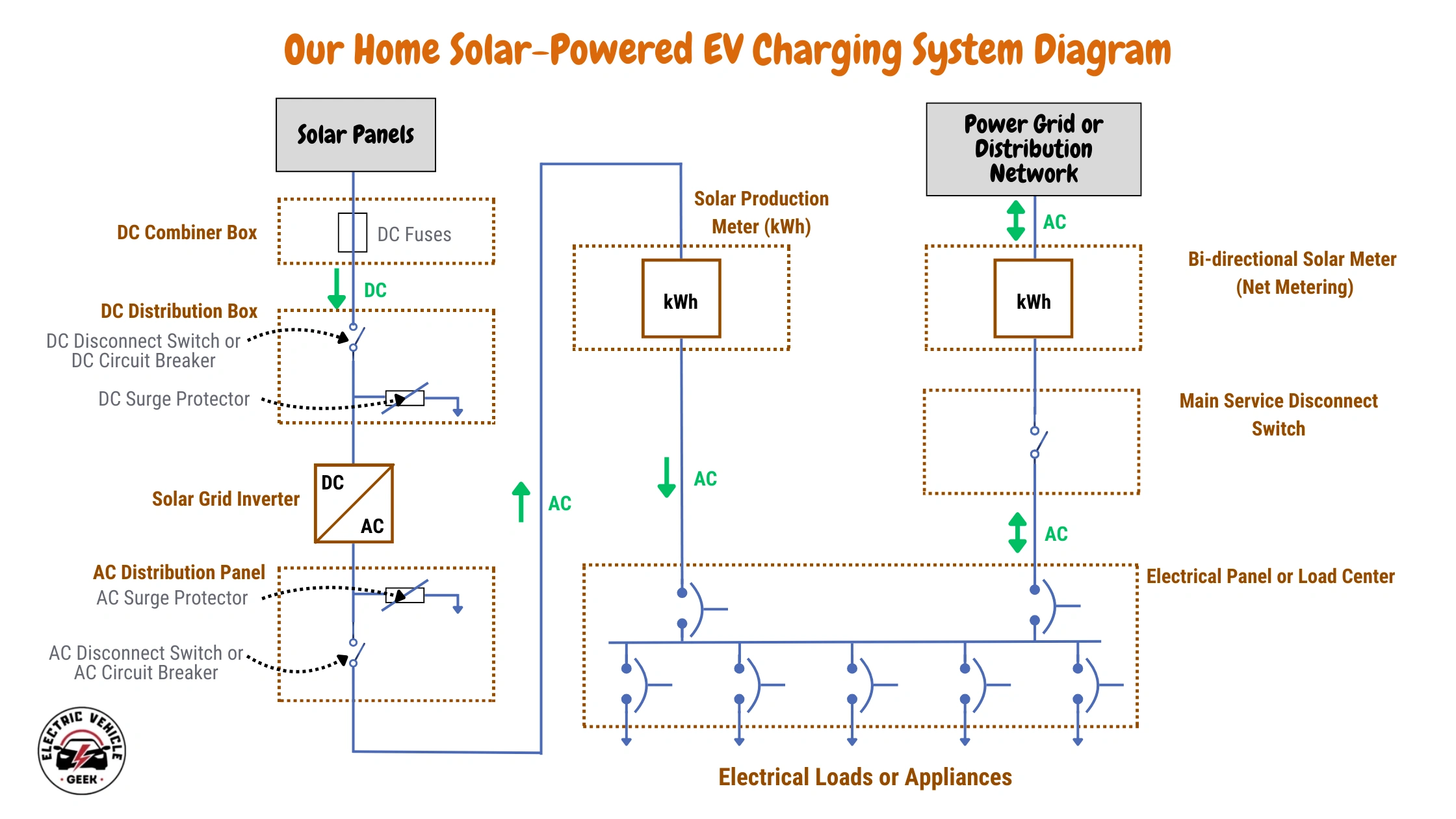
In the evolving 2025–2026 U.S. market, fully integrated Design-Build firms are leading the way by bundling solar, battery storage, and EV charging into single contracts.
These “bundlers” take full responsibility, from engineering and procurement to construction, utility interconnection, and even tax credit paperwork under the Inflation Reduction Act (IRA). This approach reduces homeowner risk, ensures transparent pricing with guaranteed maximums, and simplifies project management by having a single point of accountability.
Notable firms like JUS Charging Systems, NextEra Energy Resources, and Sustainable Capital Finance specialize in these bundled Design-Build solutions, which include advanced load management, universal EV charger compatibility (Tesla NACS + J1772), and compliance with federal incentives. This is especially critical for multi-unit residences or HOAs, where smart load management prevents electrical overloads while supporting multiple EV chargers seamlessly.
Additionally, emerging EV charger manufacturers such as Wallbox and FreeWire Technologies are introducing bidirectional and battery-integrated chargers, making integrated solar + EV + storage projects more resilient and efficient.
Leveraging EPC or Design-Build contractors helps homeowners and residential groups achieve consistent, reliable results, minimize coordination complexity, and stay future-proof in a rapidly innovating market.
Solar PPA RFPs (Power Purchase Agreements)
- Ownership: A third party owns and operates the system; you pay for the electricity generated.
- Focus: Levelized cost of energy, developer’s creditworthiness, financing structure, long-term operations and maintenance, performance guarantees, and interconnection.
- Best for: Those who want solar benefits without upfront capital expenses.
If pursuing a residential PPA independently, we recommend choosing providers like Sunrun, SunPower, or Trinity Solar, which offer Level 2 EV chargers bundled with their PPA packages.
When comparing offers, we recommend carefully reviewing whether the PPA covers necessary electrical upgrades (such as panel upgrades), understanding the effects of escalator clauses on long-term savings, and confirming that contracts, including EV charger equipment, are transferable if you sell your home.
PV + Storage / Hybrid RFPs
Scope: Solar PV combined with battery storage and often bidirectional EV charging (vehicle-to-home or vehicle-to-grid).
Requirements: Integrated system modeling, utility coordination for export limits, advanced interconnection analysis, and clear control strategies for energy flows, resiliency, peak shaving, or backup power.
Best for: Owners with complex energy management needs or resilience goals.

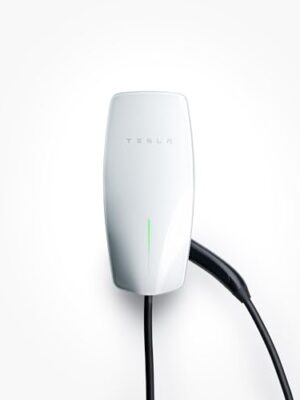
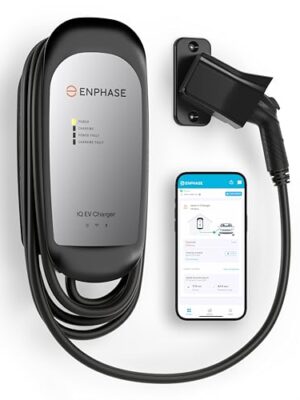
The Enphase IQ 50 40 Amp Smart EV Charger delivers 9.6kW of power at 240V with a hardwired installation and a 25ft cable. Featuring Wi-Fi connectivity, a ruggedized J1772 connector, and safety certifications, it ensures reliable, efficient charging. Backed by a 5-year warranty, it’s ideal for home use and future-proofing.
Using components from one manufacturer ensures seamless communication between the solar, storage, and EV charging systems, simplifies installation and maintenance, and improves overall system reliability and performance.
Integrated ecosystems also often provide unified monitoring, control software, and support, which is especially important for complex hybrid setups involving bidirectional charging and advanced energy management.
Core Sections to Include in Your Solar EV Charging RFP
Your RFP should be clear and well-structured. Include these key sections:
Project Overview and Objectives
- Project Purpose: Briefly describe what you want to achieve (e.g., install rooftop solar paired with Level 1 or Level 2 or bidirectional EV chargers).
- Location and Site Type: Provide the site address and specify the installation type (residential roof, parking lot, ground mount).
- Number and Type of EV Chargers:
- Specify how many EV chargers you need.
- Include charger types such as:
- Tesla/NACS: Tesla’s proprietary connector.
- NEMA 14-50 Outlets: Standard 240V outlets used with portable Level 2 chargers.
- J1772 Chargers: Common Level 2 connector for most non-Tesla EVs.
- DC Fast Chargers: High-speed chargers for rapid commercial/public charging.
- Note if bidirectional (V2H/V2G) capability is required.
- Expected EV Usage and Energy Demand: Estimate daily or monthly kWh needed for EV charging.
Sustainability Goals: Outline any targets for carbon reduction or renewable energy usage.
Contractor Qualifications & Credentials
Require proof of professional qualifications to ensure quality and safety:
- Valid state electrical and contractor licenses.
- NABCEP certification or equivalent solar industry credentials.
- Proof of insurance, including general liability and workers’ compensation.
- Relevant experience with similar solar and EV charging installations.
System Design, Energy Requirements & Equipment Standards
- Energy Requirements:
- Provide your expected daily or monthly electricity consumption for EV charging (in kWh).
- Include historical utility bills or energy usage profiles if available.
- Number and type of EV chargers, charging speeds (amperage, voltage), and estimated daily charging hours or kWh per charger.
- Solar generation goals (desired system capacity in kW) to offset or fully supply your charging needs.
- Any load management or peak demand requirements to optimize energy use and costs.
- Future scalability plans (e.g., adding more chargers or batteries).
- System Size and Type: Specify panel types (preferably Tier 1), inverter technology (string, microinverter, optimizers), and EV charger models.
- Equipment List: Require a detailed bill of materials, including panels, inverters, chargers, wiring, and mounting hardware.
- Plan Set Consistency: Mandate Single-Line Diagrams (SLD) and site or roof layouts that match the equipment list exactly.
- Integration & Controls: For bidirectional or hybrid systems, define communication protocols, control logic, and fail-safe mechanisms.
Code Compliance: Ensure all designs meet NEC standards, permitting, zoning, and utility interconnection requirements.
Warranties, Performance Guarantees & Operations
Request comprehensive warranty and service details:
- Triple-layer warranty: Product warranty (hardware defects), performance warranty (power output over 25 years), and workmanship warranty (installation labor).
- Operations & Maintenance (O&M) plan, including monitoring, preventive maintenance, response times, and troubleshooting.
- Performance guarantees addressing weather variability and energy production expectations.
Financial Modeling & Incentives
Make sure proposals include:
- Detailed cost breakdown (equipment, installation, permits, dealer/financing fees).
- Financing options with transparent terms (loans, leases, PPAs).
- Federal Investment Tax Credit (ITC), local rebates, SRECs, and net metering benefits.
- Long-term financial analysis: 25-year cash flow, payback period, Net Present Value (NPV).
- Environmental impact estimates (carbon offsets).
Project Timeline and Milestones
Ask vendors/installers to provide a detailed schedule, including:
- Site audit or survey date.
- Permitting submission and expected approval windows.
- Installation start and completion dates.
- Utility interconnection and Permission to Operate (PTO).
- Final commissioning and handover.
Risk, Responsibility, and Ownership Clarification
Clarify how risks will be managed depending on project type:
- EPC/design-build projects place design and construction risk on contractors.
- PPAs shift operational and performance risks to the third-party owner/operator.
- Hybrid systems may involve complex contractual arrangements covering storage, bidirectional charging, and grid services.
Proposal Submission and Evaluation Criteria
Explain how you want bids submitted and evaluated:
- Submission deadline and preferred formats.
- Required documentation (licenses, equipment specs, financial models, timelines).
- Evaluation criteria and weighting (price, quality, timeline, credentials).
- Contact information for questions.
Best Practices for a Successful Solar EV Charging RFP
- Use clear, plain language to make your RFP accessible and easy to understand.
- Provide site data and visuals such as photos, maps, or energy usage history.
- Limit choices to one recommended system and one alternative to avoid decision paralysis.
- Include a clear call to action with deadlines and next steps.
How Electric Vehicle Geek Supports Your Solar EV Charging RFP
Preparing and responding to a Solar EV Charging Request for Proposal (RFP) involves detailed technical documentation, system integration, and strict adherence to permitting and utility requirements. Electric Vehicle Geek specializes in helping installers and project owners handle these demands effectively.
We provide permit-ready engineering plans, thorough design reviews, and accurate interconnection paperwork designed specifically for solar and EV charging projects. Our services ensure your RFP submissions meet all local codes and utility standards, reducing the risk of delays or rejections.
By working with Electric Vehicle Geek, you can streamline the approval process, keep projects on schedule, and present stronger, more reliable proposals. Whether you’re creating an RFP for a solar + EV charging system or responding to one, our support delivers the technical precision needed for success.
We are experts in EV charging and solar installation. We help with detailed plans, reviews, and paperwork to make your Solar EV Charging RFP strong and easy to approve. Contact Electric Vehicle Geek today to get the support you need and keep your project moving forward.
Conclusion
Creating a detailed, well-structured solar EV charging RFP empowers you to select the best installer, secure fair pricing, and avoid costly errors. By covering everything from project goals to warranties, financing, energy requirements, and timelines, and by understanding different RFP types from simple EPC projects to complex hybrid systems, you position your project for success.

James Ndungu is a certified EV charger installer with over five years of experience in EVSE selection, permitting, and installation. He holds advanced credentials, including certification from the Electric Vehicle Infrastructure Training Program (EVITP) and specialized training in EV charging equipment and installation, as well as diplomas in EV Technology and Engineering Fundamentals of EVs. Since 2021, James has tested dozens of EV chargers and accessories, sharing expert insights into the latest EV charging technologies.