Whether you live in cold Alaska or hot Arizona, the operating temperature range of your EV charger is a spec you should never overlook when picking a charger.
Why Operating Temperature Matters
Most EV owners spend a lot of time comparing amps, cable length, and smart features. The operating temperature rarely makes that list. It starts to matter the first time a charger stops working during a cold snap or a summer heat wave.
Operating temperature is a safety and performance spec. Extreme heat or cold can reduce charging speed, shorten the unit’s lifespan, or trigger a safety shutdown. A charger with solid thermal management keeps working when the weather pushes other units offline.
EV chargers are high-voltage electronics. Heat wears down the parts inside. Cold makes plastic and rubber brittle, making the cable stiff and hard to plug in. A charger that is not built for a wide range of temperatures is a poor fit for outdoor use in areas with large seasonal temperature swings.
This guide explains what the operating temperature spec really means, how heat and cold affect the charger’s behaviour, and how to match a unit to your climate.
What Is EV Charger Operating Temperature?
Operating temperature is the range of outside air temperatures within which the charger is tested to work safely and reliably. It is listed as a low number and a high number, usually in Fahrenheit or Celsius.
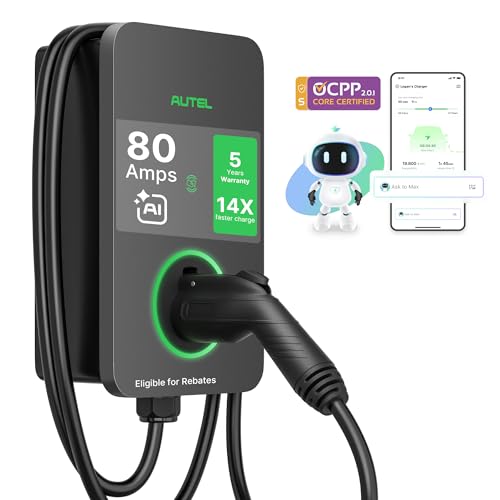
For example, the Autel MaxiCharger 80A is rated from –40°F to 131°F. Autel has tested the unit to ensure it runs safely across the entire range. If conditions drift past those limits, the charger may slow down, trip an error, or stop working.
This rating only covers the charger itself. It does not promise that your car will charge at full speed. The EV battery decides how much power it will accept. A cold battery or an overheated charger can slow charging long before either one hits the edge of its rating.
In short, the operating temperature is the range in which the charger can run safely. It does not show the range where it will always charge at peak speed. Those are two different things.
How High Temperatures Affect EV Charger Performance
Heat is usually the bigger threat to a charger’s life and speed. When internal parts get hot, their electrical resistance goes up. That turns some of the incoming energy into more heat instead of sending it to your car, so you get slower charging and wasted power.
Thermal Derating
Above about 104°F (40°C), many chargers lower their output amps on their own. This is called thermal derating. It is a safety feature built into the firmware to prevent the unit’s interior from melting or catching fire.
Derating can be very aggressive. A 48A charger may drop to 24A on a hot afternoon to stay inside safe limits. You paid for 48A, but the unit is delivering half that until it cools off. High-amperage chargers feel this more, since they make more heat by design.
The Autel MaxiCharger 80A, rated up to 131°F with active thermal management, handles heat better than most. Its high ceiling, sealed enclosure, and built-in overtemperature monitoring help it keep power flowing even in conditions that would throttle a weaker unit.
Component Ageing and Lifespan
Steady high heat does more than just slow one session. It ages the capacitors, insulation, and power modules inside the charger. A unit that spends years in harsh heat may start showing random errors, or simply fail, after three to five years.
A south-facing wall in direct afternoon sun can push the surface of a charger well above the air temperature. A charger rated for 122°F might see 140°F or higher on its own case if the sun is hitting it directly. Light-colored housings reflect sunlight, while dark cases absorb it and reach their thermal limit much sooner.
If your charger is throttling often on hot afternoons, check the mounting spot before you blame the unit. Poor airflow or direct sun is the real cause most of the time.
Hot Spots at the Plug
Heat makes metal connectors expand a little. If the plug is slightly loose or if there is any corrosion on the pins, the resistance increases right at the contact. That spot heats up fast and can melt the plastic housing on the J1772 or NACS handle. Silver-plated contacts run cooler than standard ones, which is a good feature to look for in hot climates.
Seal and Pressure Issues
Sealed outdoor chargers (IP66 or higher) have to deal with fast heating and cooling, too. Quality units use breather glands to balance the pressure inside the case. Cheaper units can lose their seal over time, which lets moisture in during the first cool, wet night after a hot day.
How Low Temperatures Affect EV Charger Performance
Cold weather brings its own set of problems. The risks are different from heat. Cold will not usually start a fire, but it can make the charger stiff, slow, and harder to use, and it can shorten the life of the cable and the seals.
Brittle Plastics and Seals
In very cold weather, the plastic and rubber parts inside a charger can turn brittle and crack. Relay contacts and solder joints undergo expansion and contraction cycles whenever the temperature swings past freezing. Over a few winters, those cycles can create tiny fractures in the parts inside. A unit with a narrow cold-weather rating may make it through one Minnesota winter, then fail in its second or third.
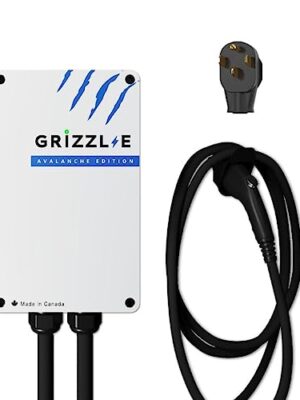
A well-sealed enclosure helps a lot here. The Grizzl-E Smart and Grizzl-E Classic, both IP67/NEMA 4 rated with a low-temperature rating of minus 22°F, are built with this in mind. The tight seal keeps snow and rain from freezing inside the case, which can speed up wear.
Cable Stiffness in the Cold
Stiff cables are the first cold-weather issue most owners notice. On cheap chargers, the plastic jacket on the cable hardens in freezing air. It becomes hard to uncoil, hard to plug in, and more likely to crack at tight bends over time. A stiff, heavy cable can even pull the car’s charge port to the side, which is not great for the port connector.
Better chargers use flexible cables rated for sub-zero temperatures. Look for cable jackets made of TPE (thermoplastic elastomer) rather than standard PVC. The Grizzl-E lineup is well known for staying flexible in the cold, which is a big deal if you plug in outdoors every morning in winter.
Latches, Screens, and Safety Trips
Frozen moisture can jam the trigger latch on the J1772 handle. If the latch does not click into place, the safety pilot signal does not connect, and the session never starts. Built-in screens on smart chargers also slow down in the cold. The display may go ghostly, lag, or take a minute or two to wake up.
Extreme cold can also cause nuisance tripping on sensitive Ground Fault Circuit Interrupter (GFCI) parts. The electrical resistance of copper and insulation shifts with temperature, and cheap GFCI units can trip just because the sensors drifted out of calibration. Better chargers use temperature-compensated GFCI that holds steady across a wide range.
Battery Behaviour in the Cold
This one is not the charger’s fault, but it changes how things feel. The car’s Battery Management System (BMS) protects the battery cells in cold weather by requesting a very low charge rate. This is called the “crawl start,” and it stops a dangerous process called lithium plating that can damage cells. Your charger is fine. The car is just warming the battery before it will accept a faster charge.
Efficiency Loss
Extreme cold increases the internal resistance of the charger’s components, just as heat does. Some energy is lost to resistance before it reaches your car. Combined with the battery’s own cold-weather limits, a freezing-morning session will almost always be slower and less efficient than a mild-day session, even with a top-rated charger.
Cold-weather loss inside the charger is small compared with what happens inside the battery, though. A good charger stays online and ready. The car decides what to take.
What Temperature Range Do You Actually Need?
The right spec depends on your climate and where the charger will be mounted.
Outdoor Installs in Cold Climates
If you live in a northern state or Canada and are mounting the charger on an outside wall, match the low-end rating to your area’s record lows, not average winter temperatures. Alaska, Minnesota, and North Dakota routinely hit minus 20°F and below. Montana and the upper Midwest can drop past minus 30°F.
In those regions, a charger rated to –40°F gives you real headroom. The Autel MaxiCharger 80A, Autel Home Smart, Autel AC Elite series, JuiceBox 40 Amp (rated minus 40°F to 140°F), and Webasto Go Dual Voltage (rated minus 40°F to 167°F) all hit this mark. The ApexCharger MACH 1, 2, and 3, rated to minus 31°F, sit in second place and cover nearly every U.S. cold-weather record.
The Grizzl-E Smart and Grizzl-E Classic are rated to minus 22°F, which still covers most of the northern U.S. and Canada with room to spare.
Outdoor Installs in Mild or Warm Climates
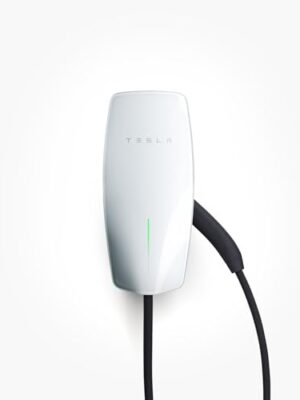
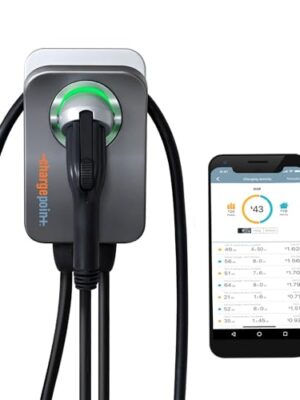
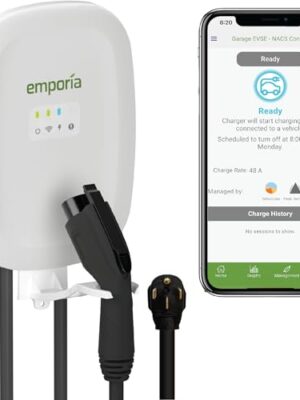
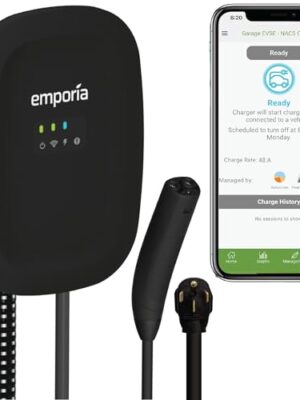
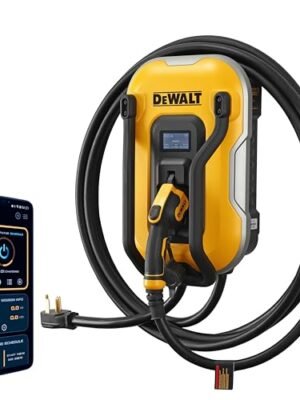
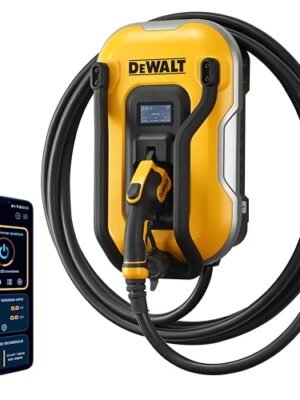
For most of the lower 48 states, a low-end rating of minus 22°F is more than enough. Most chargers on the market carry this rating, including the Tesla Universal Wall Connector, ChargePoint Home Flex, Emporia Pro, DEWALT 40 Amp, and DEWALT 48 Amp.
In warm climates like Florida, Arizona, or Texas, the high-end rating matters more. A south-facing wall in Phoenix can push surface temperatures well above 100°F in the summer. A charger rated to 122°F covers most real-world outdoor setups, especially when paired with a shaded mount. For the hottest spots, the Autel models (rated to 131°F), the JuiceBox 40 Amp (140°F), and the Webasto Go Dual Voltage (167°F, indoor use only) give the most headroom.
Indoor Installs
If the charger is going into a climate-controlled garage, the temperature spec matters much less. Indoor air usually stays between 50°F and 90°F year-round, and nearly every charger on the market can handle that without breaking a sweat. The Webasto Go Dual Voltage can safely charge indoors or outdoors, and it covers temperatures from – 40°F to 167°F, which means it can be used no matter the weather conditions.
The Altitude Factor
If you live above about 6,500 feet, the air is thinner and carries heat away from the charger less well. A unit rated for 122°F at sea level may start to throttle at 110°F or lower up in the mountains. If you are in a high-altitude town, look for a charger that has been tested for high-altitude thermal performance.
How Enclosure Ratings Relate to Temperature Performance
Enclosure ratings and operating temperature are two different specs, but they are linked. A charger in a tighter, well-sealed box handles heat, moisture, and condensation better. A NEMA 4 or 4X unit usually protects its electronics better than a plain NEMA 3R unit.
IP Ratings
Think of the IP rating as a quick read on how well the charger is sealed. The first digit covers dust. The second digit covers water. IP54 means it can handle rain or splashing. IP65 handles a hose spray. IP67 can survive a short dunk in water.
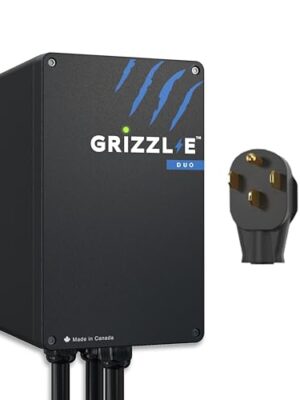
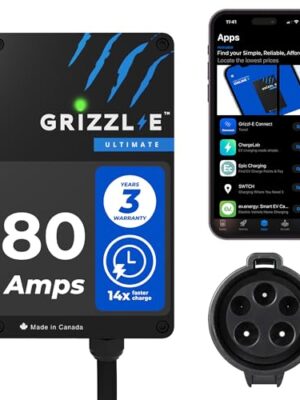
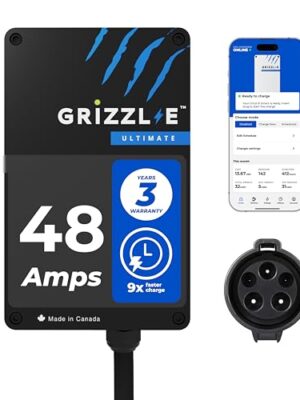
Units rated IP67, like the Grizzl-E Smart, Grizzl-E Classic, Grizzl-E Duo, Grizzl-E Ultimate 80A, Grizzl-E 48A Ultimate, and ApexCharger MACH 3, are built for rough outdoor use. A tighter seal keeps moisture from sneaking in when temperatures swing. Over time, trapped moisture is what kills outdoor electronics that are not sealed well.
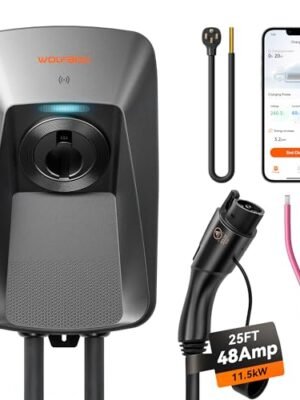
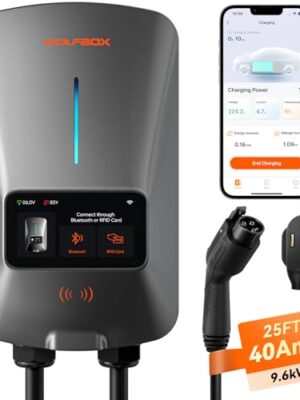
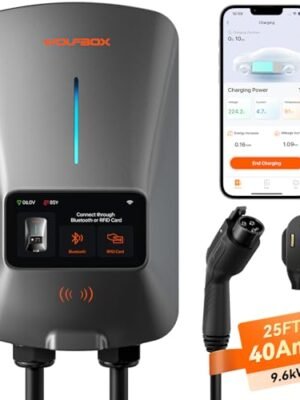
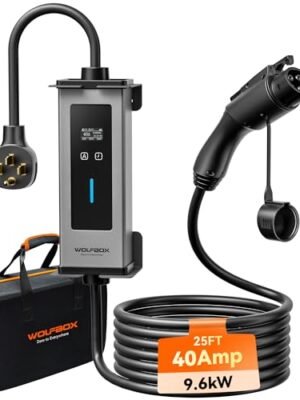
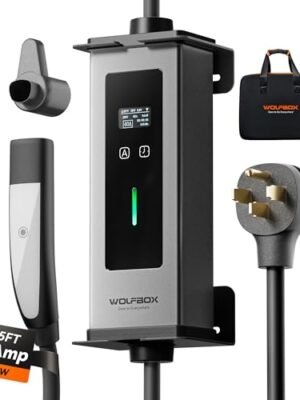
This matters more in places where winter temperatures bounce between freezing and above freezing many times. Those freeze-and-thaw cycles are hard on any unit that is not sealed tight. The WOLFBOX WE-50, WE-48, and WE-40 models carry an IP65 rating and are rated from- 22°F to 122°F, a solid all-around spec for most U.S. outdoor installs.
NEMA Ratings
NEMA ratings are the North American standard for electrical enclosures. NEMA 3R is weather-resistant and is the most common rating for outdoor chargers. NEMA 4 adds protection against water spray from any direction. NEMA 4X adds rust resistance on top of NEMA 4, which makes it a better fit for coastal climates with salt air.
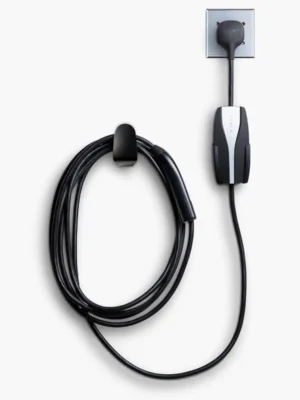
The ChargePoint Home Flex, Tesla Universal Wall Connector, and Tesla Gen 3 Wall Connector all carry a NEMA 3R rating, which is fine for most outdoor installations. The Autel Home Smart EV Charger and Autel AC Elite models step up to NEMA 4X, paired with a minus 40°F cold rating. The JuiceBox 32 and JuiceBox 40 both feature NEMA 4X, a robust rating for demanding outdoor applications.
Built-In Overtemperature Protection
Most quality EV chargers include overtemperature monitoring as a built-in safety feature. The internal sensors monitor rising temperatures, and the firmware will lower the output or shut the unit down before damage occurs. High-amperage chargers handle heat through quality heatsinks, thermal paste on key parts, and derating logic baked into the firmware.
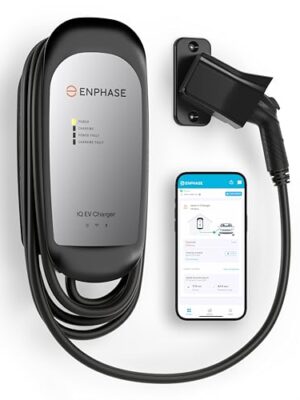
Every EV charger in our database that scored 8.5 or higher includes overtemperature monitoring. That list covers the Tesla Universal Wall Connector, Autel MaxiCharger 80A, Grizzl-E Smart, ChargePoint Home Flex, Emporia Pro, JuiceBox 40, JuiceBox 32, DEWALT 40 Amp, DEWALT 48 Amp, Enphase IQ 50, Enphase HCS-40, ApexCharger MACH 3, and all of the Autel AC EV Charger models.
Overtemperature protection matters most on hot days, especially when the charger is in direct sunlight or in a tight, poorly ventilated space. Even a unit rated to 122°F can climb past its safe internal limit if it is mounted flat against a south-facing metal wall with no room to breathe.
Built-in protection is a safety net. It is not a fix for a bad mount. If your charger is often throttling on hot afternoons, check the spot where it is installed and the airflow around it before assuming the unit itself is the problem.
Cold Weather Charging: What the Spec Does Not Tell You
People often mix up a charger’s operating temperature rating with its charging speed in cold weather. The two are linked, but one does not promise the other.
Your charger may power up at-22°F. That does not mean the car will charge fast. In deep cold, the EV battery will not accept high current until it warms up. The car limits the charge rate to protect the cells from lithium plating, which can cause permanent damage. Charging slows significantly during the warm-up phase, which can last 15 to 30 minutes or more.
Cold also makes the electronics inside both the charger and the car work a little harder. Some energy is lost along the way, even when everything is working normally.
The best way to get a faster cold-weather session is to precondition the battery while the car is still plugged in. Most modern EVs can do this through their app. The Tesla app, for example, lets you set a departure time, and the car warms the battery on wall power before you unplug instead of draining its own charge to do it.
The cold-weather rating on the charger indicates that the unit will remain online and deliver power. What the car will take is a separate story.
Portable Chargers and Operating Temperature
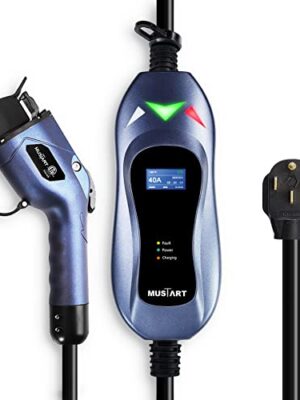
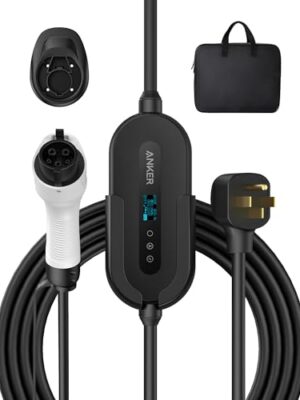
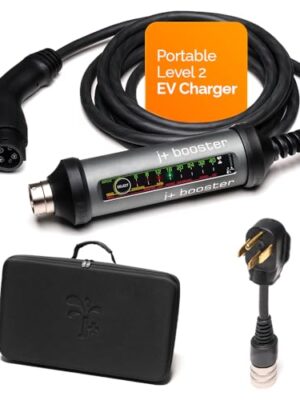
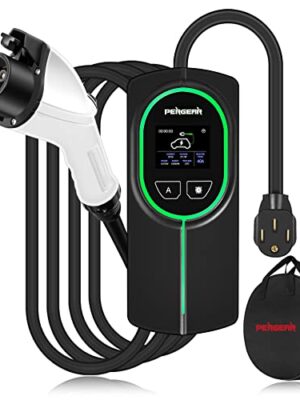
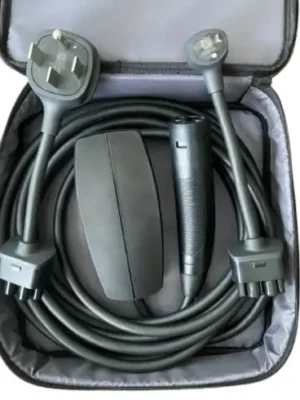
Portable chargers, including the Tesla Gen 3 Mobile Connector, J+ Booster 2, Anker 7.6kW Portable, and Pergear P2 Level 2, are used in a wider mix of conditions than wall-mounted units. You might plug one in at an unheated parking garage in January or at a campsite in July.
Good news: most portable EV chargers from established brands operate within the same-22°F to 122°F range as their wall-mounted cousins. The Tesla Gen 3 Mobile Connector uses an IPX4 enclosure (splash-resistant, not waterproof) and is rated across the full minus 22°F to 122°F range.
A few portable models have narrower cold ratings that are worth flagging. The Pergear P2 Level 2 is rated only to-13°F, the narrowest cold rating in our database. It is still usable for most winter days in the contiguous U.S., but it is a limit worth knowing about if you often work in sub-zero weather.
Cable flexibility matters more for portable units than for wall-mounted ones, since you coil and uncoil the cable every day. Stiff cold-weather cables are an everyday headache, and they are more likely to crack over time.
What to Look For When Buying
When sizing a charger’s operating temperature, focus on four things.
Match the Spec to Your Climate
Look up the coldest temperature ever recorded in your area. Your charger should be rated well below that number to ensure a safety margin.
Take Minneapolis as an example. The airport has hit around minus 34°F, and parts of Minnesota have gone lower during extreme cold waves. If your charger is rated only to-22°F, you are cutting it close. A model rated to minus 31°F or minus 40°F gives you real breathing room during a severe cold snap.
On the other end, a high-end rating of 122°F is usually enough for most outdoor installs across the continental U.S.
Plan for Sun Exposure and Ventilation
A charger in direct afternoon sun can sit much hotter than the air around it. It is normal for the case to run 20 to 30°F above outside temperature when the sun is beating down on it.
So on a 95°F summer day, a charger rated to 122°F can be right at its limit. That is when many units start reducing their output to avoid overheating, slowing the session.
If you can, mount the unit on a shaded wall or on the north side of the building. Leave a little air gap between the charger and the wall so heat can escape. When shade is not possible, a higher heat rating (131°F or more) with strong thermal protection is the safer pick. A light-colored case also helps, since dark housings act like heat sinks in the sun.
Check Cable Quality for Cold Climates
If you live somewhere that routinely sees temperatures below 10°F, ask about the cable jacket before you buy. A stiff, brittle cable on a minus 10°F morning is not just a pain. It can crack over a few winters. The Grizzl-E lineup is well known for cold-weather cable performance. The Tesla Gen 3 Mobile Connector uses flexible cables rated for its full minus 22°F range.
Match the Enclosure Rating to Your Setting
For most outdoor installs, NEMA 3R or IP65 is the lowest rating worth considering. That is enough for rain, dust, and normal weather.
If you live near the coast, deal with heavy rain or ice, or expect the charger to be sprayed with water, step up to NEMA 4 or IP67. Those enclosures are sealed more tightly and better handle harsh conditions.
In coastal zones with salt air, NEMA 4X is the safer call because it resists rust and long-term corrosion. For a fully climate-controlled garage, the enclosure rating matters much less, since the unit is not exposed to the weather.
Storage vs. Operating Temperature
Check both specs on the sheet. Storage temperature is usually a wider range (e.g.,-40°F to 185°F). Operating temperature is narrower. The risk comes if you leave a charger powered on but idle in a garage that hits 140°F in the summer. You are not using it, but the standby electronics are still cooking, and that can shorten their life.
EV Charger Operating Temperature Comparison
Here is how the operating temperature specs stack up across a broad selection of chargers from our review database. These figures come directly from manufacturer spec sheets.
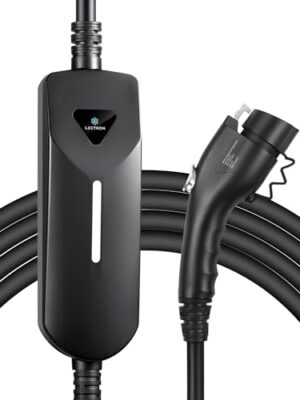
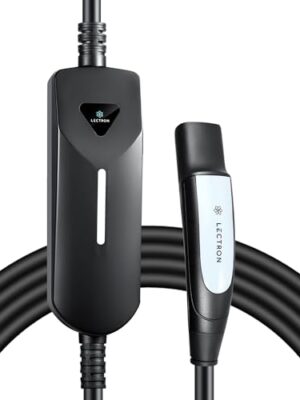
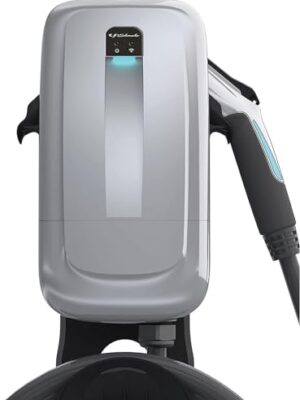
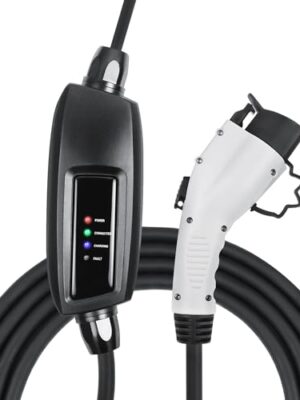
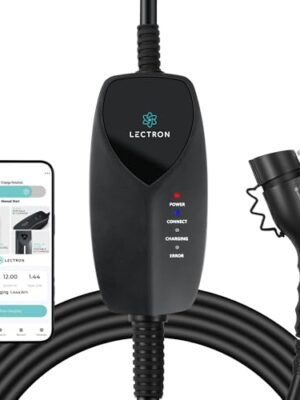
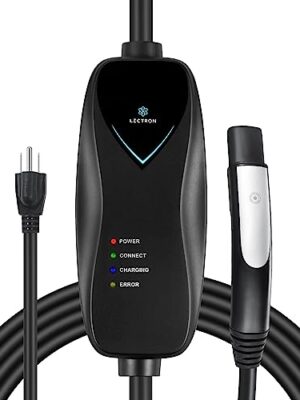
The table below ranks our reviewed home AC EV chargers by operating temperature range, from widest to narrowest. Use it to compare how well each charger handles extreme heat and cold, and to quickly identify the best option for your climate.
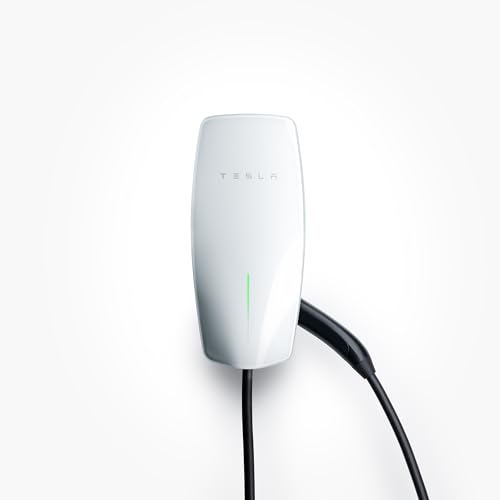
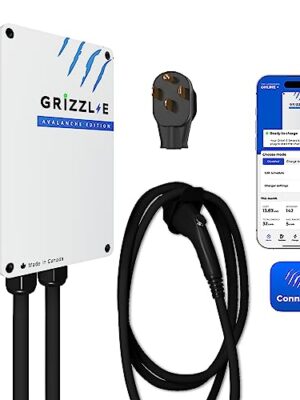
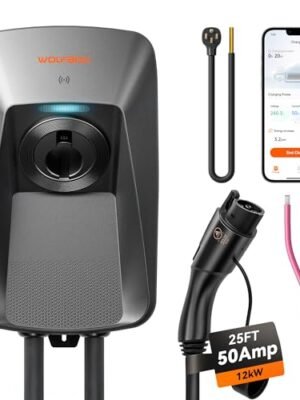
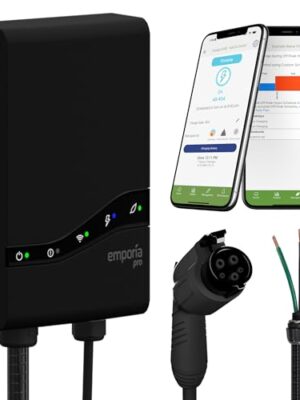

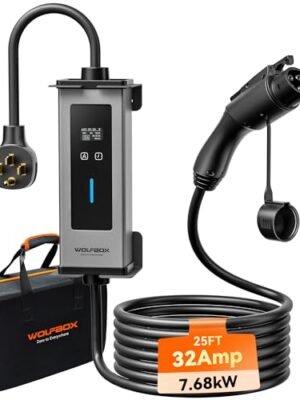
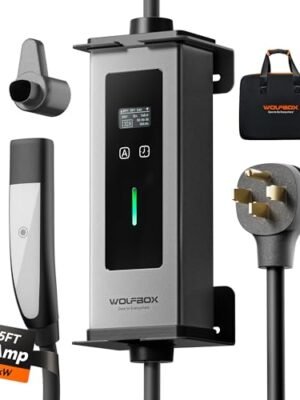
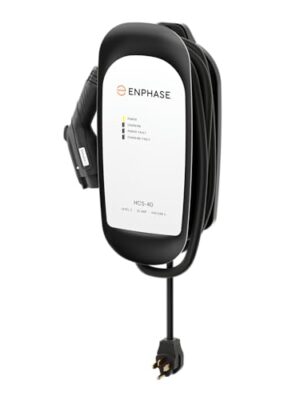
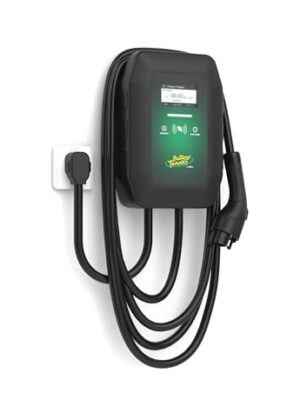
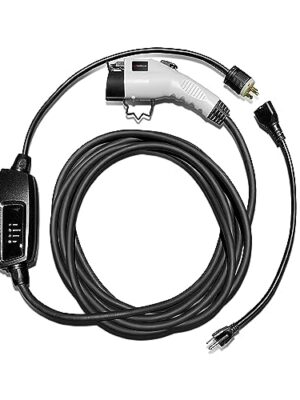
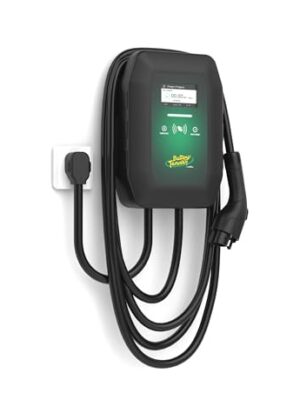
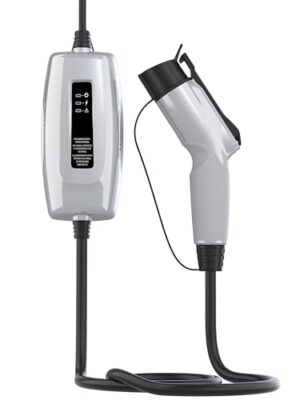
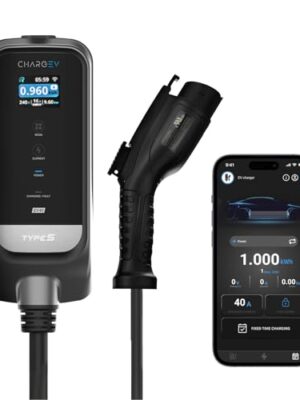
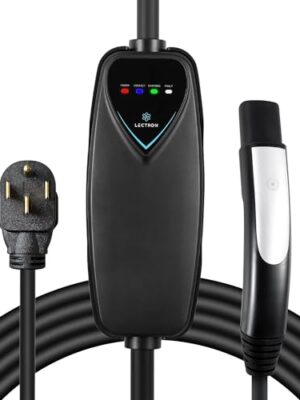
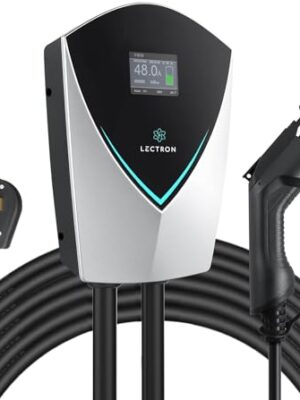
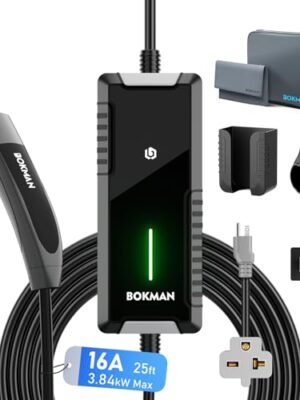
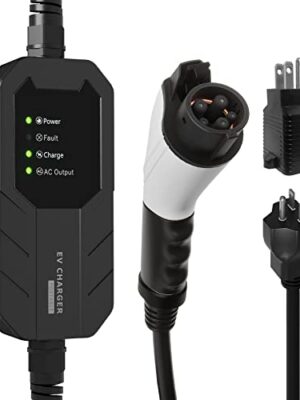
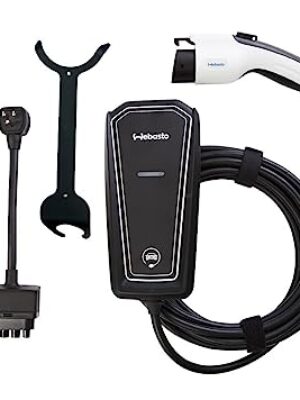
A few things jump out from the data.
The Webasto Go Dual Voltage has the single widest range in our database, at minus 40°F to 167°F, which is remarkable on paper. The catch is that it is sold as an indoor-only unit, so that wide range is less useful in practice than it sounds. If you are mounting outdoors, look past it.
The Autel chargers (MaxiCharger 80A, Home Smart, AC Elite In-Body Holster, and AC Elite Separate Holster) lead the outdoor field with a minus 40°F low end and a 131°F high end. That combo gives them more headroom on both ends than nearly any other outdoor charger in the database.
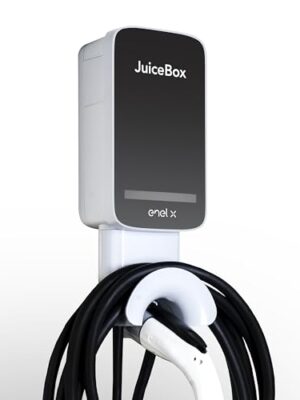
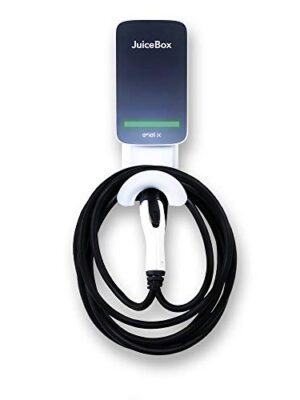
The JuiceBox 40 Amp also deserves a callout for its temperature range of-40°F to 140°F. Its high-end rating beats the Autel lineup by 9°F, which is a real edge in extreme climates.
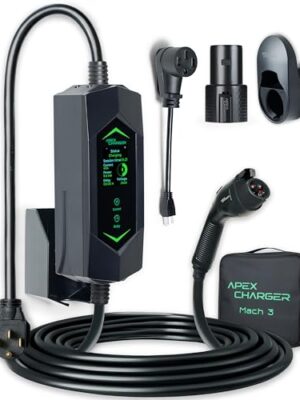
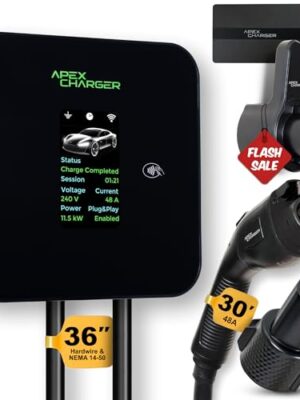
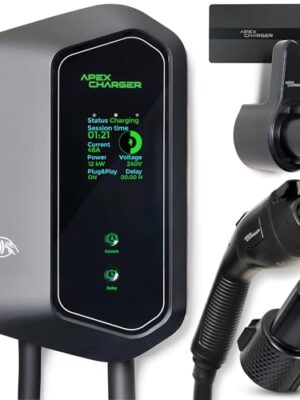
The ApexCharger MACH 1, MACH 2, and MACH 3 sit in a strong middle ground, ranging from minus 31°F to 122°F. That minus 31°F cold rating covers most U.S. cold-weather records with room to spare, and the units are often priced below the Autel and JuiceBox models.
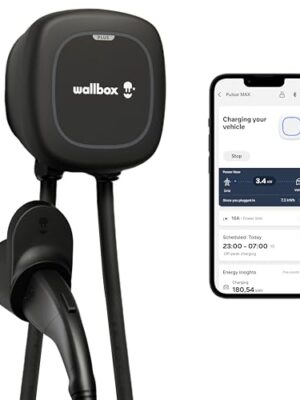
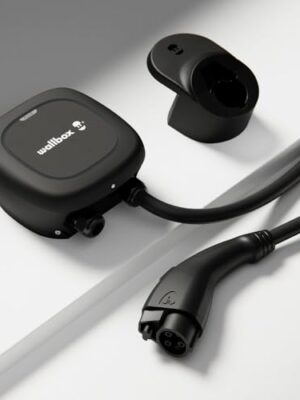
The Wallbox Pulsar Plus 40A and Wallbox Pulsar Plus 48A have a notably lower high-end rating of 104°F. For most climates, that is fine. But in the desert Southwest, mounted in direct afternoon sun, that margin gets thin fast, and thermal derating may kick in sooner than you would expect.
The Pergear P2 Level 2 has the narrowest cold rating in the database, at-13°F. It is a capable portable unit for most of the continental U.S., but it is not the best pick for deep-cold conditions in places like Minnesota, North Dakota, or most of Canada.
Quick Summary
Operating temperature indicates whether a charger can withstand the climate where it is installed. Both heat and cold cause problems. In heat, chargers often lower output to protect the electronics. Long stretches of heat can also wear down parts inside more quickly.
Cold weather brings a different set of issues. Cables stiffen, internal resistance increases, and plastic parts become brittle after repeated freeze cycles. In real use, either extreme may cause the charger to slow down or shut off for a bit.
For outdoor installations in cold areas, a minimum rating of-22°F is common for the floor. In the northern U.S. or Canada, a minus 31°F or minus 40°F rating gives extra peace of mind during very cold snaps. On the hot side, 122°F is the typical upper limit for most outdoor chargers, and it is usually enough if the unit is out of direct sunlight and has room for air to circulate. Chargers with NEMA 4 or 4X enclosures are better sealed than standard NEMA 3R units, helping them withstand moisture and large temperature swings.
Some models push the range wider. The Autel MaxiCharger 80A, Autel Home Smart, and Autel AC Elite lines operate from-40°F to 131°F, giving them plenty of headroom in harsh climates. The JuiceBox 40 Amp stretches even further on the hot side, at minus 40°F to 140°F. The ApexCharger MACH 1, 2, and 3 hit minus 31°F to 122°F at a friendlier price. The Grizzl-E chargers feature IP67 weather protection, operate from -22°F to 122°F, and keep their cables flexible in cold weather. Units like the Tesla Universal Wall Connector, ChargePoint Home Flex, and Emporia Pro also fall within the-22°F to 122°F range, which works for most outdoor installs.
If the charger is going into a climate-controlled garage, this spec matters a lot less. In that case, almost any well-built Level 2 charger will run without trouble.
Notes & References
Specification updates, such as EV charger operating temperatures, are tracked on our EV Charger Data Updates Page.

James Ndungu is a certified EV charger installer with over five years of experience in EVSE selection, permitting, and installation. He holds advanced credentials, including certification from the Electric Vehicle Infrastructure Training Program (EVITP) and specialized training in EV charging equipment and installation, as well as diplomas in EV Technology and Engineering Fundamentals of EVs. Since 2021, James has tested dozens of EV chargers and accessories, sharing expert insights into the latest EV charging technologies.