Tesla Mobile Connector Review

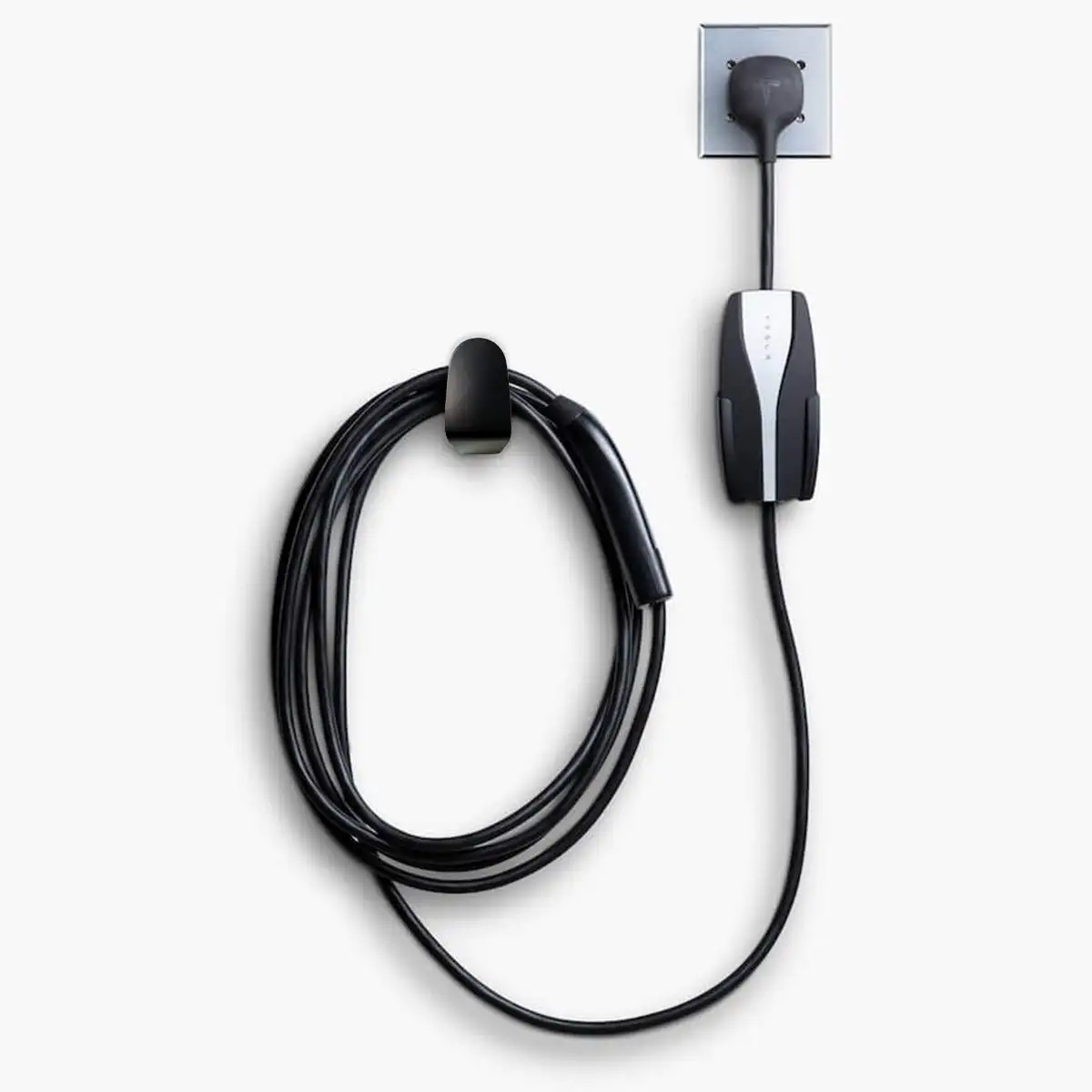
The Tesla Mobile Connector is a portable charger compatible with standard 120V and 240V outlets using interchangeable adapters. It delivers up to 7.6 kW of power, providing flexible, reliable charging for Tesla Models 3, Y, S, and X at home or on the go with a simple setup.

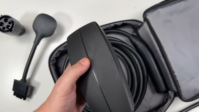
Tesla offers several charging solutions, and the Tesla Mobile Connector is often included with the Tesla vehicle itself as a portable, flexible charging option. Our Tesla Mobile Connector Gen 3 was included with our 2026 Tesla Model Y Juniper. It can also be purchased separately from the Tesla Shop, making it accessible to existing owners. But how well does the Mobile Connector hold up for daily use? And is it a cost-effective choice compared to the more robust Tesla Wall Connector or the Universal Wall Connector?
In this review, we’ll break down the pros and cons of the Tesla Mobile Connector, compare it to the Wall Connector, and help you decide if it’s the right charging solution for your needs.
Tesla Mobile Connector Review
The Tesla Mobile Connector is essentially a portable EV charger that plugs into standard electrical outlets using interchangeable adapters. It is designed to give Tesla drivers flexibility when charging away from home or in situations where a dedicated charger isn’t installed.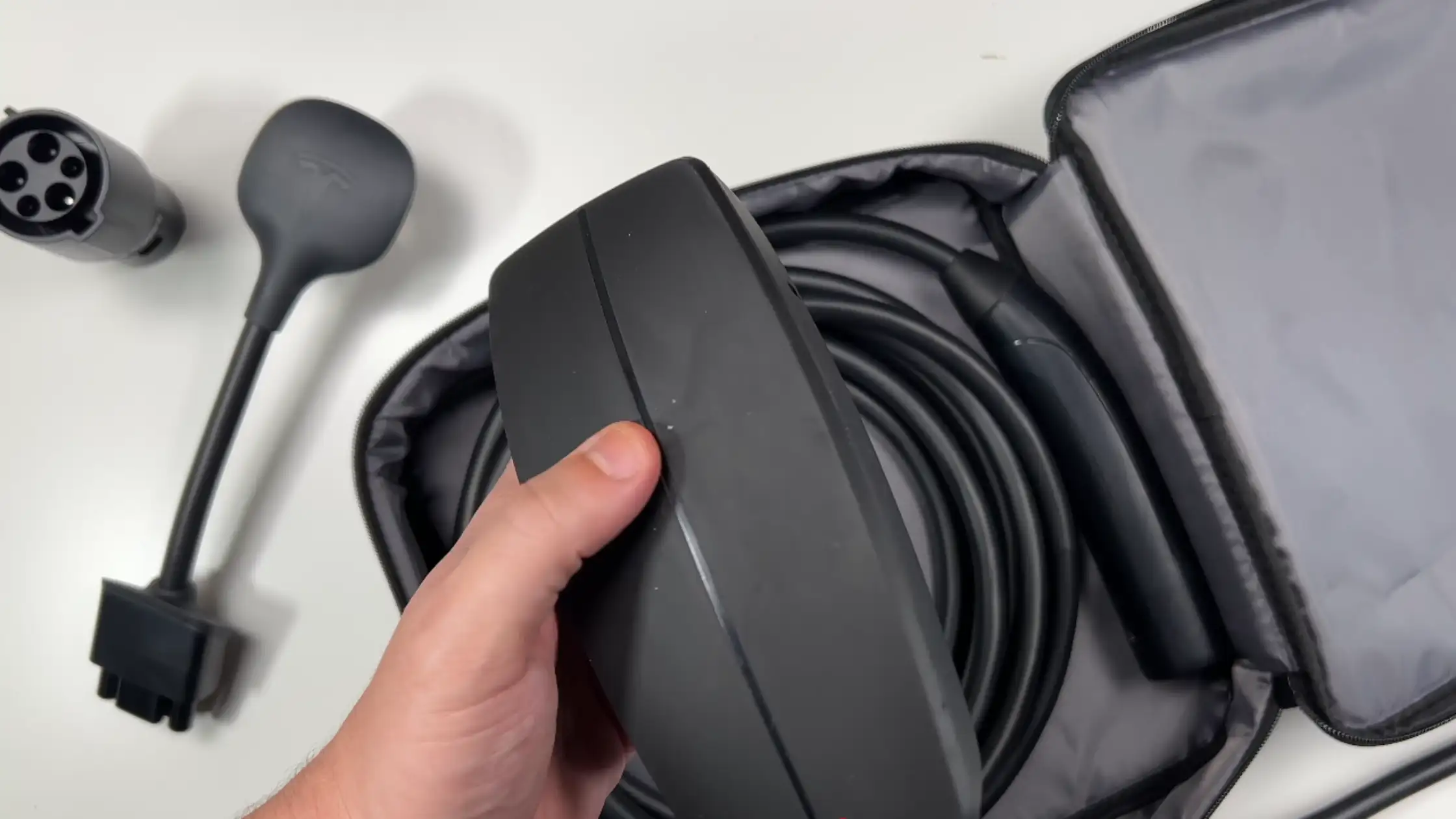
It can connect to a standard North American 120V NEMA 5-15 outlet, which is the typical household outlet found in most homes. It can also use adapters for higher-power outlets, such as the NEMA 14-50 (240V), commonly used for electric stoves or dryers.
Charging Power and Speed
The Mobile Connector can deliver up to 32 amps at 240 volts (7.6 kW) when connected to a NEMA 14-50 outlet. This is roughly two-thirds of the power output of Tesla’s Wall Connector, which can deliver up to 48 amps (11.5 kW).
Here’s what this means in real-world terms:
- At 240V and 32A (NEMA 14-50 outlet), you get about 7.6 kW charging power, enough to add roughly 25 to 30 miles of range per hour of charging.
- At 120V and 15A (standard household outlet), the Mobile Connector drops to about 1.4 kW, which only adds about 3 to 4 miles of range per hour. This means an overnight charge will replenish only about 15-20% of your battery.
For most Tesla owners who drive more than just a few miles daily, charging at Level 2 (240V) is essential to avoid long wait times and fully recharge the vehicle overnight.
Installation and Cost Considerations
One of the standout features that make the Tesla Mobile Connector unique within the Tesla ecosystem is its interchangeable outlet adapters, which allow users to easily switch between different plug types. This makes it especially convenient for renters or those unwilling to make permanent electrical modifications.
In contrast, the Tesla Wall Connector and Universal Wall Connector are hardwired or permanently installed with a fixed connection, designed for dedicated home charging setups. While Wall Connectors deliver higher power and advanced features, they lack the Mobile Connector’s portability and flexibility.
Thus, the Mobile Connector offers unmatched convenience for users needing versatile, on-the-go charging options, whereas Tesla Wall Connectors prioritize speed, durability, and seamless integration for daily home use.
However, there are important caveats when it comes to installation:
- If you don’t already have a NEMA 14-50 outlet installed, you will need an electrician to install one.
- The cost and labor to install an Industrial Grade EV Charging NEMA 14-50 outlet are comparable to those for hardwiring a Tesla Wall Connector.
- Therefore, the supposed “flexibility” and “lower cost” of the Mobile Connector might not translate into real savings if you have to pay for electrical work.
In short, while the Mobile Connector offers some installation flexibility, it often makes more financial sense to invest in a Tesla Wall Connector, which provides higher power output, a more durable design, and advanced features.
Durability and Safety
The Tesla Mobile Connector uses the same high-quality NACS handle found on Tesla’s Wall Connector, with a solid, premium feel and the familiar charge-port release button that delivers identical tactile feedback.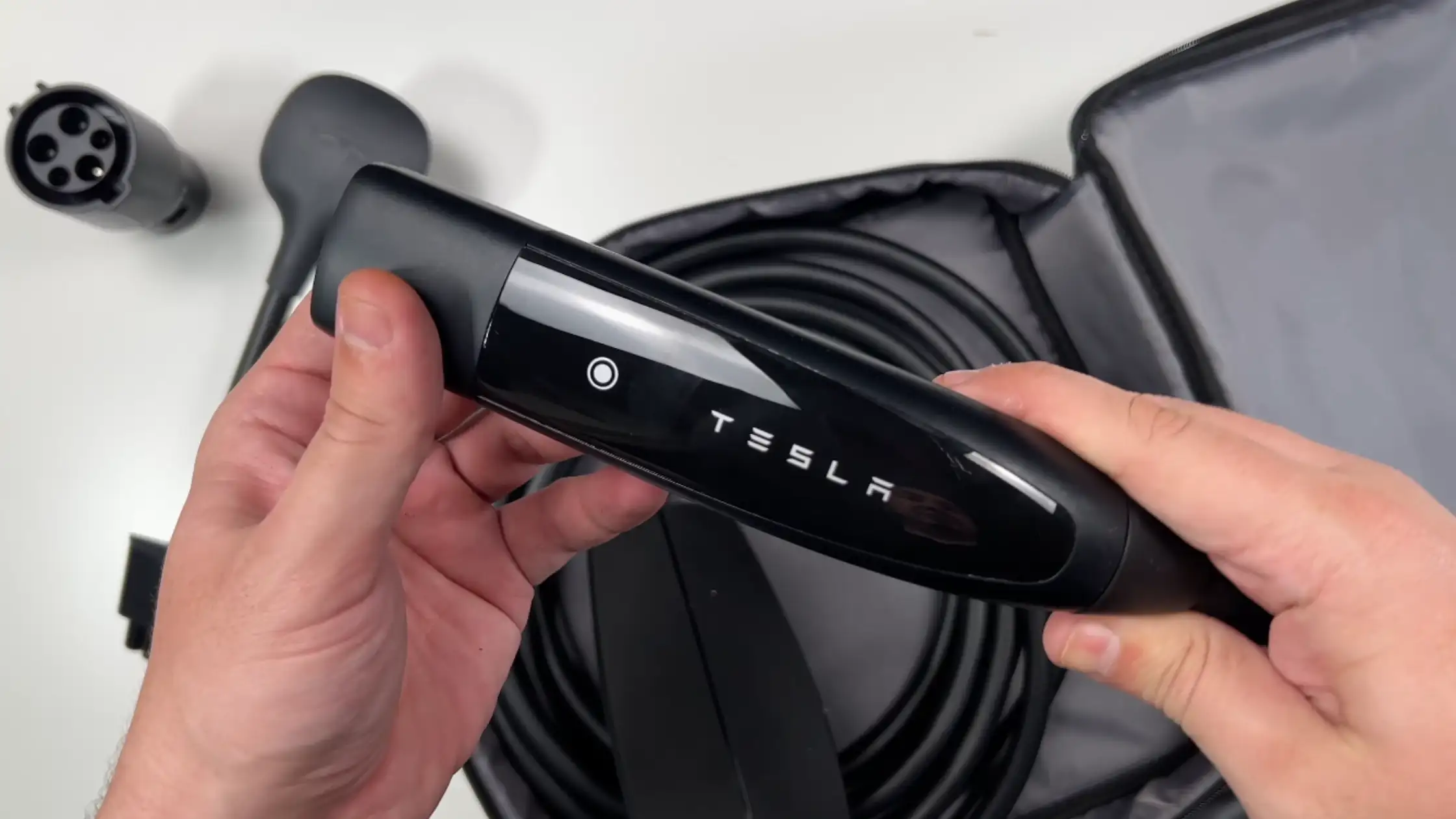
Both connectors also include built-in thermal sensors that continuously monitor plug temperature and automatically reduce charging power if excessive heat is detected, helping prevent overheating or fire risks.
Where durability begins to differ is the cable itself: the Mobile Connector’s thinner, more flexible cable is designed for portability and easy storage, while the Wall Connector’s thicker, heavier cable is built for long-term daily use and sustained high-amperage charging.
Charging Experience and Features
The Tesla Wall Connector offers several advantages over the Mobile Connector beyond just power output:
- Faster charging speeds: Up to 44 miles of range added per hour.
- Load balancing (Powershare): Allows multiple Wall Connectors to share power safely, optimizing charging in households with more than one EV.
- Smart features: Some newer Wall Connectors support integration with Tesla’s energy ecosystem, helping manage home energy use efficiently.
Who is the Mobile Connector Best For?
The Mobile Connector is ideal for:
- Tesla owners who need a portable charger for travel or secondary locations.
- Renters who cannot install permanent charging infrastructure.
- Drivers with low daily mileage who can afford slower overnight charging on a 120V outlet.
- Those who want an emergency backup charger in case their primary charger fails.
For most daily users, especially those driving more than a few miles per day, the Mobile Connector will feel limiting.
Using the Tesla Mobile Connector with Non-Tesla EVs
If you don’t own a Tesla but have a vehicle with the Tesla NACS port (like newer Fords, Rivians, or GMs), the Tesla Mobile Connector may not be ideal.
- No Firmware Updates: The charger relies on a Tesla car to receive Tesla firmware updates, so non-Tesla owners can’t update it easily. Without updates, bugs and safety fixes won’t be applied.
- No Smart Features: Unlike many chargers with apps for tracking and scheduling, the Mobile Connector has no app connectivity; you must manage charging through your car’s system.
- Compatibility Issues: Tesla chargers use a unique communication protocol that can confuse some non-Tesla vehicles, causing delays or handshake failures unless you use special adapters.
Tesla Mobile Connector Versus Other NACS Chargers
The following chart compares key specifications (charging power, weight, operating temperature range, cable length, and warranty) of the Tesla Mobile Connector with other EV chargers using the same NACS connector type (direct competitors).
Better Alternatives for NACS Owners
If you have a NACS-equipped non-Tesla (or a J1772 vehicle using a Tesla to J1772 adapter) and are looking for a mobile NACS charger, you’re better off choosing a universal or native NACS smart charger. We recommend checking our in-depth NACS charger reviews to find options that offer better compatibility, smart features, and long-term usability for non-Tesla vehicles.
For example, the Lectron Portable NACS Charger (App Version) is our top-recommended NACS mobile charger, specifically designed for the evolving “post-Tesla” market.
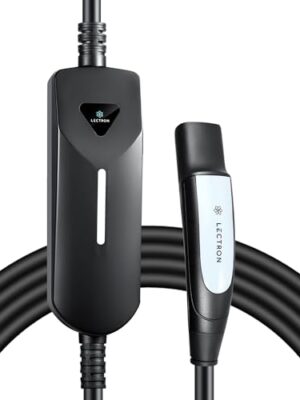
It offers flexible power options, both Level 1 and Level 2, and includes Bluetooth/Wi-Fi connectivity via the Lectron app. This lets you adjust amperage, monitor real-time charging data, and manage your charging experience conveniently from your smartphone.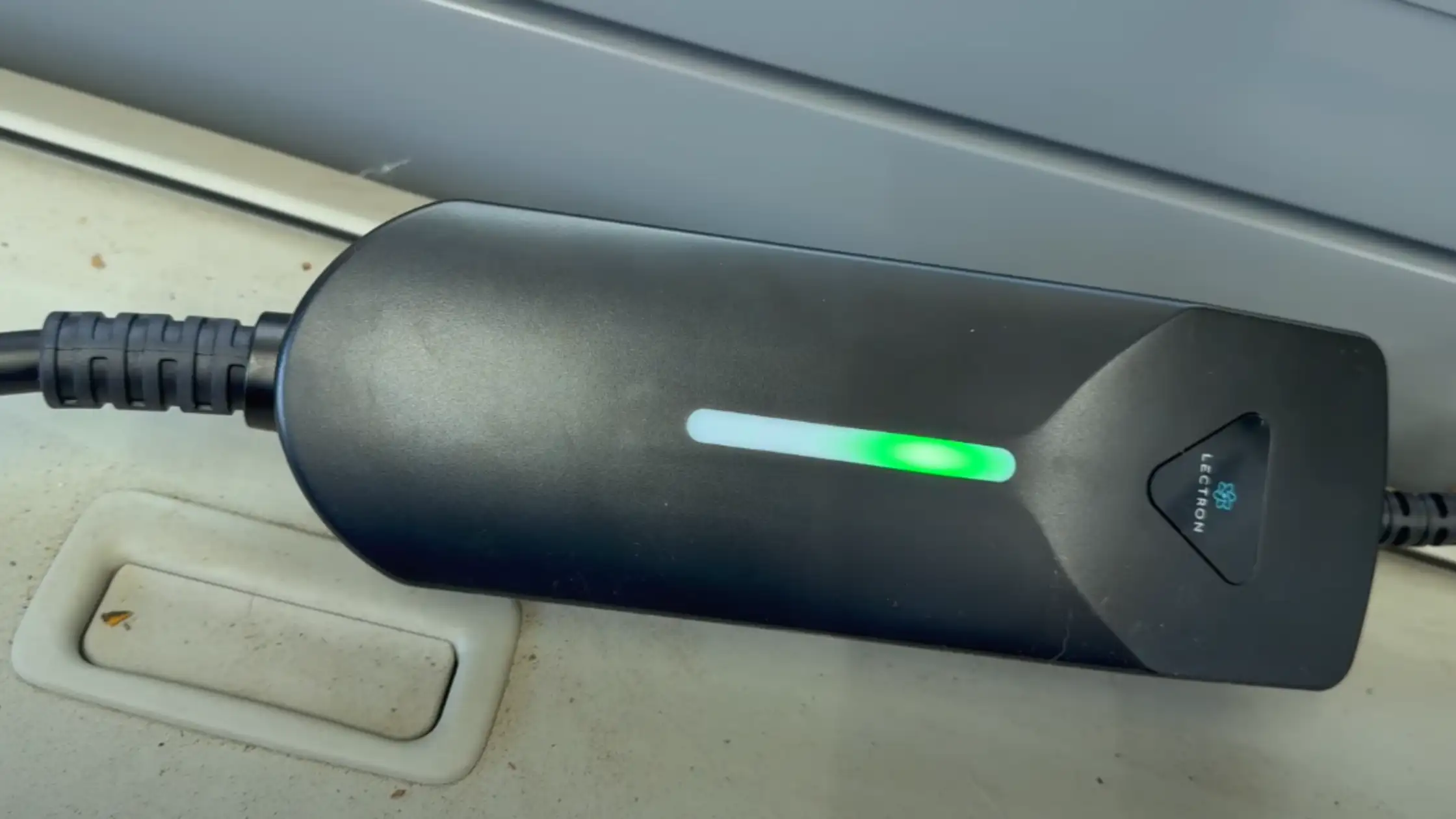
Such smart features and native compatibility make chargers like Lectron’s superior choices for NACS owners seeking reliability, control, and advanced functionality on the go.
Installation Recommendations
If you decide to use the Mobile Connector regularly:
- Use a dedicated 240V outlet, such as a NEMA 14-50, for reasonable charging speeds.
- Avoid frequent unplugging and plugging in to reduce wear.
- Always have the outlet installed by a qualified electrician.
- Ensure your setup complies with local electrical codes and safety standards.
If you prefer a more robust solution, consider the Tesla Wall Connector or the Universal Wall Connector, which offer better durability, faster charging, and future-proof features.
Is the Tesla Mobile Connector Worth It?
The Tesla Mobile Connector offers flexibility and portability but has trade-offs that limit its appeal as a daily home charger.
- Its charging speed at 240V (NEMA 14-50) is good, but still about two-thirds of the Wall Connector.
- Installation costs for a suitable outlet often erode any cost savings.
- The hardware isn’t designed for daily heavy use, raising safety and durability concerns.
- It lacks advanced features that come standard with the Wall Connector.
For Tesla owners who want safe, reliable, fast, and future-proof home charging, we recommend investing in a Tesla Wall Connector if you are on a budget or the Universal Wall Connector to future-proof your installation.
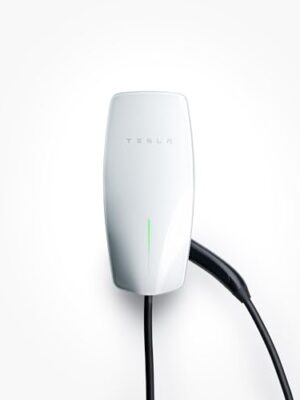
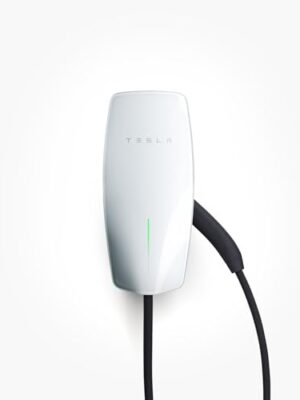
If you need a mobile Tesla charger for occasional use, travel, or as a backup, the Mobile Connector can serve you well, just be mindful of its limitations.
- Portable and flexible
- Interchangeable outlet adapters
- Compatible with 120V and 240V outlets
- Reliable hardware build
- No permanent installation required
- Limited charging speed (up to 7.6 kW)
- Not designed for daily frequent use
- No firmware updates without a Tesla vehicle
- Lacks smart app features
- Compatibility issues with non-Tesla EVs
Specification: Tesla Mobile Connector Review
| Charging Performance | ||||||||||||||||||||||
|---|---|---|---|---|---|---|---|---|---|---|---|---|---|---|---|---|---|---|---|---|---|---|
| ||||||||||||||||||||||
| Electrical & Installation | ||||||||||||||||||||||
| ||||||||||||||||||||||
| Communication & Smart Features | ||||||||||||||||||||||
| ||||||||||||||||||||||
| Safety & Protection | ||||||||||||||||||||||
| ||||||||||||||||||||||
| Durability & Environment | ||||||||||||||||||||||
| ||||||||||||||||||||||
| Interface & Access | ||||||||||||||||||||||
| ||||||||||||||||||||||
| Physical Specifications | ||||||||||||||||||||||
| ||||||||||||||||||||||
| Compliance & Standards | ||||||||||||||||||||||
| ||||||||||||||||||||||
| Warranty Information | ||||||||||||||||||||||
| ||||||||||||||||||||||

There are no reviews yet.