Understanding Time-of-Use (TOU) Rates & TOU EV Charging Strategies Can Save You Money
Electric vehicle charging doesn’t have to break the bank. By understanding Time-of-Use (TOU) rates and smart EV charging, we’ve cut our monthly EV charging costs by about 20%.
Here’s how we did it and how you can too.
Table of Contents
What Are TOU Rates?
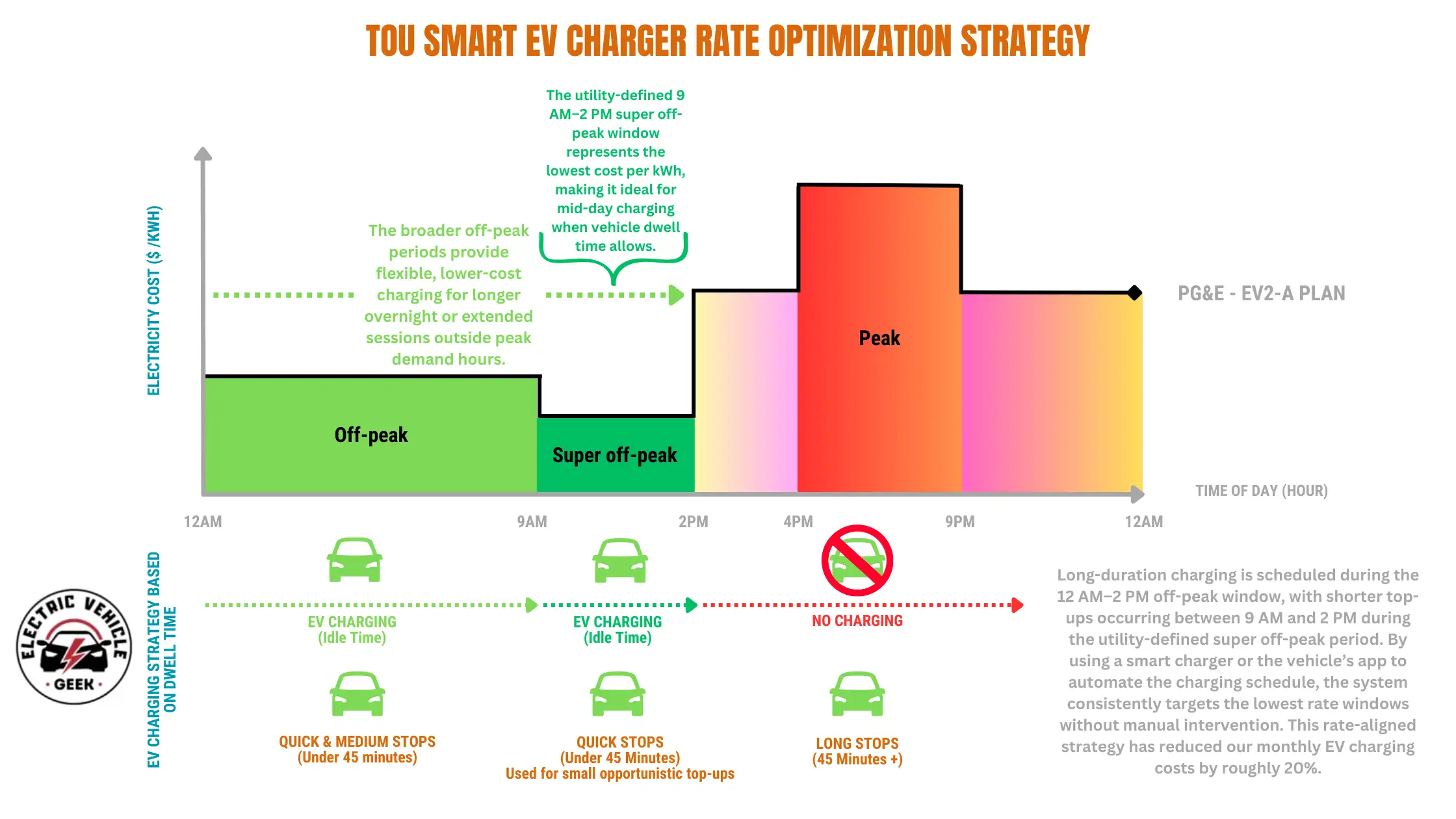
Time-of-Use rates charge different prices for electricity depending on what time of day you use it. Think of it like movie tickets, matinee showings cost less than prime-time evening shows. Our utility company, PG&E, uses the EV2-A rate plan that divides the day into three pricing periods.
Peak Hours (4 PM – 9 PM): We Avoid at All Costs
Electricity costs the most during peak hours from 4 PM to 9 PM because everyone is home using power. We never charge during this window unless it’s an emergency.
Off-Peak Hours: We Charge Overnight
Off-peak hours run from midnight to 9 AM and 9 PM to midnight, offering lower rates. This extended window is our sweet spot for overnight charging with both Level 1 and Level 2 EV chargers. We have plenty of time to fully charge at reduced rates while we sleep.
Get a Smart Charger to Automate Everything
We highly recommend using a smart EV charger to make the off-peak EV charging strategy effortless, thanks to its smart EV charging features.
Smart chargers automatically schedule charging during off-peak hours, so you never accidentally charge during expensive peak times.

Beyond scheduling, smart chargers offer load balancing to prevent overloading your home’s electrical system and expensive electrical upgrades.
They also help maximize electric vehicle battery longevity by reducing degradation and optimizing charging speeds based on your needs. Most importantly, smart chargers make it easy to follow the 80/20 rule. You can set them to stop charging at 80% for daily use, which protects your battery from stress and extends its lifespan. We only override this setting and charge to 100% when we need the full range for long trips.
Our Smart EV Charger ReviewsSmart Chargers Make It Easy
Manual charging schedules sound complicated, but smart chargers do the work for you. We programmed our charger with PG&E’s rate schedule based on our dwell time, and it automatically charges during the cheapest hours.
Most modern EVs also have smartphone apps that let you schedule charging. You can set it once and forget it. The car won’t start charging until rates drop, even if you plug in during expensive peak hours.
Some smart chargers even track how much money you save compared to peak-hour charging. Watching those savings grow each month feels great.
Super Off-Peak Hours (9 AM – 2 PM): Our Ultimate Sweet Spot
Super off-peak from 9 AM to 2 PM offers the cheapest electricity all day. We use this window for quick charging sessions with our high-amperage Level 2 EV charger, the Autel 80A EV charger.
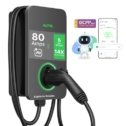
Autel MaxiCharger 80A EV Charger Review Best Smart Features
For people who work from home or have flexible schedules, midday charging saves the most money. The Autel 80A EV charger can add significant range quickly during this short optimum charging window.
This powerful charger adds significant range in just 30 to 45 minutes during super off-peak hours (the day’s lowest rates), which is also the shortest best EV charging window. If you only want to charge your EV during super off-peak hours to maximize your savings, this is the best high-amperage smart EV charger for you.
Even a 30-minute charge during super off-peak hours costs less than charging the same amount overnight. These quick top-ups keep our battery healthy without expensive peak-hour charging.
Time-of-Use (TOU) + Solar EV Charging Strategy
For homes with solar panels and battery storage like Tesla Powerwalls, the strategy gets even better.
Here’s how it works:
We charge our EVs only from the grid during super off-peak hours when electricity is cheapest. At the same time, our solar panels charge our Powerwall batteries during the day using free solar energy. Then, during peak hours from 4 PM to 9 PM, stored battery energy can be used to charge the EV if necessary or sent back to the grid at premium rates.
The Golden Rule: Never Charge During Peak Hours
The most important rule in our charging strategy is simple. We never charge between 4 PM and 9 PM. Those peak hours can cost three to four times more than off-peak rates. Even if we desperately need a charge, we wait until 9 PM when rates drop.
This single habit makes the biggest difference in our electric bill. It requires planning, but the savings add up fast.
Overnight Charging for Daily Driving
Most nights, we plug in our EV when we get home around 10 PM. Our smart EV charger waits until midnight to start charging, taking advantage of off-peak rates. By morning, the battery is ready to go.
For overnight charging, we use the 20-80 rule. Instead of charging to 100% every night, we set our charger to stop at 80%. This protects the battery and extends its lifespan. We only charge to 100% before long road trips when we need the extra range.
A basic Level 1 charger works fine for overnight charging since we have plenty of time. However, we upgraded to a Level 2 charger for faster charging when needed.
Matching Charging to Your Schedule
Our charging strategy depends on how long our car will be parked. We call this “dwell time,” and it helps us decide when and how much to charge.
Long Stops (1+ Hour)
When our car is parked for extended periods, we have flexibility. Work shifts, full-day office parking, long appointments, and airport parking all count as long stops.
For these situations, we schedule charging during the entire off-peak window from midnight to 2 PM. This captures both off-peak and super off-peak rates. There’s no rush, so we can use slower, cheaper charging methods.
Medium Stops (15-45 Minutes)
Medium-length stops include gym sessions, sit-down lunches, shopping trips, and client meetings. These stops work great for opportunistic charging during super off-peak hours.
If we’re running errands between 9 AM and 2 PM, we’ll plug in wherever possible. Even 30 minutes of charging at super off-peak rates adds useful range without costing much.
Quick Stops (Under 15 Minutes)
Short stops like grocery pickup, school drop-off, coffee runs, and ATM visits usually aren’t worth charging at public stations. The time spent plugging in and unplugging barely adds any range.
However, these quick trips work perfectly with our home charging strategy. Since we’re never gone long, we always return home with plenty of time to charge during off-peak or super off-peak hours. There’s no need to rush or pay premium rates at public chargers.
We save our battery’s charge for medium and quick stops by giving our home EV charger more time to refill during the cheapest rate periods by scheduling quick stops during the off-peak morning session. This approach keeps our costs low and eliminates range anxiety during quick errands.
Real Results from Our Strategy
Since implementing this TOU charging strategy, we’ve reduced our monthly EV charging costs by roughly 20%. That might not sound huge, but it adds up to hundreds of dollars per year.
We didn’t change how much we drive or how often we charge. We simply shifted when we charged to take advantage of cheaper electricity rates.
The strategy requires minimal effort once you set up your smart charger or vehicle app. Most of the time, we just plug in and let automation handle the rest.
Tips for Success
Start by checking what TOU rate plan your utility offers for EV owners. Many companies have special EV plans with better off-peak rates.
Install a smart EV charger that can schedule charging automatically. This prevents accidentally charging during peak hours and costing you money.
Use the 20-80 charging rule for daily driving to protect your battery. Full charges stress the battery more and aren’t necessary for most trips.
Plan your charging around your schedule. If you park somewhere during super off-peak hours, take advantage of those cheap rates.
Never feel pressured to charge during peak hours unless it’s an emergency. Waiting a few hours can save significant money.
The Bottom Line
TOU EV charging doesn’t require major lifestyle changes. By understanding when electricity costs less and scheduling charging accordingly, anyone can save money.
Our strategy focuses on three simple principles: avoid peak hours, charge overnight when possible, and grab super off-peak opportunities when they appear. Smart technology makes following these principles almost effortless.
The savings prove that driving electric becomes even more affordable with smart charging habits. Your wallet and your battery will thank you.

James Ndungu is a certified EV charger installer with over five years of experience in EVSE selection, permitting, and installation. He holds advanced credentials, including certification from the Electric Vehicle Infrastructure Training Program (EVITP) and specialized training in EV charging equipment and installation, as well as diplomas in EV Technology and Engineering Fundamentals of EVs. Since 2021, James has tested dozens of EV chargers and accessories, sharing expert insights into the latest EV charging technologies.