Supported by you via insider access, and when you purchase through links on our site, we may earn an affiliate commission. See our Affiliate Disclosure.
Electric Vehicle Batteries Guides: How They Work, Last, and Get Recycled
-
 Guide By
James Ndungu
Guide By
James Ndungu
- last updated December 13, 2024
Your EV battery is the most expensive and most important part of your car. It decides how far you can drive, how fast you can charge, and how the car holds its value over time. Understanding it helps you charge smarter and keep it healthy for years.
This guide covers how EV batteries work, the main battery types and cell shapes, what affects battery life, and how charging habits change how long your battery lasts. It connects to our charger reviews so you can match your charging setup to your battery.
How an EV Battery Works
An EV battery is a large pack made of many small cells wired together. Each cell stores energy as a chemical charge and releases it as electricity when you drive. When you charge, the flow reverses, returning energy to the cells.
A battery management system manages the pack, or BMS. The BMS watches each cell’s temperature, voltage, and charge level. It balances the cells, prevents overcharging, and protects the pack from damage. This is why you cannot overcharge a modern EV: the BMS stops charging when the pack is full.
Battery capacity is measured in kilowatt-hours (kWh). A larger kWh number means more stored energy and a longer driving range. A 75 kWh battery holds roughly twice the energy of a 37 kWh battery.
Most EVs sold in the U.S. use one of two lithium-ion chemistries. Knowing which one your car has affects how you should charge it.
Lithium Nickel Manganese Cobalt (NMC)
NMC batteries are common in longer-range EVs. They pack a lot of energy into a small space, which gives more range per pound. They last longest when you keep the charge between about 20 and 80 percent for daily use, and charge to 100 percent only before long trips.
LFP batteries are common in standard range EVs and newer Tesla models. They hold less energy per pound but last longer and handle daily charging to 100 percent better than NMC. Many automakers actually recommend charging LFP packs to 100 percent regularly. Check your owner’s manual to see which chemistry you have.
Older Chemistries You May See
Nickel-metal hydride (NiMH) batteries are found in older hybrids, such as early Toyota Prius models. They are durable but hold far less energy than lithium-ion. You will rarely see them in modern full EVs.
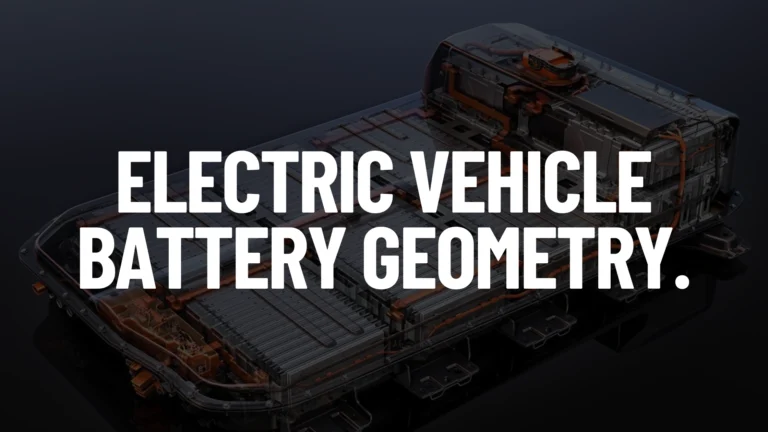
EV Battery Cell Shapes
The small cells inside the pack come in three shapes. The shape affects how the pack is cooled and repaired.
Cylindrical Cells
Shaped like small batteries you would recognize, just larger. Tesla is the best-known user of cylindrical cells. They are cheap to make and easy to cool, but the pack uses thousands of them.
Pouch Cells
Flat and soft-sided, like a sealed envelope. They use space efficiently and are common in many non-Tesla EVs. They need careful packaging because the soft sides can swell over time.
Prismatic Cells
Hard-sided rectangular blocks. They are sturdy and stack neatly, making large packs easier to build. Many LFP packs use prismatic cells.
What Affects EV Battery Life
EV batteries lose a small amount of capacity over time. Most modern packs keep 80 to 90 percent of their original capacity after 8 to 10 years. A few habits speed up or slow down that loss.
Charging Habits
For NMC batteries, daily charging to 100 percent and letting the car sit at full speed can wear them out. Keeping the charge between 20 and 80 percent for daily use helps the pack last longer. LFP batteries are more forgiving and usually fine to charge to 100 percent.
Fast Charging Frequency
DC fast charging is convenient but generates more heat than home charging. Using fast chargers for every charge speeds up wear over the years. Charging at home on Level 2 most of the time, and using fast chargers mainly for road trips, keeps the pack healthier.
Temperature
Extreme heat is the biggest enemy of battery life. Parking in shade, using a garage, and letting the car manage its own temperature all help. Cold weather reduces range temporarily but does not cause lasting damage the way sustained heat does.
How Home Charging Protects Your Battery
Charging at home on a Level 2 charger is gentler on your battery than relying on DC fast chargers. The slower AC charging produces less heat, which is the main cause of long-term wear.
A home Level 2 charger also lets you set charge limits and schedules so that you can keep an NMC battery in the healthy 20 to 80 percent range automatically. See our Level 2 EV charger reviews to find a charger with scheduling and charging limit features, or use our EV Charging Calculator to see how long it takes your specific battery to charge.
EV Battery Recycling and Second Life
EV batteries do not just get thrown away at the end of their life. When a pack drops to about 70-80% capacity, it is often still useful.
Retired EV batteries get a second life in home energy storage and grid backup systems, where the lower capacity still works well. When a pack reaches the end of its life, recyclers recover lithium, nickel, cobalt, and other metals to make new batteries. This recycling loop is growing fast in the U.S. as more EVs reach the end of their first life.
Explore Our Battery Guides
Dig deeper into specific battery topics with our detailed guides.
EV Battery FAQs
How Long Does an EV Battery Last?
Most modern EV batteries keep 80 to 90 percent of their capacity after 8 to 10 years of normal use. Many will outlast the rest of the car. Federal rules require automakers to warranty EV batteries for at least 8 years or 100,000 miles, and many packs keep working well beyond that.
Should I Charge My EV to 100 Percent Every Night?
It depends on your battery chemistry. For NMC batteries (common in long-range EVs), keep daily charging between 20 and 80 percent, and charge to 100 percent only before long trips. For LFP batteries (common in standard range and newer models), charging to 100 percent regularly is usually fine and often recommended. Check your owner's manual.
Does Fast Charging Damage My EV Battery?
Occasional DC fast charging is fine. Relying on it for every charge speeds up wear over the years because fast charging produces more heat than home charging. The healthiest pattern is home Level 2 charging most of the time, with fast charging saved for road trips.
How Much Does It Cost to Replace an EV Battery?
Out-of-warranty battery replacement typically runs 5,000 to 20,000 dollars, depending on the vehicle and pack size, though prices are falling as battery costs drop. Most owners never pay this because the battery is warrantied for at least 8 years or 100,000 miles,s and usually lasts much longer.
What Is the Difference Between NMC and LFP Batteries?
NMC batteries pack more energy into less space, giving more range per pound, but they wear faster if kept at 100 percent charge. LFP batteries hold less energy per pound but last longer and handle daily 100 percent charging better. Manstandard-rangege EVs use LFP; manlong-rangege EVs use NMC.
Does Cold Weather Damage My EV Battery?
No, cold weather does not cause lasting damage. It temporarily reduces range and slows charging because the battery is less efficient when cold. Range returns to normal when the battery warms up. Sustained high heat, not cold, is what causes lasting battery wear.
Can EV Batteries Be Recycled?
Yes. When a pack drops to about 70-80% capacity, it is often reused for home energy storage or grid backup. At the true end of life, recyclers recover lithium, nickel, cobalt, and other metals to make new batteries. The recycling industry is growing quickly as more EVs reach the end of their lifespans.
What Is a Battery Management System (BMS)?
The BMS is the computer that watches and protects your battery pack. It monitors each cell's temperature, voltage, and charge level, balances the cells, and prevents overcharging or overheating. The BMS prevents overcharging in modern EVs; it stops charging when the pack is full.
How Do I Keep My EV Battery Healthy?
Charge at home on Level 2 charger most of the time, keep NMC batteries between 20 and 80 percent for daily use, avoid leaving the car at 100 percent for long periods, park out of extreme heat when possible, and save DC fast charging for road trips. These habits help your pack last well beyond its warranty.