Supported by you via insider access, and when you purchase through links on our site, we may earn an affiliate commission. See our Affiliate Disclosure.
Smart EV Charger Reviews 2026
-
 Best Picks By
James Ndungu
Best Picks By
James Ndungu
- last updated March 24, 2026

Smart electric vehicle charger reviews, sorted by editor rating. These are our top picks based on thorough testing and in-depth analysis of software ecosystems, hardware reliability, and grid-integration features.
Use the “Compare” button on each product to select multiple chargers, then click the ⚖️ scale icon to see a full side-by-side comparison.
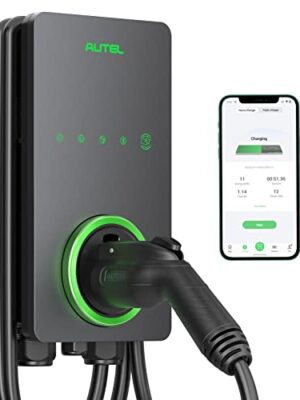
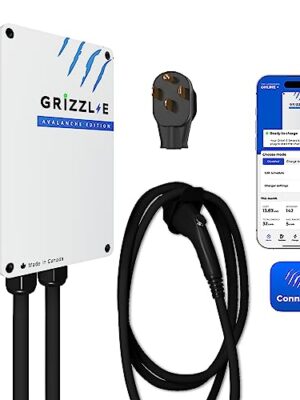
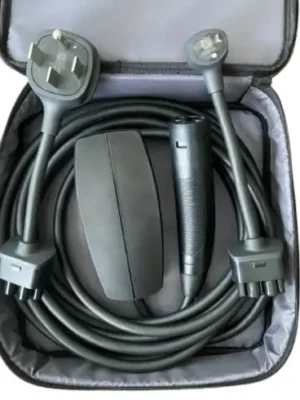
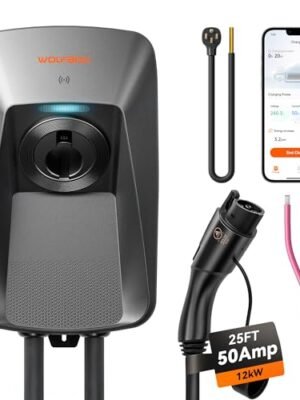
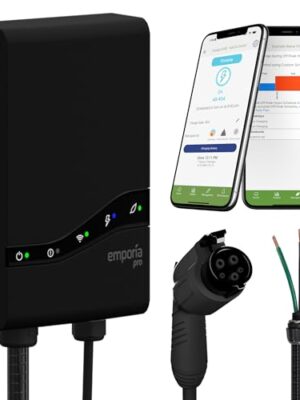
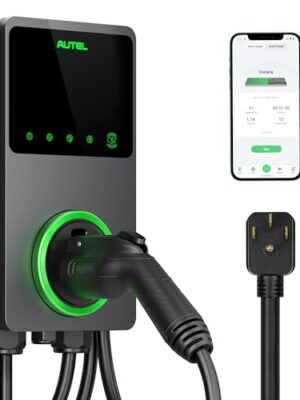
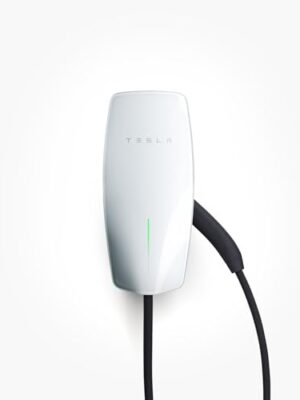
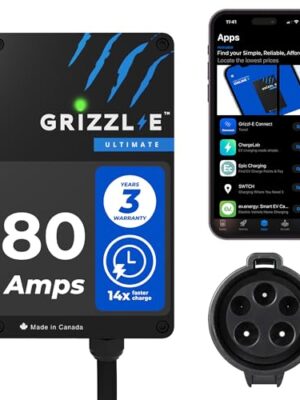
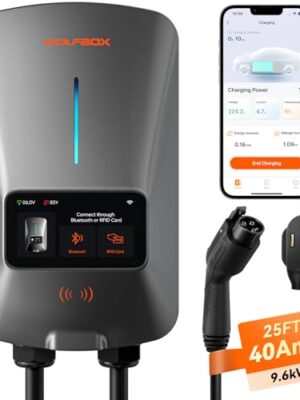
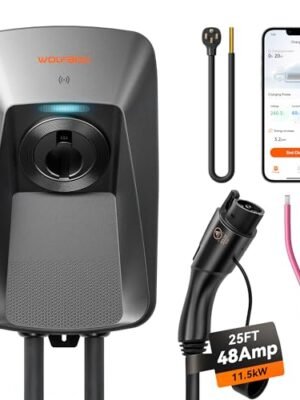
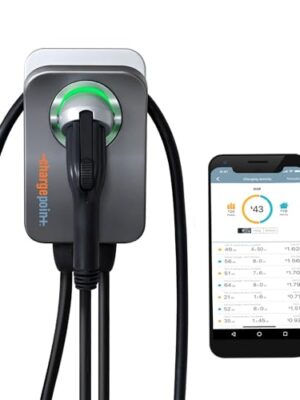
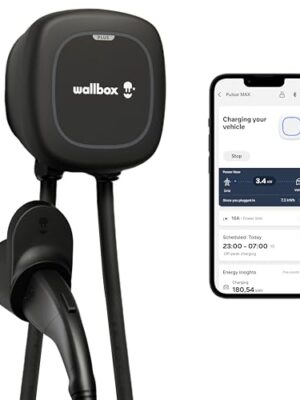
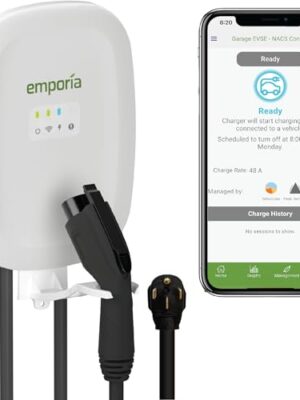
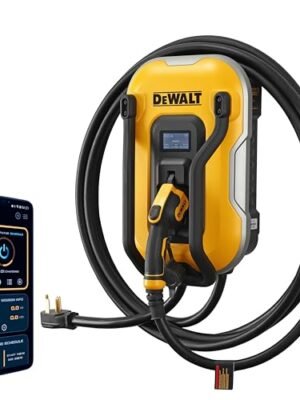
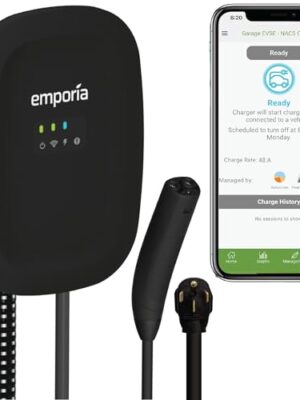
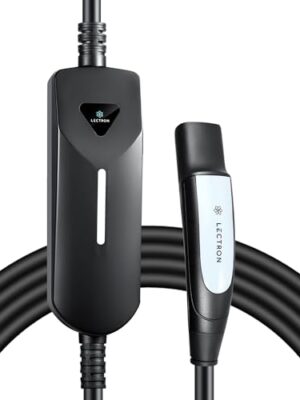
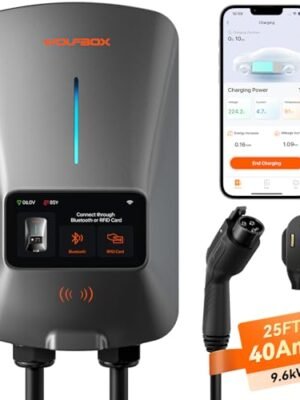
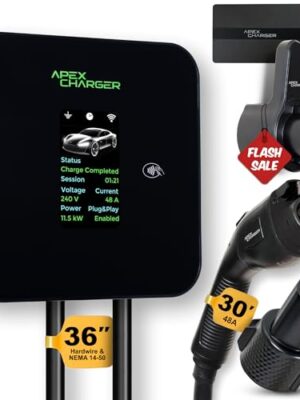
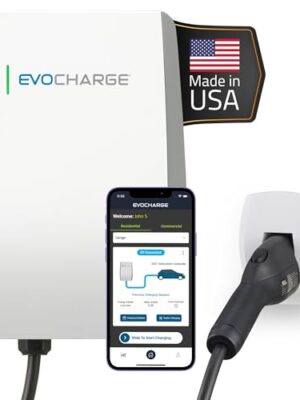
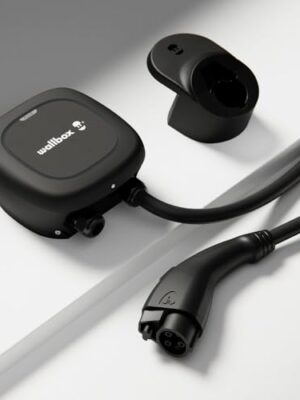
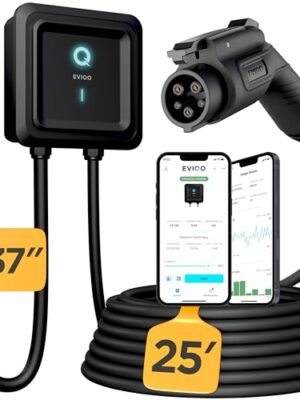
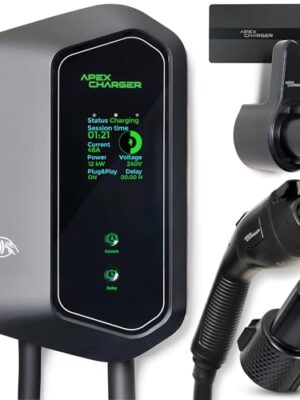
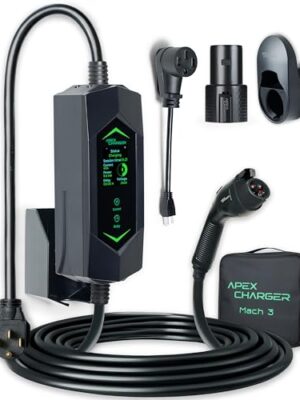
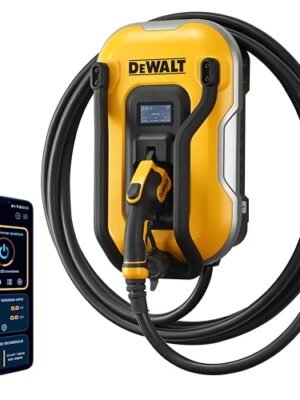
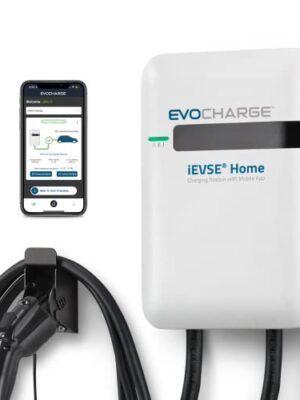
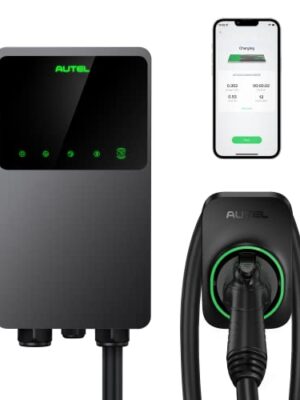
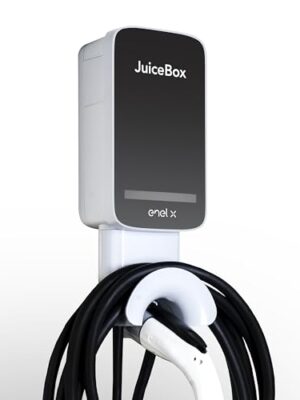
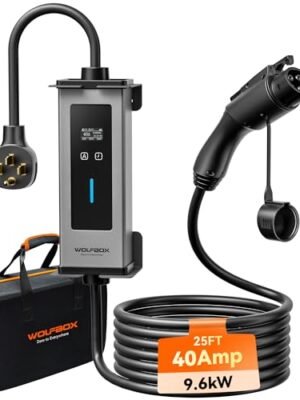
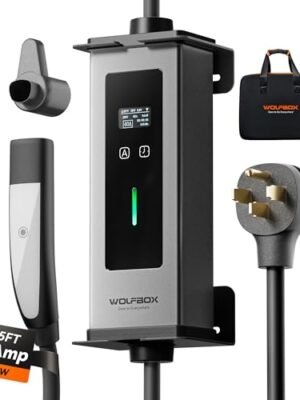
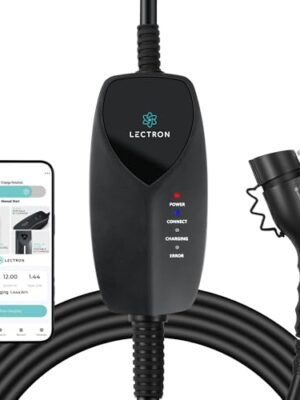
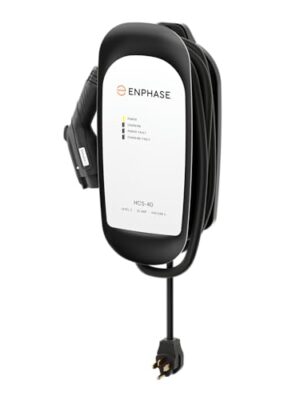
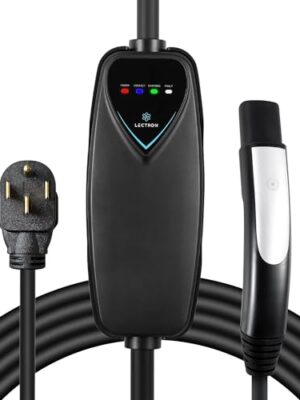
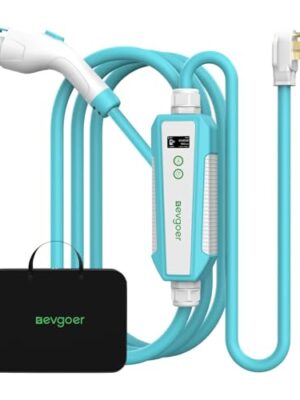

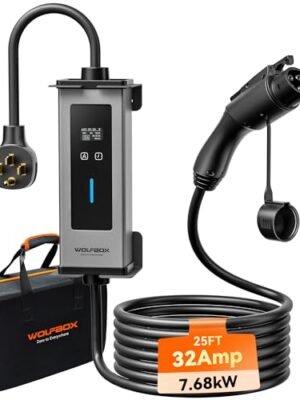
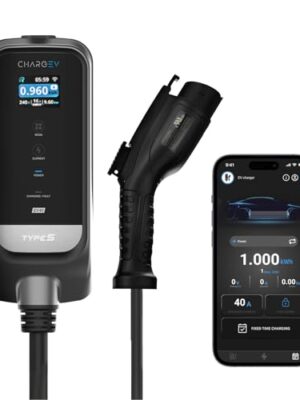
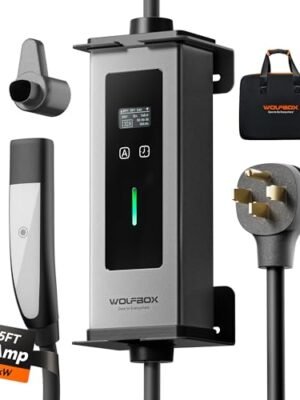
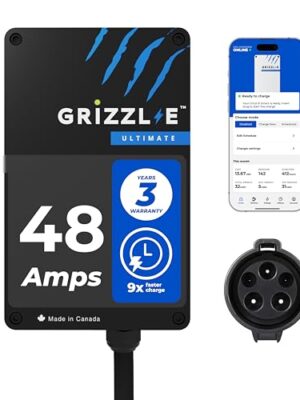
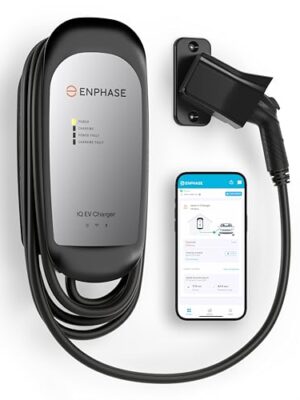
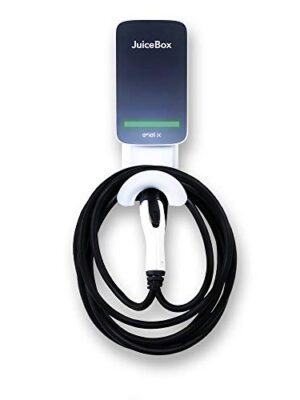
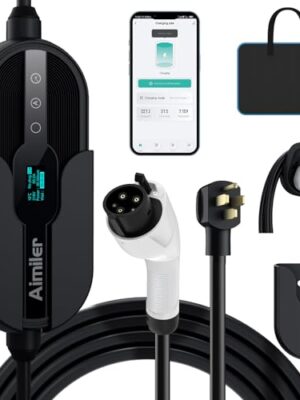
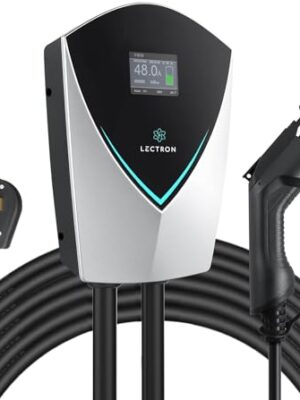
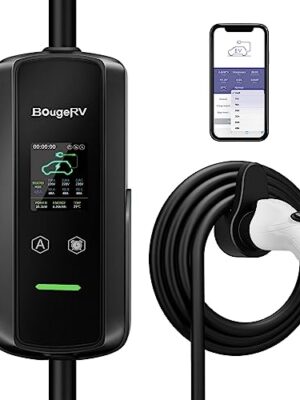
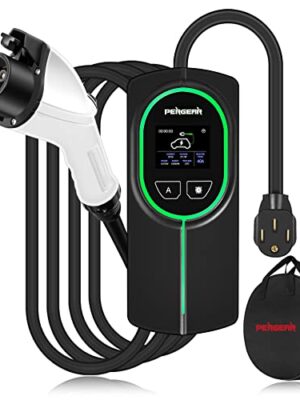
Browse our detailed reviews to find the perfect smart charger for your electric vehicle, installation location, and budget. Every charger we review has been tested in real-world conditions to help you make the best choice. Unlike one-time reviews, we frequently re-evaluate chargers to stay current with the latest EV charger trends.
Best Smart EV Chargers in 2026
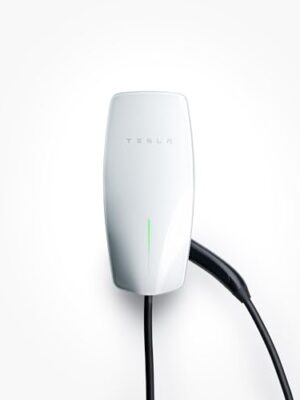
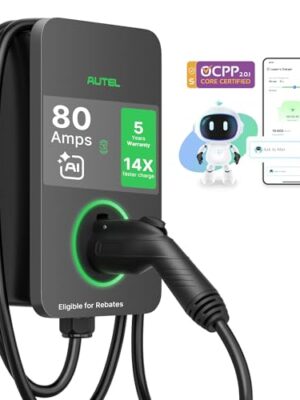
The best smart EV chargers for 2026 include the Tesla Universal Wall Connector with advanced bidirectional charging and Powershare for home backup power. The Autel MaxiCharger 80A leads with AI scheduling that minimizes electricity costs and intelligent multi-vehicle load balancing. The budget-friendly Grizzl-E Smart combines weather-resistant construction with smart power sharing and app-based control. The Autel AC Lite delivers essential smart charging features, including AI-powered rate optimization at the lowest price point.
Smart EV Charger Reviews
Looking for the best smart EV charger for your home or business? You’re in the right place. This guide and our in-depth reviews cover everything you need to know before making a decision. Each review evaluates connectivity and integration capabilities, including remote monitoring, programmable scheduling, energy usage tracking, and compatibility with home energy management systems or IoT platforms.
For example, in our review of the Tesla Universal Wall Connector, currently our top-rated smart EV charger in 2026, we go beyond standard smart charging features to analyze its bidirectional capabilities, including the ability to use the Cybertruck for home backup power through Tesla’s PowerShare technology.
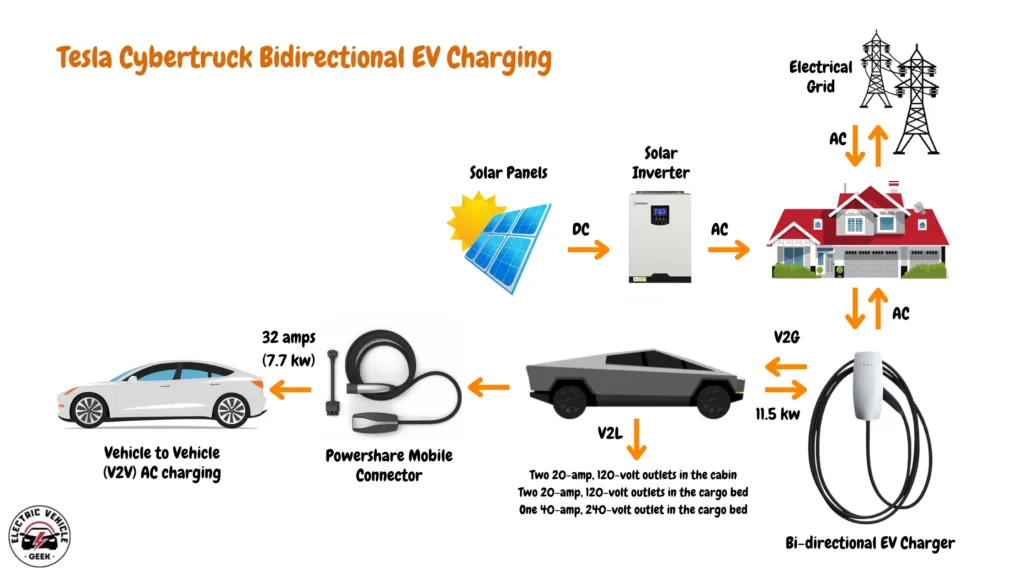
We also examine its deep integration within the Tesla ecosystem for solar EV charging and home energy storage, including Powerwall coordination and energy management logic. Detailed system diagrams are provided to clearly illustrate configuration requirements and real-world energy flow between the vehicle, home, and grid.
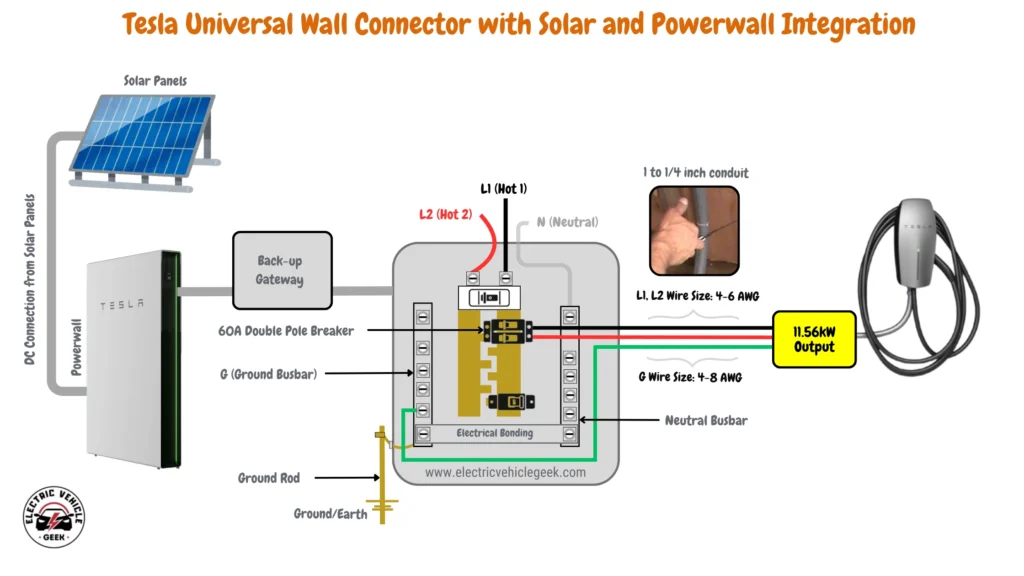
Our smart EV charger reviews are based on hands-on testing and technical analysis. We evaluate connectivity, smart EV charging features, app performance, scheduling, energy monitoring, and electrical compliance to ensure reliable, real-world performance. This expert approach helps you confidently choose a smart charger that delivers long-term value and functionality.
How We Review Smart EV Chargers
We use a 1–10 expert rating system based on hands-on testing and real-world use. We score chargers on important factors like features, performance, durability, design, value, and brand reputation. This helps you easily compare and pick the right charger for your needs.
To make searching simple, our page includes a custom filter. You can sort chargers by brand, connector type, power level, cable length, safety certifications, mounting style, connectivity type (Wi-Fi, Bluetooth, Ethernet, or Cellular), and smart features. This way, you only see chargers that match what you’re looking for.
Click any charger’s image or name to read the full review. If you want to compare EV chargers, use the “Compare” button and then the ⚖️ icon to view side-by-side specs, long-term performance, and ratings. This shows how chargers perform now and over time as new models arrive.
Our mission in 2026 is clear: to give you honest, experience-based smart EV charger advice you can trust—based on real testing, not marketing claims.
Top Features to Look For
When reading our smart EV charger reviews, pay attention to these important features. We have included examples from the top 10 smart EV chargers we have reviewed in our list above to help you understand which models offer these capabilities.
Top smart EV chargers include smart EV charging features such as adjustable amperage, letting you control charging speed to fit your home’s electrical capacity. The Tesla Gen 3 Wall Connector and ChargePoint Home Flex both offer this feature. Energy monitoring helps you track your power use and charging costs; chargers like the Autel MaxiCharger 80A and Grizzl-E Smart include detailed usage reports. Multiple user profiles simplify charging for families with more than one EV, as seen in the Emporia Pro. Voice control through Alexa or Google Assistant adds hands-free convenience on models like the Wallbox Pulsar Plus. For security, options like RFID or PIN access prevent unauthorized use, available on chargers such as the Autel AC Lite and Autel MaxiCharger 80A EV Charger.
Advanced Smart EV Charging Features
Advanced smart EV chargers go beyond basic smart EV charging features with smart load management, adjusting charging power automatically to avoid overloading your home’s electrical panel. The Autel MaxiCharger 80A and Wallbox Pulsar Plus both offer smart load management. Bidirectional charging (vehicle-to-grid or V2G) lets your EV send energy back to your home or the grid for savings and grid support. The Tesla Universal Wall Connector offers bidirectional options.
Editor’s Tip: Features Matter
The more smart EV charging features a charger includes, the higher its features score will be in our 1–10 expert rating system. This category accounts for 20% of the overall editor rating.
What Is a Smart EV Charger?
A smart EV charger is an electric vehicle charger with network connectivity that enables remote control, scheduling, energy monitoring, and integration with apps or home energy systems, providing enhanced efficiency and user convenience beyond basic charging.
A smart EV charger is much more than just a way to charge your car. It is a highly interconnected system that uses data, communication networks, and intelligent control to optimize charging for the user, the power grid, and the environment.
The infographic below shows how a smart EV charger connects the user, vehicle, charging station, grid, and cloud-based system into one intelligent energy ecosystem.
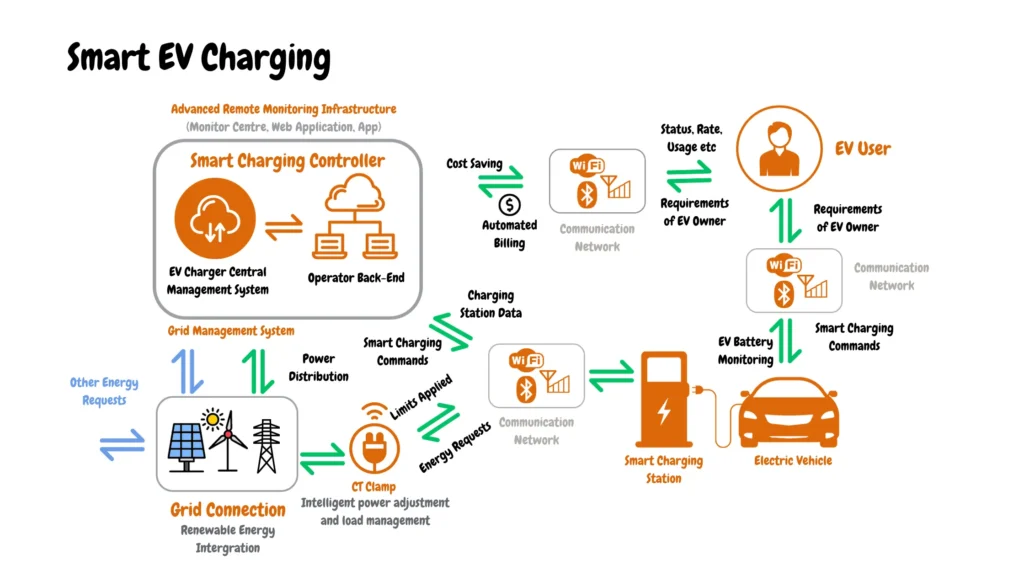
At the heart of this system is the Central Management System (CMS), a cloud-based hub that enables Remote Monitoring through apps and web interfaces. This gives users real-time control and visibility over their charging sessions, letting them start or stop charging, set preferences, and receive Real-time Feedback on charging status, rates, and energy use.
One of the most critical features is Load Balancing, which protects the grid and your home from overloads. This can be built into the charger or done through an external device such as a CT Clamp. The CT clamp monitors energy demand and adjusts the charging power to keep your electrical system safe and stable. What does load balancing mean for EV Chargers?
Smart charging depends on constant Data Integration, a continuous exchange of information between the Electric Vehicle (EV), the Smart Charging Station, and the operator’s back-end system. This feedback allows for features like Automated Billing and detailed usage reports.
The system also supports Sustainability by prioritizing green energy sources like solar and wind power whenever they are available. This not only reduces environmental impact but also helps lower charging costs through cost-saving strategies.
The EV User is a central part of the feedback loop. Through the smart EV charger, mobile app, or online platform, the EV user can set charging preferences, like scheduling the car to be fully charged by 8:00 AM, and receive real-time updates on charging status and costs. Payments are handled automatically, making the process smooth and hassle-free.
Thanks to smart scheduling, you benefit from Economic Efficiency through cost-optimized charging that takes advantage of off-peak electricity rates.
All of this is connected seamlessly through communication protocols such as WiFi, Bluetooth, and Cellular/Radio signals, ensuring the charger, vehicle, user app, and management platform stay in sync.
How Smart EV Chargers Connect
Smart EV chargers use four main connection types to communicate and sync with your electric vehicle, management platform, phone, or computer. Each type offers different benefits depending on where you install your charger.
Wi-Fi
Wi-Fi is the most common connection type for home EV chargers. It links the charger to your home internet network, allowing you to control it through a smartphone app from anywhere. With Wi-Fi, you can schedule charging during off-peak hours when electricity is cheaper, receive alerts when charging starts or stops, and track your monthly energy use and costs. This option works best in garages with a strong Wi-Fi signal. If your signal is weak, you may need a Wi-Fi extender to maintain a stable connection.
Bluetooth
Bluetooth creates a direct connection between your phone and the charger without using the internet. You need to be close to the unit, usually within about 30 feet, for it to work. Bluetooth is often used for first-time setup and serves as a backup if your Wi-Fi goes down. It uses less power and avoids internet-based security concerns. However, you cannot control the charger remotely, so it’s not ideal if you want access while away from home
Ethernet
Ethernet connects your charger directly to your router using a physical cable. This creates a very stable and secure connection that does not drop like wireless signals sometimes can. It offers fast response times and strong reliability, which is especially important for businesses, apartment buildings, or installations with multiple chargers. The downside is that you must run a cable from your router to the charger, which may require professional installation depending on distance and layout.
Cellular (4G/LTE)
Some smart chargers include built-in cellular connectivity. This allows the charger to connect to the internet using a mobile network, similar to how a smartphone uses data. Cellular is useful in locations without home internet, such as rural properties, cabins, job sites, or outdoor commercial stations. It provides flexibility but may require a small monthly data fee. Before choosing this option, it’s important to confirm that your area has strong cell coverage.
How to Save Money with Smart Charging
Smart EV chargers can help you save $200-500 per year on electricity costs. Here’s how:
Off-Peak Charging Schedules
Most utility companies charge lower rates at night. A smart charger can automatically delay charging until off-peak hours begin. If daytime electricity costs $0.30 per kWh but drops to $0.10 at night, you could save about $4 on a full EV charge.
Utility Company Rebates
Many utility companies offer rebates from $50 to $500 when you install a smart charger. They support managed charging because it reduces grid strain during peak hours, and some programs even reward you for lowering demand.
Solar Panel Integration
If your home has solar panels, a smart charger can prioritize charging when solar output is highest. This helps you use more of your own generated power instead of drawing electricity from the grid.
Track and Reduce Waste
Smart chargers provide detailed energy usage reports through their apps. By reviewing charging patterns and adjusting schedules, many EV owners reduce wasted electricity and lower their monthly power bills.
FAQs
What makes an EV charger “smart”?
A smart EV charger connects to Wi-Fi and lets you control charging through a mobile app. It can schedule charging, track energy use, and adjust power based on your home’s electrical load.
Do I really need a smart EV charger at home?
Not everyone does. But if you want lower electricity bills, energy tracking, or solar integration, a smart charger gives you more control than a basic plug-in unit.
Can a smart charger lower my electricity bill?
Yes. You can schedule charging during off-peak hours when rates are lower. Many drivers save money just by charging at night instead of during the day.
Are smart EV chargers safe?
When installed correctly and code-compliant, smart chargers are very safe. Many include built-in safety protections like temperature monitoring, ground fault protection, and automatic shutoff.
Will a smart charger work with my EV?
Most smart chargers use the standard J1772 connector, which works with almost all EVs sold in the U.S. Tesla vehicles can also work with an adapter or Tesla-specific connector.
How often do you update your EV charger reviews?
We regularly re-evaluate chargers as firmware updates roll out and new models enter the market. Our ratings reflect real-world home testing, long-term reliability, and current 2026 charging trends.