Supported by you via insider access, and when you purchase through links on our site, we may earn an affiliate commission. See our Affiliate Disclosure.
UL Certified EV Chargers Reviews
Expert reviews of UL Certified EV chargers ensure safety, reliability, and performance for your electric vehicle. Find the best charger for your needs.
Use the “Compare” button on each product to select multiple chargers, then click the ⚖️ scale icon to see a full side-by-side comparison.
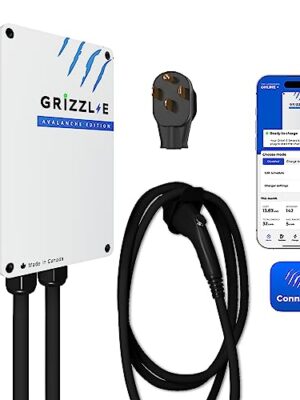
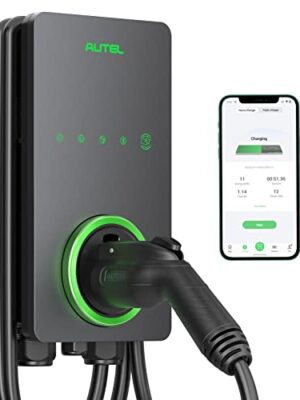
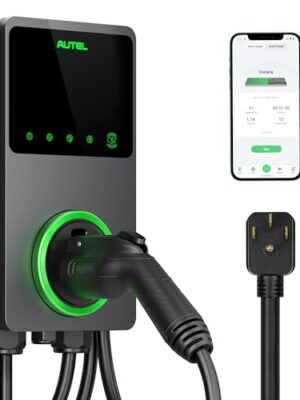
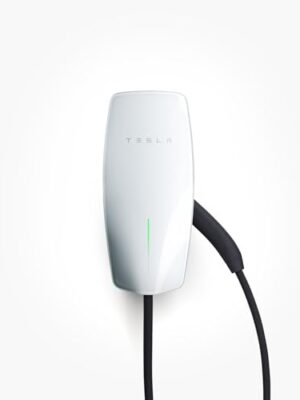
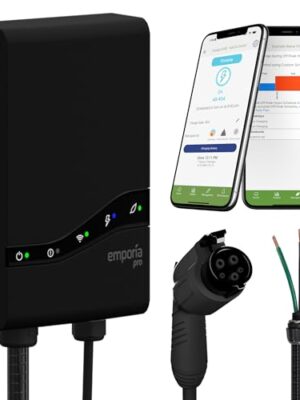
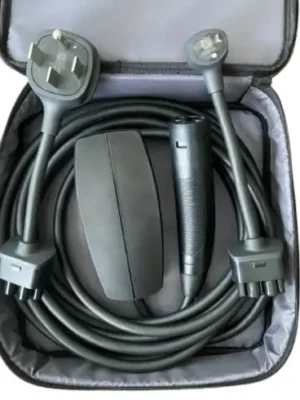
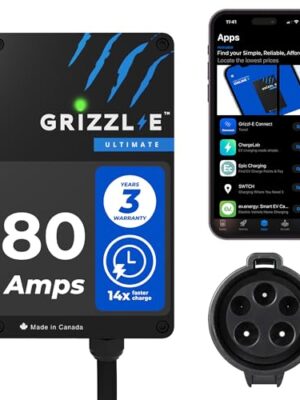
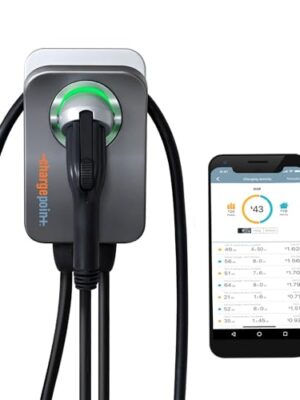
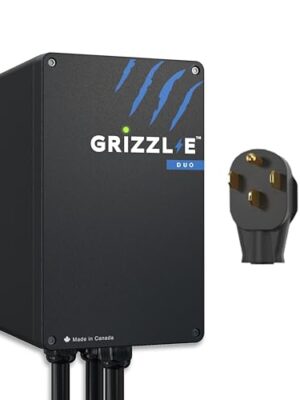
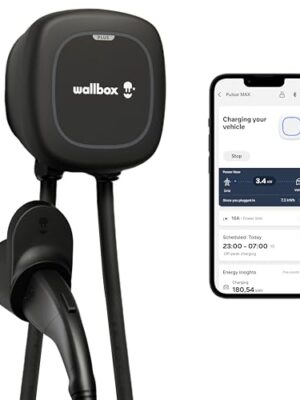
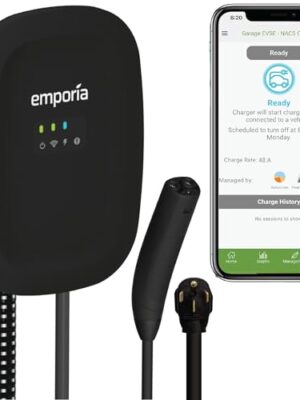
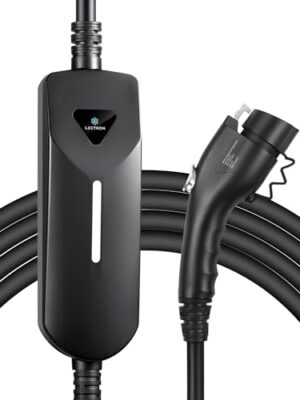
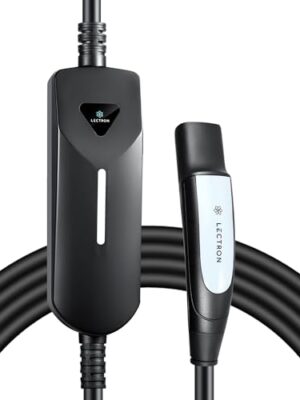
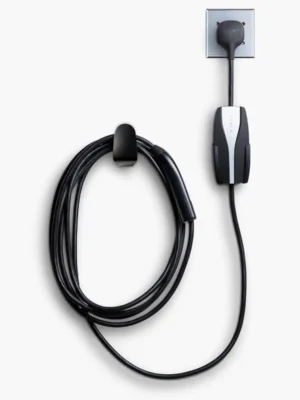
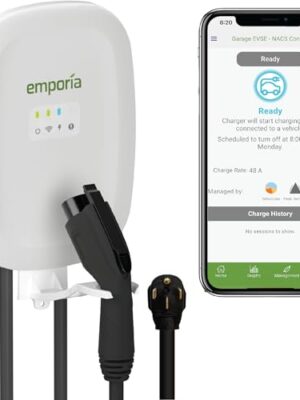
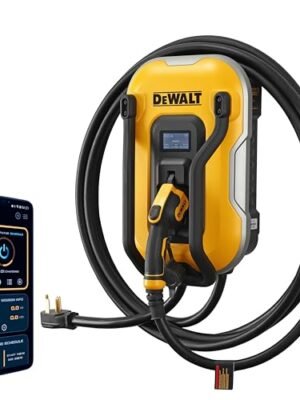
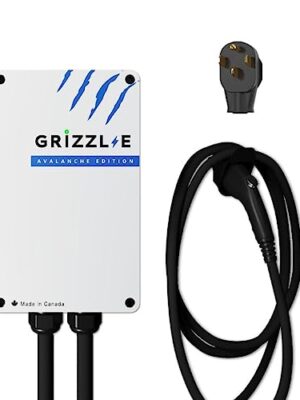
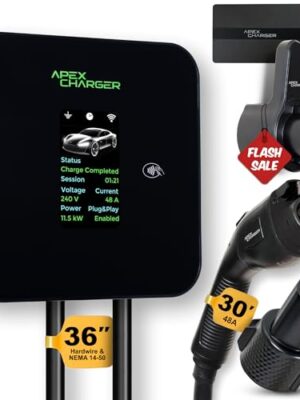
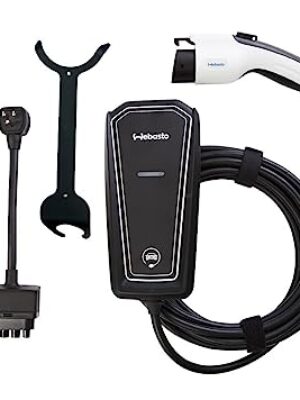
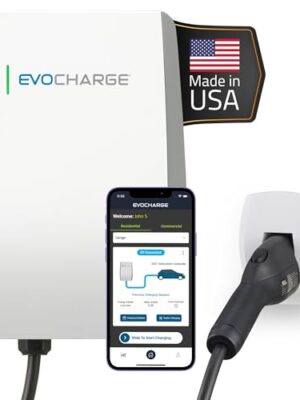
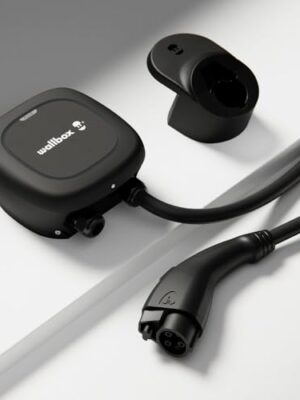
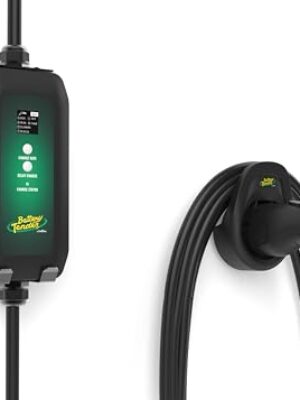
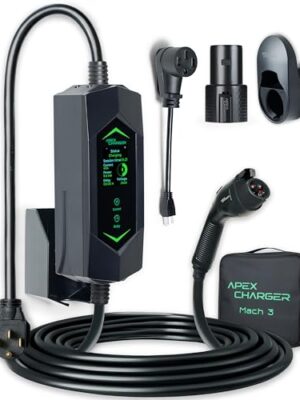
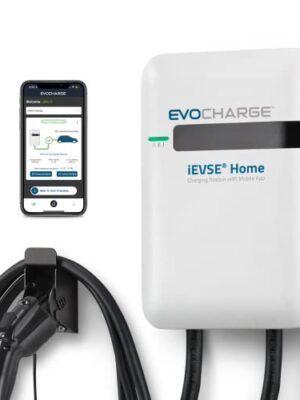
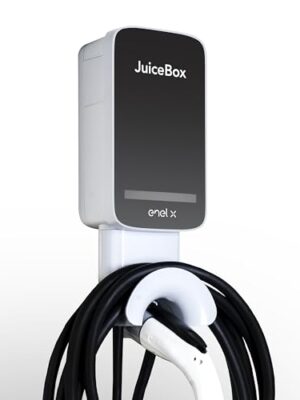
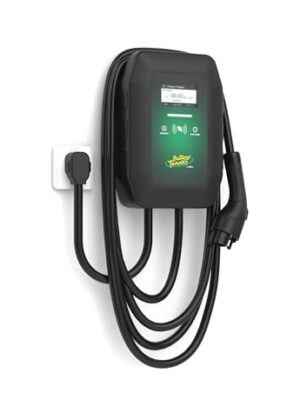
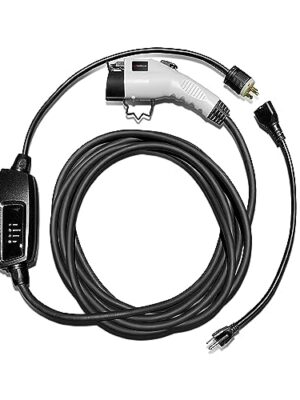
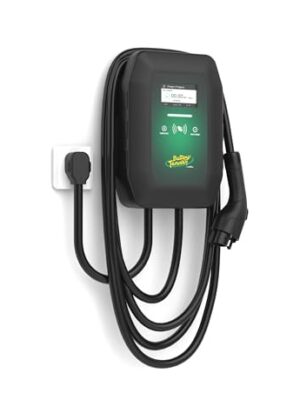
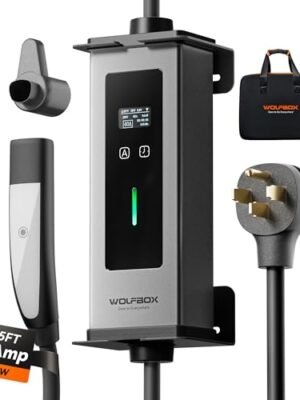
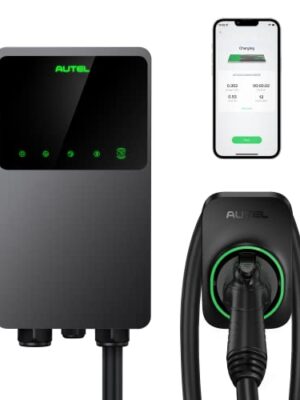
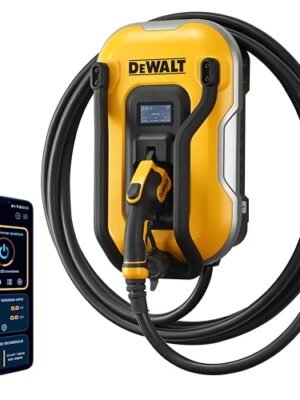
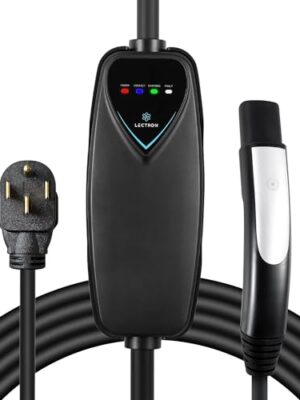
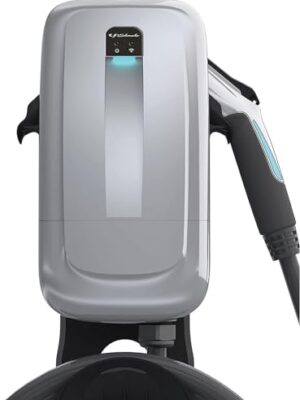
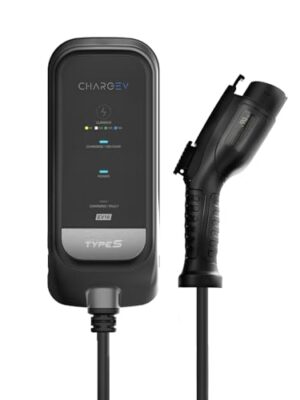
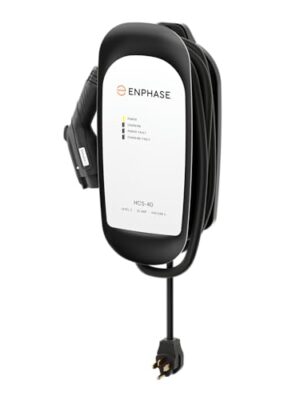
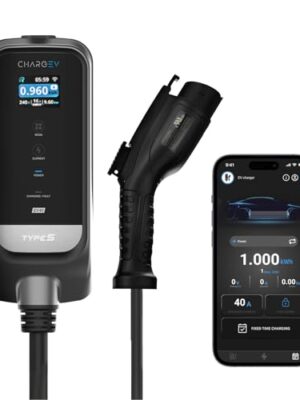
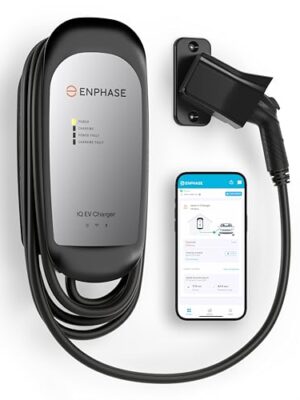
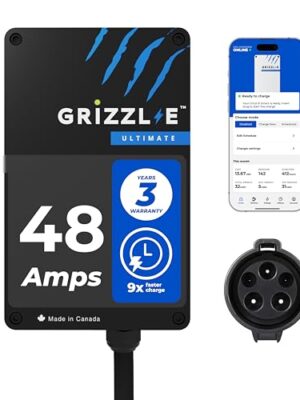
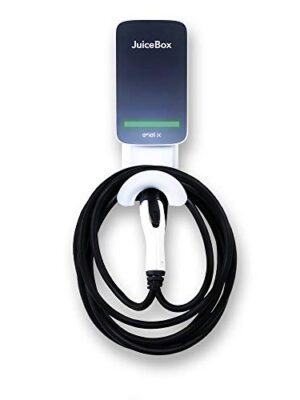
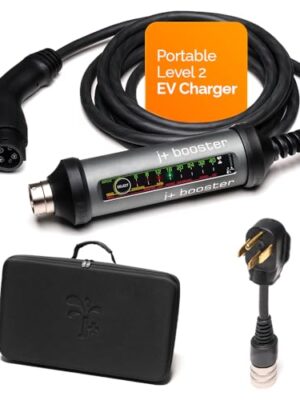
UL Certified EV Chargers
UL Certified EV Chargers are charging stations that have been independently tested and certified by UL (Underwriters Laboratories), a globally recognized safety certification organization. Think of it as a seal of approval that confirms your charger meets strict safety standards.
What Gets Tested?
During certification, UL checks several important safety features. First, they test electrical protection. The charger must handle power surges and short circuits without causing fires or damaging your car’s battery.
Next, they check grounding and insulation. Proper grounding stops electrical shocks. Good insulation makes sure electricity only goes where it’s supposed to go.
For outdoor chargers, UL tests environmental durability. The charger needs to work in rain, snow, hot weather, and cold weather. It also needs to handle sunlight without breaking down over time.
Thermal management is another key test. Charging creates heat, so the charger must stay cool during long charging sessions. If it gets too hot, it could become dangerous.
UL also makes sure the charger has emergency shutdown features. If something goes wrong, you need to be able to turn it off quickly and safely.
Finally, they test physical durability. The cables, plugs, and outside case must last a long time. They shouldn’t crack, break, or wear out with normal use. This complete testing process ensures every part of your charger is safe.
Why UL Certification Matters for Your Home
Code Compliance
Most local electrical codes and building regulations require UL-listed electrical equipment. Installing a non-certified charger could violate code, fail inspection, or even void your homeowner’s insurance.
Insurance Requirements
Many insurance companies specifically require UL certification for high-power electrical equipment. Using an uncertified charger could complicate claims if an electrical fire or other incident occurs
Safety Peace of Mind
EV chargers operate at high voltages (240V for Level 2 chargers) and high currents (up to 80 amps). That’s a lot of electrical power flowing through equipment in your garage or driveway. UL certification provides confidence that the charger won’t pose fire or shock hazards to your family.
Rebate Eligibility
Many utility companies and government programs offer rebates for EV charger installation, but they often require the equipment to be UL certified. Choosing a non-certified charger could cost you hundreds of dollars in potential incentives.
How to Identify UL Certified Chargers
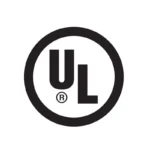
Always confirm UL certification by checking for the UL mark to ensure your device meets safety standards. This can be done before buying, after receiving the product, and online using UL’s database.
Before purchasing, check the product specifications on the manufacturer’s website or the online listing. Look for “UL Listed” or “UL Certified” in the compliance or safety section. In our EV charger reviews, you can also find certifications listed in the key specifications tab on each charger’s review page.
After purchasing, check the physical product. The UL mark is usually on the main label attached to the charger housing. Look on the power brick, the back or bottom of the device, inside the battery compartment, along the cable, near charging ports, or on the rating plate with the voltage details. You can also review the retail box and the “Safety Information” or “Compliance” section in the user manual.
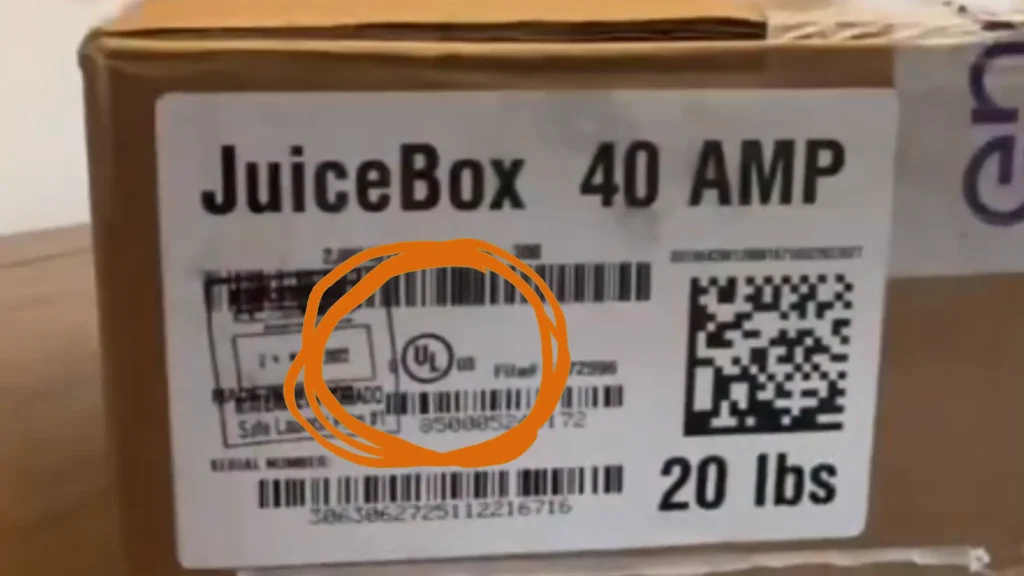
For online verification, use UL’s Product iQ database. Enter the product’s UL File Number, which is printed on the label and usually starts with the letter “E,” to confirm the certification.
We have organized our EV charger certifications by the five major safety marks recognized in North America (CSA, Energy Star, ETL, FCC, and UL) to simplify your decision-making. This allows you to focus on each certification’s standards and industry acceptance, bypassing exhaustive research to make a confident purchase.



Disclaimer
We offer independent EV charger reviews and guides. UL® is a registered certification mark of UL Solutions, and we are not affiliated with or endorsed by UL Solutions.