Supported by you via insider access, and when you purchase through links on our site, we may earn an affiliate commission. See our Affiliate Disclosure.
ENERGY STAR Certified EV Chargers Reviews
Independent reviews, rigorous testing standards, and expert insights to help you choose the most efficient, safe, and cost-effective ENERGY STAR Certified EV Charger for your home.
Use the “Compare” button on each product to select multiple chargers, then click the ⚖️ scale icon to see a full side-by-side comparison.
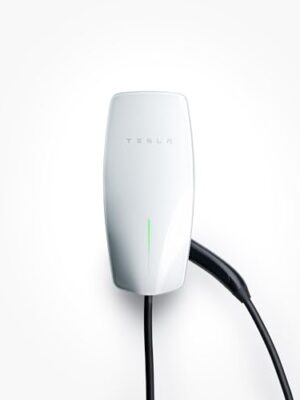
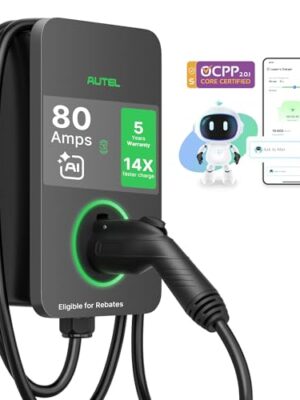
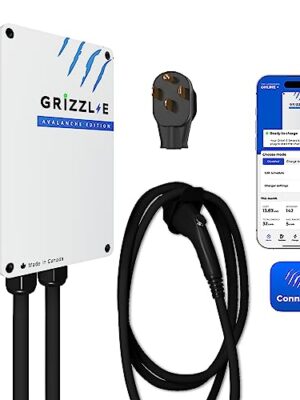
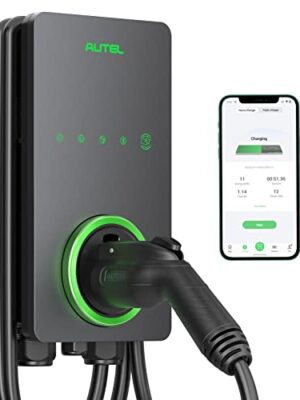
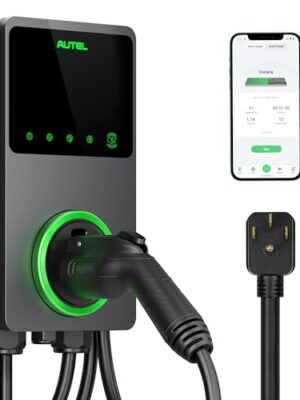
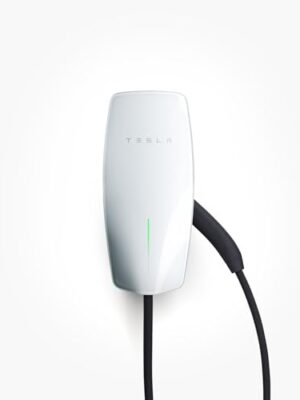
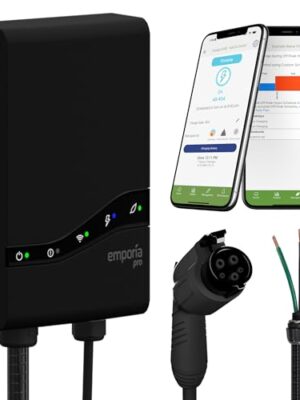
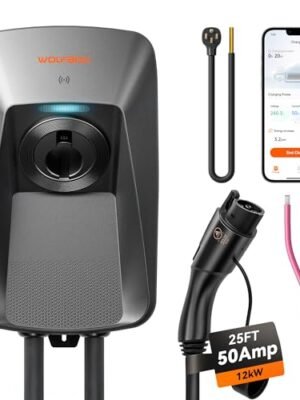
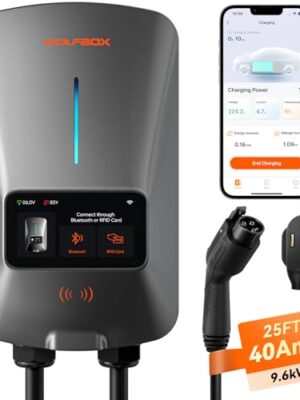
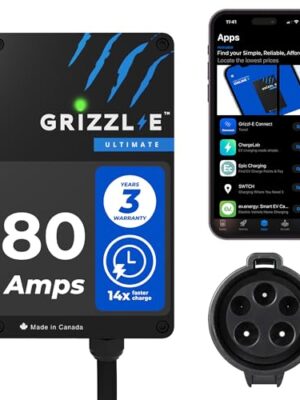
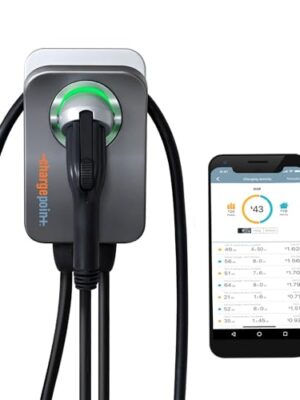
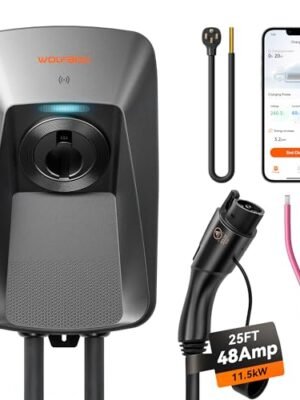
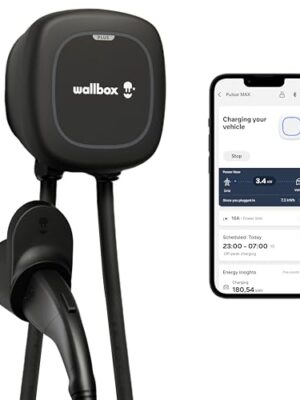
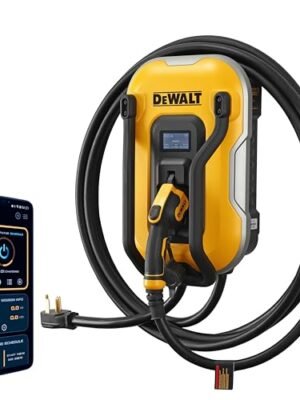
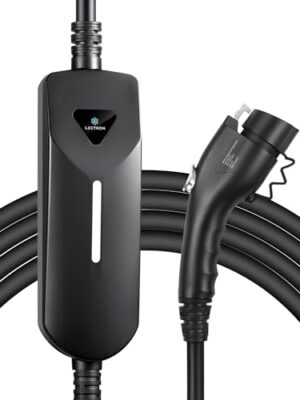
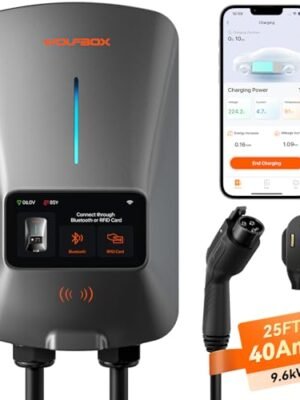
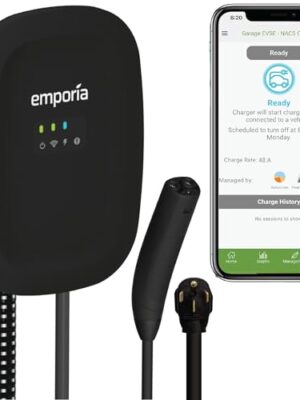
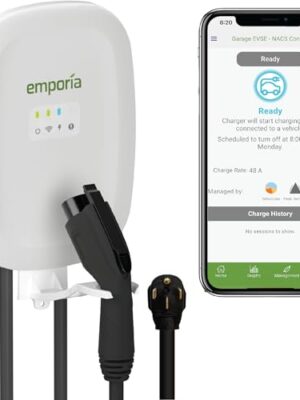
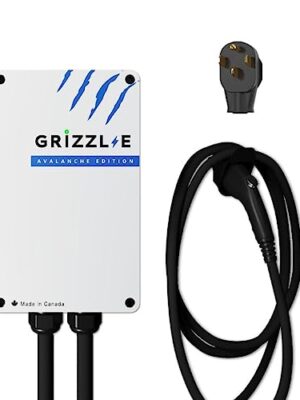
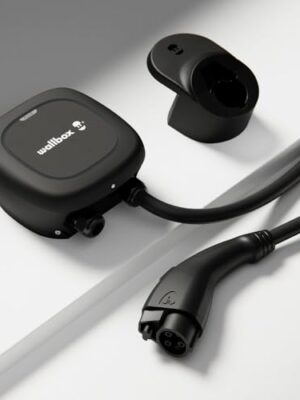
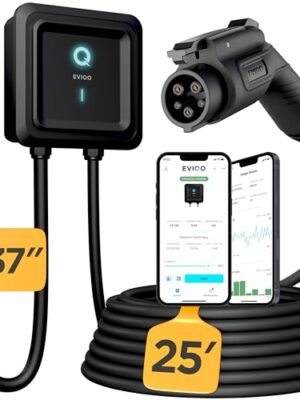
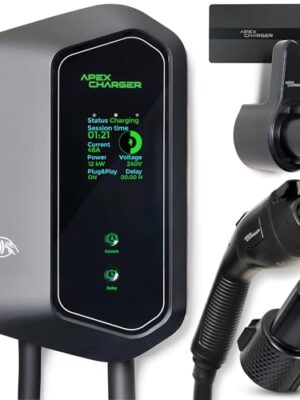
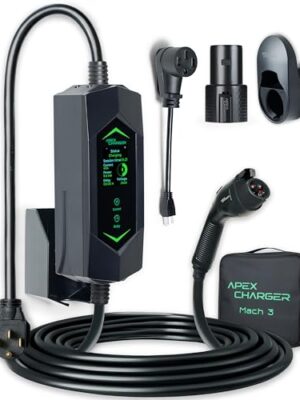
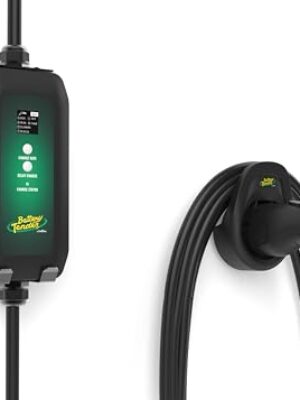
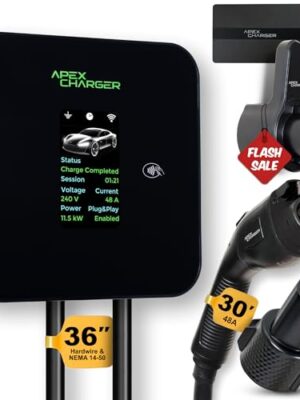
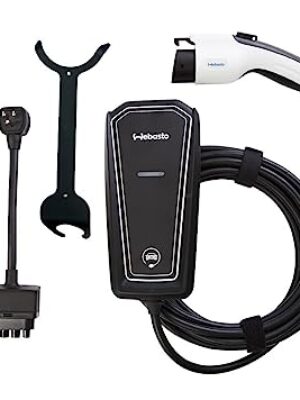
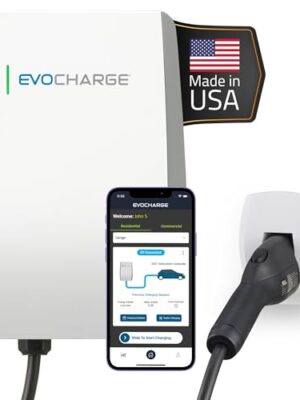
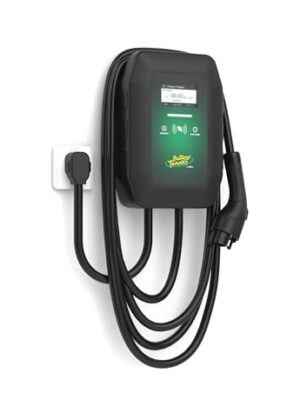
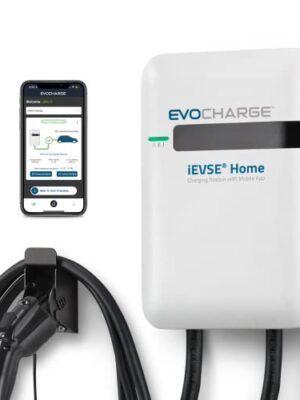
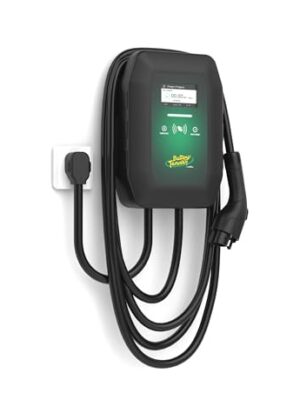
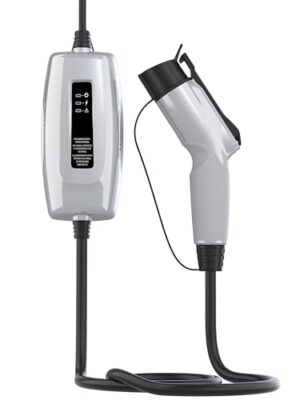
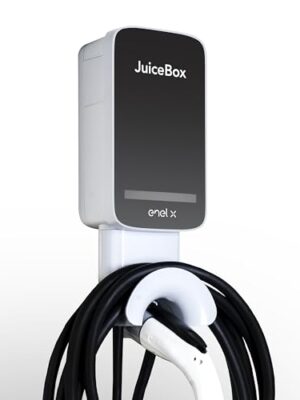
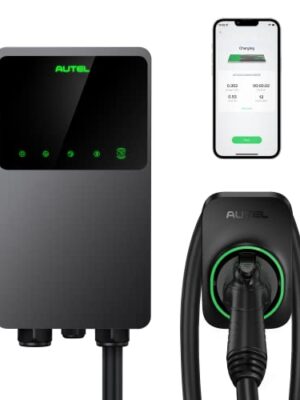
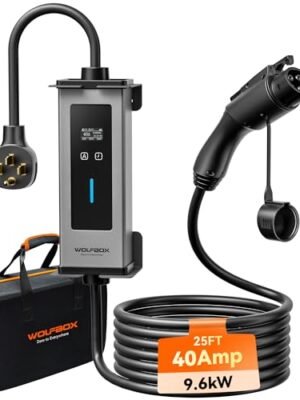
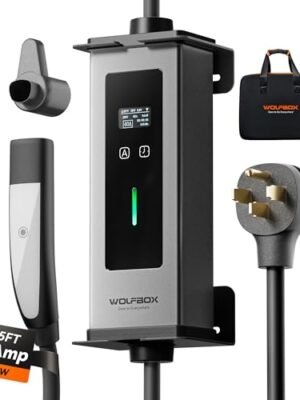
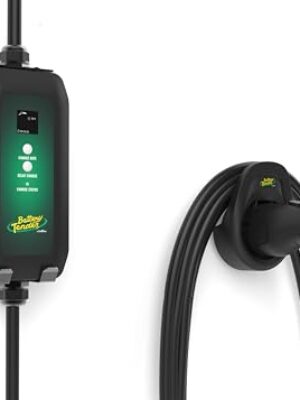
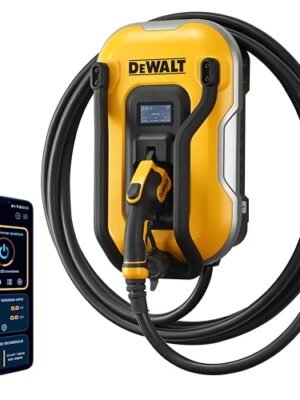
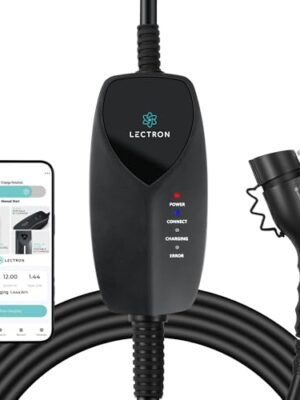
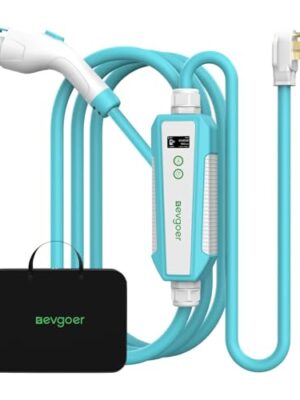
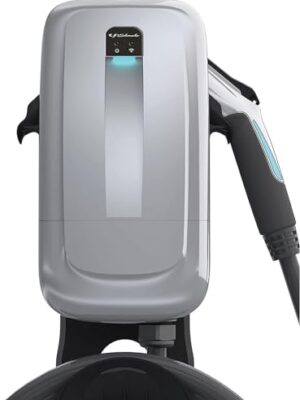
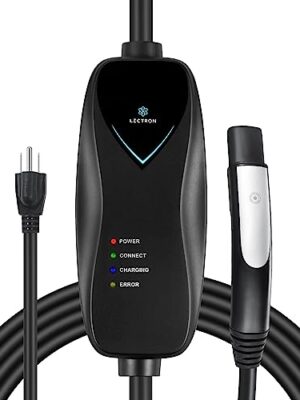
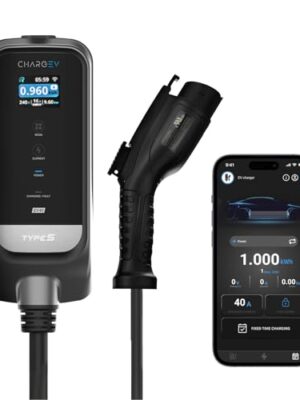
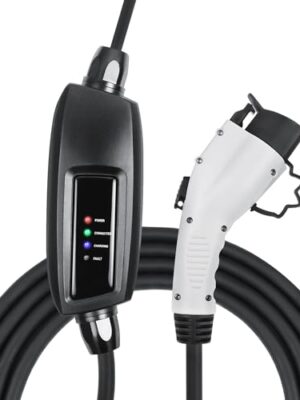
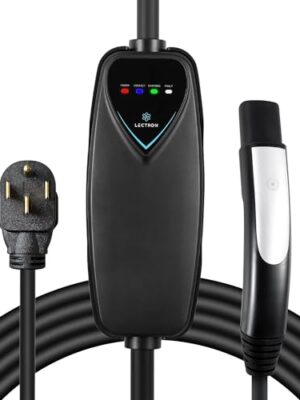
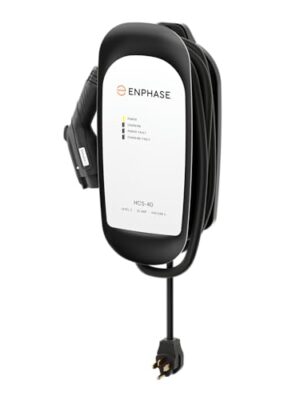
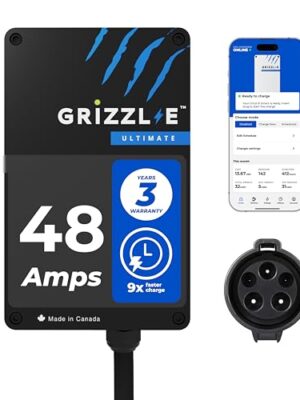
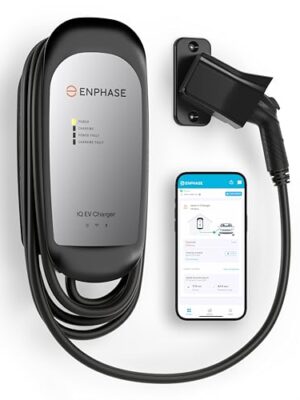
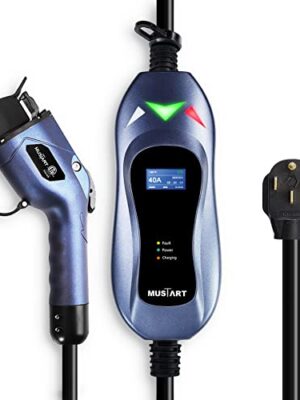
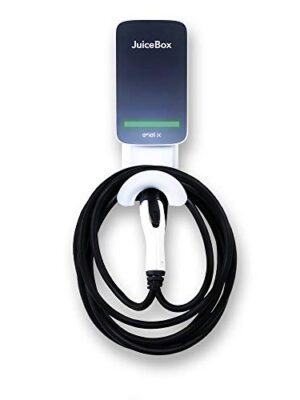
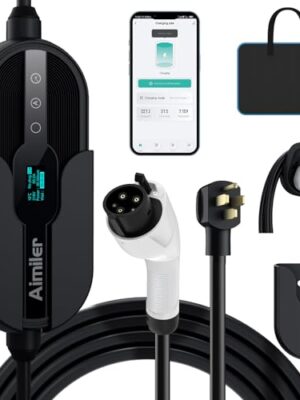
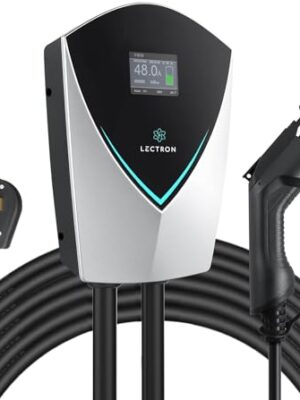
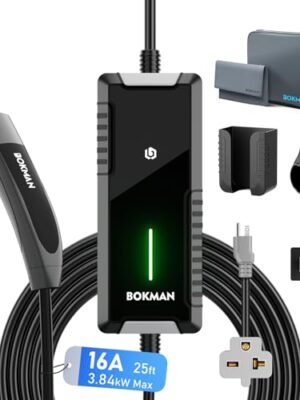
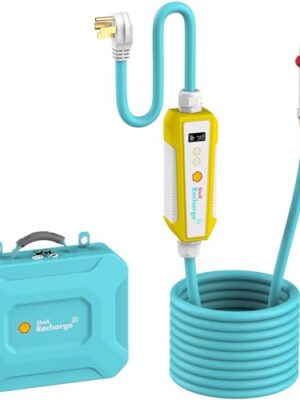
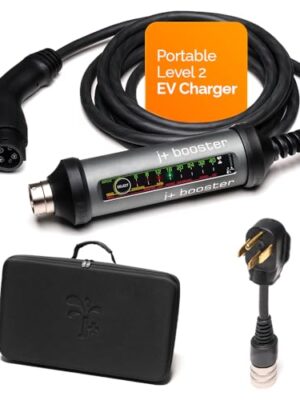
ENERGY STAR Certified EV Chargers
ENERGY STAR-rated EV chargers are electric vehicle supply equipment (EVSE) that meet strict energy efficiency and safety standards set by the U.S. Environmental Protection Agency (EPA). These chargers are designed to minimize energy waste, particularly when they are not actively charging a vehicle.
Why ENERGY STAR Certification Matters for Your Home
Beyond energy savings, certified chargers provide safety assurance, financial incentives, and future-ready smart grid capabilities.
Reduced Utility Bills
Certified chargers use 40% less energy in standby mode than standard models.
Safety Assurance
Many chargers sold online lack proper safety testing; the ENERGY STAR label guarantees the unit won’t pose a fire or shock hazard to your home.
Rebates and Incentives
Many local utilities offer significant rebates (often $250–$300) specifically for ENERGY STAR certified models.
Smart Grid Readiness
Certified smart EV chargers chargers can help you save more by participating in programs that optimize charging during off-peak hours.
What Gets Tested?
To earn the ENERGY STAR label, chargers undergo rigorous, independent testing in EPA-recognized laboratories across multiple critical areas, ensuring unbiased verification of performance claims and safety standards.
Standby Power Consumption
Chargers are tested for efficiency in “No Vehicle,” “Partial On,” and “Idle” modes. Since chargers spend approximately 85% of their lifetime in standby, this is the primary focus for energy savings.
Certified models must use significantly less power when not in use. ENERGY STAR chargers use roughly 40% less energy on average in standby mode compared to standard models.
Active Charging Efficiency
For AC Level 2 chargers with an output current of up to 80 Amperes (A), ENERGY STAR certification focuses primarily on reducing energy loss during non-active periods rather than active efficiency. This is because most of the power loss in AC charging occurs inside the vehicle’s onboard converter, which is outside the control of the charging station itself.
For DC fast chargers, the EPA tests for minimum active charging efficiency standards, such as at least 93% efficiency for units up to 65 kW output.
Idle and No-Vehicle Modes
The EPA sets strict watt limits for various states, such as “No Vehicle” mode (disconnected from the car) and “Idle” mode (connected but not charging).
Power Allowances
Extra power is allowed for units with energy-intensive features like high-resolution displays or network connectivity (Wi-Fi/Cellular) to ensure smart features don’t negate energy savings.
Automatic Brightness Control (ABC)
If the unit has a screen, it is tested to see if it dims automatically in low light to conserve energy and reduce light pollution.
Full Power Handling
Even at 80A, the internal components (relays, cables, and connectors) are verified for safety and minimal heat-related energy loss by Nationally Recognized Testing Laboratories.
How to Identify ENERGY STAR Certified Chargers
Follow these three essential steps to ensure you’re purchasing a genuinely certified and safe EV charger.

Check for the distinctive blue ENERGY STAR logo on the product packaging, the unit’s permanent nameplate, or the manufacturer’s official website. This is your first indicator of certification.
The most reliable verification method is to search the official ENERGY STAR Product Finder for AC chargers or the DC Product Finder for fast chargers. This database is regularly updated by the EPA.
Confirm the product also displays a safety mark from a Nationally Recognized Testing Laboratory such as UL, ETL, or CSA. This ensures efficiency claims are backed by a safety-certified build.
We’ve organized EV chargers according to the five main North American certifications (CSA, ENERGY STAR, ETL, FCC, and UL) so you can compare them more easily. By grouping them this way, you can quickly see what each certification covers, how it’s recognized, and what it means for safety and compliance. This helps you avoid unnecessary research and choose a charger with confidence.



Disclaimer
We offer independent EV charger reviews and guides. ENERGY STAR® is a registered trademark of the U.S. Environmental Protection Agency, and we are not affiliated with or endorsed by the EPA.