Supported by you via insider access, and when you purchase through links on our site, we may earn an affiliate commission. See our Affiliate Disclosure.
FCC Listed EV Chargers Reviews
Independent reviews, clear testing standards, and expert insights to help you choose a safe, compliant, and interference-free FCC listed EV charger for your home.
Use the “Compare” button on each product to select multiple chargers, then click the ⚖️ scale icon to see a full side-by-side comparison.
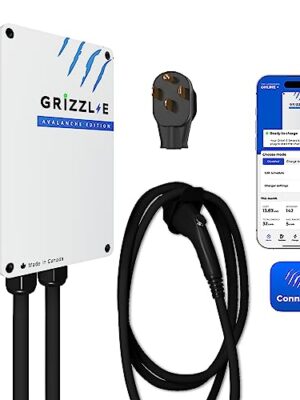
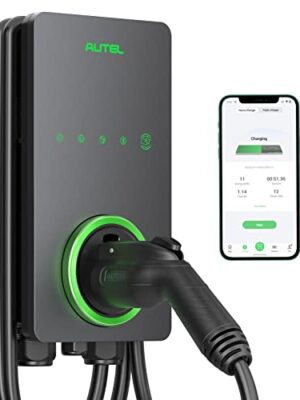
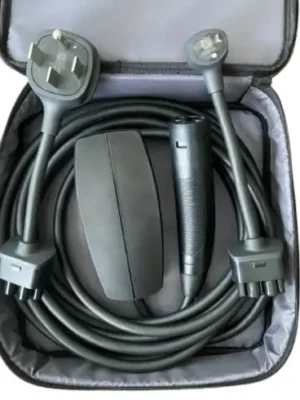
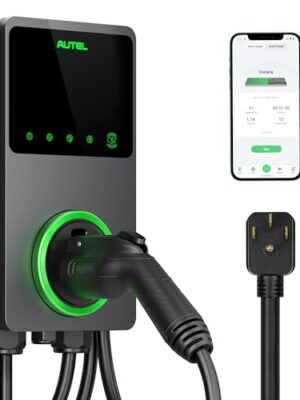
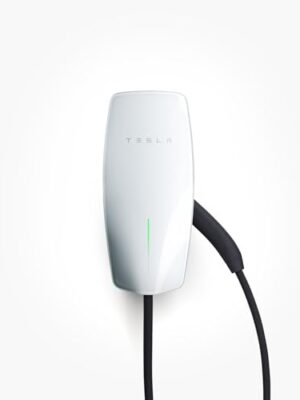
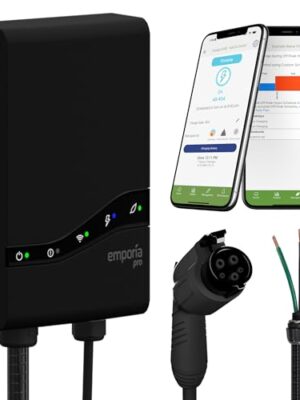
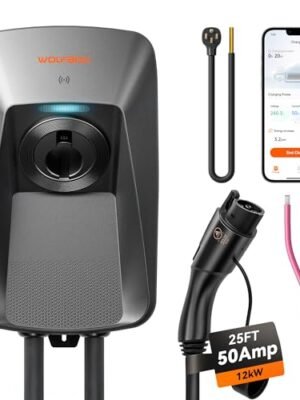
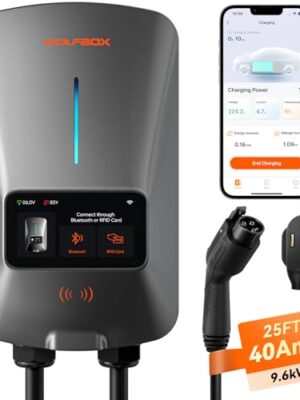
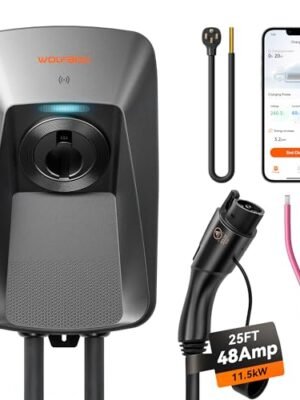
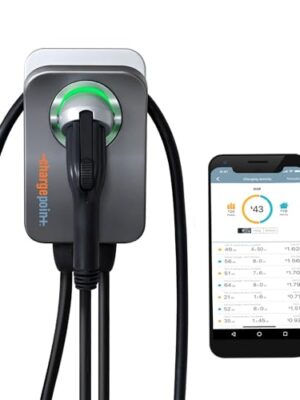
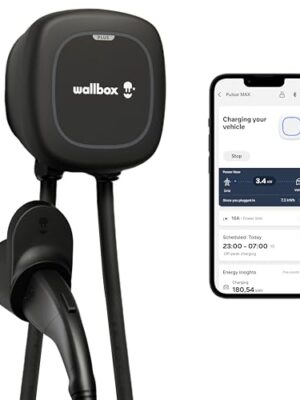
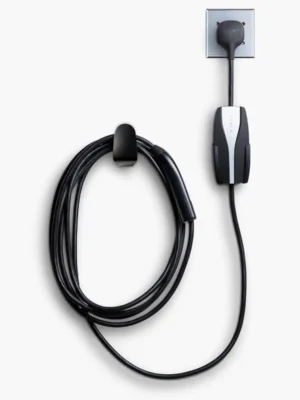
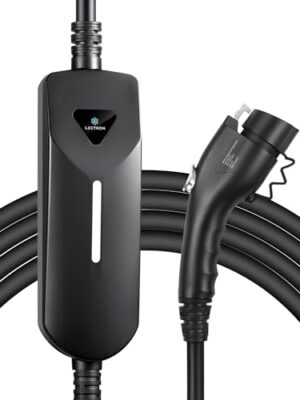
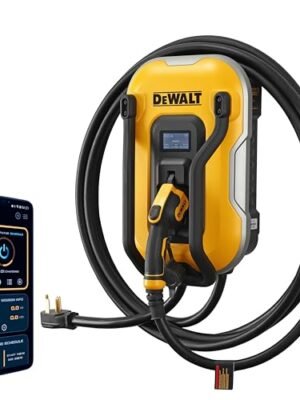
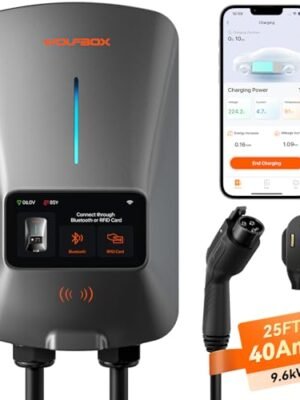
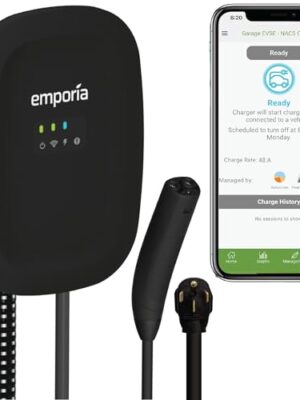
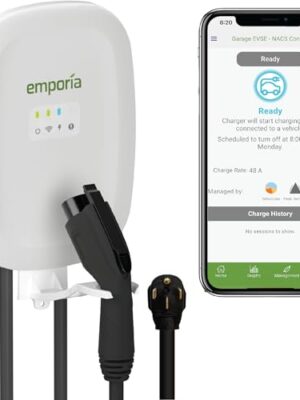
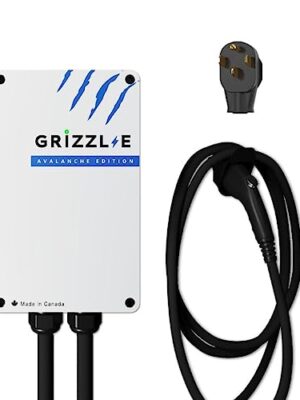
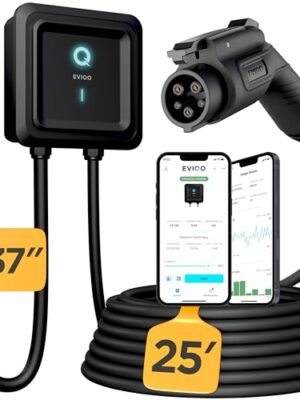
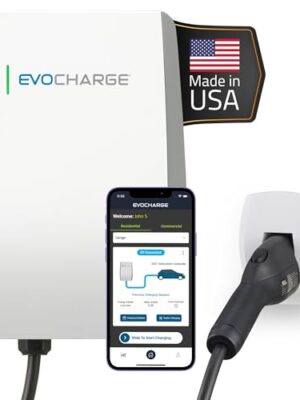
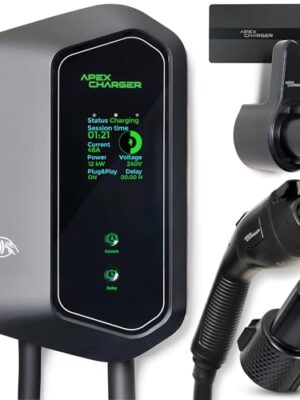
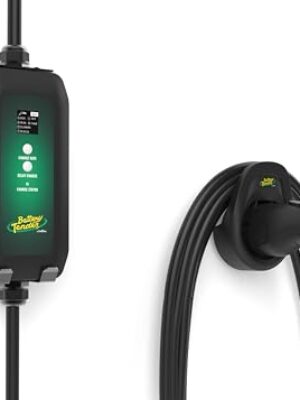
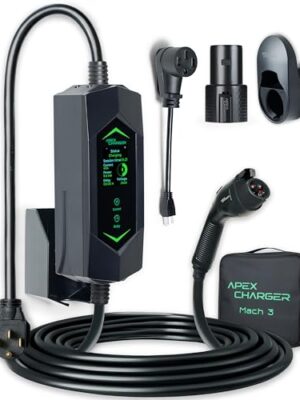
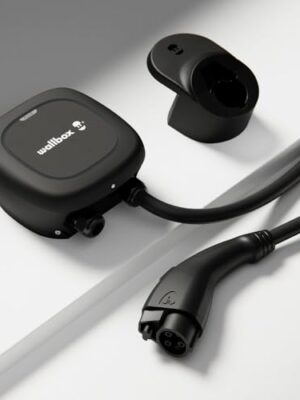
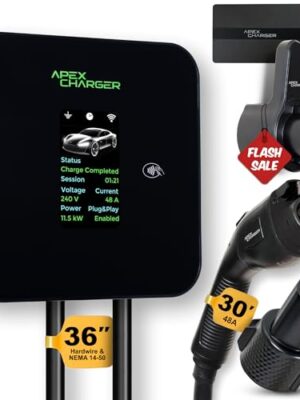
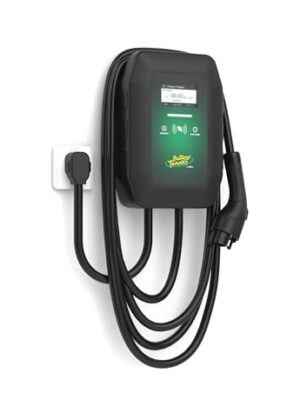
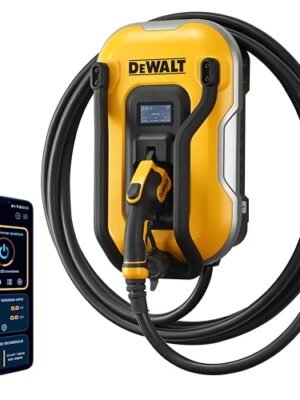
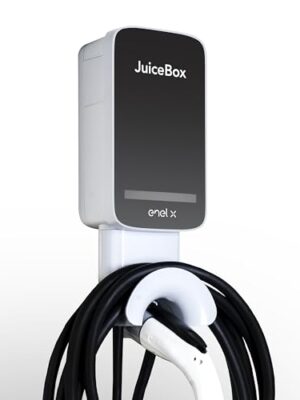
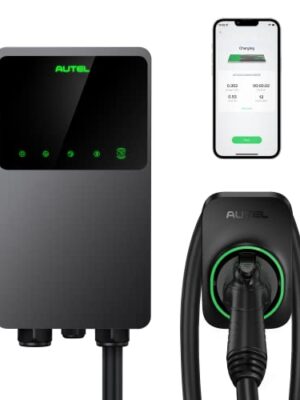
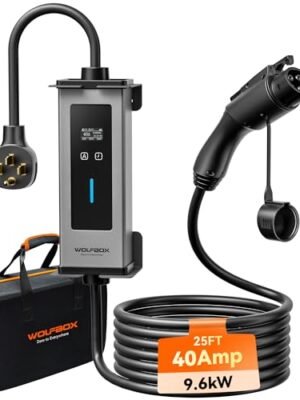
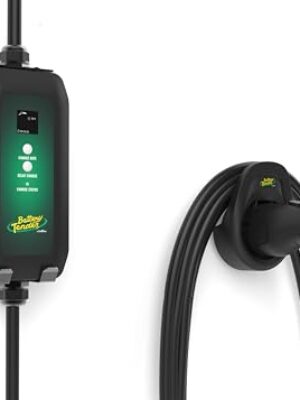
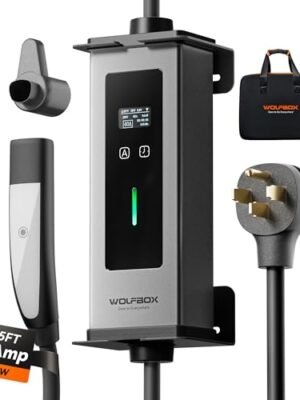
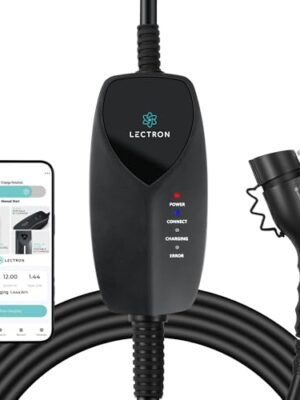
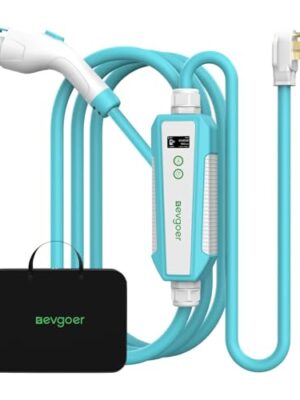
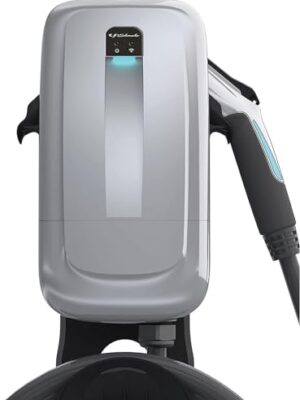
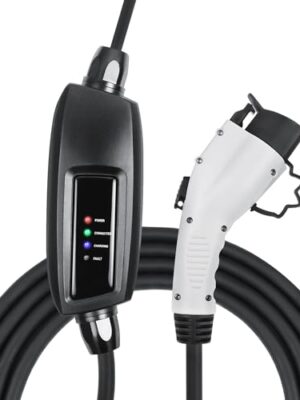
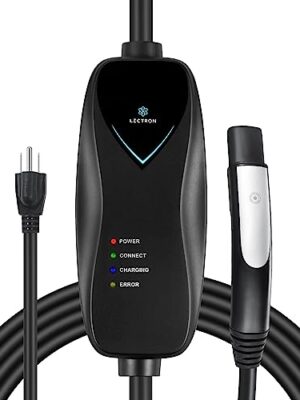
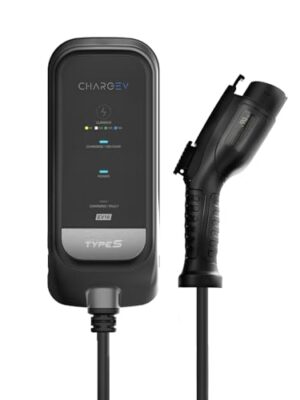
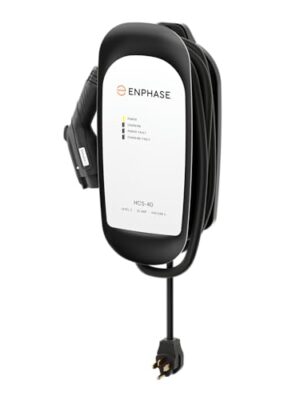
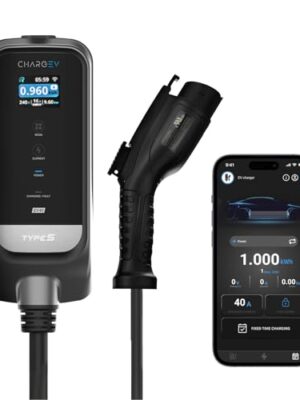
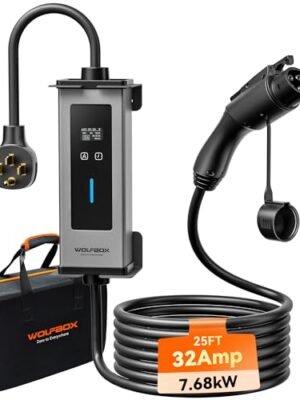
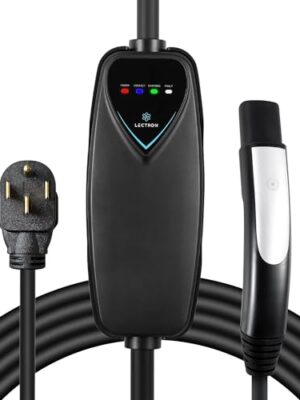
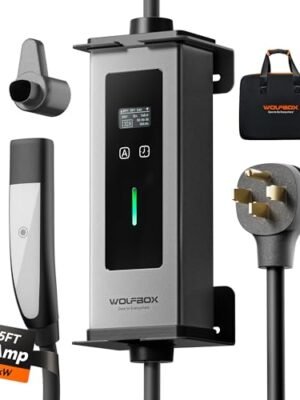
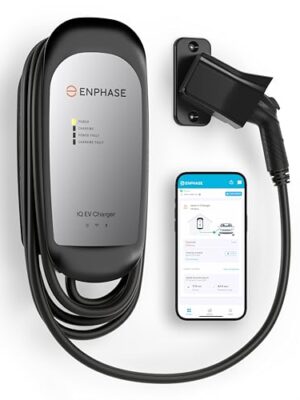
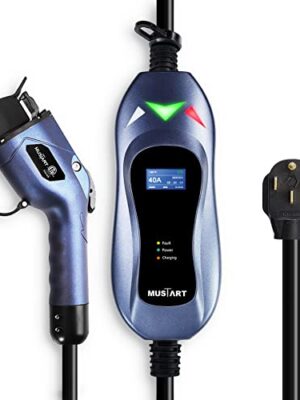
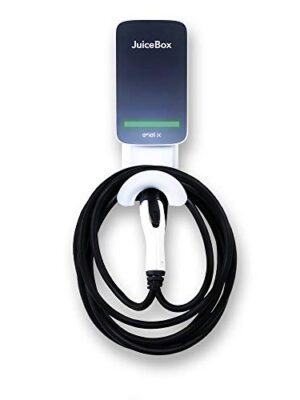
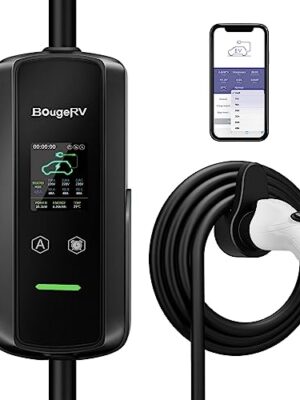
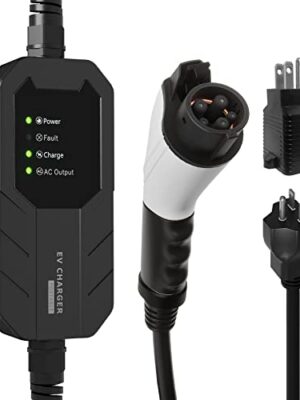
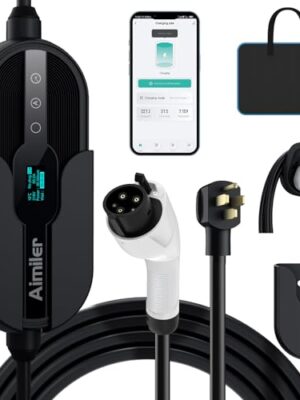
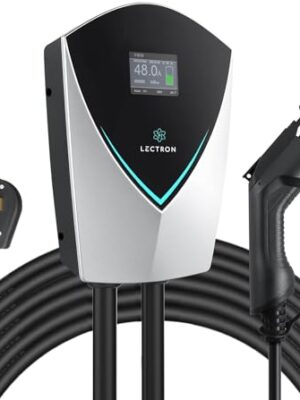
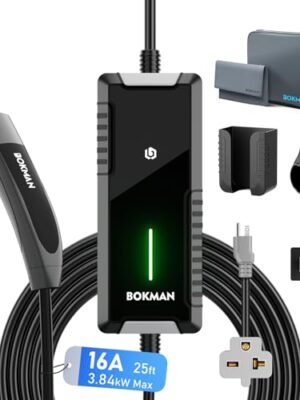
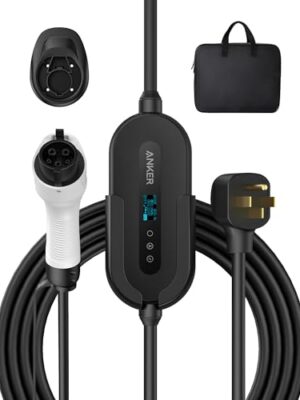
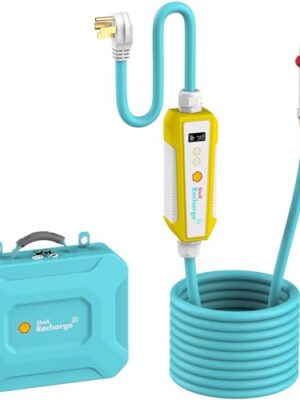
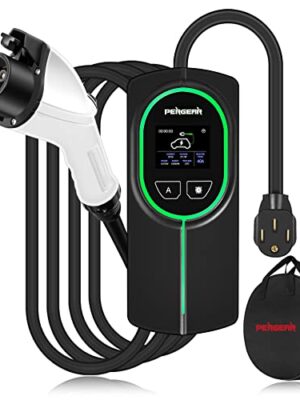
FCC Listed EV Chargers
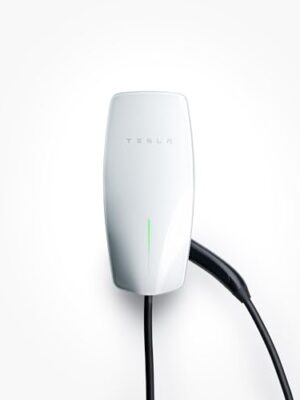
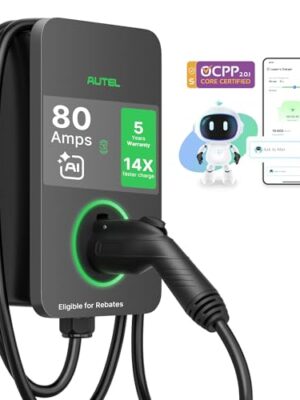
FCC-listed EV chargers are electric vehicle supply equipment (EVSE) that meet Federal Communications Commission (FCC) rules for electromagnetic interference (EMI). In simple terms, this means the charger will not send out harmful radio signals that can disturb other electronics in your home.
In the United States, most electronic devices that operate above 9 kHz must follow FCC Part 15 rules before they can be legally sold.
What Gets Tested?
Under FCC Part 15, EV chargers are tested for electromagnetic compatibility (EMC). This includes:
Radiated Emissions
Labs measure the radio energy that escapes into the air. For home use (Class B devices), the limits are strict to prevent problems with TVs, Wi-Fi, and other nearby electronics.
Conducted Emissions
Tests measure radio energy that travels through your home’s wiring. This helps prevent interference with devices plugged into the same electrical system.
Radio Frequency Immunity
Some tests expose the charger to outside radio signals to make sure it keeps working safely without errors.
Wireless Authorization
If the charger has Wi-Fi, Bluetooth, or cellular features, it must pass extra testing and receive an FCC ID.
Why FCC Certification Matters for Your Home
Prevents Signal Problems
An uncertified charger could cause Wi-Fi drops, TV flicker, or issues with garage door openers and baby monitors.
Protects Sensitive Devices
Too much interference can affect medical devices like pacemakers or hearing aids.
Supports Reliable Smart Charging
FCC listed chargers are less likely to lose app connection or have smart feature errors.
Meets U.S. Law
FCC approval is required before most electronic products can be sold in the United States.
How to Identify FCC Listed EV Chargers
Look for the FCC mark or FCC compliance statement on the product label, usually printed on the charger’s rating plate. If the charger has Wi-Fi, Bluetooth, or cellular features, it should also display an FCC ID (for example: FCC ID: XXX-YYYY). You can verify this ID in the FCC Equipment Authorization database to confirm the product is properly authorized.
We’ve grouped EV chargers based on the five main North American certifications (CSA, ENERGY STAR, ETL, FCC, and UL) to simplify your search. This structure helps you quickly see what each certification means, what it covers, and where it’s recognized, so you can avoid unnecessary comparisons and choose with confidence.



Disclaimer
We offer independent reviews and guides of EV chargers. The FCC is a regulatory authority of the United States government. We are not affiliated with or endorsed by the Federal Communications Commission.