Supported by you via insider access, and when you purchase through links on our site, we may earn an affiliate commission. See our Affiliate Disclosure.
ETL Certified EV Chargers Reviews
Expert reviews of ETL Certified EV chargers ensure safety, reliability, and performance for your electric vehicle. Find the best charger for your needs.
Use the “Compare” button on each product to select multiple chargers, then click the ⚖️ scale icon to see a full side-by-side comparison.
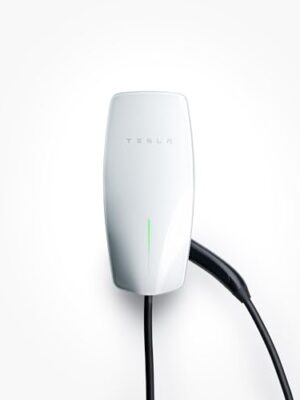
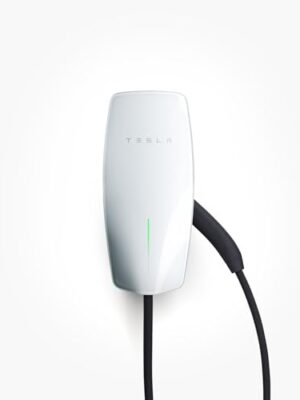
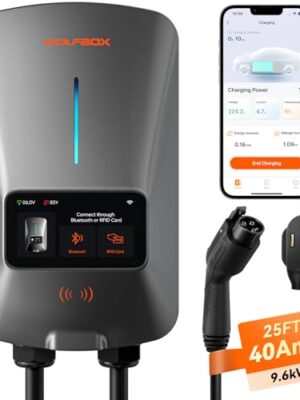
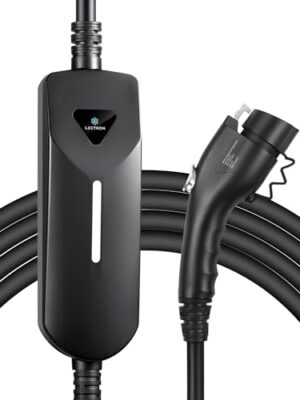
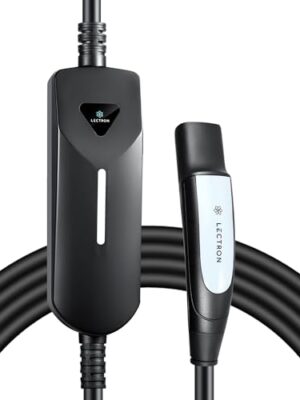
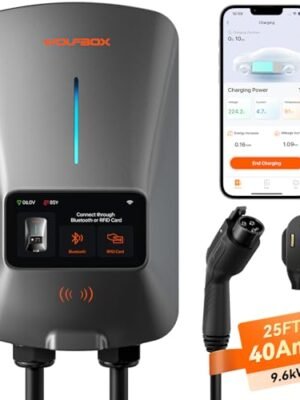
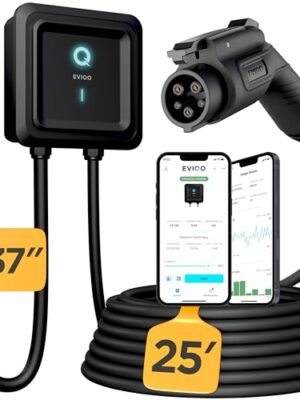
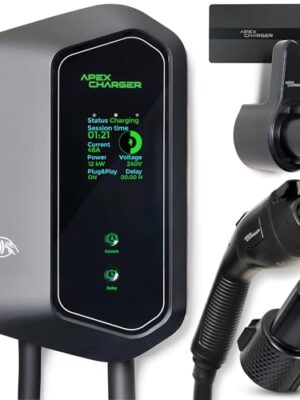
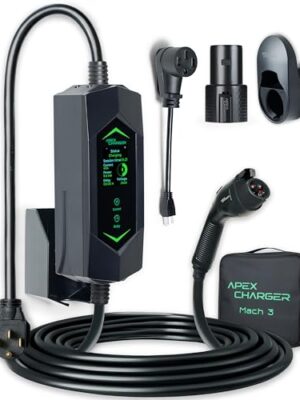
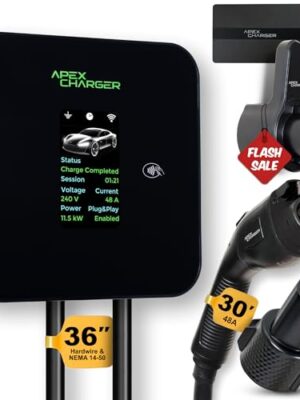
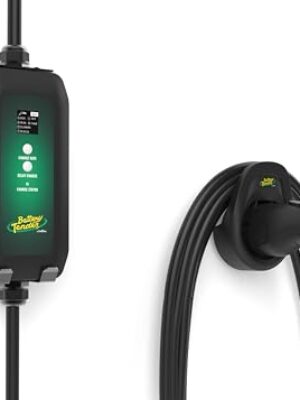
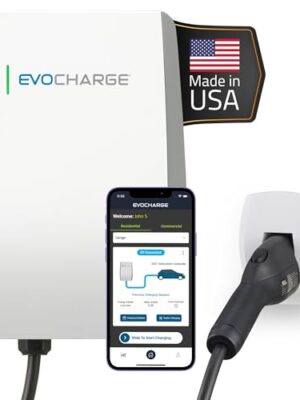
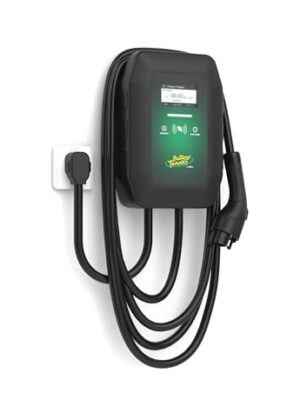
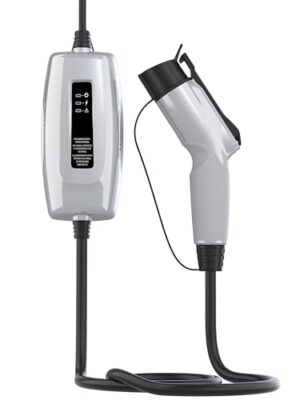
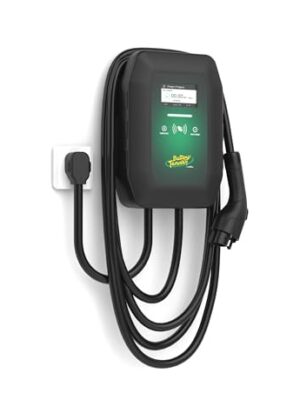
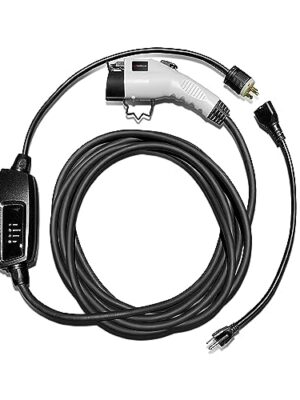
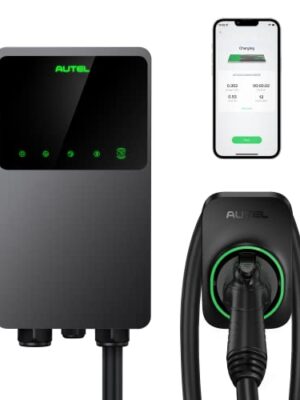
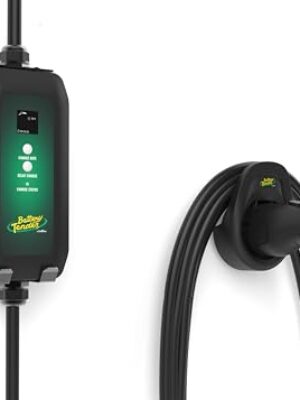
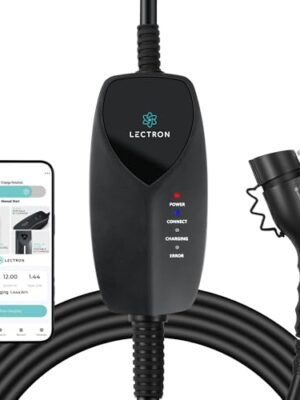
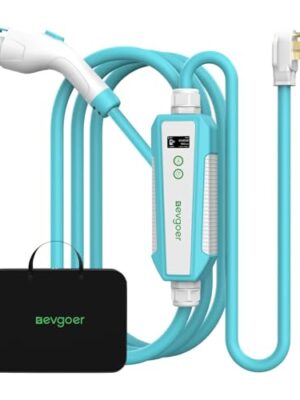
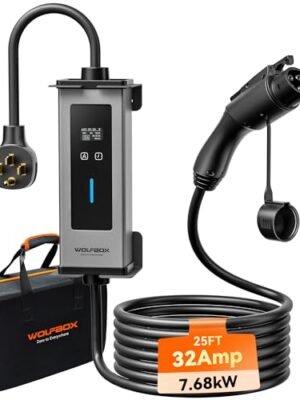
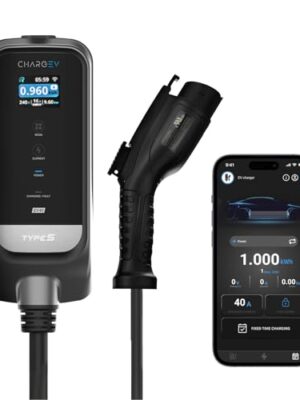
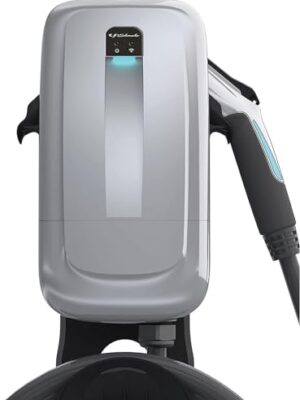
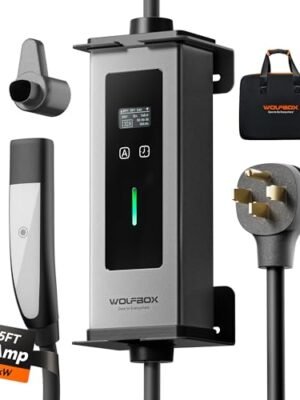
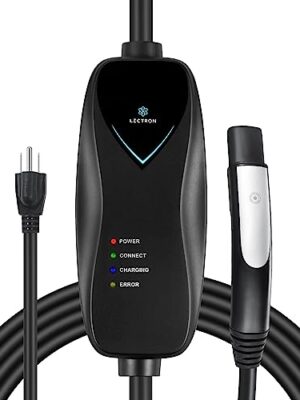
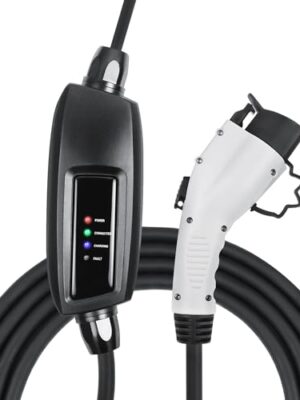
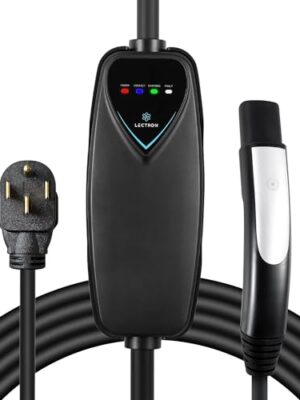
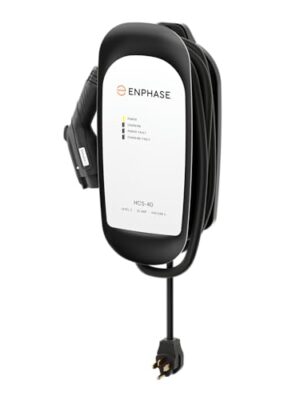
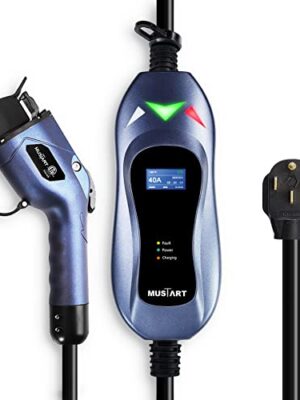
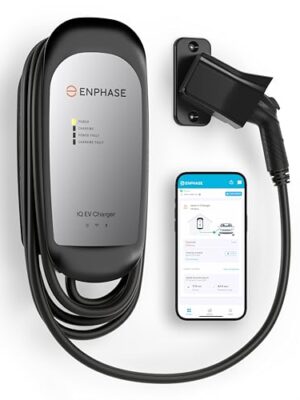
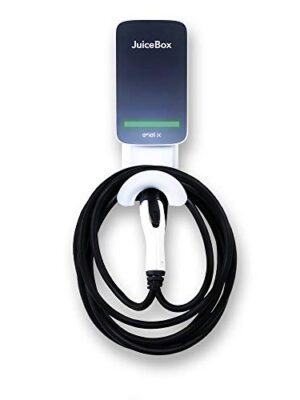
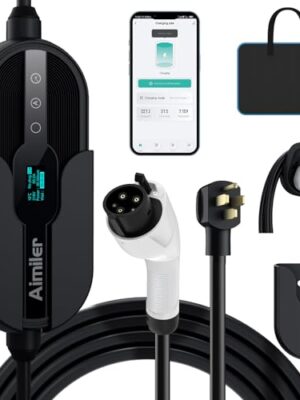
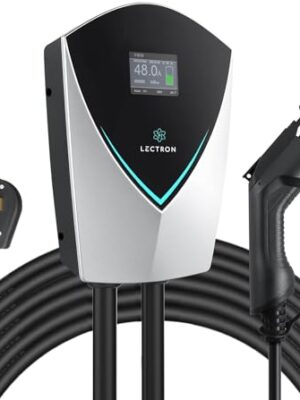
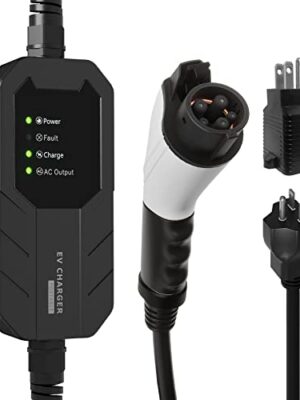
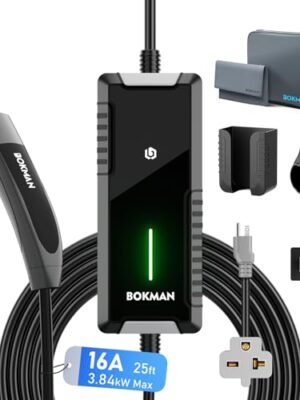
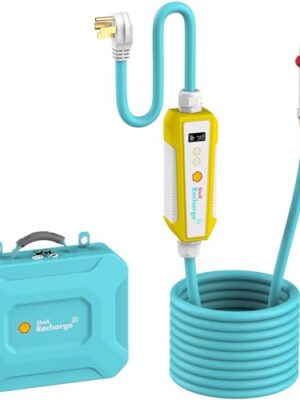
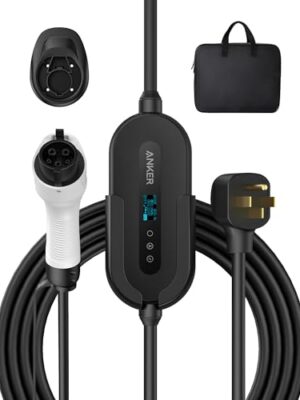
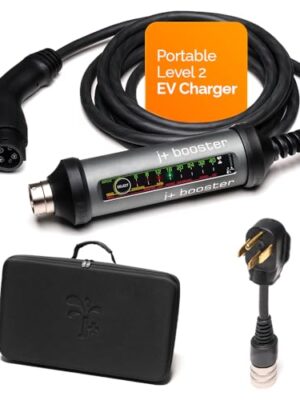
ETL Certified EV Chargers
ETL Certified EV Chargers are charging stations that have been independently tested and certified by Intertek, a Nationally Recognized Testing Laboratory (NRTL) in the U.S. ETL originally stood for Edison Testing Laboratories and performs the same role as UL (Underwriters Laboratories).
Think of it as a seal of approval that confirms your charger meets strict safety standards established by North American safety codes.
When a product carries the ETL mark, it has been tested to the exact same safety standards, such as UL 2594 for EV supply equipment, as a UL-listed product.
What Gets Tested?
When ETL certifies a charger, they run it through multiple safety tests. The first check focuses on electrical protection. Your charger needs to survive power surges and electrical shorts without sparking fires or harming your vehicle’s battery.
The second test examines grounding and insulation systems. Good grounding prevents you from getting shocked when you touch the charger. Quality insulation keeps the electrical current flowing only through the correct paths.
If you’re buying an outdoor charger, ETL checks its weather resistance. They look at NEMA ratings such as NEMA 3R or 4. These ratings tell you if your charger can really handle bad weather. ETL makes sure that “weatherproof” labels are accurate and that water can’t get inside and cause electrical problems. Your charger should keep working through rain, snow, extreme heat, and freezing cold. It also needs to resist damage from constant sun exposure.
Heat control is another critical test. Level 2 chargers pull high amounts of electricity for hours at a time. This creates a lot of heat. If the charger’s parts can’t handle the temperature, the plastic case might melt. Even worse, it could damage where you plug it into your car. A safe charger stays cool even during long charging sessions. Overheating chargers can become fire hazards.
ETL inspects the emergency stop functions too. You need a way to shut down the charger fast if anything goes wrong. This feature could prevent injuries or damage in an emergency situation.
The final test looks at how tough the charger is built. The cables, connectors, and outer shell need to hold up for years. They can’t crack, snap, or wear out from regular use. All these tests working together guarantee that every component of your charger meets safety standards.
Why ETL Certification Matters for Your Home
Code Compliance
The NEC (National Electrical Code) requires licensed electricians to install only “listed” equipment. If they install a non-certified charger, they are violating the code. Most local electrical codes and building regulations accept ETL-listed electrical equipment as meeting safety standards. Installing a non-certified charger could violate code, fail inspection, or even void your homeowner’s insurance.
Insurance Requirements
In the rare event of a garage fire, insurance adjusters look for the certification mark. If the device causing the fire wasn’t safety-tested by an NRTL, the insurance company has a strong legal ground to deny the claim. Many insurance companies specifically require third-party safety certification for high-power electrical equipment. Using an uncertified charger could complicate claims if an electrical fire or other incident occurs.
Safety Peace of Mind
EV chargers operate at high voltages (240V for Level 2 chargers) and high currents (up to 80 amps). That’s a lot of electrical power flowing through equipment in your garage or driveway. ETL certification provides confidence that the charger won’t pose fire or shock hazards to your family.
Rebate Eligibility
Utility companies like PG&E and ConEd want to ensure the grid is safe. They almost universally require ETL or UL listing plus ENERGY STAR certification to qualify for their rebate programs, which can range from $250 to $1,000. Choosing a non-certified charger could cost you hundreds of dollars in potential incentives.
How to Identify ETL Certified Chargers
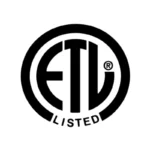
Look for the ETL listed mark, a circle with “ETL” in the middle, on the product itself, usually on a label affixed to the charger housing. You should also find a control number (7 digits) on the back of the unit. You can verify this number on Intertek’s official directory to confirm authenticity.
We’ve categorized EV chargers by their five primary North American certifications (CSA, Energy Star, ETL, FCC, and UL) to make your choice easier. This approach lets you understand what each safety mark guarantees and how widely it’s accepted, helping you skip lengthy comparisons and purchase with confidence.



Disclaimer
We offer independent EV charger reviews and guides. ETL® is a registered certification mark of Intertek, and we are not affiliated with or endorsed by Intertek.