Supported by you via insider access, and when you purchase through links on our site, we may earn an affiliate commission. See our Affiliate Disclosure.
EV Charger Cable Length Guide
Everything You Need to Know Before You Buy
-
 By
James Ndungu
By
James Ndungu
- last updated March 3, 2026

Home EV charger cable length typically ranges from 16 to 30 feet, with 25 ft being the most common across 65+ EV chargers we’ve reviewed.
Most top-rated home EV chargers, including the Autel MaxiCharger 80A EV Charger, Autel Home Smart Electric Vehicle (EV) Charger, and Emporia Pro, come with 25 ft cables, while Tesla’s Wall Connectors and Grizzl-E Smart EV Charger use 24 ft. Only a handful of chargers, like the ApexCharger MACH 1 and MACH 2, go up to 30 ft. For most home EV charger installations, 24 to 25 ft hits the sweet spot.
EV Charger Cable Length Guide
Shopping for a home EV charger? One of the first things you should check before you buy is the cable length. Too short, and you can’t reach your car’s charge port. Too long, and you’re dealing with a heavy, tangled mess every time you plug in. Getting this right the first time saves you money, hassle, and a possible re-install.
In this guide, we break down EV charger cable lengths in plain terms, what the numbers mean, how to pick the right length for your setup, and which home EV chargers offer the best cable options based on our hands-on testing of top-rated home EV chargers available in the market today.
What Is EV Charger Cable Length?
EV charger cable length refers to how long the charging cable is, measured from the wall unit to the connector that plugs into your car. This cable is attached to your Level 1 or Level 2 home charger and stays connected to the unit at all times (unlike a portable cable you carry with you).
In the US, cable length is usually listed in feet. In other countries, you’ll see meters.
Here are the most common EV charger lengths you will come across, and a quick conversion to keep in mind:
- 16 ft = 4.9 meters
- 20 ft = 6.1 meters
- 24 ft = 7.3 meters
- 25 ft = 7.6 meters
- 30 ft = 9.1 meters
Most home EV chargers on the US market come with cables in the 16 ft to 30 ft range. The most common length we found across our reviewed products is 25 ft (about 7.6 meters).
Did you know the material of your EV charger cable affects its flexibility?
Rubber EV charger cables are durable but stiff in cold weather, PVC cables are more flexible but can overheat in extreme heat, and TPE cables stay flexible in all temperatures, making them great for year-round use.
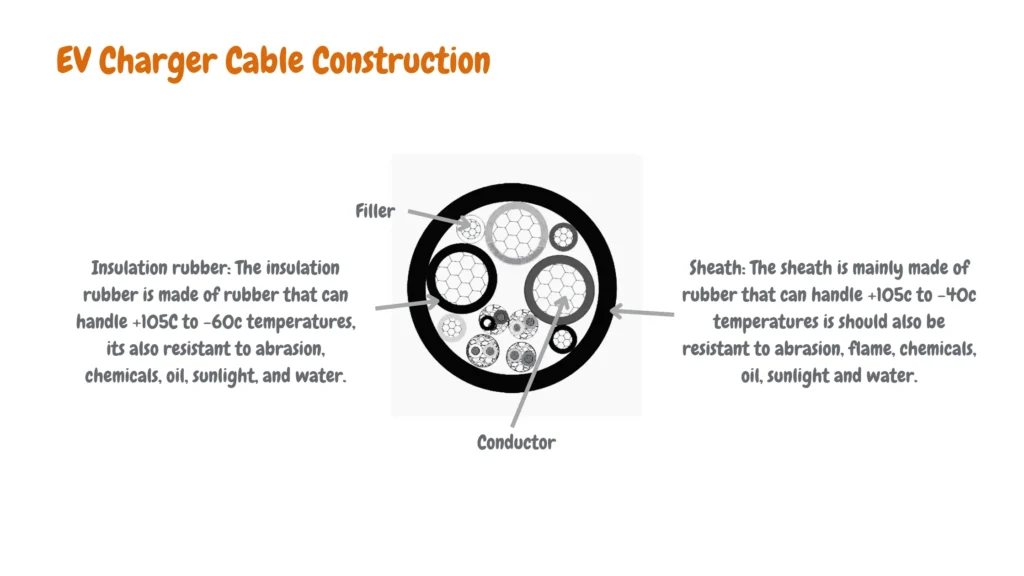
A stiff cable is frustrating to handle, puts stress on the connector, and gets worse in cold weather. A pliable EV charger cable drapes naturally and holds up over thousands of plug-in cycles. This matters even more with longer cables; a 30 ft rigid cable is far harder to manage than a flexible 25 ft one.
Standard EV Charger Cable Lengths Explained
Different cable lengths suit different home setups. Here’s what each common length means in real life:
16 ft (About 5 Meters) - Compact and Light
This is the shortest cable you’ll commonly find on a home EV charger. It works fine if your charger is mounted directly across from or right next to your car’s charge port.
Some Level 1 chargers and basic Level 2 units come with 16 ft cables.
The upside? They’re lighter and easier to coil up after use. The downside? If your parking spot changes or you buy a new car with the charge port in a different spot, 16 ft might leave you short.
20 to 21 ft - A Small Step Up
A handful of chargers in our review came with 20 or 21 ft cables, including the Evgoer J1772 40A (20 ft) and the J+ Booster 2 Portable (21 ft). This length is a step up from the minimum and works for single-car garages where the charger is close to the vehicle.
Still, most buyers find 20 ft a bit limiting unless the installation spot is perfectly placed.
24 to 25 ft - The Sweet Spot for Most Homes
This is the most popular cable length for home EV charging, and for good reason. A 24 to 25 ft cable gives you enough reach to plug in from different angles, works well in a standard one- or two-car garage, and remains manageable to handle.
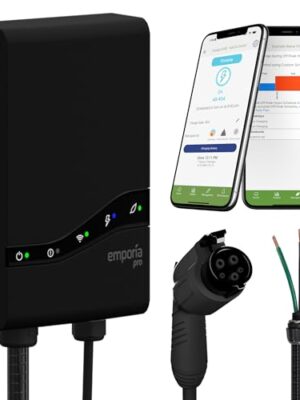
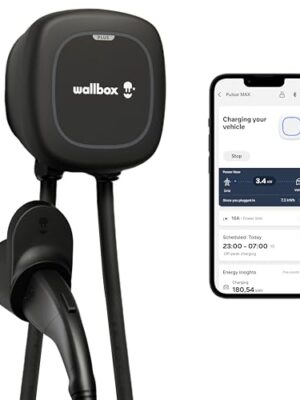
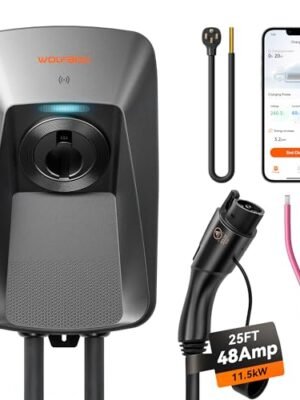
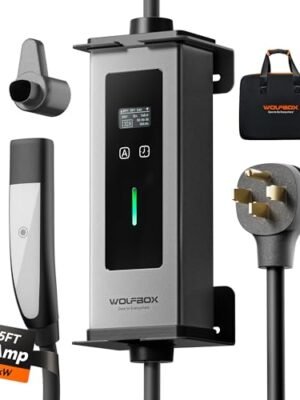
In our database of 65+ reviewed chargers, the majority of premium home EV chargers came with 25 ft cables. Popular options in this range include the Autel Home Smart EV Charger (25 ft), the WOLFBOX WE-48 (25 ft), the Emporia Pro EV Charger (25 ft), and the Wallbox Pulsar Plus 40A (25 ft).
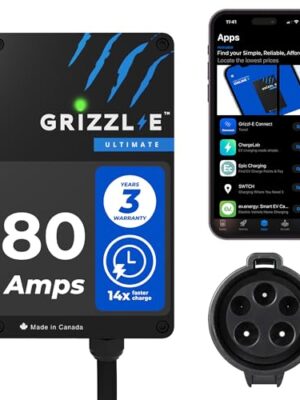
Tesla’s Wall Connector and the Grizzl-E Smart both come with 24 ft cables, right in the same sweet spot.
28 to 30 ft - Extra Reach for Bigger Driveways
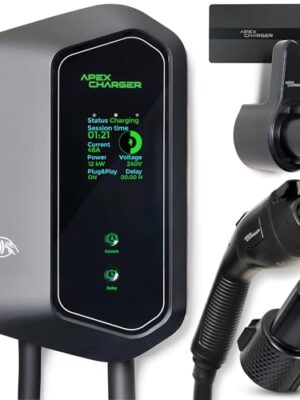
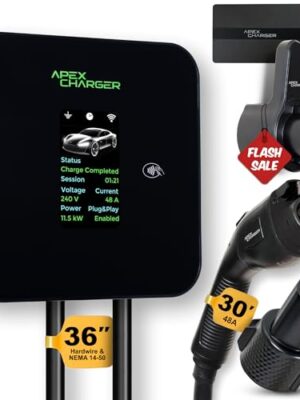
Need a little more reach? A few chargers stretch to 28 or 30 ft. The Schumacher 16A comes with a 28 ft cable, while both the ApexCharger MACH 1 and MACH 2 come with a full 30 ft of cable, the longest we found in our review.
These longer cables are great for large garages, tandem parking, or situations where your charge port is far from where the wall unit needs to be mounted.
We have observed that home EV chargers equipped with 28–30 ft cables carry more weight and demand additional time and space for coiling and storage.
How Long Should Your Home EV Charger Cable Be?
Picking the right cable length isn’t just about getting the longest one. Here’s how to figure out what works best for your home setup.
Step 1: Measure the Distance
Start by finding out where your charger will be mounted and where your car’s charge port is when parked. Measure the distance between the two points, adding a little extra for the cable’s natural loop or droop. A good rule of thumb: add 3 to 5 ft to your measured distance to give yourself comfortable slack.
Step 2: Think About Your Parking Setup
Your parking situation matters a lot:
- Single-car garage with charger on the side wall: 16–20 ft is usually enough
- Standard two-car garage or longer parking spot: 24–25 ft is the safe bet
- Tandem parking, large garage, or outdoor driveway: 28–30 ft gives you the reach you need
- Parking on the street or far from an outlet: Consider a portable EV charger with a longer cable instead
Step 3: Check Where Your Car's Charge Port Is
Different EVs have their charging ports in different places, such as front left, rear, front right, or even under a door handle. This affects how much cable you need. For example, if your charge port is on the opposite side of the car from where your charger is mounted, you’ll need more length than if the port is on the same side.
Step 4: Consider Future-Proofing
Planning to get a different EV down the road? A longer cable (like 25 ft) gives you flexibility. If you need to charge a friend’s car or add a second vehicle to your household, that extra reach becomes very useful. Buying a charger with a slightly longer cable than you think you need today is almost always worth it.
Home EV Charger Cable Length: What We Found in Our Tests
After reviewing 65+ home EV chargers, here’s what we found about cable length trends in the market:
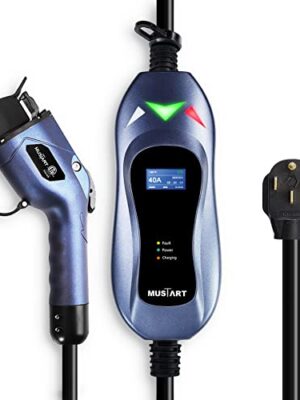
25 ft is the most common cable length across all reviewed chargers, appearing on models from WOLFBOX, Autel, Emporia, Wallbox, DeWalt, JuiceBox, BougeRV, Mustart, and many more
24 ft cables are also very common, used by Tesla (Universal Wall Connector, Gen 3 Wall Connector), Grizzl-E, Emporia, and Shell
30 ft cables are rare but available – the ApexCharger MACH 1 and MACH 2 are the only ones in our review with this length
Level 1 chargers tend to have shorter cables (16–21 ft), which makes sense since they run on standard household outlets and are meant for overnight, low-power charging
Top Home EV Chargers by Cable Length
Here’s a breakdown of the best-rated home EV chargers from our review, organized by cable length, so you can quickly find the right match for your setup:
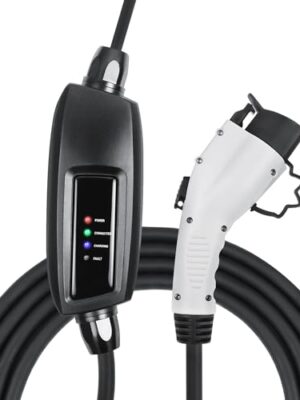
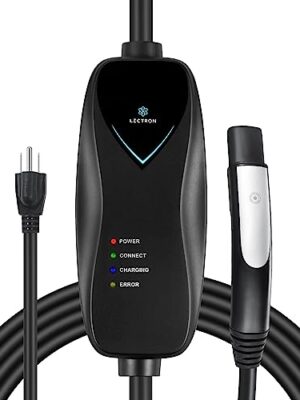
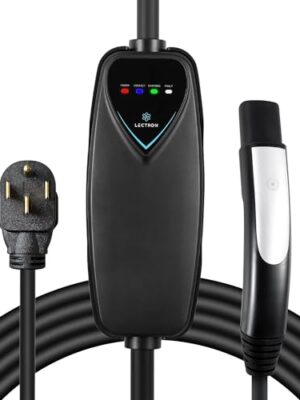
16 ft Cable EV Chargers
Best for compact garages where the charger mounts close to the charge port. Light and easy to manage, but limited flexibility.
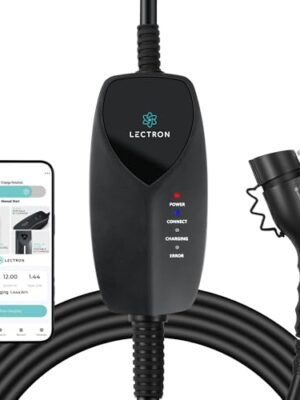
20 ft Cable EV Chargers
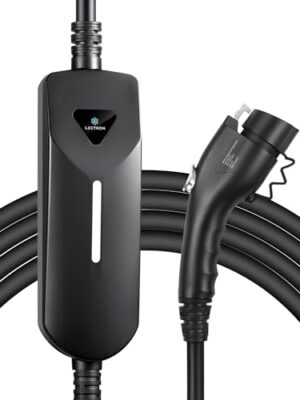
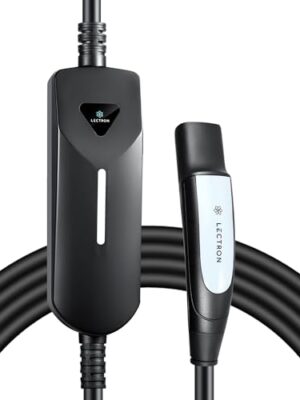
A small step up from the minimum 16ft EV charger cables. 20ft Cable EV chargers are suitable for single-car garages with a well-placed outlet near the charge port.
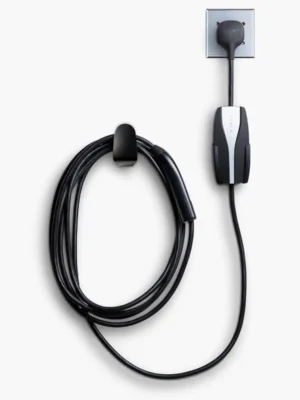
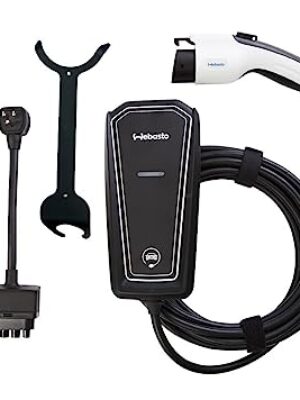
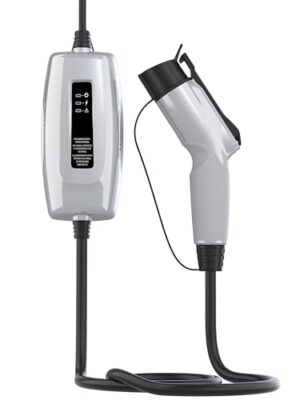
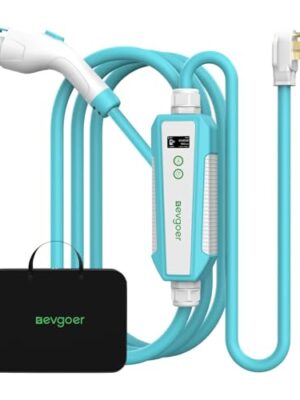
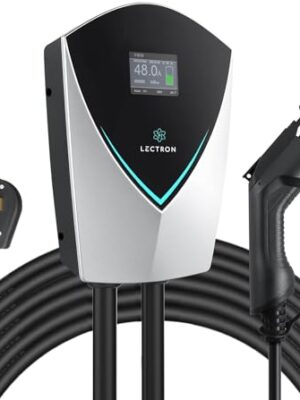
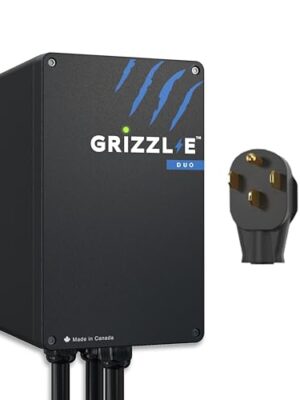
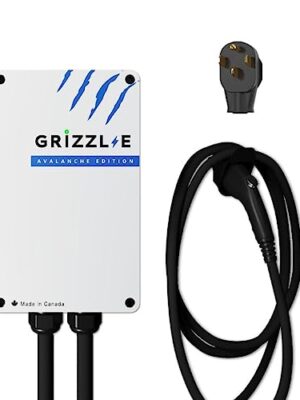
24 ft Cable EV Chargers
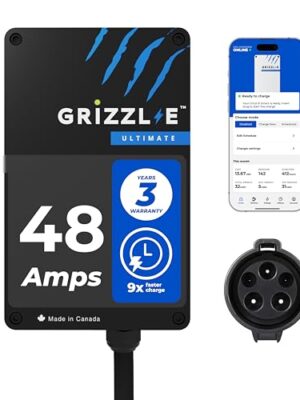
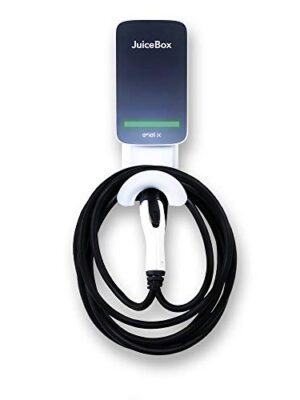
We’ve found that 24-ft EV charger cables hit the sweet spot for most homes, long enough for everyday garage use, without the extra bulk and hassle of longer cables.
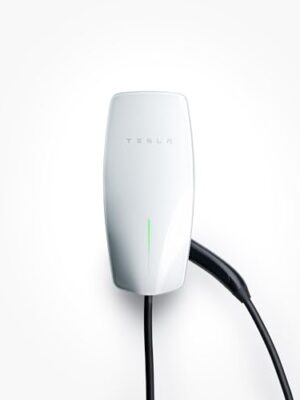
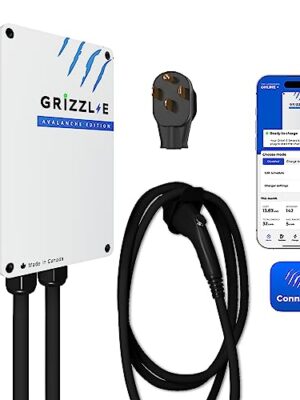
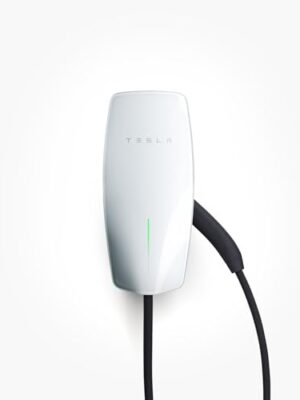
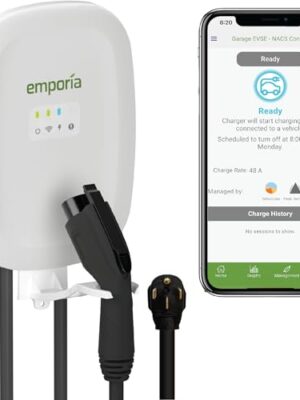
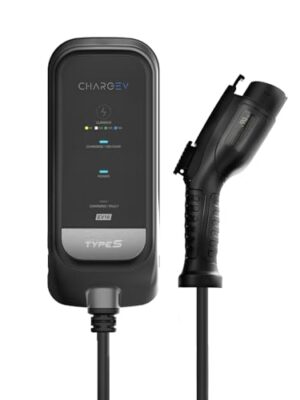

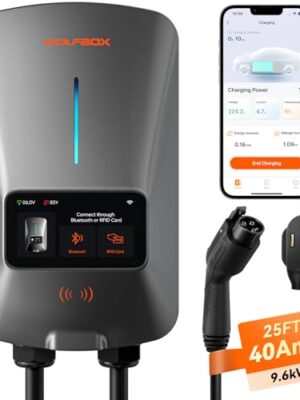
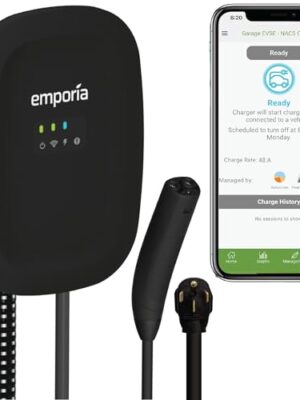
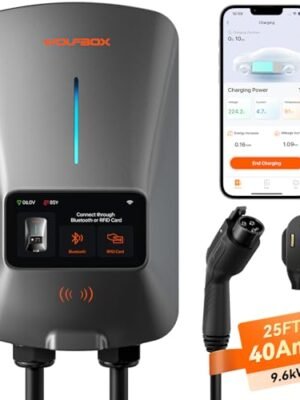
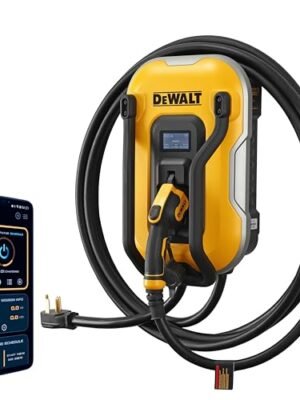
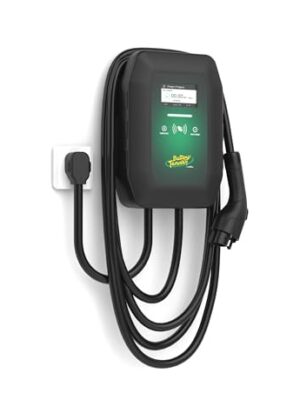
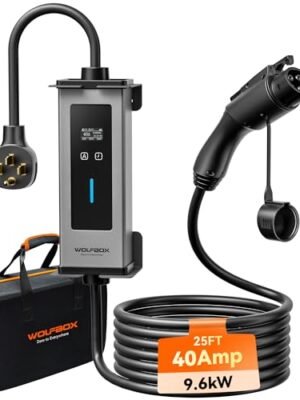
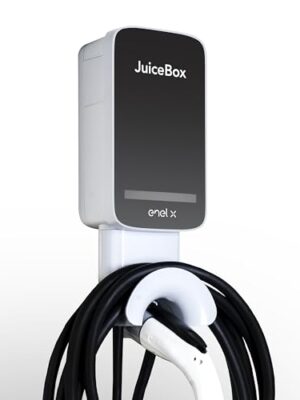
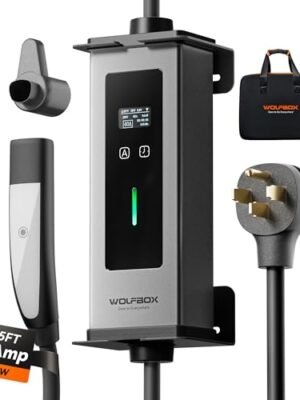
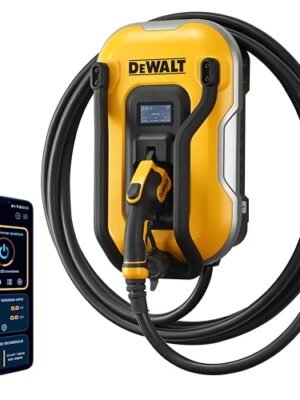
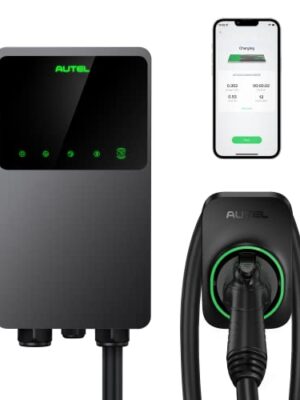
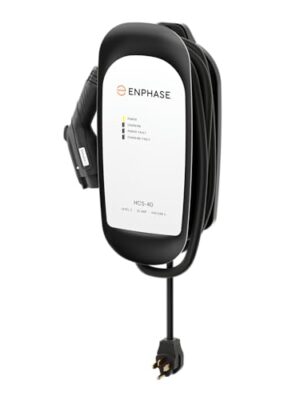
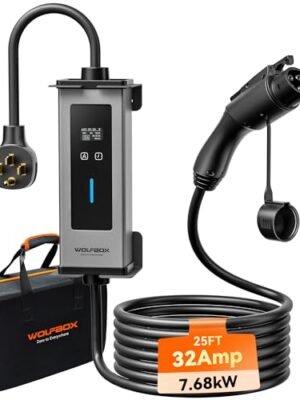
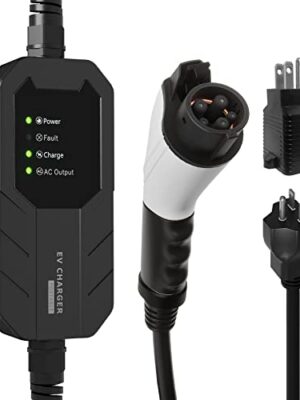
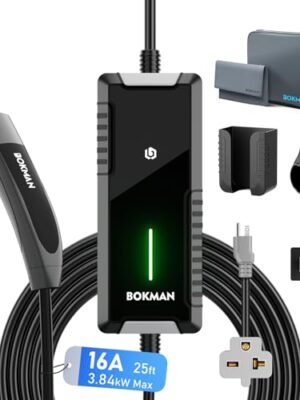
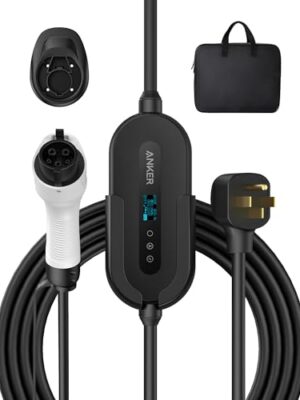
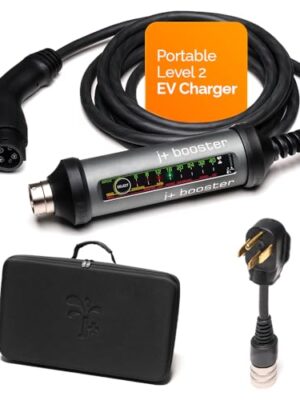
25 ft Cable EV Chargers
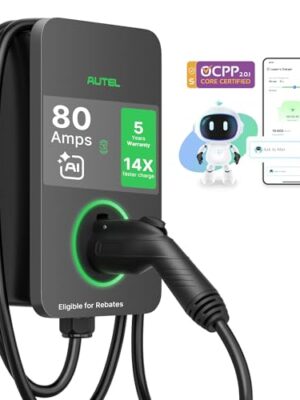
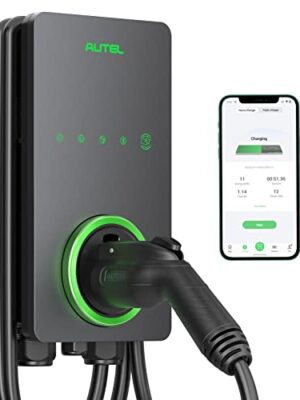
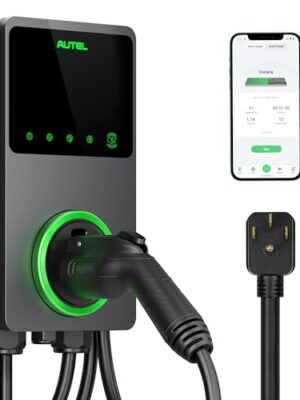
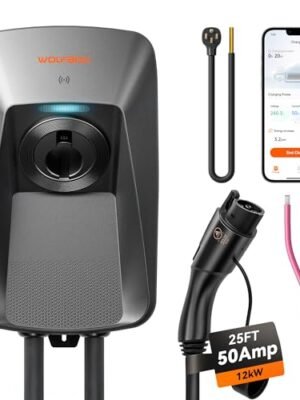
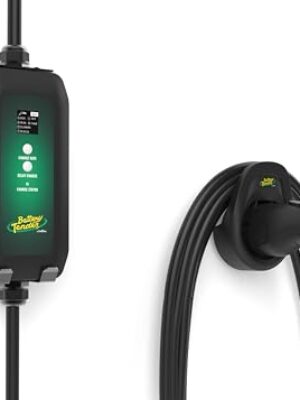
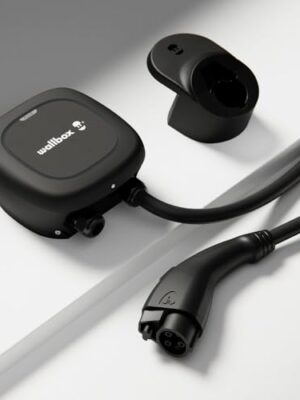
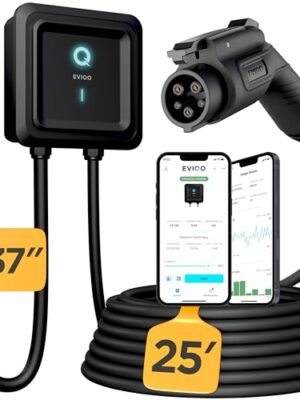
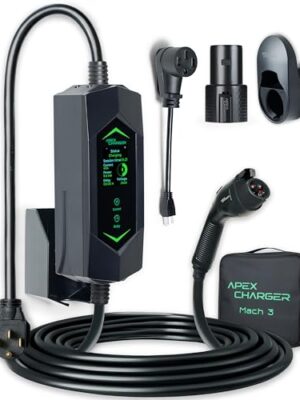
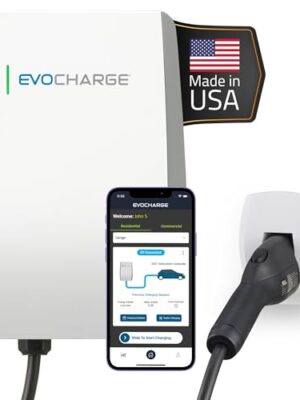
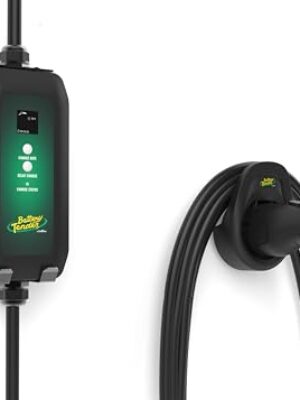
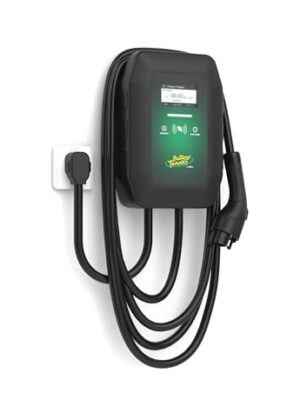
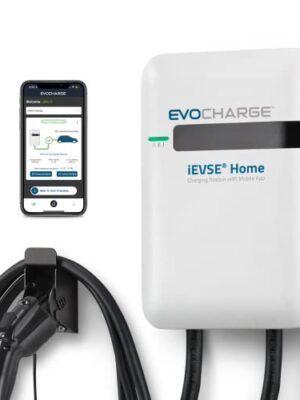
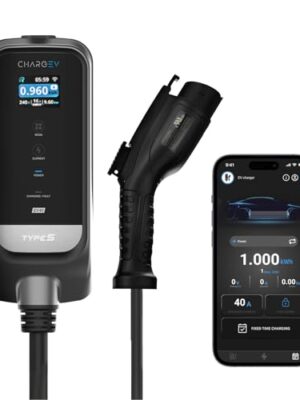
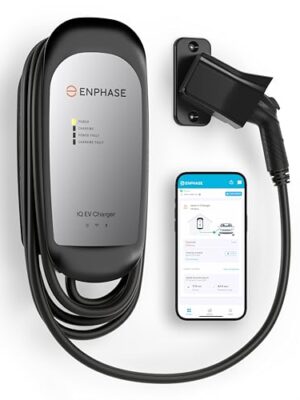
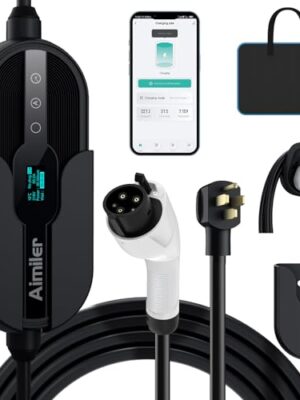
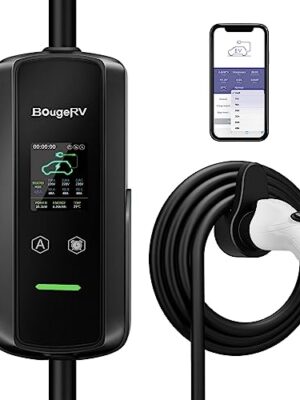
25-ft EV charger cables are the most popular length on the market today, favored by both manufacturers and EV owners, and for good reason. They offer the versatility needed to accommodate nearly every home driveway or garage configuration.

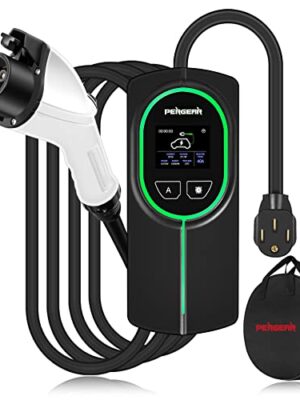
28 ft Cable EV Chargers
28-ft EV charger cables are a strong option for homeowners who need slightly more reach than the standard 25-ft length. They’re well-suited for larger garages or installations with less-than-ideal outlet placement.
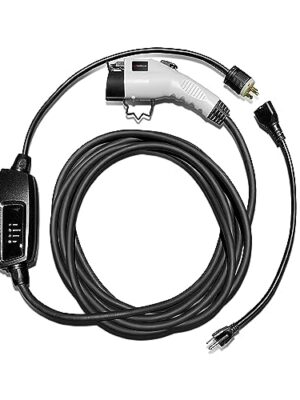
30 ft Cable EV Chargers
30 ft EV charger cables are the longest cables we found in our reviewed home EV chargers. Ideal for large driveways, tandem parking, or any setup where the outlet is far from the charge port.
Does Cable Length Affect Charging Speed?
This is a common question, and the short answer is: not in a meaningful way for home EV chargers. The cable lengths we’re talking about (16 to 30 ft) are short enough that any resistance in the wire has a negligible effect on charging speed. What matters far more for charging speed is the amp rating of the charger, the size of your car’s onboard charger, and your home’s electrical capacity.
Don’t pick a shorter cable to try to charge faster; it won’t make a noticeable difference.
Can You Extend an EV Charger Cable?
Technically, it’s possible to add an extension to an EV charger, but it’s generally not recommended. Here’s why:
EV chargers pull a lot of current (often 32A to 50A). Standard extension cords aren’t rated for this load and can overheat, creating a fire hazard
Using an extension cord with your EV charger may void the manufacturer’s warranty
Very long extension runs can cause voltage drop, which may trigger faults or slow down charging
The better solution is to buy a charger with the cable length you actually need, or have an electrician move the installation point closer to where you park. Spending a little more upfront for the right cable length beats a costly fix later.
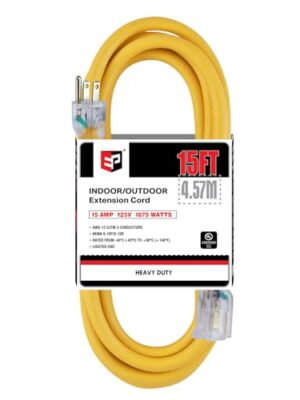
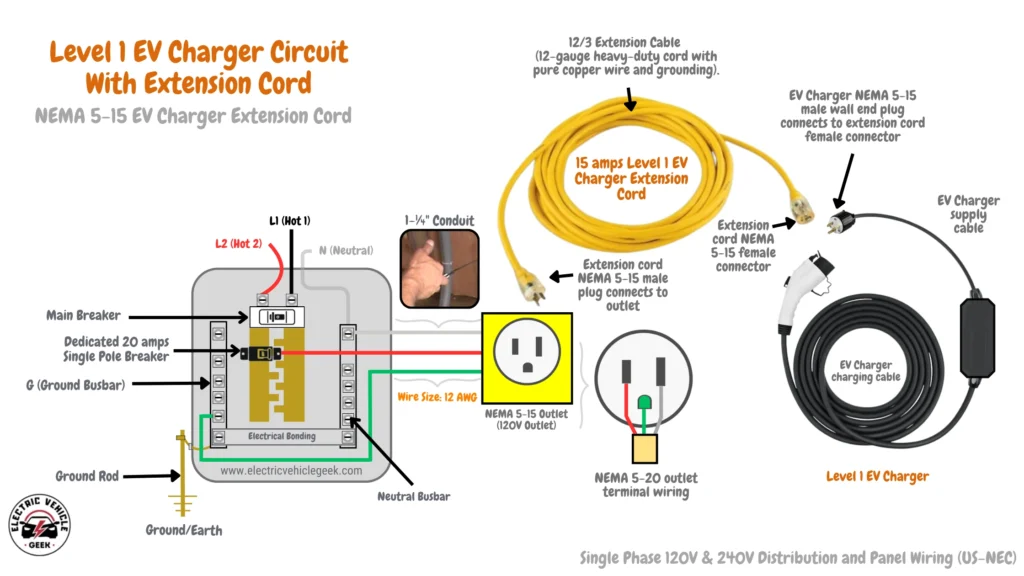
If you need an EV charger extension, use it with a low-amperage Level 1 charger, which typically has a shorter charging cable. We recommend the EP Level 1 EV Charger Extension Cord for safely extending 15‑amp Level 1 chargers, such as Lectron portable chargers. Its durable 12‑gauge, weather-resistant cord supports NEMA 5‑15P/R connections for indoor or outdoor use.
We recommend the EP Level 1 EV Charger Extension Cord for safely extending your Level 1 EV charger from 15 ft to 50 ft.
- Durable 12-gauge cord with copper wiring for long-lasting performance
- Weather-resistant works indoors and outdoors with a protective vinyl jacket
- Affordable budget-friendly compared to other EV extension cords
- Limited to Level 1 not suitable for Level 2 charging
The EP Level 1 EV Charger Extension Cord lets you extend your Level 1 EV charger from 15 ft to 50 ft. It works with Level 1 chargers, including OEM chargers like Jeep, Tesla Mobile Charger, Nissan Leaf, KIA, and other chargers that plug into standard NEMA 5‑15 outlets. It’s also compatible with non‑OEM chargers like the Lectron Level 1.
Tips for Managing Your EV Charger Cable
A longer cable means more cable to deal with after every charge session. Here are a few practical tips:
Use a cable holster
Many modern chargers, like the Autel AC Elite In-Body Holster, come with a built-in cable holster so the cable clips neatly to the unit when not in use
Wall-mounted cable hook
If your charger doesn’t have a holster, a simple wall hook or retractable cable reel keeps things tidy
Coil loosely, don't kink
EV charging cables are thick and heavy. Coiling them loosely rather than tightly helps preserve the cable’s integrity over time
Keep the connector off the floor
Most manufacturers recommend storing the connector off the ground to protect the pins from dirt and damage
Our Recommendation
For most homeowners, a 25 ft cable is the right call, especially when paired with a high-performance unit like the Autel MaxiCharger 80A EV Charger. It covers the vast majority of garage and driveway setups, gives you flexibility if you switch vehicles, and is widely available across the best-rated chargers on the market.
If your garage is large, you park in a long driveway, or you’re unsure about the exact distance, step up to a 28 or 30 ft cable; the ApexCharger Mach 2 is a great choice here.
If you have a small, close-in garage and know exactly where your charge port ends up, a 24 ft cable (like on the Tesla Universal Wall Connector, Gen 3 Wall Connector, or Grizzl-E Smart EV Charger) is perfectly fine and a little easier to manage day to day.
What you want to avoid is buying the shortest cable available just to save a few bucks, then realizing it won’t reach and having to buy a different charger altogether.
Bottom Line
EV charger cable length is one of those details that’s easy to overlook, until it becomes a real problem. Measure your space, think about your parking setup, and choose a cable length with a little extra slack built in.
The good news: most quality home EV chargers today come with 24 or 25 ft cables that work well for the majority of setups. Stick to that range, and you’ll be in good shape. If you need more reach, the 30 ft options from ApexCharger are worth a look.
Got questions about home EV chargers or need help picking the right one for your home? Explore our full EV charger reviews. We’ve tested 65+ EV chargers, so you don’t have to.

James Ndungu is a certified EV charger installer with over five years of experience in EVSE selection, permitting, and installation. He holds advanced credentials, including certification from the Electric Vehicle Infrastructure Training Program (EVITP) and specialized training in EV charging equipment and installation, as well as diplomas in EV Technology and Engineering Fundamentals of EVs. Since 2021, James has tested dozens of EV chargers and accessories, sharing expert insights into the latest EV charging technologies.