
Supported by you via insider access, and when you purchase through links on our site, we may earn an affiliate commission. See our Affiliate Disclosure.
EV Charger Lock Box Reviews 2026
-
 Best Picks By
James Ndungu
Best Picks By
James Ndungu
- last updated December 7, 2025

Each EV charger lock box listed below has been evaluated through hands-on inspection, real-world installation checks, and security-focused analysis. Our rankings are based on build quality, weather resistance, locking strength, compatibility, and long-term reliability. These are our top recommendations for protecting EV charging equipment, selected for their proven performance, smart design, and overall value.
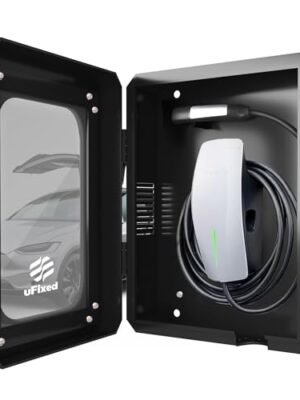
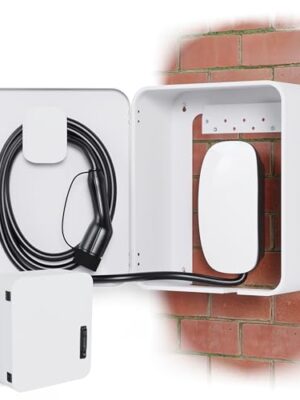
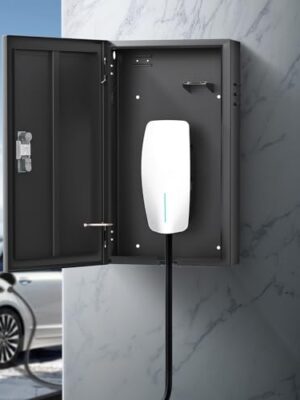
Guide to Buying an EV Charger Lock Box
Choosing the right EV charger lock box depends on where and how your charger is installed. Below are the most important factors to consider before buying.
Purpose and Installation Location
Determine whether the lock box will be installed indoors or outdoors. Outdoor installations require weatherproof enclosures that protect against rain, dust, and moisture. Outdoor-rated EV charger enclosures provide stronger protection than indoor-only boxes and are recommended for driveway, carport, or street-facing chargers.
When selecting an outdoor lock box, pay attention to its IP (Ingress Protection) rating. An IP54 rating offers basic protection against dust and splashing water, suitable for covered outdoor areas. IP65 enclosures provide full dust-tightness and protection against low-pressure water jets, ideal for more exposed locations. For the toughest conditions, IP66-rated boxes offer dust-tight sealing and strong resistance to powerful water jets, making them best suited for harsh weather or heavily exposed installations.
Material and Durability
When choosing a lock box, material quality matters. Budget options often use thin steel or plastic, which offer minimal resistance to tampering and wear. Mid-range boxes typically feature 16-gauge steel, providing better durability and protection against forced entry and environmental damage. For the best long-term security, premium boxes use thicker 14-gauge steel combined with anti-corrosion coatings to withstand harsh weather, UV exposure, and temperature extremes.
Ease of Use
Look for a lock box that allows smooth cable access without forcing sharp bends or kinks, making plugging and unplugging hassle-free. The door should close securely without blocking the connector or cable, ensuring full protection without inconvenience. A tempered glass front lets you monitor the charging LED without opening the box, enhancing both usability and security. For shared or commercial locations, consider lock boxes with keypad entry or RFID access to provide convenient, controlled access for multiple users. Simple daily operation is key to a seamless charging experience.
Locking Mechanism
A secure locking system is essential. Locking EV charger boxes help prevent cable theft and unauthorized charging. Options include keyed locks, digital keypads, combination locks, or managed access systems like RFID, mobile apps, and keypad controls for shared locations. Tamper-resistant locks provide an extra layer of protection.
Size and Compatibility
Ensure the enclosure fits your charger model and cable length. Tesla wall connectors, J1772 chargers, and NACS plugs all have different form factors. A proper fit offers better cable management, prevents cable strain, and ensures the connector is fully protected when stored. Basic lock boxes provide simple cable storage, while mid-range options include internal cable routing to reduce wear. Premium models often feature reinforced sleeves or protective linings to shield cables from abrasion and environmental damage.
Ease of Installation
Most EV charger lock boxes are wall-mounted and include pre-drilled holes and mounting hardware. Choose a design that matches your installation surface and allows clean cable routing without sharp bends.
Additional Security Features
Some lock boxes offer reinforced hinges, concealed fasteners, or tamper-resistant designs. These features are especially useful in shared or high-risk locations where chargers are exposed to frequent public access.
Why an EV Charger Lock Box Is a Smart Investment
I recommend an EV charger lock box for more than theft prevention. Modern Level 2 chargers are connected devices that store EV charging data and user settings. When connectors and control points are left exposed, they are vulnerable to tampering and can even allow an EV charger to be hacked through physical access. I’ve seen chargers reset, disabled, or damaged because access was unrestricted. A lock box creates a solid physical barrier that protects the cable, connector, and service points, reducing downtime, repair costs, and unauthorized use, particularly in outdoor or shared environments.
A lock box also supports better security and data protection. Most real-world charger incidents start with physical access, not remote attacks. If someone can reach the handle, reset button, or service ports, they can interfere with firmware or network settings. This matters for smart chargers linked to apps or energy systems. Limiting physical access helps prevent data exposure, unauthorized charging, and misconfiguration that can affect reliability and performance.
My expert advice is to use a lock box built for EV charging equipment. Generic electrical boxes often block airflow or bend cables incorrectly. Over time, this causes damage. Look for heavy-gauge steel or reinforced aluminum with weather-rated seals. Use tamper-resistant locks. The box should fully protect the connector while allowing safe cable routing. For single users, a keyed or keypad lock is a suitable option. For shared locations, managed access systems offer stronger, consistent protection.