Supported by you via insider access, and when you purchase through links on our site, we may earn an affiliate commission. See our Affiliate Disclosure.
A Level 1 EV charger is the cheapest, simplest way to charge an electric vehicle at home. Plug it into any standard 120V household outlet, and it adds 3 to 5 miles of range per hour, or roughly 30 to 50 miles overnight. That covers the average U.S. commute of around 37 miles per day, no electrician required
Over the past four years, our team has tested 19+ Level 1 chargers in real garages, apartment parking spots, and outdoor driveways through heat, cold, and multiple winters. Below are the four we would actually buy, a side-by-side comparison of every unit on the page, a step-by-step buying guide, and answers to the questions most EV owners ask.
Every charger on this page was hands-on tested by our team for a minimum of 30 days. We score each unit across 10 categories on a 1-10 scale: features, real-world usage, materials, durability, craftsmanship, design, monetary value, product value, brand reputation, and expert valuation.
All Level 1 EV chargers (J1772 & NACS) we have tested, sorted by overall score. Use this list to spot-check listed key specs before clicking into a full review.
Use the “Compare” button on each product to select multiple chargers, then click the ⚖️ scale icon to see a full side-by-side comparison.
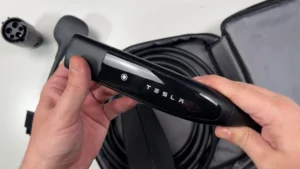
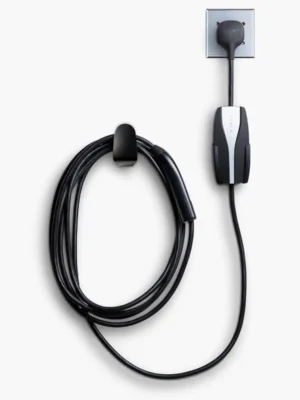
The Tesla Gen 3 Mobile Connector is the latest Tesla mobile charger, delivering up to 7.6 kW (32 amps at 240V) via a NEMA 14-50 or 6-50 adapter, which is roughly 30 miles of range per hour. It also works with standard 120V outlets at 1.3 kW. Offers PowerShare support on compatible vehicles like the Cybertruck and Model Y Performance, enabling basic bi-directional charging, including Vehicle-to-Load (V2L) and Vehicle-to-Vehicle (V2V), making it the most capable portable Tesla charger yet.
Charging Speed:7.68 kW
Max Amperage:32 Amps
Charging Level:Level 1, Level 2
Connector Type:NACS
Cable Length:20 Feet
Connectivity:Wi-Fi
Installation Type:NEMA 14-50, NEMA 5-15, NEMA 6-50
The Tesla Mobile Connector Gen 3 is our #1 rated NACS mobile charger here at Electric Vehicle Geek. It's a serious upgrade over its predecessor, bi-directional charging (Vehicle-to-Load (V2L), Vehicle-to-Vehicle (V2V), Vehicle-to-Grid (V2G), PowerShare support, and a higher charging capacity make it the most capable portable Tesla charger yet. It's the ideal pick for owners who want flexible, on-the-go charging without committing to a permanent wall installation.
Features
9
Real World Usage
8.5
Materials
8.5
Durability
9
Craftsmanship
8.5
Design
9
Monetary Value
9
Product Value
8.5
Brand Reputation
9.5
Expert Valuation
9
PROS:
Bi-directional charging (V2L & V2V)
PowerShare support
Portable and plug-and-play
Higher charging capacity than previous gen
No installation required
CONS:
No V2H & V2G support
Lower amperage than Universal Wall Connector
Requires compatible vehicle for bi-directional features
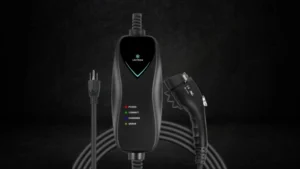
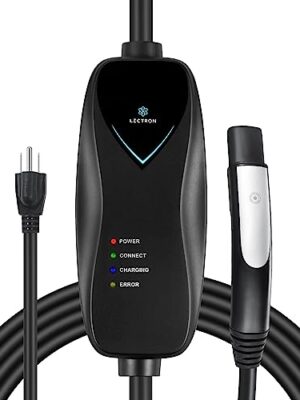
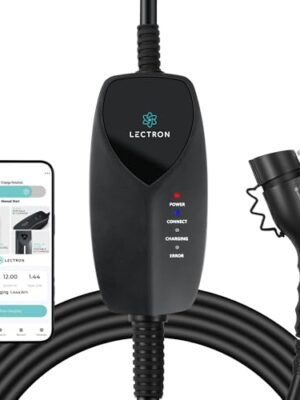
The Lectron Level 1 / Level 2 EV Charger is a practical, versatile, and affordable option for most EV drivers. It covers both charging speeds, works with virtually every J1772 vehicle, and goes wherever you go. The lack of smart features keeps the experience simple, and for many drivers, that's exactly what they want.It won't win any awards for cutting-edge technology, but it doesn't need to. What it does, it does well. If you're looking for a dependable portable charger that handles everyday needs without any hassle, the Lectron is a solid pick.
Features
9
Real World Usage
8
Materials
8.5
Durability
9
Craftsmanship
9
Design
9
Monetary Value
8.5
Product Value
8
Brand Reputation
9
Expert Valuation
8.5
PROS:
Dual plug compatibility (NEMA 5-15 & 14-50)
Supports both Level 1 and Level 2 charging
Portable and travel-friendly with carrying case
Safety features: overvoltage, overcurrent, short circuit protection
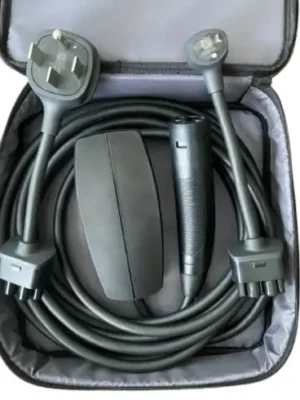
The Lectron Level 1/2 Tesla/NACS Charger offers portable, flexible charging with interchangeable 120V and 240V plugs. It supports Tesla Models 3, Y, S, X, and other NACS EVs, delivering up to 9.6 kW for reliable home or travel charging.
The Lectron Level 1/2 is a versatile dual-mode charger with solid in-built safety features and dependable performance at both 12A and 40A. It’s a smart pick if you want one unit that covers both slow overnight charging and faster Level 2 sessions.You might want to look at Tesla’s chargers, such as the Tesla Wall Connector or the Tesla Universal Wall Connector, if seamless integration with your Tesla and the Tesla app is a priority. Tesla’s native units offer smart charging features and real-time monitoring directly through the app. By contrast, the Lectron Level 1/2 keeps things simple: a reliable plug-and-charge unit without connectivity.Should you upgrade if you own the Lectron Level 1 Portable Charger? Yes, if you’re ready for faster 240V charging. Otherwise, stick with your Level 1 unless you hate its slow charging speeds.
Features
9
Real World Usage
8
Materials
8.5
Durability
9
Craftsmanship
9
Design
9
Monetary Value
8.5
Product Value
8
Brand Reputation
9
Expert Valuation
8.5
PROS:
Dual-level charging (12A Level 1 & 40A Level 2)
Compatible with Tesla and other NACS EVs
Interchangeable NEMA 5-15 and 14-50 plugs
Portable and travel-friendly
ETL certified with built-in safety protections
Real-time LED charging status indicators
CONS:
Level 2 charging requires NEMA 14-50 outlet installation
Not hardwired, less durable than wall chargers
Limited maximum amperage compared to some hardwired chargers
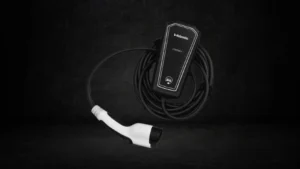
The Tesla Mobile Connector is a portable charger compatible with standard 120V and 240V outlets using interchangeable adapters. It delivers up to 7.6 kW of power, providing flexible, reliable charging for Tesla Models 3, Y, S, and X at home or on the go with a simple setup.
The Tesla Mobile Connector offers portability and ease of use, ideal for occasional charging or travel. However, it falls short as a daily home charger due to slower speeds, a lack of smart features, and update limitations, especially for non-Tesla owners. Best suited as a backup or secondary charger.
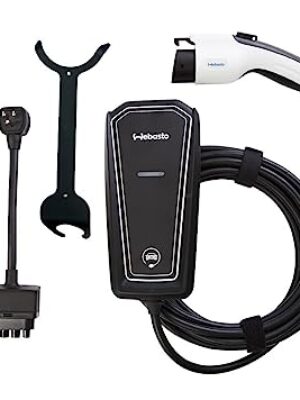
The Webasto Go Dual Voltage Portable EV Charger offers Level 1 and Level 2 charging (120V & 240V), ideal for home or on-the-go use. UL and IP67 rated for safety and durability, it delivers up to 7.7kW of power, charging up to 30 miles per hour. Compatible with all J1772-equipped EVs, including Tesla with an adapter.
The Webasto Go is a reliable, easy-to-use charger ideal for everyday use. It’s safe, efficient, and built with the needs of EV owners in mind, though potential buyers should consider its waterproof shortcomings.
Features
8
Real World Usage
8.5
Materials
9
Durability
9
Craftsmanship
8.5
Design
8.5
Monetary Value
9
Product Value
8.7
Brand Reputation
9
Expert Valuation
8
PROS:
Dual voltage (120V and 240V) for flexible charging
Advanced safety features with UL and cUL certifications
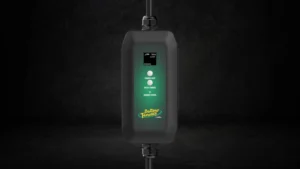
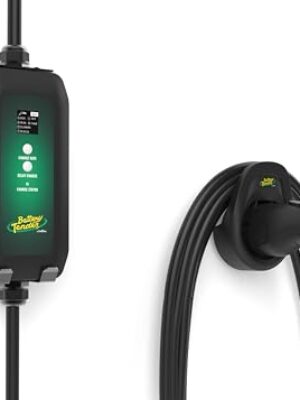
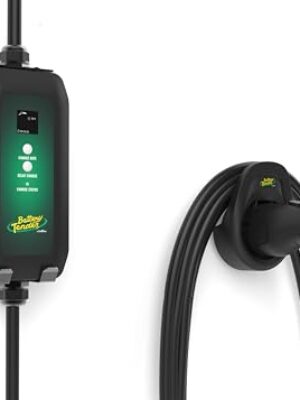
The Battery Tender eCharge 32 AMP EV Charger is a versatile Level 1+2 electric vehicle charger, compatible with 120V or 240V power sources. Offering 16A or 32A output, this portable EV charger is perfect for indoor and outdoor use, featuring multiple plug options like 5-15p, 5-20p, and NEMA 14-50R for flexible charging. Ideal for fast, reliable EV charging at home or on the go.
The Battery Tender eCharge 32 Amp is one of the more capable portable EV chargers on the market. It handles extreme temperatures, provides real-time data, adapts to your available power source, and doesn't require an app to function. If you want one charger for home and travel without compromise, this one earns its place in your trunk.
Features
9
Real World Usage
9
Materials
8
Durability
8.5
Craftsmanship
8.5
Design
8.5
Monetary Value
7.5
Product Value
8.5
Brand Reputation
9
Expert Valuation
9
PROS:
Can be used with both 120V and 240V power inputs, offering flexibility for different charging setups.
With options for 16A or 32A output, it provides fast charging times.
Suitable for both indoor and outdoor use, ensuring reliability in various conditions.
Comes with different plug types (5-15p, 5-20p, NEMA 14-50R) to fit various outlets.
CONS:
It’s on the higher end of the price spectrum, but the features justify the cost.
The variety of options might be overwhelming for some users.
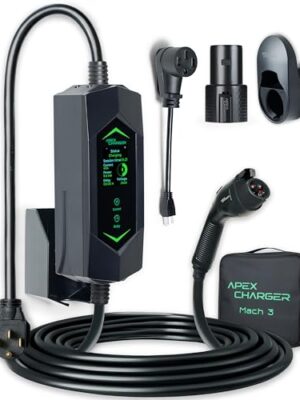
The ApexCharger MACH 3 EV Charger is a portable Level 1/2 dual-connector charger that supports both J1772 and NACS connectors. It features Wi-Fi app control, IP67 weather resistance, and pulsing LED indicators, making it a solid on-the-go and backup charging option.
Charging Speed:9.6 kW
Max Amperage:40 Amps
Charging Level:Level 1, Level 2
Connector Type:J1772, NACS
Cable Length:25 Feet
Connectivity:Bluetooth, Wi-Fi
Installation Type:NEMA 14-50, NEMA 5-15, NEMA 5-20
The ApexCharger MACH 3 EV Charger is the best option for EV drivers who want portability without sacrificing speed or smart features. With up to 40 Amps, dual-voltage input, Tesla compatibility, and a rugged, IP67-rated build, it beats most portable chargers on the market - especially in power and feature depth.While the ApexCharger MACH 2 is still the brand’s top-tier home unit, and the MACH 1 is the budget-friendly wall charger, the MACH 3 fills a different and crucial role: on-the-go charging wherever you need it, without calling an electrician.If you need a travel-ready backup or your lifestyle includes frequent road trips, the ApexCharger MACH 3 is one of the smartest, most reliable portable EV chargers available today.
The Schumacher 16 Amp EV Charger is a reliable, 16A portable charger with a 28-ft cable, Level 1/2 support, 120V/240V compatibility, and efficient EV charging.
The Schumacher Schumacher 16 Amp EV Charger is a reliable, portable EV charger that caters to both Level 1 and Level 2 charging needs. Its ergonomic design, durable construction, and flexible cable make it a practical choice for EV owners. However, those seeking advanced features like adjustable amperage or smart connectivity might need to explore other options.
Features
8
Real World Usage
8.5
Materials
8.5
Durability
9
Craftsmanship
8.5
Design
8.3
Monetary Value
8
Product Value
8.5
Brand Reputation
9
Expert Valuation
8.5
PROS:
Portable and lightweight, easy to carry or store
28-foot cable offers excellent reach for most parking setups
Universal J1772 connector compatible with all major EVs
Supports both Level 1 (120V) and Level 2 (240V) charging
Durable construction with water-resistant features
LED indicators provide clear charging status
CONS:
Fixed 16-amp output; no adjustable amperage
Lacks smart features such as Wi-Fi, app control, or scheduling
Slightly bulky compared to small, plug-and-play Level 1 chargers
Slower charging on 120V adapter compared to full 240V output
The Battery Tender eCharge 16 AMP EV Charger is a compact and efficient Level 1 charger designed for 120V power, making it perfect for standard wall outlets. Ideal for both indoor and outdoor use, this portable EV charger delivers reliable charging for everyday electric vehicle needs, ensuring convenience and ease of use.
The eCharge 16 AMP is a simple, affordable, and portable Level 1 charger with standard plugs, ideal for casual EV users, offering good durability and basic functionality, though limited in output, it provides solid value for entry-level needs and maintains Battery Tender’s reputation for reliability.
Features
8.5
Real World Usage
8.5
Materials
8
Durability
8.5
Craftsmanship
8
Design
8.5
Monetary Value
9
Product Value
8.5
Brand Reputation
9
Expert Valuation
8
PROS:
Simple plug-and-play design with standard wall plugs (5-15p or 5-20p)
Lightweight and easy to transport.
Durable enough for various environments.
CONS:
Only offers 16A output, which may be slower for some users.
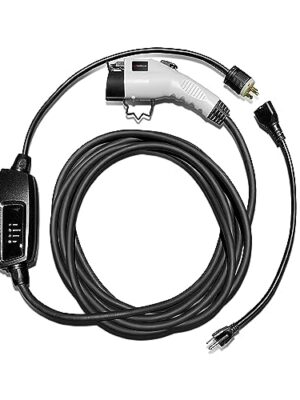
Schumacher 12 Amp EV Charger is a Level 1 portable EV charger. It delivers 12 Amps at 120V with a 20-foot cable. Featuring a standard NEMA 5-15P plug and J1772 connector, it's a simple, reliable solution for home and travel, with ETL and Energy Star certifications.
The Schumacher SEV1670 is a straightforward, budget-friendly Level 1 charger. With a 20-foot cable and universal J1772 connector, it offers reliable charging for most EVs. Its IP65 rating ensures durability, though it's limited to 12 amps and lacks smart features.
Features
8
Real World Usage
8.5
Materials
8.5
Durability
9
Craftsmanship
8.5
Design
8.3
Monetary Value
8
Product Value
8.5
Brand Reputation
9
Expert Valuation
8.5
PROS:
20-foot cable provides ample reach for most parking setups.
Universal J1772 connector ensures compatibility with all major EV brands.
IP65 weather-resistant rating allows for indoor and outdoor use.
Plug-and-play design requires no installation.
LED indicators for clear charging status updates.
CONS:
Limited to 12 amps, resulting in slower charging speeds.
No smart features like Wi-Fi connectivity or app control.
Basic design lacks advanced user interface or customization options.
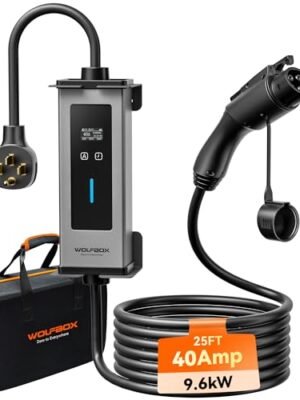
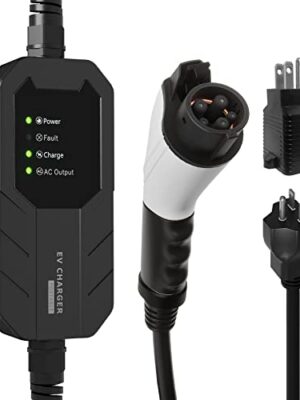
The WOLFBOX PE40 is a portable Level 2 charger delivering 40 amps and up to 9.6 kW with a J1772 connector. Its sleek design and 25-foot cable make it perfect for flexible, powerful charging at home or on the go for most electric vehicles.
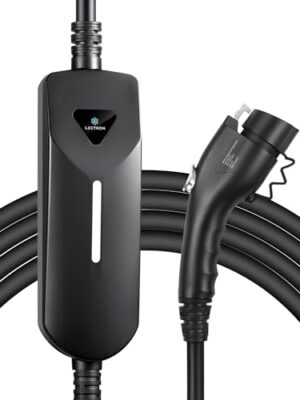
The Lectron 16 Amp Level 1 EV Charger offers convenient 110V charging with a 21ft extension cord and NEMA 5-15 plug. Compatible with all J1772-equipped electric vehicles, this reliable charger provides a cost-effective solution for home use, ensuring smooth, hassle-free charging with safety and versatility for daily needs.
The Lectron Level 1 EV charger offers an affordable and reliable home charging solution. Using a 120-volt outlet, it provides 1.5 kW of power, adding 5-6 miles of range per hour. Ideal for overnight charging, it features durable materials, solid craftsmanship, and excellent value, backed by a reputable brand.
Features
8.5
Real World Usage
7.5
Materials
8.5
Durability
8
Craftsmanship
9
Design
8.7
Monetary Value
8.5
Product Value
8
Brand Reputation
9
Expert Valuation
8
PROS:
Affordable and great value for money
Easy to use with a standard 110-volt outlet
Reliable and consistent charging
Durable construction, handles regular use
Compact design with a long cable for flexibility
Trusted brand with a reputation for quality
CONS:
Slow charging at 1.5 kW (5-6 miles per hour)
Full charge can take up to 12 hours
Lacks advanced features like smart connectivity or faster speeds
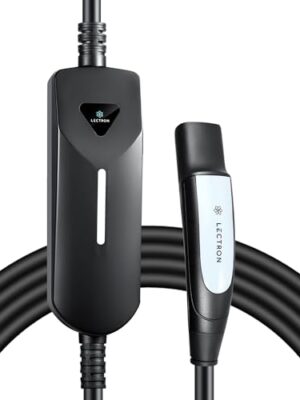
The Lectron Level 1 Tesla Charger offers fast and reliable home charging for Tesla vehicles. With an easy plug-and-play setup, it works with standard household outlets. Its compact design ensures convenience, while it provides safe and consistent power for everyday charging needs. Ideal for quick and efficient at-home use.
The Lectron Level 1 Tesla Charger offers a simple solution for charging your Tesla at home. It plugs directly into a standard 110-volt outlet and provides 15 Amps of charging current. This charger delivers 1.65 kW of power, adding 40-50 miles of range overnight. It works with Tesla models S, X, 3, and Y. The charger is lightweight and easy to use, with safety features like overvoltage and short circuit protection. For added convenience, consider using clamps to secure the cord and a housing unit for storage. Overall, the Lectron charger provides reliable, cost-effective charging.
Features
8.5
Real World Usage
7.5
Materials
8.5
Durability
8
Craftsmanship
9
Design
8.7
Monetary Value
8.5
Product Value
8
Brand Reputation
9
Expert Valuation
8
PROS:
Affordable pricing offers excellent value for money compared to other Tesla-compatible chargers on the market.
Broad compatibility works flawlessly with all Tesla models (X, Y, 3, S) and other EVs equipped with the NACS connector.
Convenient portability designed with a 16 ft extension cord, making it easy to charge at home or on the go without hassle.
Safety features equipped with overvoltage, overcurrent, and short circuit protection, ensuring safe and reliable charging at all times.
Energy-efficient Energy Star certified, helping reduce energy consumption during charging while maintaining performance.
Durable construction built from high-quality materials, ensuring longevity and reliable operation for years to come.
CONS:
Slower charging speed as a Level 1 charger (1.65 kW), it charges more slowly compared to Level 2 options, which may not suit users with higher power needs.
Limited range gain provides around 40-50 miles of range overnight, which may not meet the daily charging requirements of drivers with longer commutes or frequent road trips.
Outlet compatibility requires a standard NEMA 5-15 outlet, which may not be available in every location, limiting its convenience in certain settings.
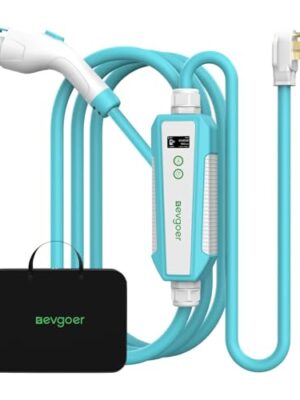
Evgoer J1772 40A Level 2 EV Charger delivers fast, safe charging with an adjustable 8A-40A current. The 20ft cable ensures flexibility. IP66's waterproof design supports indoor and outdoor use. Compatible with all J1772 electric vehicles.
The Evgoer J1772 40A EV Charger is a reliable Level 2 charging solution with dual voltage support (120V/240V), fast speeds, and adjustable current settings. It’s UL-certified, weather-resistant, and compatible with all J1772 EVs, including Tesla (adapter required). Easy installation, robust safety features, and versatile charging make it a top choice.
Features
9
Real World Usage
8.5
Materials
8
Durability
8.5
Craftsmanship
8
Design
8.5
Monetary Value
9
Product Value
8.5
Brand Reputation
8
Expert Valuation
8
PROS:
Fast charging speeds (up to 7x faster than Level 1)
Adjustable current settings for power optimization
Advanced safety features (short circuit, overcurrent, overheating protection)
IP66 waterproof rating for outdoor use
Portable design with a carrying case
Compatible with all J1772 EVs
Supports Level 1 and Level 2 charging
1-year warranty and lifetime support
Proven reliability in real-world conditions
Strong customer support experience
CONS:
NEMA 5-15P to 14-50R adapter sold separately
Increased risk of loose connections and voltage drop by using the NEMA 5-15P to a 14-50R adapter
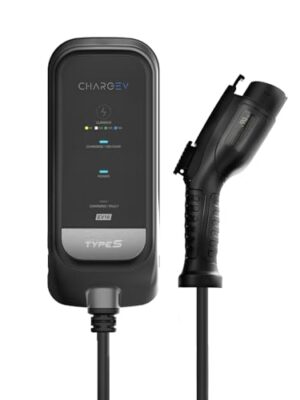
The Type S 16A Level 1 EV Charger supports 120V and 240V EV charging via NEMA 5-15, 6-20, and 10-30 outlets. Compact, weather-resistant, and adjustable, it's perfect for home, travel, or emergencies.
The Type S 16A Level 1 EV Charger is a premium-feeling, dependable Level 1 charger that does exactly what it promises: simple, safe, and reliable charging from any standard outlet. It’s not flashy, it’s not fast, but it’s highly practical and well built. If you’re okay with slower charging speeds and want a no-hassle EV charger for everyday or backup use, this is a solid choice.If you already have a Level 2 charger or want faster charging, consider stepping up to the Type S 40 Amp or other Level 2 options. Otherwise, give this a try—you won’t be disappointed.
Compact and WiFi-enabled, the Lectron 12 Amp EV Charger delivers 120V, 12 Amp charging with app control. Includes a 16 ft cord and NEMA 5-15 plug. Compatible with all J1772 EVs.
The Lectron 12 Amp Level 1 charger does what it says - and then some more through smart EV charging features not common in Level 1 EV chargers. You won’t be amazed by its charging speed or 16ft cable, but the smart EV charging features, Lectron app, portable design, and strong safety features make it one of the better 12 Amps Level 1 options on the market.
Features
8.5
Real World Usage
7.5
Materials
8.5
Durability Over Time
8
Craftsmanship
9
Design
8.7
Monetary Value
8.5
Product Value
8
Brand Reputation
9
Expert Valuation
8
PROS:
Works with all J1772 EVs.
App control via WiFi and Bluetooth.
Supports scheduled charging and usage tracking.
Lightweight and travel-friendly.
IP65-rated for outdoor use.
Compatible with solar generators and 120V outlets.
Ideal for 15A circuits and small panels.
Reliable overnight charging (4–5 miles/hour).
Includes durable carrying case.
Easy to set up and use.
CONS:
Slow charging speed (Level 1 only).
Limited to NEMA 5-15 outlets.
16-ft cord may be too short for some setups.
App requires stable WiFi for full functionality.
Not dual-voltage - supports only Level 1 (120V) charging, with no Level 2 (240V) option.
The Skysword Ⅱ is a versatile, portable EV charger. It offers both Level 1 and Level 2 charging, supporting 100-240V and 16A. With a 25-foot cable and included NEMA 6-20 and 5-15 plugs, it provides flexibility. It’s a safe, simple solution with LED indicators, ideal for home and travel.
The MEGEAR Skysword Ⅱ is a 25-foot portable charger, designed for convenience and practicality, making it ideal for everyday use whether at home, work, or while traveling.
Features
7.5
Real World Usage
8.5
Materials
8
Durability
7.5
Craftsmanship
8.5
Design
8
Monetary Value
8.5
Product Value
8
Brand Reputation
8.5
Expert Valuation
8
PROS:
Compatible with most electrical panels without requiring upgrades.
An affordable charging solution.
Built with a rigid structure for reliable portability.
Features straightforward error detection for easy troubleshooting.
boasts a smart-chip detection system that monitors charging issues
CONS:
1-year limited warranty for manufucturing defects and technical queries
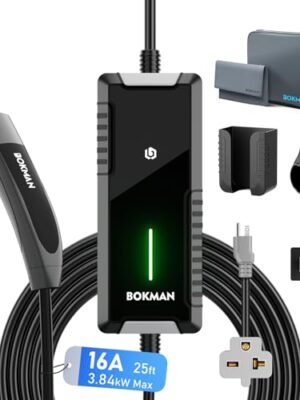
The Bokman Level 2 Mobile Charger delivers fast, efficient charging for Tesla vehicles, including Model 3/Y/X/S/Cybertruck. With a 16Amp power output and a 25ft cable, it features a NEMA 6-20 plug for Level 2 charging and NEMA 5-15 compatibility for Level 1, ensuring versatile, reliable performance at home or on the go.
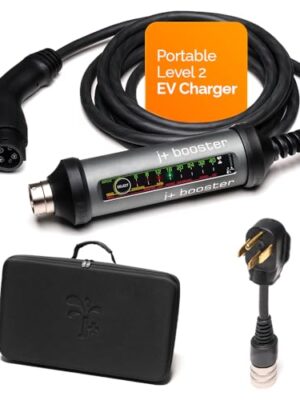
The J+ Booster 2 Portable EV Charger offers fast Level 2 charging (9.6 kW, 240V) for all-electric vehicles. With a 21ft cable, NEMA 14-50 plug, and ETL certification, it provides reliable power both indoors and outdoors. The included carrying case ensures easy storage and portability for convenient home charging.
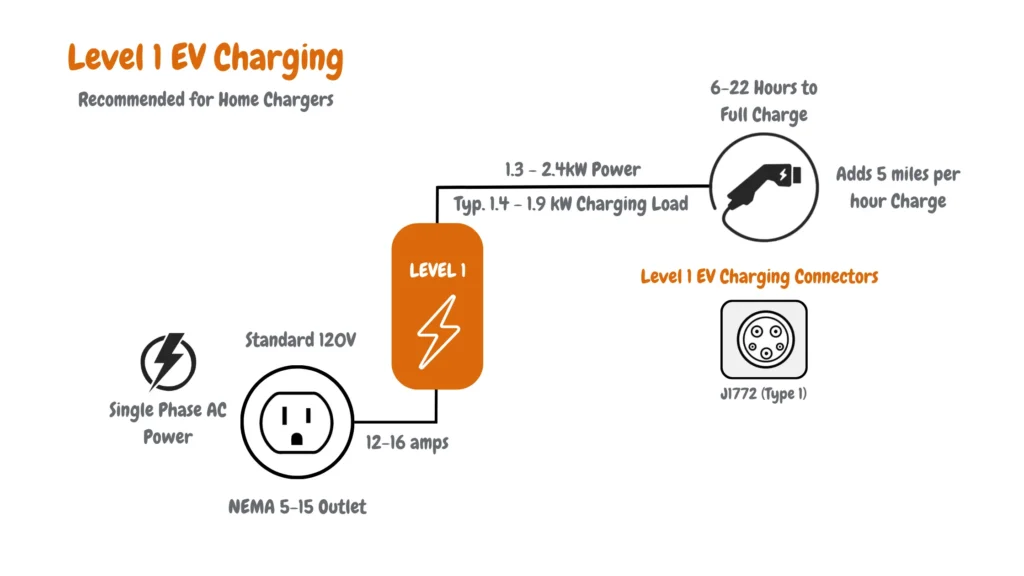
Level 1 EV charging utilizes a standard 120V household outlet, typically delivering 1.0 to 1.9 kW at 8 to 16 amps. This provides a slow charging rate of approximately 2 to 5 miles of range per hour. While limited in speed, it remains the most accessible and cost-effective option, ideal for EV owners who drive around 40 miles per day, use a small to mid-sized electric vehicle, and have the ability to charge overnight.
Level 1 EV Charger – Circuit Breaker Power Output Chart
Level 1 EV Charger Amperage and Power Output Chart (120V)
Comparison of Level 1 EV charging power (kW) based on circuit breaker size and maximum continuous amperage output at 120V.
Max Output Amps & Power at 120V
Max Output (A)Power (kW)Miles / hr
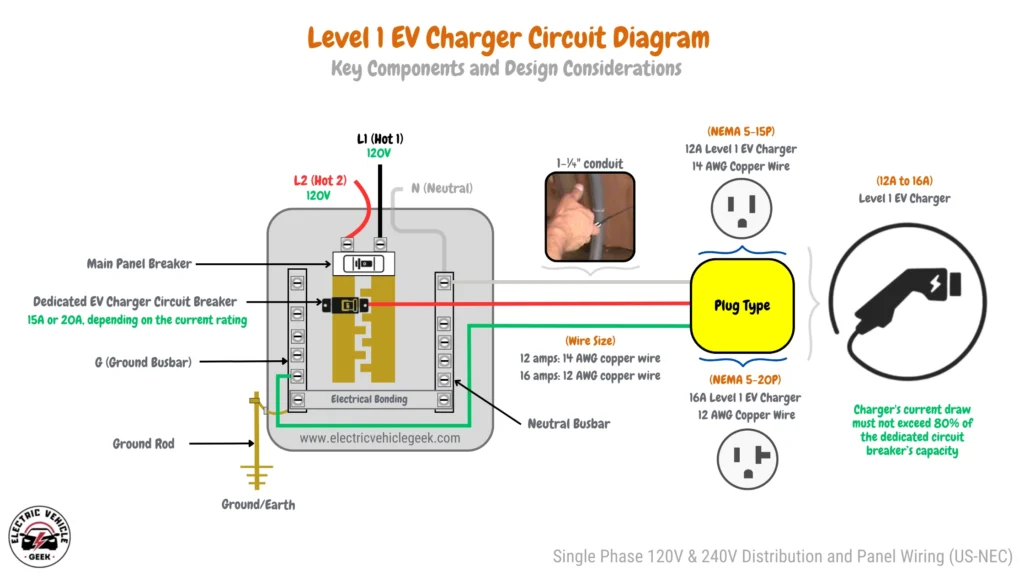
📋 Per NEC standards, an EV charger can only pull 80% of the circuit breaker's rated amperage.
Source: electricvehiclegeek.com · Max output = 80% of breaker rating (NEC rule) · Power = Output A × 120V
How to Choose a Level 1 EV Charger
Is a Level 1 charger enough for daily driving?
Short answer: yes, if you drive under 40 miles per day and can plug in overnight. A Level 1 charger adds 3-5 miles of range per hour. Plugged in for 10 hours overnight, that is 30 to 50 miles, more than the U.S. average daily commute of 37 miles. If your commute is longer or you drive a larger battery EV (80+ kWh), consider a Level 2 charger.
What amperage should I choose: 12A or 16A?
12 amps runs on any 15A circuit (any standard outlet). Safest default. 16 amps requires a 20A circuit with a NEMA 6-20 outlet. Charges about 30% faster.
Most homes will run a 12A charger without any electrical work. Only step up to 16A if you have (or are willing to install) a dedicated 20A outlet.
Should I get a dual Level 1/2 charger instead?
Yes, if you have any possibility of installing a 240V outlet in the next few years. A dual L1/L2 unit (like the Webasto Go or Lectron L1/L2) costs about $100 more but charges 5 to 7 times faster on 240V. We recommend dual units for most homeowners; pure Level 1 only for renters or apartment dwellers.
J1772 or NACS: which connector?
NACS (Tesla) Tesla Model 3/Y/S/X/Cybertruck and 2025+ Ford, GM, Rivian. J1772 Every other EV sold in North America before 2025. Buy for your current car. EV charging adapters exist in either direction if you switch later.
What certifications matter?
Look for UL or ETL at a minimum. These confirm electrical safety testing. Energy Star is a bonus (lower standby draw). FCC is required for any unit with Wi-Fi or Bluetooth. Avoid chargers with no listed certification.
How much does it cost to run a Level 1 charger?
At the U.S. average electricity rate of about 16 cents per kWh and a 1.4 kW draw, a Level 1 charger costs roughly 22 cents per hour to run. An overnight 10-hour session is about $2.20, or roughly $66 per month for daily use. Time-of-use rate plans can cut this by 30 to 50 percent.
Important Safety Note
Never use a household extension cord. They are not rated for the sustained 8 to 12-hour high-current draw of EV charging and pose a documented fire risk. If you need more reach, buy a charger with a longer cable. We list several 2- 28 ft units in the comparison table above.
You’ve Got Level 1 EV Charger Questions, We’ve Got Answers.
How long does it take to charge an EV with a Level 1 charger fully?
8 to 24+ hours, depending on battery size. A 60 kWh battery from empty takes about 30 hours to charge. A 40-mile top-up from a daily commute takes 8 to 10 hours.
Do Level 1 chargers come with the car?
Most EVs sold before 2023 included one in the trunk. Most 2024+ Teslas, Fords, and other major EV brands have dropped the included charger as a cost-cutting measure. Check your owner's manual or trunk before buying.
Is Level 1 charging bad for the battery?
No, it is actually the gentlest charging method for long-term EV battery health. Slow charging generates less heat than Level 2 or DC fast charging, which reduces stress on the battery's chemistry.
Can I leave a Level 1 charger plugged in 24/7?
Yes. When not actively charging, a Level 1 charger draws minimal standby power. UL and ETL-certified chargers are designed for permanent home installation.
What is the difference between a 12A and a 16A Level 1 charger?
A 12A charger pulls about 1.4 kW; a 16A charger pulls about 1.9 kW, roughly 30% faster. A 16A unit requires a dedicated 20A circuit, while a 12A unit can be used with any standard 15A outlet.
Do I need a permit to install a Level 1 EV charger?
No, if you are plugging into an existing 120V outlet. You may need a permit if you are adding a new dedicated NEMA 5-15 or 6-20 outlet for the charger.
Can I use a Level 1 charger outdoors?
Yes, if it is rated IP54 or better, and most chargers on this page are. Keep the outlet connection covered and off the ground, and avoid letting any part of the unit sit in standing water.