Shopping for a home EV charger spans a wide price range, typically from about $100 for a basic Level 1 portable charger to $1,000+ for a premium Level 2 smart charging station with higher power output, advanced electronics, and outdoor-rated construction.
To make our EV charger price comparison meaningful, we created the EV Charger Price Index Rating™ to evaluate the cost of home EV charging stations across all chargers we review. It weighs price against power output so you can see at a glance whether a charger is overpriced, competitive, or a genuine value.
This page compares EV charger prices of every AC EV charger we review. We have also organized EV charger comparisons by connector type (J1772, NACS (Tesla)), so you can compare prices within the group that fits your electric vehicle charging port. Use the bubble chart and tables below to compare EV charger prices and find the best home EV charger cost for your budget.
Table of Contents
Home EV Charger Cost Comparison Overview
The interactive EV charger price comparison bubble chart below plots every AC EV charger we’ve reviewed by price (x-axis) and power output (y-axis, in kW).
Bubble size reflects the EV Charger Price Index Rating™; larger bubbles indicate a stronger value for the price paid. Hover over any bubble to see the charger name, price, power, and rating.
Home EV Charger Price Comparison Chart
All home EV chargers plotted by price vs. power output. Bubble size = EV Charger Price Index Rating™.
Home EV Charger Price Comparison Table
Every home EV charger we've reviewed, ranked from highest to lowest price. The Price Index Rating shows where each charger falls on a 1–10 price scale within our full dataset, 10 being the most expensive, 1 being the least. Use it as a quick reference for where any charger sits in the market before reading the full review.
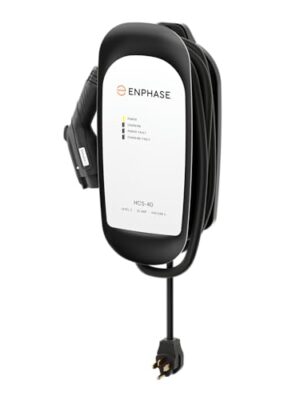
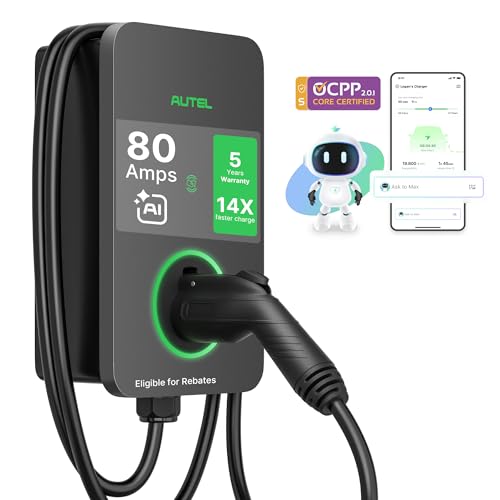
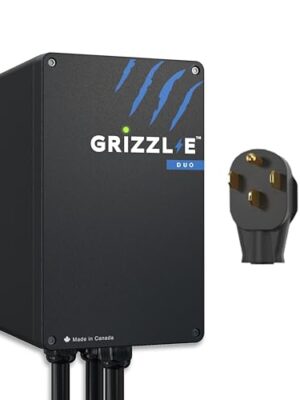
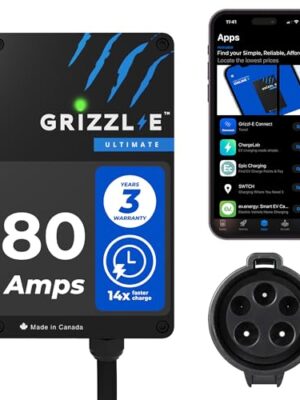
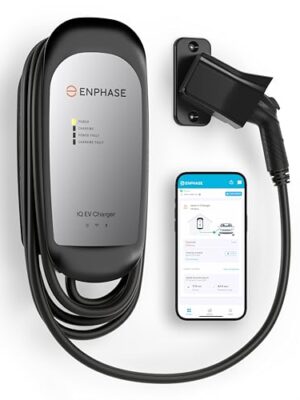
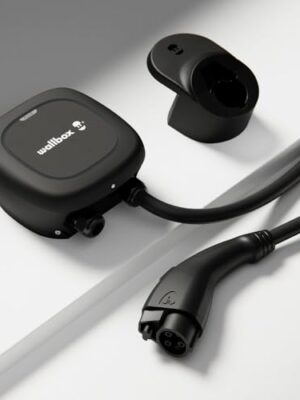
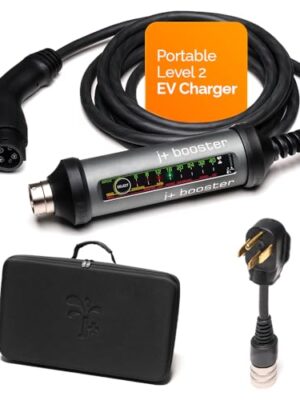
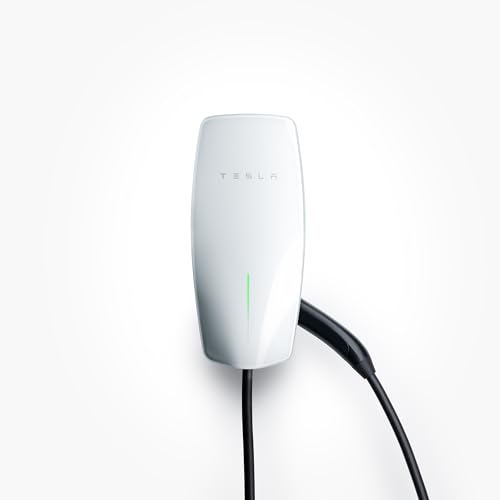
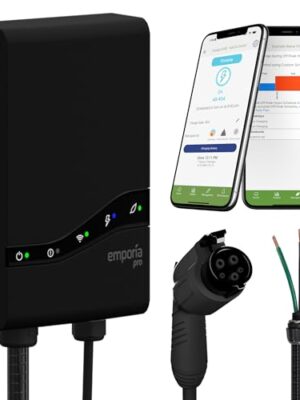
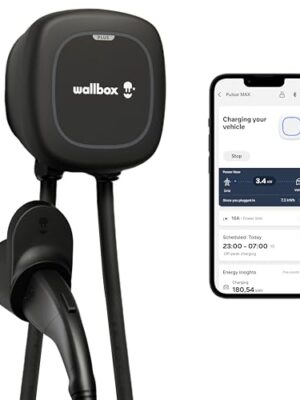
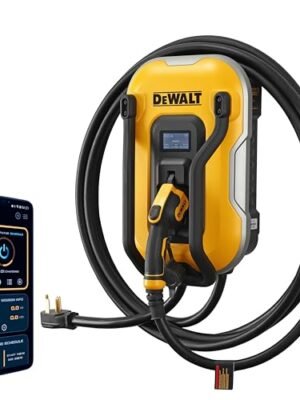
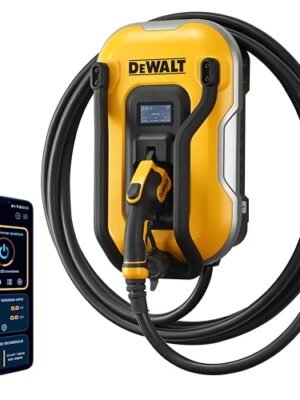
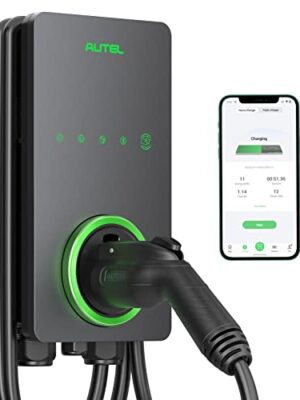
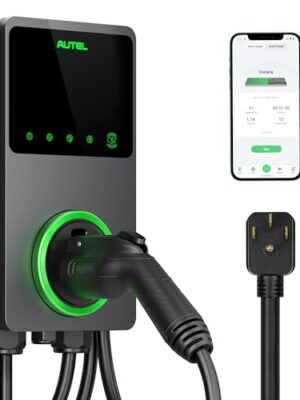
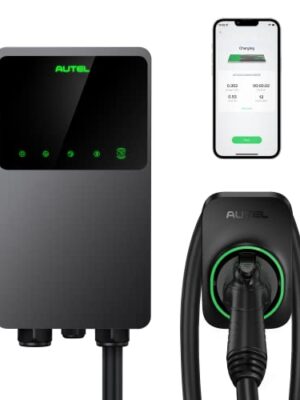

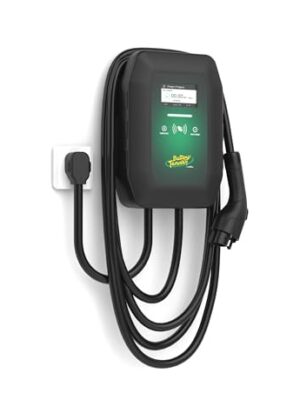
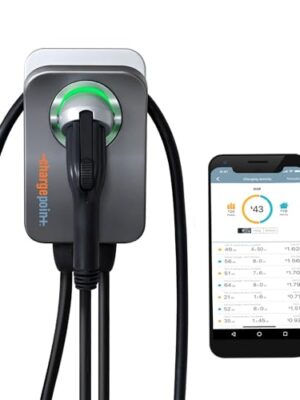
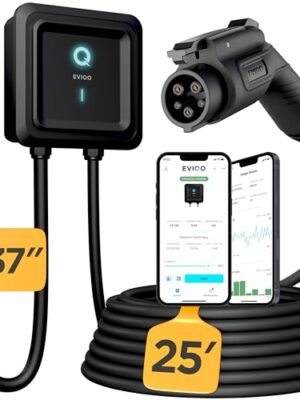
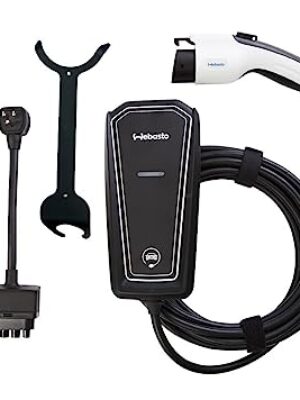
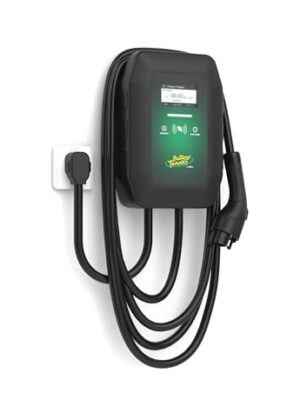
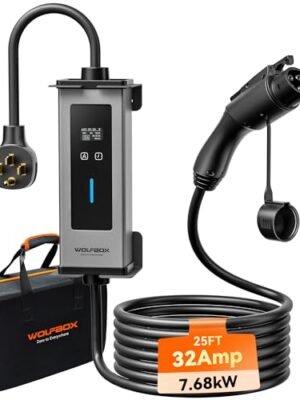

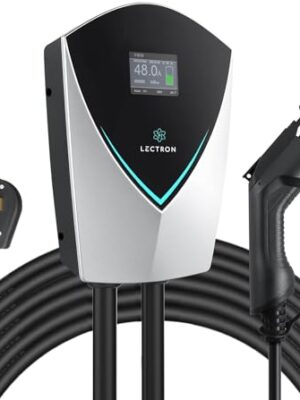
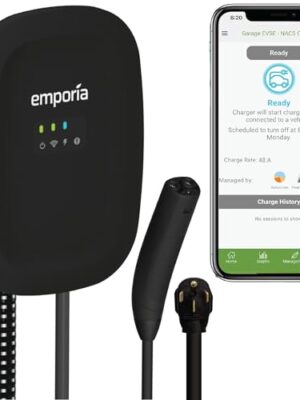
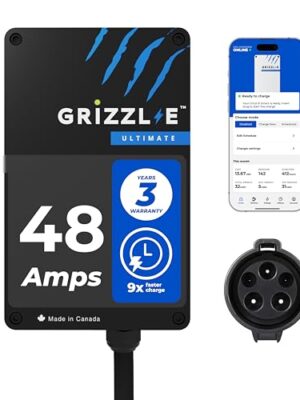
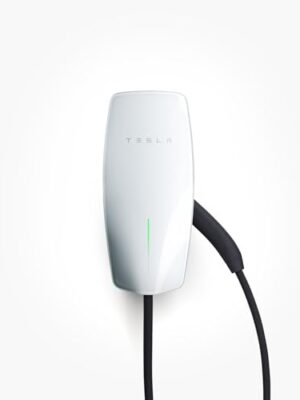
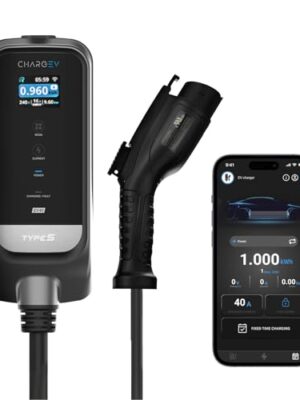
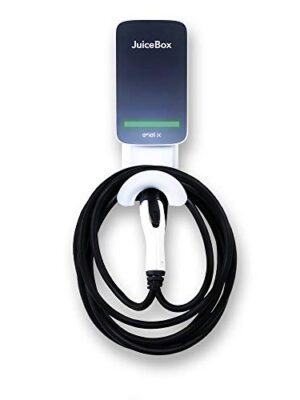
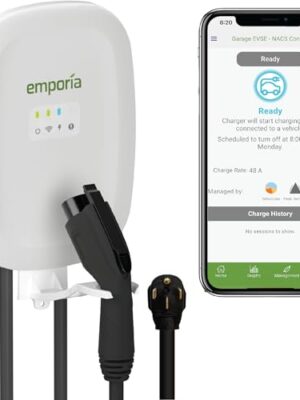
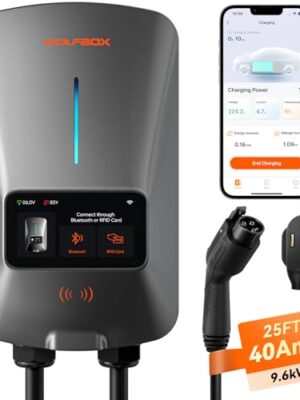
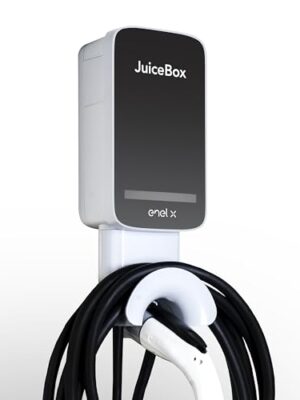
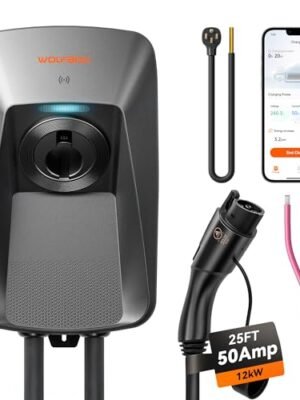
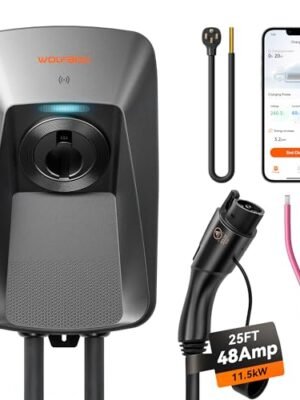
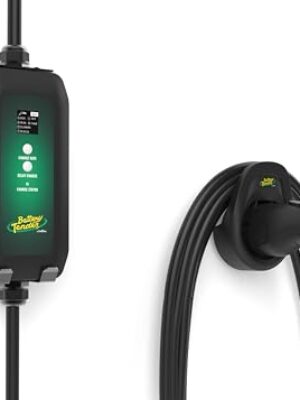
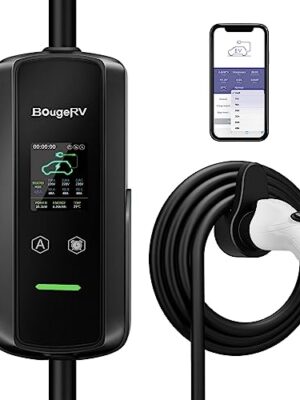
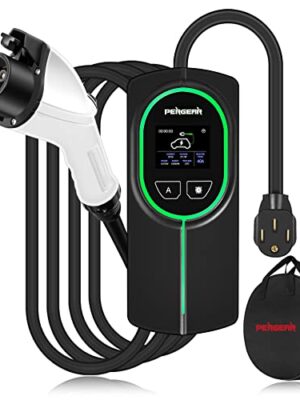
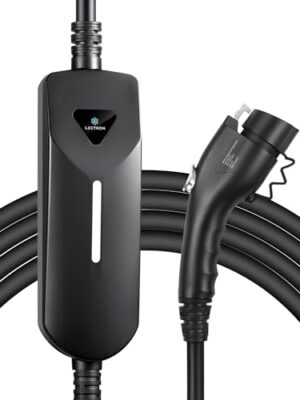
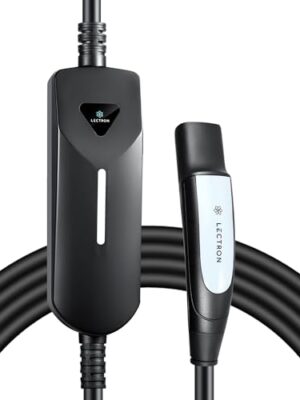
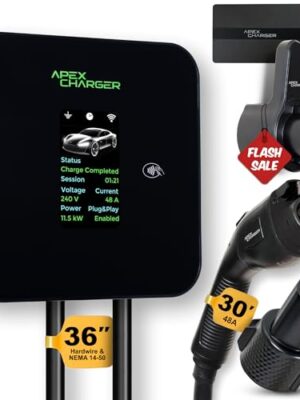
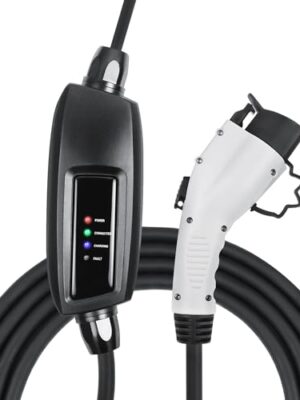
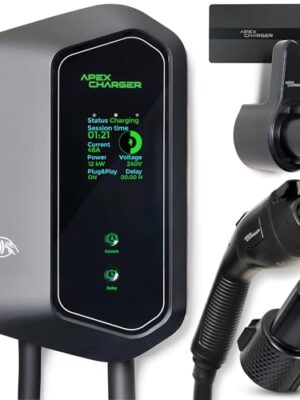
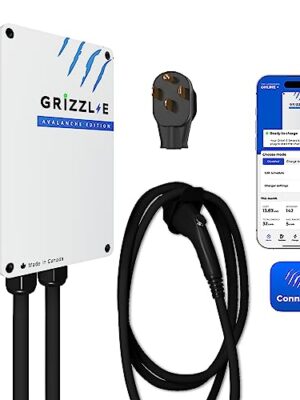
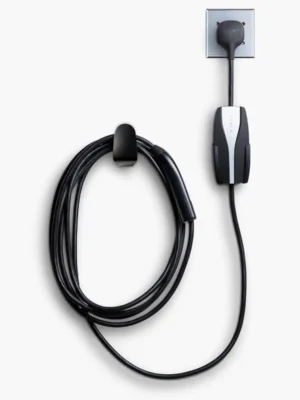
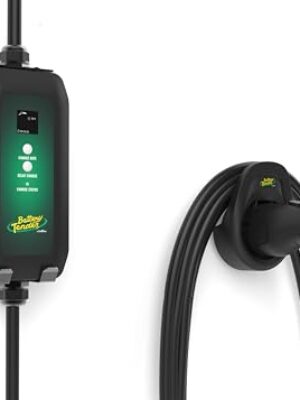
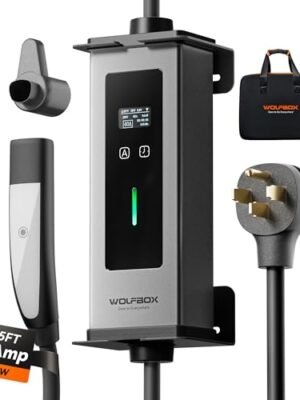
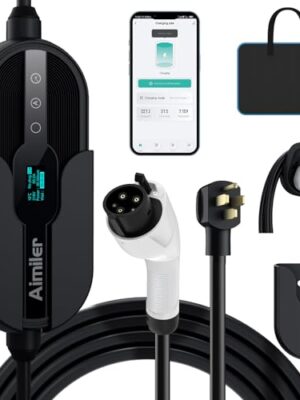
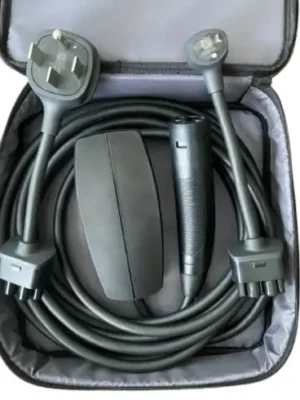
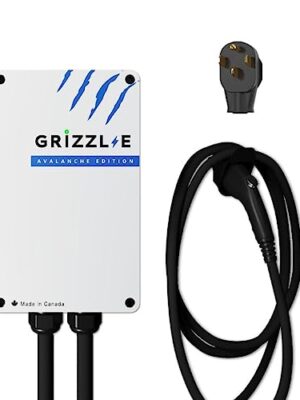
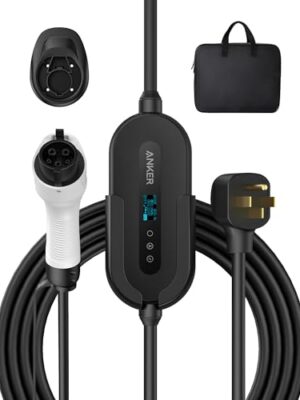
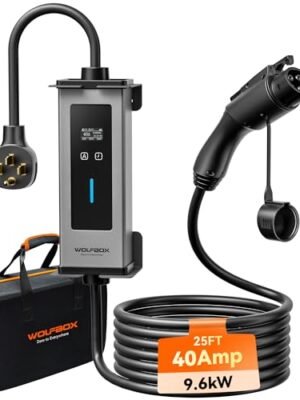
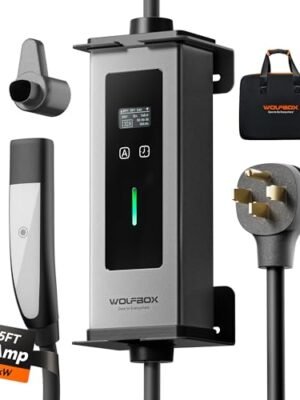
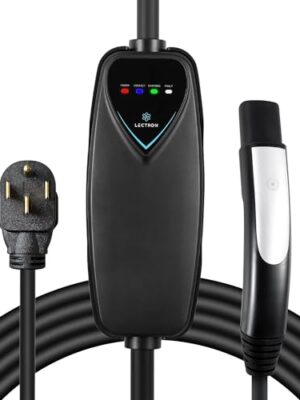
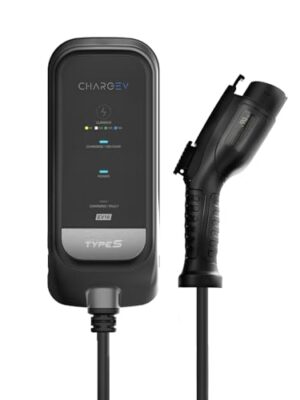
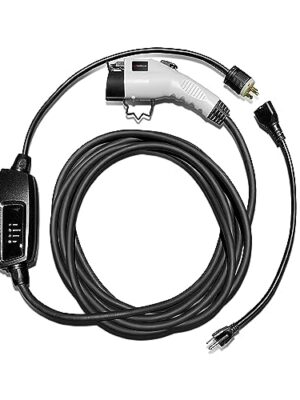
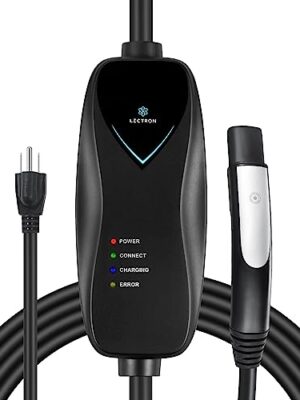
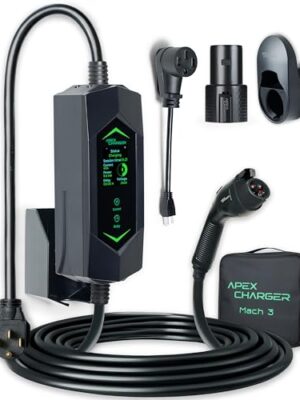
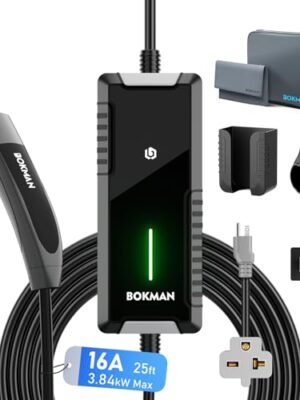

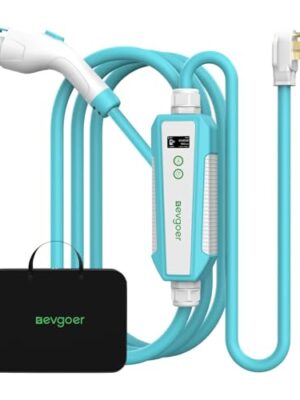
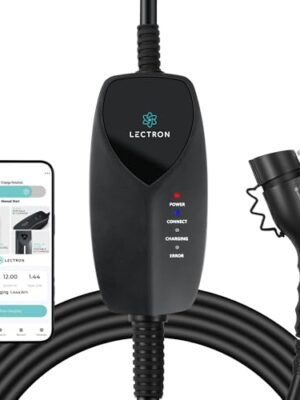
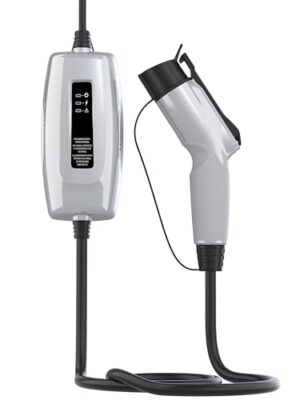
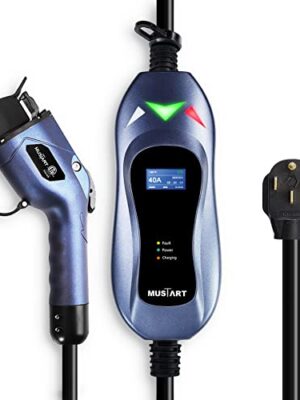
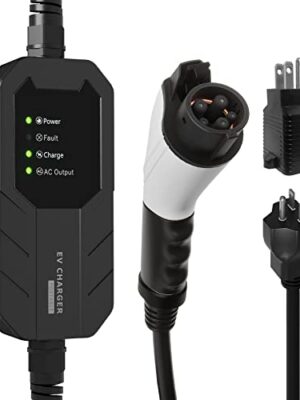
Prices shown reflect current market pricing at the time of review. EV charger costs can vary based on retailer promotions, rebates, and regional utility incentives. (Read our data updates guide)
Why Home EV Charging Station Cost Varies So Much
Home EV charger prices vary widely because the hardware is built for very different use cases, power levels, and environments. Some chargers are simple portable units, while others are high-power, permanently installed systems designed for outdoor use, high temperatures, and continuous daily charging.
Here are the main cost drivers:
Power Output (amps / kW)
Higher-power chargers require heavier-gauge wiring, larger contactors, better thermal management, and higher current safety certification. Components rated for higher continuous current cost more and must meet stricter safety standards.
EV Charger Internal Components
Higher-quality EV chargers use industrial-grade relays, contactors, terminals, and circuit boards that can operate safely at higher temperatures for long periods. Chargers with higher operating temperature ratings require better internal materials, thicker copper traces, higher-temperature plastics, and improved heat dissipation, which increase manufacturing costs but improve durability and safety.
Smart EV Charging Features
Wi-Fi connectivity, app control, scheduling, energy monitoring, and load management software all add electronics, processors, and firmware development costs, increasing the overall charger price.
EV Charger Connector Type
Some connector types have fewer manufacturers and less market competition, which can increase prices in certain segments of the residential charger market.
Enclosure Rating
Weatherproof outdoor enclosures cost more to manufacture than indoor-rated units because they require better seals, thicker plastics or aluminum housings, and UV-resistant materials.
EV Charger Cable Length
Charging cables contain a large amount of copper. Longer cables significantly increase material cost, especially for higher-amperage chargers that use thicker conductors.
Load Management and Power Sharing
Chargers that can share power between multiple vehicles or manage whole-home electrical loads require additional sensors, communication hardware, and more advanced software, which increases cost.
Ecosystem Chargers
Some EV chargers are more expensive because they are designed to work within a larger energy ecosystem rather than as standalone chargers. For example, chargers from Enphase Energy are built to integrate with solar systems, battery storage, and energy management software. These chargers are designed to communicate with other home energy equipment, manage solar charging, and optimize energy use across the home.
Because ecosystem chargers require additional communication hardware, software integration, and compatibility with other energy products, they are often priced higher than standard standalone EV chargers. In these cases, the charger is not just a charging device, but part of a larger home energy management system.
EV Charger Price Comparison by Connector Type
Connector type is the first filter most buyers should apply; a J1772 charger won’t work natively on a Tesla, and a NACS charger requires an adapter for non-Tesla EVs.
Below, we break down the cost of home EV chargers by connector category.
J1772 Home EV Charger Cost
J1772 is the universal standard for non-Tesla EVs in North America, covering virtually every EV sold outside Tesla’s lineup (including GM, Ford, Hyundai, BMW, Rivian, and more).
J1772 chargers support both Level 1 (120V, up to 1.4 kW) and Level 2 (240V, up to 19.2 kW) charging, though most dedicated home chargers are Level 2. J1772 Level 2 chargers span the widest price range of any connector category, from budget Level 2 units under $200 delivering 32 amps to feature-packed 80-amp smart chargers approaching $950, giving buyers more options at every price point than any other connector type.
J1772 Home EV Charger Price Comparison Chart
J1772 home EV chargers plotted by price vs. power output. Bubble size = EV Charger Price Index Rating™.
J1772 Home EV Charger Price Comparison Table
Every J1772 home EV charger we've reviewed is ranked from highest to lowest price. J1772 is the most competitive connector category, with different brands across every price tier, from sub-$150 Level 1 portables to premium 80-amp Level 2 smart chargers approaching $950. The Price Index Rating indicates where each charger falls on a 1–10 price scale within this group, with 10 being the most expensive and 1 the least expensive. Dual-connector models (J1772 + NACS) are included since they support J1772 natively.
The J1772 market is the most competitive segment, which keeps prices lower relative to specs. EV charger brands like ChargePoint, Emporia, Grizzl-E, JuiceBox, and Autel all compete here, and that competition benefits buyers. If you want the most cost-efficient home EV charging station per kW delivered, this is the category to focus on.
NACS (Tesla) Home EV Charger Cost
NACS chargers are designed natively for Tesla vehicles and newer EVs adopting the North American Charging Standard, including Ford, GM, Rivian, and others from 2025 onward. Because NACS has fewer residential hardware makers competing directly, prices tend to be slightly higher than for equivalent J1772 specs.
Tesla’s own wall connectors dominate this category, but third-party NACS chargers from Emporia, Lectron, WOLFBOX, and ApexCharger are beginning to close the gap.
NACS (Tesla) Home EV Charger Price Comparison Chart
NACS home EV chargers plotted by price vs. power output. Bubble size = EV Charger Price Index Rating™.
NACS Home EV Charger Price Comparison Table
Every NACS home EV charger we've reviewed is ranked from highest to lowest price. NACS is the native connector for Tesla vehicles and is now being adopted by Ford, GM, Rivian, and other automakers on newer models. It's a smaller category than J1772, with prices ranging from under $200 for basic Level 1 portables to $600 for the Tesla Universal Wall Connector. The Price Index Rating shows where each charger sits on a 1–10 price scale within this group. Dual-connector models (J1772 + NACS) are included since they charge NACS vehicles natively.
The Tesla Universal Wall Connector is the most expensive in this category and our highest-rated NACS EV Charger due to its advanced smart EV charging features. Still, its multi-vehicle compatibility, charging both Tesla and J1772 EVs natively, gives it a unique value case for households with mixed EV brands.
Tesla Universal Wall Connector Review Best Overall
For straight NACS-only charging, the Emporia Level 2 NACS and ApexCharger MACH series offer strong EV charger cost-to-power ratios.
Don’t Forget Home EV Charger Installation Costs
The sticker price of a home EV charger is only part of the total cost of a home EV charging station.
For most homeowners, a typical Level 2 EV charger installation costs about $500 to $1,500 total. Level 1 charging usually has no installation cost if you use an existing 120V household outlet, but installing a new dedicated 120V outlet can cost $150 to $900, depending on the electrical work required.
At-a-Glance Cost Comparison
| Feature | Level 1 (120V) Charger | Level 2 (240V) Charger |
|---|---|---|
| Equipment Cost | $100 – $350 | $300 – $1,200 |
| Installation Cost | $150 – $900 | $500 – $1,500 |
| Total Typical Range | $300 – $1,200 | $1,000 – $2,500 |
| Charging Speed | 3-5 miles per hour | 15–60 miles per hour |
What Affects Home EV Charger Installation Cost
The final cost of installing a home EV charger can vary a lot depending on your home’s electrical setup and where the charger is installed.
Distance to the Electrical Panel
If the charger is installed far from the electrical panel, such as on the other side of the house or in a detached garage, the cost increases because more wire and conduit are needed. This usually adds about $10 to $25 per foot.
Electrical Panel Upgrades
Some homes do not have enough electrical capacity for a 240V EV charger circuit. In these cases, the electrical panel may need to be upgraded. Upgrading to a 200-amp service can add about $1,500 to $4,000 to the total installation cost.
Permits and Inspections
Most areas require an electrical permit for EV charger installation. Permit and inspection costs usually range from $50 to $300.
EV Charger Hardware
The cost of the charger itself also affects the total price. Basic chargers cost less, while smart chargers with Wi-Fi, apps, and scheduling features cost more.
How to Save on Installation Costs
There are a few ways homeowners can reduce EV charger installation costs.
Federal Tax Credit
Some homeowners may qualify for a federal tax credit that covers 30% of the cost of the charger and installation, up to $1,000.
Utility Rebates
Many electric utility companies offer rebates to encourage home EV charging. These rebates can range from about $200 to $1,300, depending on your area.
EV Charger Placement
Installing the charger as close to the electrical panel as possible is one of the best ways to reduce installation costs by lowering labor and material expenses.
How We Track EV Charger Prices
Prices shown reflect market pricing at the time of review and analysis. Actual EV charger pricing may vary depending on retailer promotions, manufacturer rebates, seasonal discounts, and regional utility incentives. For details on how we update pricing data, see our EV charger data updates guide.
EV charger prices shift frequently, sale events, inventory changes, and new model releases all move the market. We update our EV charger comparison price data regularly, tracking prices across Amazon, the manufacturer’s direct store, and major retail partners. The prices shown in the tables and charts on this page reflect our most recent recorded price for each unit.

James Ndungu is a certified EV charger installer with over five years of experience in EVSE selection, permitting, and installation. He holds advanced credentials, including certification from the Electric Vehicle Infrastructure Training Program (EVITP) and specialized training in EV charging equipment and installation, as well as diplomas in EV Technology and Engineering Fundamentals of EVs. Since 2021, James has tested dozens of EV chargers and accessories, sharing expert insights into the latest EV charging technologies.