Compare EV Chargers
Compare EV Chargers by adding two or more units from our database, then click ‘Compare’ to see a detailed side-by-side comparison.
No products for comparisonWhat Our EV Charger Comparison Tool Covers
Our comparison tool provides comprehensive data for each EV charger across nine categories so you can find the charger that fits your vehicle, home setup, and lifestyle, not just the one with the biggest number on the box.
Charging Performance
The most important category for most buyers. Here you’ll find charging level (Level 1 or Level 2), power output in kilowatts, rated current in amps, and any adjustable current settings. These numbers directly determine how fast your car charges.
Electrical & Installation
Everything you need to know before buying and installing. This covers connector type, hardwired vs. plug-in connection, voltage, cable length, wire size (AWG), and the dedicated breaker size your panel will need. Checking these specs upfront can save you from a costly surprise on installation day.
Communication & Smart Features
For drivers who want more control over when and how they charge. This group covers Wi-Fi, Bluetooth, Ethernet, and cellular connectivity, plus app control, energy tracking, time-of-use scheduling, solar integration, load management, OCPP support, utility demand response, user authentication options, and external integrations with third-party platforms.
Safety & Protection
A charger runs unattended for hours at a time, so safety features matter. This section covers GFCI (CCID), overcurrent protection, over-temperature monitoring, surge and overvoltage protection, undervoltage protection, ground integrity monitoring, missing diode detection, auto restart, and fault detection.
Durability & Environment
Not all chargers are built for the same conditions. Here you’ll find the enclosure rating (such as NEMA or IP ratings), the operating temperature range, and whether the unit is rated for indoor use, outdoor use, or both.
Interface & Access
How you interact with the charger day to day. This includes display type, LED indicator behavior, physical controls, and whether the unit supports RFID or access card authentication, useful for shared or multi-user setups.
Physical Specifications
Dimensions (H × W × D) and weight. Especially relevant if you’re working with a tight garage wall or need a charger you can carry with you.
Compliance & Standards
Independent certifications tell you the charger has been tested and verified by a third party. This section lists safety certifications such as UL, ETL, CSA, FCC, and ENERGY STAR, along with EMC compliance ratings.
Warranty
A longer warranty is often a sign of a more confident manufacturer. This section shows the warranty duration and what’s covered, so you know exactly what protection you’re getting with your purchase.
Expert Rating
You’ll also find our expert scorecard, featuring an overall rating from 1–10 alongside individual scores across features, real-world usage, materials, durability, craftsmanship, design, monetary value, product value, brand reputation, and expert valuation.
This helps you balance technical data with expert insights to select the ideal charger for your needs.
*Haven’t found the EV charger you’re looking for? Let us know via the feedback form.
EV Charger Database
Browse our full list of EV chargers with detailed specs and expert ratings.
Select at least two chargers using the “Compare” button, then click the ⚖️ scale icon on the right to view a detailed head-to-head comparison and find the best charger for your needs.
Sample Comparison
See how EV chargers stack up side-by-side before using the tool:
- Overview
- Review
- Charging Performance
- Electrical & Installation
- Communication & Smart Features
- Safety & Protection
- Durability & Environment
- Interface & Access
- Physical Specifications
- Compliance & Standards
- Warranty Information
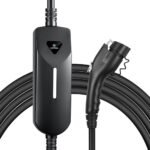
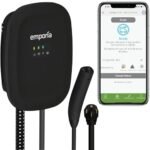
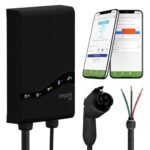

Try it yourself: Search for EV chargers, select two or more, and click “Compare” to see a detailed head-to-head comparison.