Supported by you via insider access, and when you purchase through links on our site, we may earn an affiliate commission. See our Affiliate Disclosure.
Workplace Safety When EV Charging
-
 Guide By
James Ndungu
Guide By
James Ndungu
- last updated June 5, 2026
As more businesses add EV charging for employees and fleets, workplace charging safety becomes a priority. Commercial charging brings higher power, more users, and shared equipment, which raises different safety questions than home charging.
This guide covers safe setup, user training, and maintenance for workplace EV charging. It is written for employers installing chargers and for employees who use them.
How Workplace Charging Differs From Home Charging
Workplace charging usually means higher-power chargers, more daily charging cycles, and many people using the same equipment. Each of these changes the safety picture.
Higher power means heavier cables and higher current, so equipment quality and installation matter even more. Shared use means the equipment sees far more plug cycles and handling than a home charger, so durability and clear signage become important. Multiple users mean not everyone knows how to use the charger safely, so training and clear instructions reduce risk.
Safe Setup for Workplace Charging
Use Commercial-Grade Certified Equipment
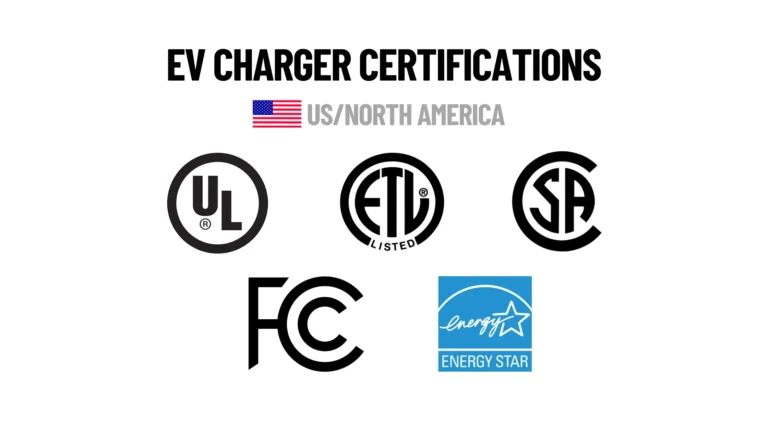
Workplace chargers should be commercial-grade and carry a UL, ETL, or CSA mark. Consumer chargers are not built for the heavy daily cycling of a shared workplace. See our small business EV charger reviews for units built for commercial use.
Professional Installation and Inspection
Commercial charging installations must comply with code, including load calculations, proper conductor sizing, and ground-fault protection. A licensed electrician and a permitted, inspected installation are not optional in a workplace setting where liability is higher.
Cable Management and Trip Hazards
In a parking lot or garage with foot traffic, charging cables are a real trip hazard. Use cable management systems, overhead retractors, or wall holsters to keep cables off the ground. Mark is charging bays clearly.
Clear Signage and Instructions
Post simple instructions at each charger so any employee can use it safely without having to guess. Include how to start and stop charging, who to contact for problems, and a reminder not to use damaged equipment.
Training Employees to Charge Safely
A short orientation prevents most workplace charging problems. Show employees how to plug in and unplug properly, return the connector to its holster, and report a damaged cable or a nonworking charger.
Make clear that nobody should use a charger with a visibly damaged cable, a cracked connector, or signs of overheating. Reporting and tagging out damaged equipment is the same habit used for any shared workplace tool.
Maintenance and Inspection
Shared chargers need regular checks that a home charger does not. Inspect cables and connectors for wear, ensure holsters and mounts are secure, and confirm that the ground-fault protection still works. A simple monthly check log keeps the equipment safe and extends its life.
Commercial smart chargers can automatically report faults and usage, making maintenance easier across a fleet. For workplaces with several units, this monitoring is worth the investment.
More Workplace Safety When EV Charging Related Guides







Workplace Safety When EV Charging FAQs
Do Workplace EV Chargers Need Different Equipment Than Home Chargers?
Yes. Workplace chargers should be commercial-grade because they handle far more daily plug cycles and users than home chargers do. They still need a UL, ETL, or CSA certification, but the build quality and durability requirements are higher. Consumer chargers wear out quickly in shared use.
Who Is Responsible for EV Charger Safety at Work?
The employer is responsible for providing safe, certified, properly installed equipment and clear instructions. Employees are responsible for using it correctly and reporting damage. Like any shared workplace equipment, safety is a shared duty, with the employer carrying the installation and maintenance burden.
Are Workplace Charging Cables a Trip Hazard?
They can be in areas with foot traffic. The fix is cable management: overhead retractors, wall holsters, or floor channels that keep cables off walkways. Charging bays should be clearly marked. Trip hazards are among the most common and preventable workplace charging issues.
How Often Should Workplace Chargers Be Inspected?
A monthly visual check of cables, connectors, mounts, and ground-fault protection is a good baseline for shared chargers, with an annual more thorough inspection. Commercial smart chargers that self-report faults make this easier. Keep a simple log to catch issues early.
What Certification Should a Workplace EV Charger Have?
A Nationally Recognized Testing Laboratory mark: UL, ETL, or CSA. For workplace and commercial use, also look for OCPP compatibility if the chargers connect to a management system. The safety mark confirms the unit passed testing for shock, fault, and thermal protection.
Can Employees Be Trained to Use Chargers Safely?
Yes, and a short orientation prevents most problems. Show how to plug in and unplug, how to return the connector to its holster, and how to report damage. The training is brief because certified chargers are designed to be simple and safe to operate.
What Should an Employee Do With a Damaged Charging Cable?
Stop using it, report it, and tag it out of service if your workplace has a tagging system. A damaged cable or cracked connector should never be used. This is the same habit used for any damaged shared tool or equipment in the workplace.
Is Professional Installation Required for Workplace Chargers?
Yes. Commercial charging installations must comply with code, including proper load calculations, conductor sizing, and ground-fault protection, performed by a licensed electrician and inspected under permit. Workplace liability makes a professional, permitted install essential, not optional.
How Do Businesses Manage Multiple Workplace Chargers Safely?
Commercial smart chargers with a management system let businesses monitor usage, balance electrical load across units, and get automatic fault alerts. This makes it practical to run several chargers safely and to catch maintenance issues before they become hazards.