Supported by you via insider access, and when you purchase through links on our site, we may earn an affiliate commission. See our Affiliate Disclosure.
EV Charger Circuit Breakers
Explore EV charger circuit breakers from leading brands such as Siemens, Square D, Eaton, and GE. Compare breaker types, amperage ratings, NEC compliance requirements, and installation considerations to help you choose the right protection for your home EV charging setup.
EV Charger Circuit Breaker Brands
We’ve handpicked and reviewed genuine or certified breakers compatible with a wide range of panel brands commonly used in EV charger installations, including:














See All EV Circuit Breakers (A–Z)
Looking for the right circuit breaker for your EV charger? We stock a wide selection of certified breakers from trusted and obsolete brands – perfect for new EV charger installs or panel upgrades.
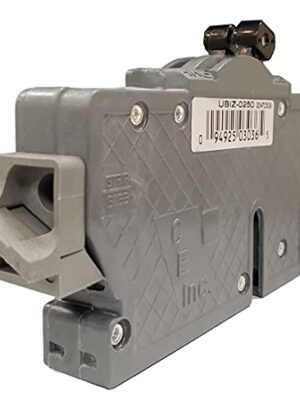
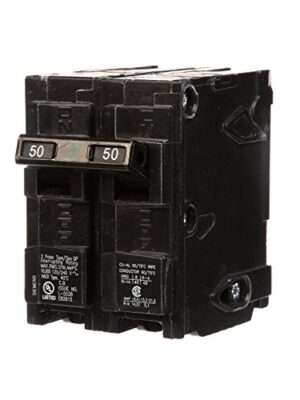
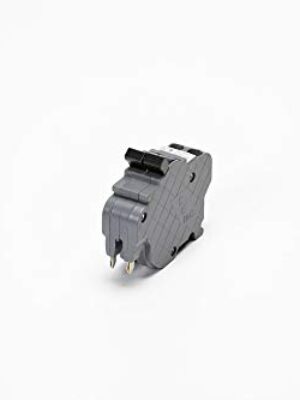
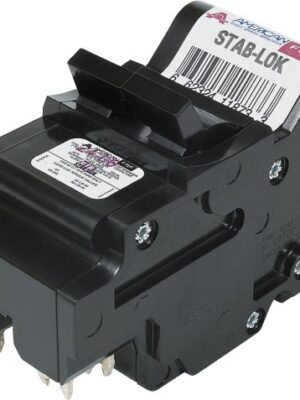
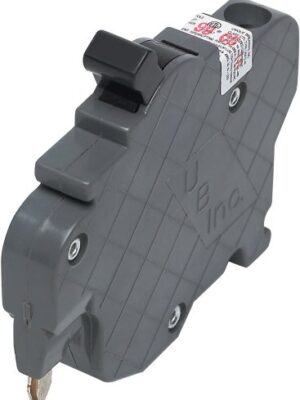
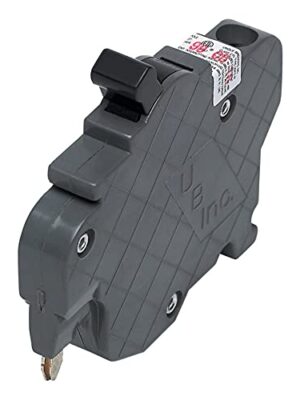
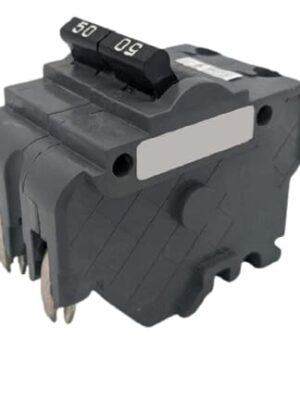
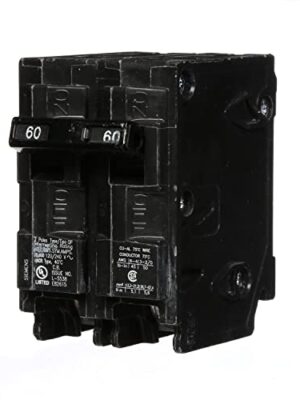
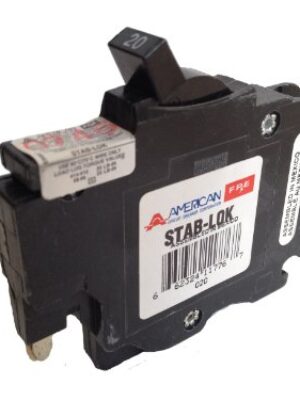
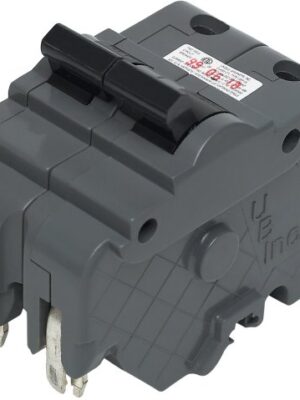
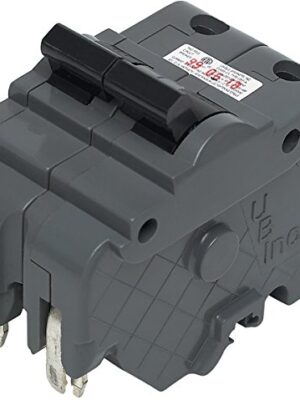
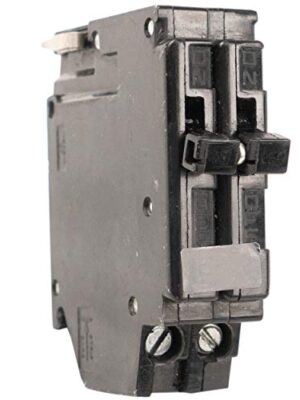
Expert-Certified Circuit Breakers for Safe, Reliable EV Charging
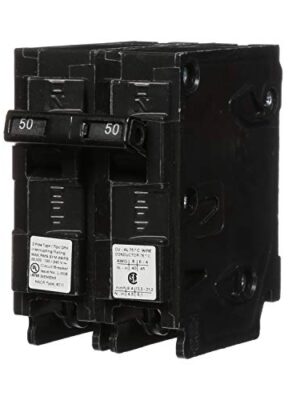
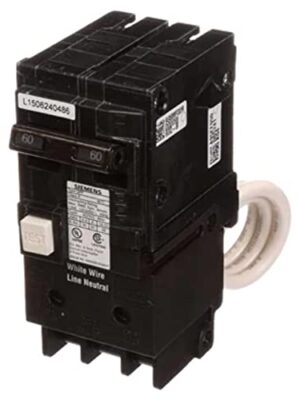
At Electric Vehicle Geek, we specialize exclusively in EV charging systems—from high-performance EV chargers to the certified circuit breakers that protect your home and vehicle. Our curated collection of EV charger circuit breakers is designed to deliver safe, code-compliant power for both Level 1 and Level 2 EV charger installations.
Why You Need a Dedicated EV Charger Circuit Breaker
EV chargers draw continuous, high-amperage loads for extended periods. Unlike standard household appliances, this makes specialized circuit protection essential for safety, performance, and code compliance.
How the Breaker Fits Your Charging Setup
Choosing the breaker is really the second half of choosing the charger, because the circuit between them locks the two together, so the cleanest way to approach an install is to settle on your charger amperage first and then let that decision flow straight through to the breaker and the wire. If you are still deciding on amperage, our amperage guides walk through exactly what each tier means for your panel, and the matching breaker size is listed for each one.
How to Choose the Right EV Charger Circuit Breaker
The circuit breaker behind your EV charger is one of the most important parts of the whole installation, because while the charger gets all the attention, it is the breaker that actually protects the wiring in your walls from the sustained current that EV charging draws for hours at a time. A charger can only ever be as safe as the breaker feeding it, so getting this choice right matters far more than most buyers realize when they start shopping.
What makes EV charging different from almost every other load in your home is that it runs continuously. Since the National Electrical Code limits any continuous load to 80 percent of a breaker’s rating, the breaker has to be sized one step above the charger’s draw rather than matched to it. A 32-amp charger, therefore, needs a 40-amp breaker; a 40-amp charger needs a 50-amp breaker; and a 48-amp charger needs a 60-amp breaker, because that 20 percent headroom is what keeps the breaker from overheating during a long overnight session.
In addition to proper sizing, the 2023 NEC now requires ground-fault protection on most EV charger circuits, which means the breaker you choose often needs to be a GFCI or GFPE type rather than a standard thermal-magnetic breaker. Because of that, matching the breaker to your charger, your panel brand, and your local code is genuinely a three-way decision, and the products below are the breakers we trust from Siemens, Square D, and Eaton to get all three right.
What to Look For in an EV Charger Circuit Breaker
The first thing to confirm is panel compatibility: breakers are not universal, and a Square D breaker will not seat correctly in a Siemens panel even when the amperage matches. So you always start by identifying your panel brand and the breaker family it accepts before you look at anything else. Once you know the panel will accept it, the amperage follows directly from your charger using the 80 percent rule, which is why we list the matching breaker size alongside each charger tier rather than leaving you to work it out.
Whether you need a GFCI breaker depends on how the charger is installed: while hardwired chargers can sometimes rely on their own internal ground-fault protection and may qualify for an exemption under NEC 210.8(F), plug-in chargers almost always require GFCI protection at the breaker itself under NEC 625.41. Since installing the wrong type is one of the most common reasons a freshly installed charger trips repeatedly, it is worth confirming this point with your electrician before buying.
Build quality is the last piece, and even though all the major brands meet code, the difference between a budget breaker and a Siemens, Square D, or Eaton breaker shows up over years of daily thermal cycling, because a breaker that heats and cools every night for a decade needs robust internal contacts to keep tripping reliably. As a result, we steer buyers toward the established brands here, since the few dollars saved on an off-brand breaker are not worth the risk on the one component whose entire job is to fail safely when something goes wrong.
EV Charging Expertise You Can Trust
For every EV charger circuit breaker, we’ve included detailed resources such as wiring diagrams, a list of compatible breaker panels, and supported EV charger models—all designed to guide you toward safer, smarter EV charging solutions.
Each breaker is carefully selected and documented with our in-depth understanding of:
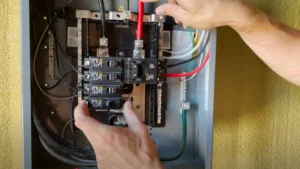
Accurate load calculations for proper charger sizing
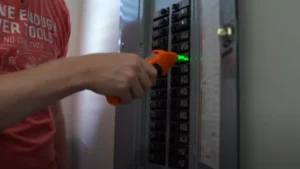
Smart ampacity planning for safe, long-term performance
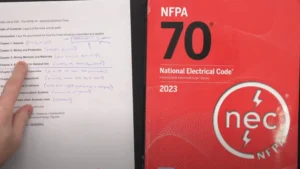
The NEC 80% rule for continuous-load applications
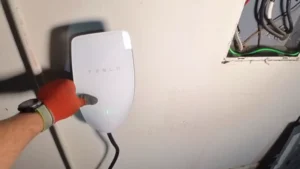
Thorough analysis of breaker panel capacity and constraints
Need Help Selecting the Right Breaker?
Whether you’re a homeowner, installer, or electrician, our product pages include detailed specs—amperage, pole configuration, and panel compatibility. Still unsure? [Contact us] for a free consultation or visit our [EV Charging Guides] section for help with sizing and installation tips.
EV Charger Circuit Breaker Frequently Asked Questions
You’ve Got EV Charger Circuit Breaker Questions, We’ve Got Answers.
What Size Breaker Does a 32 Amp EV Charger Need?
A 32-amp charger needs a 40-amp two-pole breaker because the NEC limits continuous loads to 80 percent of the breaker rating, and 80 percent of 40 amps is exactly 32 amps. The same logic gives a 40-amp charger a 50-amp breaker and a 48-amp charger a 60-amp breaker, since each one needs that 20 percent headroom to run safely for hours.
Do I Need a GFCI Breaker for My EV Charger?
Usually, yes, for plug-in chargers, because NEC 625.41 requires ground-fault protection on plug-in EVSE, and a GFCI breaker is the most common way to provide it. Hardwired chargers can sometimes rely on their own internal protection. They may qualify for an exemption under NEC 210.8(F), so the answer depends on how your charger is installed, which is worth confirming with your electrician.
Can I Use Any Brand of Breaker in My Panel?
No, because breakers are designed to be seated in specific panel families, so a Square D breaker will not fit an Eaton or Siemens panel, even when the amperage matches. Always identify your panel brand first and choose a breaker listed as compatible with it, since a forced or mismatched breaker is both a code violation and a real safety hazard.
Why Does My EV Charger Keep Tripping the Breaker?
The most common causes of EV charger breaker tripping are an undersized breaker for the charger's continuous current draw, a worn or heat-fatigued breaker that no longer holds its rating, or the wrong type of breaker for a circuit that needs GFCI protection. Since a correctly sized, healthy breaker should run an EV charger for years without nuisance trips, repeated tripping usually points to one of those three issues rather than a fault in the charger itself.
Are More Expensive Breakers Worth It for EV Charging?
For the breaker specifically, yes, because this is the one component whose entire purpose is to fail safely under fault conditions, and established brands like Siemens, Square D, and Eaton use heavier internal contacts that withstand years of nightly thermal cycling. The small premium over an off-brand breaker buys reliability in the install, which you least want to cut corners on.
Can I Install an EV Charger Breaker Myself?
Only if you hold a residential electrician license, because installing a breaker means working inside a live panel, sizing the conductor correctly, and meeting local code, all of which most jurisdictions require a licensed professional and a permit to perform. Beyond the legal side, panel work carries a genuine risk of shock and arc flash, so this is not a task to take on without training.