Complete Type 2 charger guide. AC charging speeds, supported vehicles, home installation, and what US importers need to know about Mennekes.
The Type 2 charger, often called the Mennekes plug after the German company that designed it, is the AC charging connector mandated across the entire European Union, the United Kingdom, Australia, New Zealand, and most of Africa.
Type 2 plug is the European answer to the J1772 plug Americans use. Still, it fundamentally works differently because it was built around three-phase residential electricity, which does not exist in most North American homes. If you have ever rented an EV in Europe, imported a European spec vehicle, or wondered why your German friend’s home charger looks completely different from yours, this Type 2 charger guide explains everything.
This Type 2 charger guide covers what the connector does that J1772 cannot, why three-phase charging changes the math at home, which vehicles use it, and what to do if you bring one in the USA.
Type 2 (Mennekes) Physical and Electrical Specifications
- Connector Standard: Type 2 (Mennekes)
- Primary Region: Europe and international markets
- Physical Port Strategy: AC-only connector that pairs with CCS2 for DC charging
- Max AC Delivery: Up to 22 kW (three-phase AC)
- Max DC Delivery: Not supported
- Communication Protocol: PWM analogue signalling
What Type 2 Is and Where the Charger Came From
The Type 2 charger is formally defined by the IEC 62196-2 standard, published in 2011 and adopted as the mandatory European AC charging connector by 2014. The plug itself was designed by Mennekes, a German manufacturer of industrial electrical connectors, which is why, even today, most European drivers refer to it as the Mennekes plug rather than by its IEC standard name.
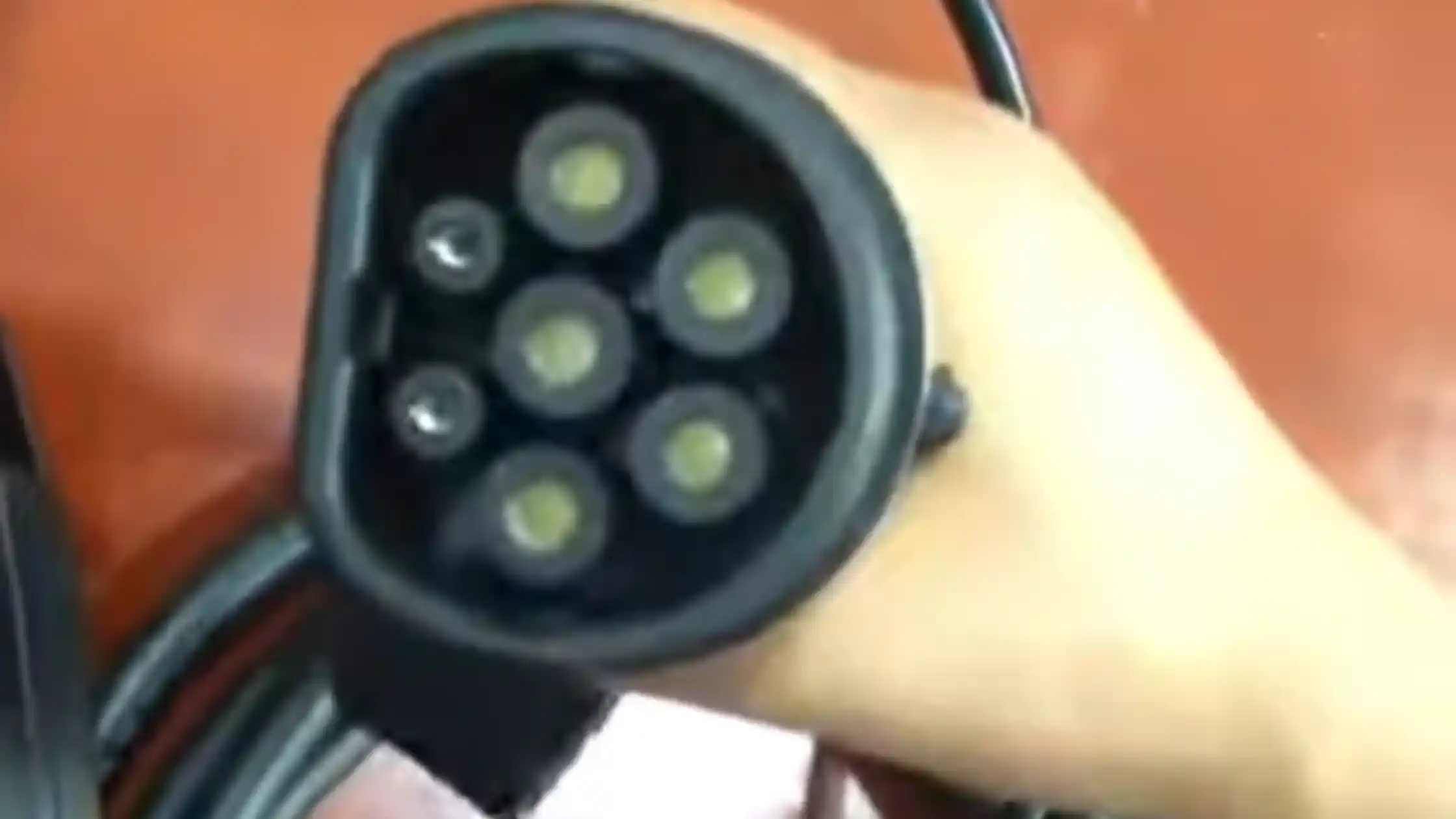
The standard exists because the European Union wanted a single AC charging connector that could handle the full range of European residential electricity. Some homes get single-phase 230-volt power, others get three-phase 400-volt power, and the Type 2 plug needs to work seamlessly with both. The seven-pin layout solves this elegantly by including conductors for all three phases plus neutral, with the car using only what is available at the specific outlet.
Before the EU mandate, European EVs used a mix of Type 1 (the same plug Americans call J1772), Type 3 (a French-specific design that did not catch on), and various proprietary connectors. The 2014 mandate forced the entire continent onto Type 2, ending the fragmentation that still plagues charging in North America today.
Why Three-Phase Power Changes Everything
This is the single most important concept in this guide. North American residential electricity is delivered as single-phase or split-phase. Most European residential electricity is delivered in three-phase. The difference is not just a number on a spec sheet. It changes how fast you can charge at home and what hardware you need.
Single-phase power, which is what you have in an American house, delivers electricity as a single alternating waveform. The voltage cycles from positive peak to zero to negative peak and back 60 times per second. During those zero crossings, no power is actually flowing. This limits how much energy you can push through a given wire without overheating it.
Three-phase power delivers three separate waveforms, offset by 120 electrical degrees. As one phase crosses zero, the other two are nonzero, so power is always flowing. The result is that you can push significantly more energy through wires of the same gauge without thermal problems. For EV charging, this means a three-phase 11-kilowatt home charger uses thinner wires than a single-phase 11-kilowatt American charger would require.
In practical terms, a European homeowner with three-phase service can install a 22-kilowatt Type 2 wallbox that adds about 70-100 miles of range per hour. The fastest American J1772 home charger maxes out at 19.2 kilowatts, and almost no homes actually have circuits sized for that. The typical American Level 2 charger delivers 7.7 to 11.5 kilowatts. European drivers routinely charge at speeds that would require a panel upgrade and dedicated permit work in the United States.
Pin Configuration
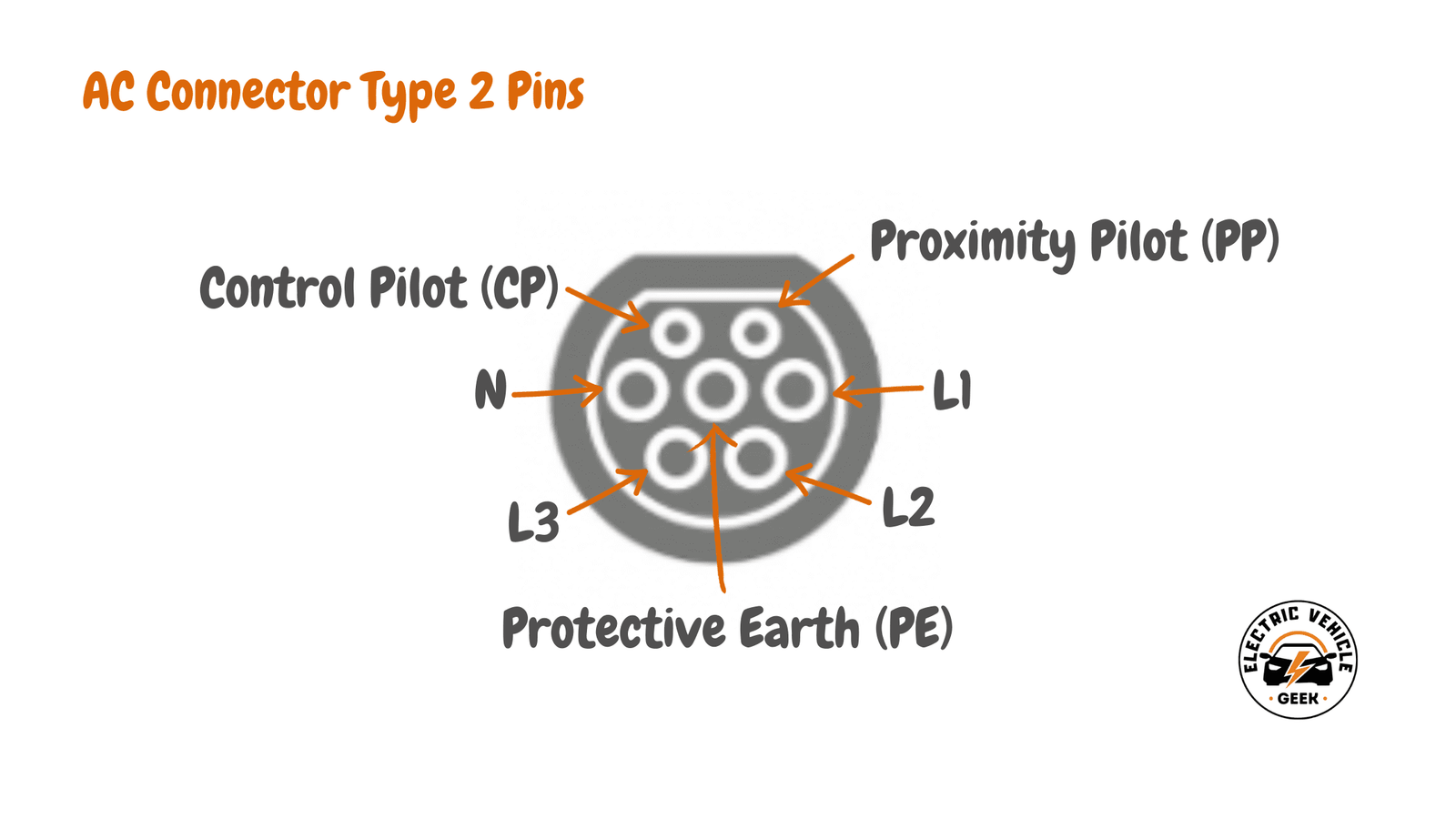
The Type 2 charger plug has seven pins in a circular layout with a flat edge along the top. The flat edge is the visual cue that distinguishes it from the round J1772 plug. Each pin has a specific role.
The Three Phase Lines (Top of the Circle)
Three large pins carry the three phase AC current, labelled L1, L2, and L3. Each phase is offset from the others by 120 electrical degrees. On a three phase circuit, all three pins carry current. In a single-phase circuit, only L1 carries current, and L2 and L3 remain idle. The car automatically detects which phases are live and configures its onboard charger accordingly.
The Neutral Pin (Centre)
Returns the current to the supply system’s single-phase operation. Sits as a reference point during three-phase charging. The neutral pin is what makes Type 2 work with single-phase power without requiring a different plug.
The Protective Earth Pin (Lower Centre)
Earth ground. Engages first when plugging in and disengages last when unplugging. This sequencing protects against electrical faults during the moment of connection or disconnection.
The Proximity Pilot (Lower Left)
A simple digital pin that tells the car a plug is physically inserted and locked. The car uses this signal to turn off driving while the cable is connected, since driving away with a plug still inserted is bad for both the car and the station.
The Control Pilot (Lower Right)
The brain of the operation. The station sends a pulse-width-modulated signal that tells the car exactly how much current it can safely draw. The car responds, confirming its requested rate. The signal runs continuously during the session and triggers immediate shutdown if anything goes wrong. This pin uses the same fundamental signalling logic as J1772, which is one reason mechanical adapters between the two standards work without requiring active electronics.
Charging Speeds You Will See With a Type 2 Charger
Type 2 charging speeds depend heavily on three factors. The first is whether your home has single-phase or three-phase service. The second is the rated current of your specific wallbox and circuit. The third is the maximum AC charge rate your vehicle accepts.
On a single-phase 7.4-kilowatt wallbox, which is common in older British and Italian homes, you add about 20-25 miles of range per hour. This is equivalent to a 32-amp J1772 charger in North America.
On a three-phase 11-kilowatt wallbox, which is the most common modern European home setup, you add about 35-45 miles of range per hour. This is the sweet spot for residential charging across most of continental Europe.
On a three-phase 22-kilowatt wallbox, you add 70-100 miles of range per hour, depending on the vehicle. Almost no homes get this installed because it requires a dedicated 32-amp three-phase circuit, but it is common at workplace parking lots and public destination chargers.
On a public Type 2 station rated at 43 kilowatts, you can add 140 miles per hour. In practice, very few cars accept the full 43 kilowatts on AC. The Renault Zoe was the famous exception that drew 43 kilowatts on AC. Still, most modern EVs cap their onboard chargers at 11 or 22 kilowatts because higher AC rates make the onboard converter heavier and more expensive.
Which Vehicles Use the Type 2 Charger
Every electric vehicle sold legally in the European Union must include Type 2 AC charging capability.
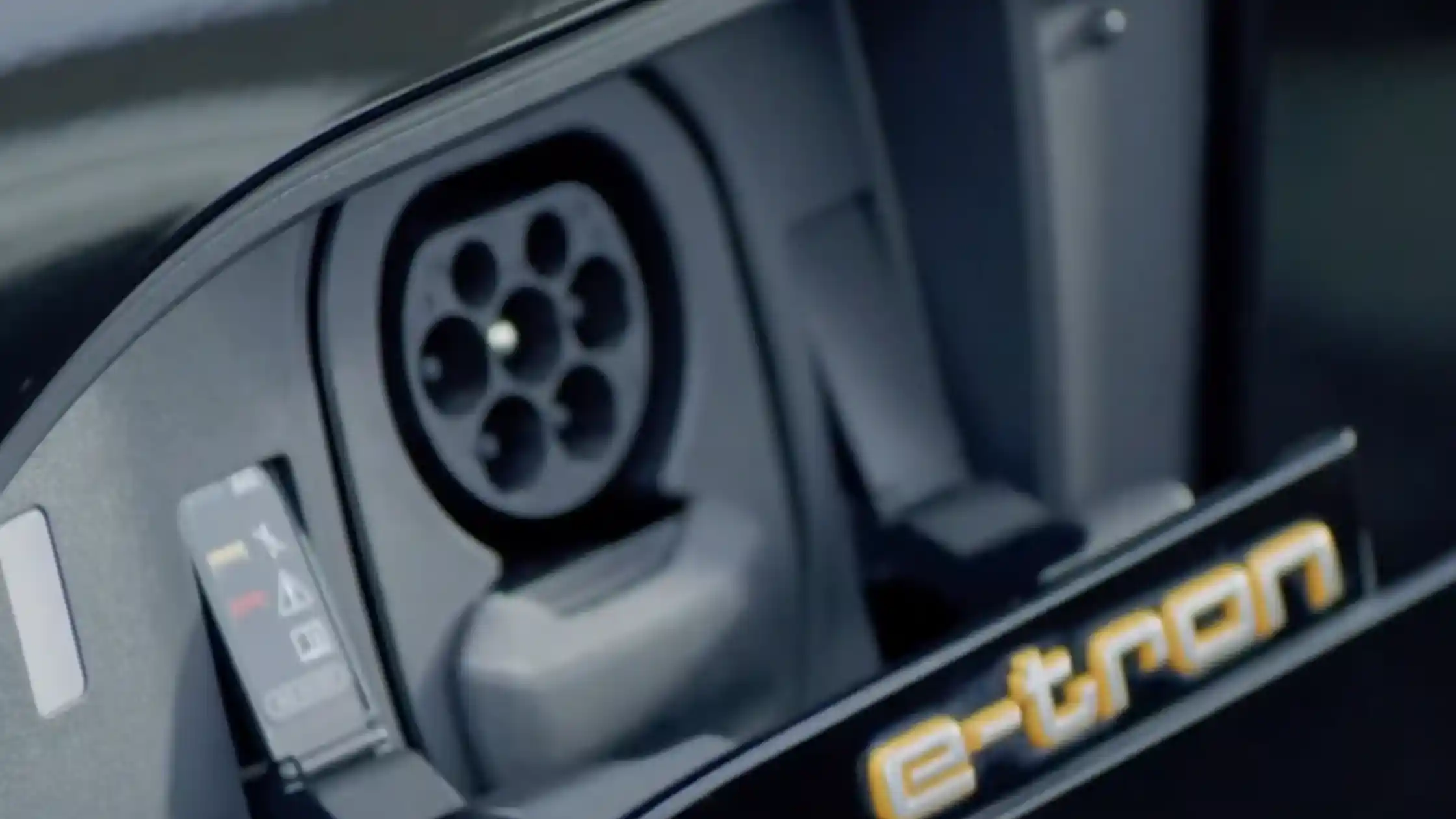
The same applies to the United Kingdom, Australia, New Zealand, and most of Africa. The list below covers the most common models you would encounter, but the practical answer is that any EV launched in Europe since 2014 uses Type 2.
| Brand | Notable Models (European Spec) | Max AC Acceptance |
| Tesla | Model S, 3, X, Y (European spec) | 11 kW or 22 kW (with upgrade) |
| Volkswagen | ID.3, ID.4, ID.7, ID. Buzz | 11 kW |
| BMW | i4, i5, iX, X1 EV, i7 | 11 kW |
| Mercedes | EQS, EQE, EQB, EQA, EQV | 11 kW or 22 kW |
| Audi | e-tron, Q4 e-tron, Q8 e-tron | 11 kW or 22 kW |
| Hyundai | Ioniq 5, Ioniq 6, Kona EV | 11 kW |
| Kia | EV6, EV9, Niro EV | 11 kW |
| Porsche | Taycan, Macan EV | 11 kW or 22 kW |
| Polestar | Polestar 2, 3, 4 | 11 kW |
| Volvo | EX30, EX40, EX90 | 11 kW |
| Peugeot | e-208, e-2008, e-3008 | 11 kW |
| Renault | Megane E-Tech, Scenic E-Tech, R5 E-Tech | 11 kW or 22 kW |
| Fiat | 500e (European spec) | 11 kW |
| MG | MG4, MG ZS EV, MG5 | 7 kW or 11 kW |
| BYD | Atto 3, Dolphin, Seal (European spec) | 7 kW or 11 kW |
| Nissan | Leaf (European spec), Ariya | 11 kW |
Safety, Certifications, and Build Quality
Type 2 hardware sold in Europe carries the CE marking, which is the EU’s blanket safety certification for products sold across the bloc. The detailed underlying standards include IEC 61851 for the overall charging system and IEC 62196-2 for the connector itself. These maps match the UL standards Americans look for, with broadly equivalent safety requirements.
Ingress protection ratings on Type 2 plugs are typically IP44 or IP54, meaning they handle splashing water and dust intrusion well enough for outdoor residential use. Public Type 2 stations sometimes carry higher IP55 or IP65 ratings for harsh outdoor environments. The Type 2 inlet on your car is generally rated IP67 or higher when the cover is closed, which protects the contacts during car washes and rainstorms.
Thermal protection is built into both ends of the cable. The plug itself contains temperature sensors that report to the wallbox during the session. If anything starts to overheat, the wallbox automatically reduces the current before any damage occurs. This protective derating is normal behaviour, not a fault, even though it can feel disappointing when your fast session slows.
The cable itself is rated for the circuit’s maximum current. A 32 amp Type 2 cable uses thicker conductors and a heavier shield than a 16 amp Type 2 cable. Mixing cables and stations is generally safe because the proximity pilot pin tells each side what the cable is rated for, and the station limits current accordingly. But never use a cable rated below the current you intend to draw.
How Type 2 Locks to Your Car
This is one area where Type 2 is genuinely better than J1772. The plug has no exposed mechanical latch on the handle. Instead, the car itself contains a small electronic actuator that physically clamps down on the plug at the start of a session. The clamp releases automatically when the session ends or when you tap the unlock button on the car or in the charging app.
Walking up and pulling somebody else’s Type 2 plug out is impossible. This is why public Type 2 charging in Europe rarely has the unplugging and theft problems that plague J1772 public charging in the United States. The plug is locked to the car, not to the cable.
The downside is the same as every electronic lock design. If the lock motor dies, the cable stays stuck in your port until you find the manual release. Every Type 2-equipped vehicle includes a pull cord, usually located in the trunk or behind a small access panel near the charge port. Find yours in the owner’s manual before you actually need it, because nobody reads manuals in a panic at midnight in a hotel parking lot.
Cable Weight and Handling
Type 2 AC cables are noticeably more manageable than the CCS2 fast-charging cables that use the same connector base. A typical 11-kilowatt Type 2 cable weighs about three to four kilograms and flexes easily even in cold weather. A 22-kilowatt cable is heavier but still tolerable.
In freezing temperatures, Type 2 cables stay flexible far longer than equivalent J1772 or CCS cables. The plastic compounds used in European cable insulation are formulated for cold-weather use because much of Europe experiences real winter. North American J1772 cables, by contrast, sometimes feel like frozen garden hoses in January.
Type 2 Charger Adapters and Cross Compatibility
If you live in North America and rent an EV during a European trip, you will not need any adapters. The rental car comes with what it needs, and most hotels include Type 2 cables already attached to the wall. Just pull up, plug in, and the station takes care of the rest.
If you imported a European-spec EV into the United States, you have a real challenge. Public Type 2 stations do not exist in North America. You would need a Type 2 to J1772 adapter for home charging, and these are available from Lectron, A2Z EV, and a few other vendors for about $100. Make sure the adapter is rated for the current you intend to draw and check that it carries some form of certification, even if it is not a US UL listing.
Going the other direction, if you take a North American Tesla to Europe, Tesla sells a NACS-to-Type-2 adapter specifically for travelling owners. It only works for AC charging since the protocols are compatible. For DC fast charging in Europe, your Tesla will use the European Supercharger network, which still operates on Type 2 and CCS2-compatible hardware in most countries, despite the NACS rollout in North America.
Type 2 to J1772 adapters exist, but they go the wrong way for most users’ needs. If you have a J1772 car and a Type 2 cable, the adapter lets you charge with it. This is occasionally useful at imported public stations but is rarely needed in practice.
Common Type 2 Charger Issues and Quick Fixes
Plug Stuck After Session Ends
Most often, a software bug. The car thinks the session is still active and refuses to release the lock. Try locking and unlocking the car remotely, force-closing the charging app, or performing a hard reboot of the infotainment system. If nothing works, the manual release pull cord is your last resort. Find it before you need it.
Reduced Charging Speed on Three-Phase Wallbox
Some older EVs have single-phase onboard chargers, meaning they ignore L2 and L3 even when those phases are available. This is by design and not a fault. Some single-phase only cars can be reconfigured in the service menu to balance load across phases, but this is rare. For most owners, the fix is to accept the slower rate or upgrade to a vehicle with a three-phase capable onboard charger.
Authentication Failure at Public Station
European charging networks roam between operators, similar to how mobile phones roam between cellular networks. If your home network has a partnership with the local operator, you charge seamlessly with your home card or app. If not, you need to register locally first. The PlugSurfing and Shell Recharge apps cover most networks across the continent, so download one before any cross-border trip.
Should You Install Type 2 Hardware in the United States?
Almost certainly no. Type 2 hardware is not certified for the North American electrical code; US homes do not have three-phase service in residential areas, and parts are essentially impossible to source domestically. If you have a European spec EV, install a J1772 home charger and use a Type 2 to J1772 adapter on the car side.
The exception is commercial or fleet installations, where you genuinely need to charge a fleet of imported European spec vehicles. In that case, you can sometimes import certified European Type 2 wallboxes and have a licensed electrician adapt the input to North American electrical service. This is expensive, requires permits, and assumes your facility has three-phase service available. It is doable, but only makes sense at a meaningful scale.
How Type 2 Compares to Other EV Charger Plugs and Connectors
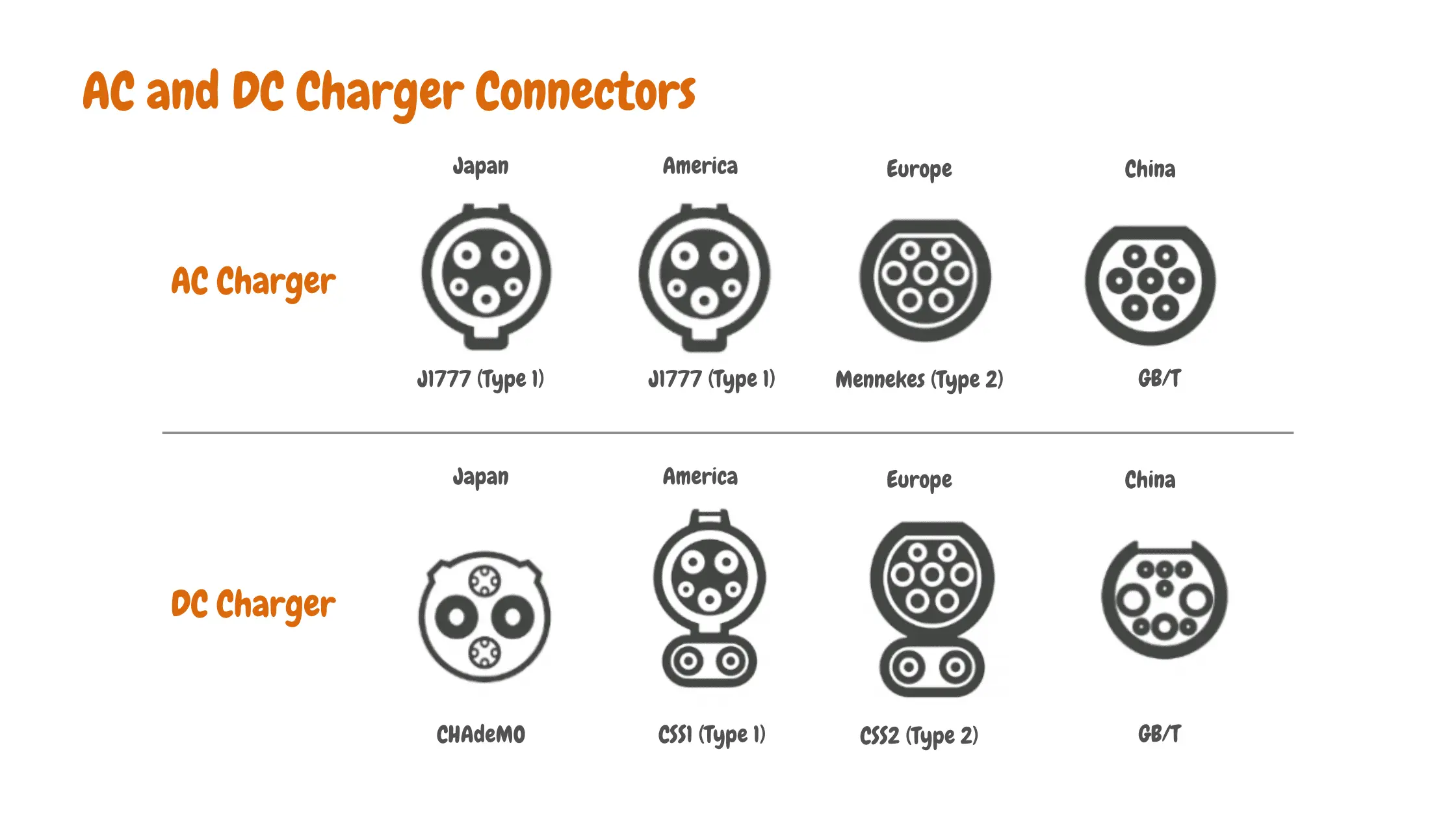
Here is how every major EV connector stacks up in terms of power, region, and use case. Use this table to see at a glance where this standard fits in the wider charging world.
| Connector | Region | Max AC Power | Max DC Power | Pin Count |
| NACS (J3400) | North America | 19.2 kW | 1,000 kW (theoretical) | 5 |
| CCS Combo 1 | North America | 19.2 kW | 360 kW | 7 |
| J1772 (Type 1) | North America, Japan | 19.2 kW | Not supported | 5 |
| Type 2 (Mennekes) | Europe, Oceania | 43 kW (3 phase) | Not supported | 7 |
| CCS Combo 2 | Europe, Oceania | 43 kW (via Type 2) | 360+ kW | 9 |
| CHAdeMO | Japan, legacy global | Not supported | 400 kW | 10 |
| GB/T | China | 27.7 kW | 237.5 kW (900 kW ChaoJi) | Dual port |
The Bottom Line on the Type 2 Charger
The Type 2 charger is the AC charging standard that most of the world outside North America has settled on, and it represents a genuinely better design than J1772 for residential charging. The three-phase capability, vehicle-side locking, and integrated CCS2 expansion path give Type 2 advantages that the North American market is only now beginning to match through the NACS transition.
For American drivers, the Type 2 charger is mostly something you encounter while travelling or in news about international EV brands. For European drivers, it is the foundation of daily life. Either way, understanding how it works helps you understand why European EV ownership feels different from American EV ownership at the most basic level.

James Ndungu is a certified EV charger installer with over five years of experience in EVSE selection, permitting, and installation. He holds advanced credentials, including certification from the Electric Vehicle Infrastructure Training Program (EVITP) and specialized training in EV charging equipment and installation, as well as diplomas in EV Technology and Engineering Fundamentals of EVs. Since 2021, James has tested dozens of EV chargers and accessories, sharing expert insights into the latest EV charging technologies.