First introduced as a promising concept for residential energy management, Vehicle-to-Home (V2H) technology has evolved into a viable solution for energy resilience. By leveraging high-capacity EV batteries and specialized bidirectional EVSE (EV Supply Equipment), your vehicle can act as a mobile power station. Since your EV typically sits parked for most of the day, V2H technology lets you tap into that idle energy and safely discharge it back into your home to support critical loads.
The idea is simple, but the value is real. When the grid goes down, your car can keep the important parts of your home running. When power prices climb during peak hours, your car can run your home instead of the meter. In both cases, you are using power you already paid for and stored.
In this guide, we will explore what V2H is, how it works, and which cars support it today. We will also look closely at the costs, limitations, and the road ahead, so you can decide whether V2H is the right fit for your home.
What Is Vehicle-to-Home (V2H)?
V2H is a two-way charging system. While a normal charger only pushes power into your car, a V2H system can both send power in and pull it back out. This two-way flow, known as bidirectional charging, is the heart of V2H.
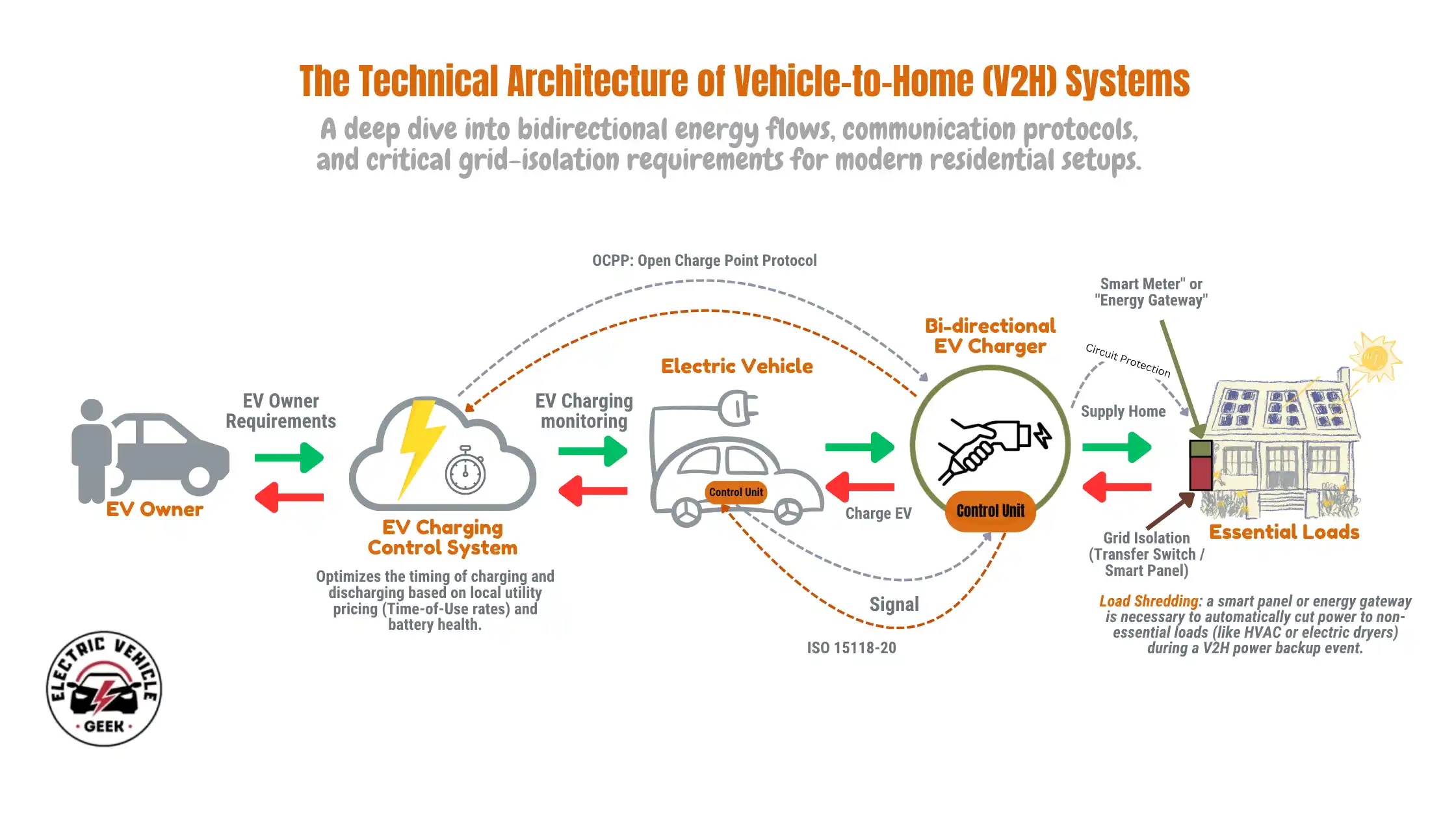
In simple terms, V2H treats your car battery like a home battery that you can drive. The energy stored inside can run your fridge, your lights, your internet, and many other things around the house.
Unlike a gas generator, V2H does not burn any fuel. Instead, it uses the power you already paid for and stored in your car, making it both cleaner and far quieter.
The Key Benefits of V2H
V2H offers more than just a backup plan. For many homeowners, it brings together resilience, savings, and smarter use of an asset they already own. Here are the main benefits to weigh.
Backup Power When the Grid Fails
This is the benefit most people think of first. When a storm or fault knocks out the grid, your EV can keep the important parts of your home running. A large car battery can hold far more energy than a typical home battery, so that it can carry you through a long outage.
Lower Energy Bills
Many utilities charge more for power during busy hours. With V2H, you can charge your car when power is cheap, then use that stored energy when prices peak. This money-saving trick is called energy arbitrage. You can learn more about timing your charging in our grid-tied solar EV charging guide.
A Battery You Already Own
A dedicated home battery is a major extra purchase, but with V2H, you use a battery that already came with your car. That means you gain backup storage without paying for a separate wall unit, which can lower your overall cost.
More Capacity Than a Home Battery
Most home wall batteries store only a modest amount of power, while a modern EV often holds far more, in the range of 60-100 kWh. That larger size means your car can keep your home running for much longer during an outage.
A Greener Home
When you pair V2H with solar panels, you can store clean energy by day and use it at night. This creates a simple green loop for your home. Our home solar EV charging guide shows how the pieces fit together.
V2H vs V2G vs V2L: Know the Difference
People often mix up three closely related terms, since they sound alike but do very different jobs. Here is a quick comparison to keep them straight.
| Term | Full Name | What It Does |
|---|---|---|
| V2L | Vehicle-to-Load | Power small devices and tools straight from the car’s own outlet. |
| V2H | Vehicle-to-Home | Powers your whole home, often during a grid outage. |
| V2G | Vehicle-to-Grid | Sends power back to the utility, sometimes for credit or cash. |
V2L is the most common feature today, and many EVs already have it built in. It lets you plug a laptop, a coffee maker, or power tools straight into the car. On its own, though, V2L cannot run your whole house.
V2H is the next step up, because it connects your car directly to your home’s electrical panel. To do that safely, you need some special hardware, which we cover below.
Vehicle-to-Grid (V2G) is the most advanced of the three, since it lets your car sell power back to the grid. Because of that, it depends heavily on your local utility rules and is still rare in most areas.

How Vehicle-to-Home Works
The power moves in a simple loop between the grid, your car, and your home. Here is the flow, step by step.
Step One: Grid to Vehicle (G2V)
This is simply normal charging, where power flows from the grid into your car battery. You can review the basics in our EV charging levels guide.
Step Two: Vehicle to Home (V2H)
When you need it, the flow reverses, and power flows from the car into your home circuits to run your appliances.
Step Three: The Control System
A Home Energy Management System (HEMS) acts as the brain of the setup. It decides when to charge the car, when to pull power back from it, and how to balance the load, keeping the whole process safe and smooth.
The Hardware You Actually Need
V2H is not a simple plug-and-play upgrade, since it relies on three key parts working together. Here is what each one does.
A V2H Compatible EV
Your car’s computer and battery system must be designed to let power flow back out, and not every EV can do this yet. We list the models below.
A Bidirectional Charger
A standard Level 2 charger only sends power one way, so it cannot run V2H. Instead, you need a special bidirectional charger that supports bidirectional power flow and manages switching between AC and DC power. This also depends on the design of your car’s onboard charger.
A Transfer Switch or Smart Panel
This part is not optional. A transfer switch or smart panel keeps your home safely cut off from the grid during an outage, so that your car does not push power back into the grid lines. That backflow would be dangerous to utility crews working to fix the outage, which is why experts call this safety step ‘islanding.’
Which EVs Support V2H Today?
As of today, V2H is moving from a rare feature to a more common one. Still, support depends on the exact model, the software, and your region. Here is where things stand.
| Maker | Key Models | V2H Status |
|---|---|---|
| Ford | F-150 Lightning | Leader. Full V2H through the Ford Home Integration System. |
| Nissan | Leaf, Ariya | Mature. Long history of V2H and V2G, often through CHAdeMO. |
| Hyundai and Kia | Ioniq 5, Ioniq 6, EV9 | Emerging. V2L is standard, with V2H rolling out in select markets. |
| Volkswagen Group | ID.4, ID. Buzz | Rolling out. Added through recent software and model years. |
| Mitsubishi | Outlander PHEV | Mature. Long-time support for V2H and V2G. |
| GM (Ultium) | Silverado EV, Hummer EV, Lyriq | Scaling. Phased rollout across the Ultium platform through 2026. |
| Volvo | EX90 | Supported. Built with bidirectional hardware. |
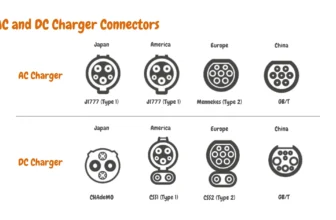
A few cars use the older CHAdeMO plug for two-way power, which is common on the Nissan Leaf. You can read about it in our CHAdeMO charger guide. North America is also shifting toward the NACS standard, which we cover in our NACS charger guide.
The Reality Check: Limits You Should Know
A good guide does not just sell the dream; it also warns you about the friction. Here are the real limits worth keeping in mind before you buy.
Will V2H Kill My Car Battery?
This is the top worry for most buyers, and the short answer is no, not in any major way. Modern cars use a smart Battery Management System (BMS) that controls how deeply the battery drains, a measure known as Depth of Discharge.
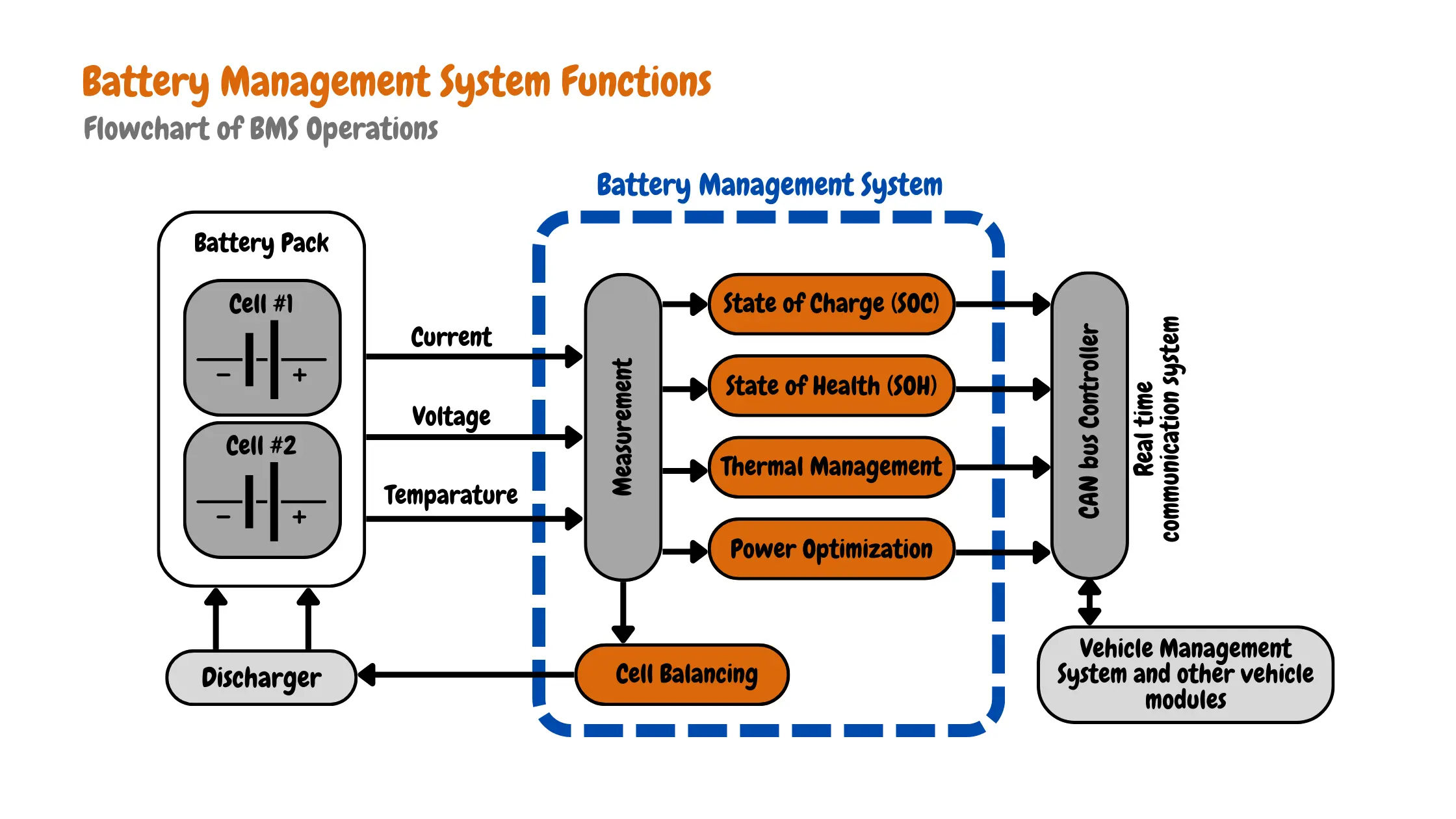
The wear from gentle V2H use is small and minor compared to the stress of frequent DC fast charging. As a result, V2H is unlikely to shorten your battery life in any way you would notice.
The Bidirectional Premium: What It Costs
Be ready for a higher price tag, because a bidirectional charger costs much more than a basic one. On top of that, you may also need some electrical upgrades to your home panel.
Over time, though, the system can pay for itself. The savings from off-peak charging, plus the value of having backup power, often add up over five to eight years. Even so, the upfront cost is real, so it pays to play.
Permitting and Grid Rules
In many places, the rules for V2H are still being written. Your local utility may treat your car as a power source, which can trigger extra paperwork or special metering. For that reason, it is wise to check the rules in your area before you buy.
Regional Differences and Software
A car that supports V2H in Japan or Europe may not support it the same way in North America, since plug standards differ by region.
On top of that, V2H is not always switched on by default. Some makers ask you to turn on a home backup service in their app, while others may require you to wait for a software update.
Warranty Concerns
Check your battery warranty before you start. Most modern systems stay within safe limits, but it is smart to confirm that V2H use will not affect your coverage.
The Technology Behind the Handshake
Knowing a few key standards helps you buy smart and future-proof your setup.
ISO 15118-20: The Communication Standard
This is the current gold standard for two-way charging, as it lets your car and charger communicate safely. When you see gear that follows this standard, it is a strong sign of quality and future support.
OCPP: Avoiding Hardware Lock In
The Open Charge Point Protocol (OCPP) is an open standard, and buying gear that supports it helps you avoid being locked into one brand’s system. That openness keeps your options flexible down the road.
How Long Can Your EV Power Your Home?
This is the fun part to work out. Your backup time depends on two things: how much power your home uses and how big your car battery is.
Here is a simple way to think about it. If your home uses 25 kWh per day and your EV holds 75 kWh, you have roughly three days of power on hand. By running only the essentials, such as the fridge, internet, and lights, you can stretch that to five or even seven days.
| Setup | Daily Use | Battery Size | Rough Backup Time |
|---|---|---|---|
| Full home use | 25 kWh | 75 kWh | About 3 days |
| Essentials only | 10 to 12 kWh | 75 kWh | About 5 to 7 days |
| Large truck battery, essentials | 10 to 12 kWh | 130 kWh | Over a week |
These are only rough numbers, of course. Your real results will depend on your home, your daily habits, and the weather at the time.
V2H vs Home Batteries vs Generators
How does V2H stack up against other backup options? Here is a fair look at each one.
| Option | Strengths | Trade-Offs |
|---|---|---|
| Home battery (wall unit) | Reliable, low upkeep, always ready | High cost for the amount of power stored |
| Gas generator | Low upfront cost | Noisy, needs fuel, more upkeep |
| V2H | Huge capacity, uses a car you already own | Needs upfront hardware, depends on your car |
The big edge for V2H is capacity. You are using a 60-100 kWh battery you already paid for, while a home wall battery is often much smaller. That extra capacity is what makes V2H so appealing for whole-home backup.
How Will V2H Become Mainstream?
V2H is no longer just a lab idea, but it is not yet a standard home feature either. A few key pieces need to fall into place before most drivers can use it with ease. Here is what is moving the technology toward the mainstream.
Shared Standards
Common standards let any car work with any charger. The ISO 15118-20 standard is central to this, as it defines the safe two-way communication between the car and the charger. As more makers adopt it, V2H gear will start to work together smoothly, much like phone chargers do today.
More Compatible Cars and Chargers
Right now, only a handful of cars and chargers support full V2H. As automakers add the feature to more models and charger makers ship more bidirectional units, the choices will grow, giving buyers far more options.
Lower Hardware Costs
Bidirectional chargers are still pricey. As demand rises and more brands compete, costs should drop, just as they did for solar panels and home batteries. Lower prices will bring V2H within reach of everyday buyers.
Clearer Rules and Incentives
Utilities and regulators are still writing the rules for V2H. As more regions set clear, fair policies and some offer credits for stored power, the installation path will become simpler. New rules in some markets are already pushing chargers toward two-way support.
Simple, Honest Communication
For V2H to catch on, buyers need to trust it. That means clear answers about real savings, battery health, and warranty coverage. As makers explain the value in plain terms, more people will feel ready to try it.
Your Pre-Purchase Consultation Checklist
Before you spend money, talk to a licensed electrician. These are the key questions to bring to that visit.
Start by asking whether your home’s panel can support the feed, such as a 100 Amp or 200 Amp service. Find out whether your current car is truly V2H-capable, not just V2L-capable. Ask which bidirectional charger works with your car and your region, and whether you will need a transfer switch or a smart panel for safe islanding. Finally, check on the local permits and utility rules that apply in your area.
Bring this list with you. It turns a vague chat into a clear, useful plan.
Frequently Asked Questions
What Exactly Is Vehicle-to-Home (V2H) Charging?
V2H turns your electric car into a mobile home battery. Instead of only storing power for driving, your car can send that power into your house. This is different from V2L, which runs a single device, and from V2G, which sells power back to the grid.
Can My Current Electric Vehicle Power My Home?
It is best not to assume so. Only certain models support full V2H, such as the Ford F-150 Lightning or the Hyundai Ioniq 5 in some regions, so check your exact model and its software before you plan an install.
Do I Need a Special Charger to Use V2H?
Yes. A standard Level 2 wall charger only supplies power in one direction, so it cannot run V2H. You need a bidirectional charger, which is a special type of EV supply equipment, and often a home transfer switch for safety.
Will Using My Car for V2H Damage or Degrade My Battery?
For most owners, no. Modern cars use a smart Battery Management System that controls how much the battery drains. It keeps the battery within safe, healthy limits, so gentle V2H use has little effect on its life.
How Long Can My EV Keep the Lights On During a Power Outage?
It depends on your battery size and your home’s energy use. Here is some quick napkin math: a 75 kWh battery divided by 30 kWh of daily use gives you about 2.5 days of backup. Run only the essentials, and you can stretch it much further.
Is V2H Cheaper Than Buying a Dedicated Home Battery?
It can be, since you are using a battery you already own. Bidirectional hardware is not cheap, but your car’s battery is often much larger than a stationary home unit’s. That means more backup capacity for your money.
What Is the Difference Between V2L, V2H, and V2G?
Think of it in terms of who needs each one. V2L is for camping and power tools. V2H is for home backup during an outage. V2G is for selling power back to the grid. You can see the full comparison in the table earlier in this guide.
Is It Legal to Connect My Car to My Home in My Area?
It depends on your local rules. The key safety step is islanding, which keeps your home from pushing power back into the grid during an outage. Backfeeding the grid is dangerous and often illegal, so always use a certified electrician to set it up correctly.
What Happens if I Need to Drive While My House Runs on My Car?
Good news: you stay in control. Most systems let you set a reserve limit, such as never letting the battery drop below 20 percent. That way, you always keep enough range to reach a charger, even while your home draws power.
How Do I Get Started With a V2H Installation?
Start with a site assessment from a qualified electrician who lists bidirectional charging as a service. They can check your panel, confirm your car’s support, and recommend the right charger and safety gear for your home
The Bottom Line
Vehicle-to-Home turns your EV into a backup power plant and a money-saving tool. The technology is improving rapidly, and more cars are being produced every year. If you plan and ask the right questions, V2H can add real value to your home and your daily life.

James Ndungu is a certified EV charger installer with over five years of experience in EVSE selection, permitting, and installation. He holds advanced credentials, including certification from the Electric Vehicle Infrastructure Training Program (EVITP) and specialized training in EV charging equipment and installation, as well as diplomas in EV Technology and Engineering Fundamentals of EVs. Since 2021, James has tested dozens of EV chargers and accessories, sharing expert insights into the latest EV charging technologies.